Kansas City Spans Two States—Here’s How to Know Which Side You’re Exploring
We may earn money or products from the companies mentioned in this post. This means if you click on the link and purchase the item, I will receive a small commission at no extra cost to you ... you're just helping re-supply our family's travel fund.
Kansas City spans both Missouri and Kansas, with Kansas City, Missouri and Kansas City, Kansas functioning as legally separate cities in different states that share a name and a metropolitan area but maintain entirely distinct city governments, police departments, school districts, and tax structures, a jurisdictional split that confuses most visitors who assume “Kansas City” refers to one unified place.
How the Split Actually Works
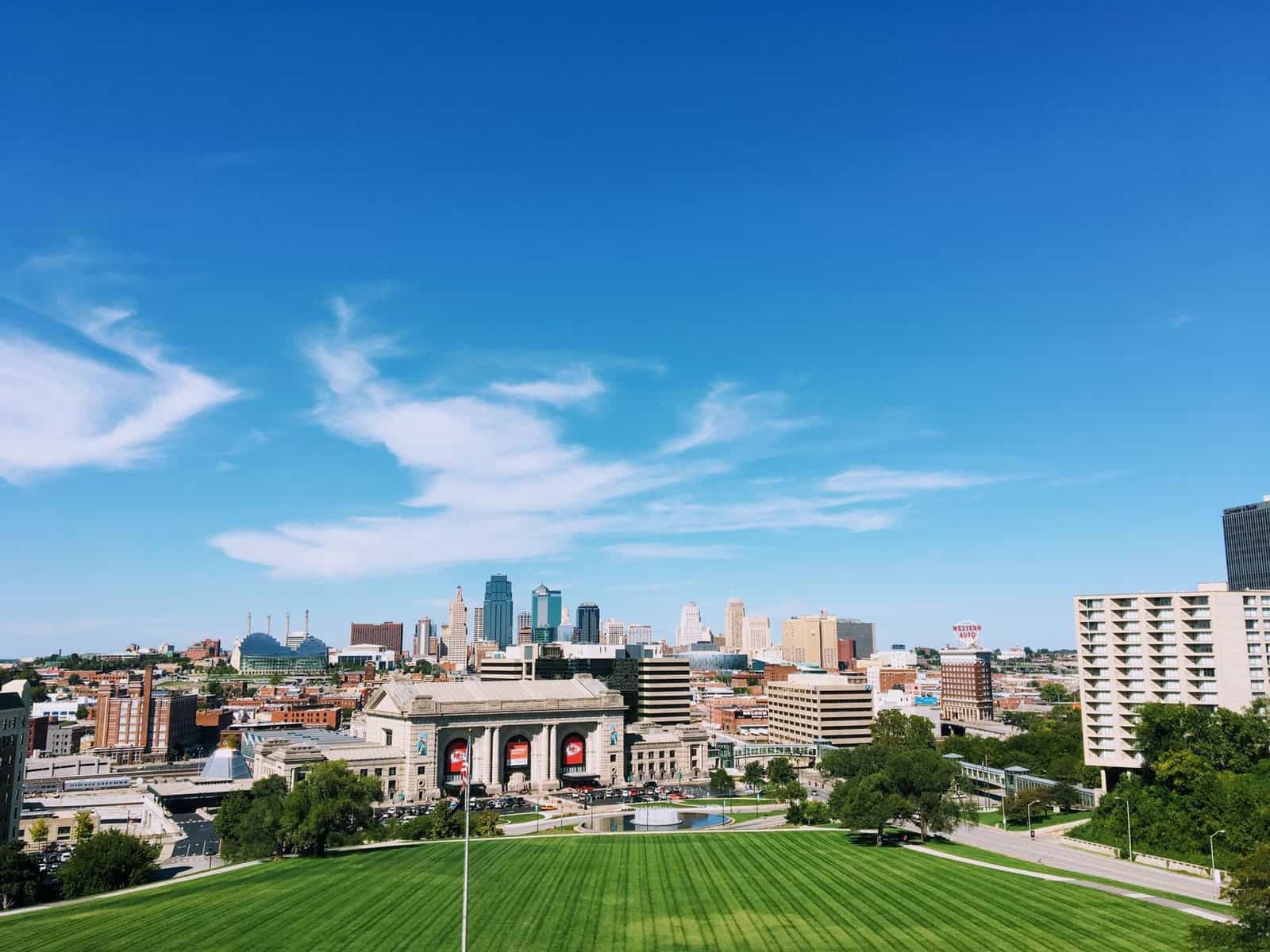
Kansas City, Missouri is by far the larger and more economically significant of the two, with a population several times that of Kansas City, Kansas, and contains most of the attractions visitors associate with the “KC” name, including the Country Club Plaza shopping district, the National WWI Museum and Memorial, and the majority of the region’s celebrated barbecue restaurants. Kansas City, Kansas, while smaller, has its own distinct identity and includes the Kansas Speedway and Children’s Mercy Park, home to the region’s Major League Soccer franchise, giving it genuine attractions of its own rather than functioning purely as a suburb of its Missouri counterpart.
State Line Road literally marks the boundary in places, running directly between properties on opposite sides of the street that pay taxes to, and receive services from, entirely different state governments, a quirk that occasionally produces genuinely strange situations, including businesses that have structured their operations specifically to take advantage of differing state tax and regulatory environments on either side of a single street.
The Neighborhoods Most Visitors Never See
- The Historic Northeast, one of Kansas City’s most architecturally diverse neighborhoods, contains a notable concentration of early 20th-century mansions alongside significant immigrant and refugee communities
- Westport, Kansas City’s oldest neighborhood and a historic frontier trading post that predates the city itself, has become a dense entertainment and nightlife district
- The West Bottoms, a former stockyards and industrial district along the Missouri River, has transformed into an antique and design district with a distinctive haunted house tourism scene each October
- Strawberry Hill in Kansas City, Kansas, historically home to Croatian and Slovenian immigrant communities, retains a distinct ethnic identity and church architecture uncommon elsewhere in the metro
This neighborhood diversity reflects Kansas City’s history as a major 19th-century rail and stockyard hub that drew waves of immigration from across Europe and, later, significant Black migration during the Great Migration era, creating a patchwork of distinct ethnic and cultural neighborhoods that most tourism marketing compresses into a single generic “Kansas City” identity centered on barbecue and jazz.
The Barbecue Rivalry That Crosses the State Line
Kansas City’s barbecue tradition, generally considered one of the four major regional American barbecue styles alongside Texas, Memphis, and the Carolinas, developed across both sides of the state line, with legendary establishments like Arthur Bryant’s and Gates Bar-B-Q on the Missouri side and equally significant spots on the Kansas side, meaning the city’s most famous culinary export doesn’t actually respect the same state boundary that divides everything else about civic life in the region.
This barbecue identity has become one of the few unifying threads across the entire bi-state metro area, generating enough shared civic pride that Kansas City’s two states have, at least on this one specific cultural front, largely avoided the kind of rivalry or tension that characterizes their separate governments, tax structures, and sports team loyalties in nearly every other respect.
Why This Split Confuses Almost Every Visitor
Visitors who fly into Kansas City International Airport, which is actually located in Missouri despite sitting closer to some Kansas suburbs than parts of Missouri, often don’t realize which state they’re in at any given moment while moving between downtown attractions, the Country Club Plaza, and outlying entertainment districts, since the urban fabric provides no obvious visual cue marking the state line beyond occasional road signage. Longtime residents navigate this complexity instinctively, but it remains one of the more genuinely confusing aspects of visiting a major American metro area for anyone unfamiliar with the region’s specific bi-state history and structure. The metro area’s professional sports teams add another layer of complexity to this split identity: the Kansas City Chiefs and Kansas City Royals both play their home games at stadiums located in Missouri, meaning even the region’s most unifying cultural institutions, its beloved professional sports franchises, are technically situated on only one side of the state line despite drawing fan loyalty from both Kansas and Missouri in roughly equal measure. Visitors hoping to understand the region’s full character are generally advised to spend time on both sides of the state line rather than assuming either the Missouri or Kansas side alone represents the complete Kansas City experience, since each side offers genuinely distinct neighborhoods, institutions, and history that the other doesn’t fully replicate. The metro area’s fountains, more per capita than any American city other than Rome according to frequently cited civic boosterism, are concentrated almost entirely on the Missouri side, another small but telling example of how the region’s most celebrated civic features tend to cluster disproportionately in one state despite the shared metropolitan identity both states nominally claim. Kansas City’s jazz heritage, centered historically around the 18th and Vine district, also sits on the Missouri side, another example of how the region’s most nationally celebrated cultural exports skew heavily toward one half of the metro area even as both states’ residents claim the broader Kansas City identity as their own regardless of which side of the state line they actually call home. The American Jazz Museum, located within the same historic district, preserves this legacy formally, while Kansas City’s broader food and arts scene continues drawing directly on the same cultural lineage that made the city a significant stop on the national jazz touring circuit throughout the early and mid-20th century. The Negro Leagues Baseball Museum, housed in the same historic Kansas City, Missouri district, adds another layer of nationally significant cultural history to a single compact neighborhood that punches well above its modest physical size in overall historical importance. Together, these institutions have made the 18th and Vine district a genuine draw for visitors interested specifically in African American cultural history, a niche but growing tourism category that Kansas City has developed more deliberately than most comparably sized American cities.