You Built the Perfect Itinerary. Now You Resent Every Minute of It
We may earn money or products from the companies mentioned in this post. This means if you click on the link and purchase the item, I will receive a small commission at no extra cost to you ... you're just helping re-supply our family's travel fund.
There is a specific kind of traveler who spends three weeks before a trip building a spreadsheet with color-coded time blocks, restaurant reservations locked in months out, and a museum entry ticket scheduled down to the hour. And there is a very predictable moment, usually around day three of the actual trip, when that same person starts to feel a low-grade resentment toward their own itinerary.
The Planning High Is Real, and It Is Temporary

Behavioral researchers who study anticipation have found that people often derive more measurable happiness from planning a trip than from the trip itself, a phenomenon sometimes called the anticipation effect. The act of researching, choosing, and locking in plans triggers a dopamine response tied to imagined future reward. The problem is that the itinerary built during that high-dopamine planning phase has to survive contact with a jet-lagged, hungry, weather-affected version of the same person a few weeks later.
Why the Resentment Shows Up Specifically on Day Three
The first day or two of a heavily planned trip usually runs fine, carried by adrenaline and novelty. By day three, decision fatigue and physical tiredness compound, and a schedule that felt exciting on a laptop at home starts to feel like an obligation. Psychologists who study travel stress point to a specific dynamic: when every hour has a predetermined purpose, deviating from it, even for a good reason like a spontaneous conversation with a local or an unplanned nap, produces guilt instead of pleasure.
The Sunk-Cost Trap Hiding Inside Itineraries
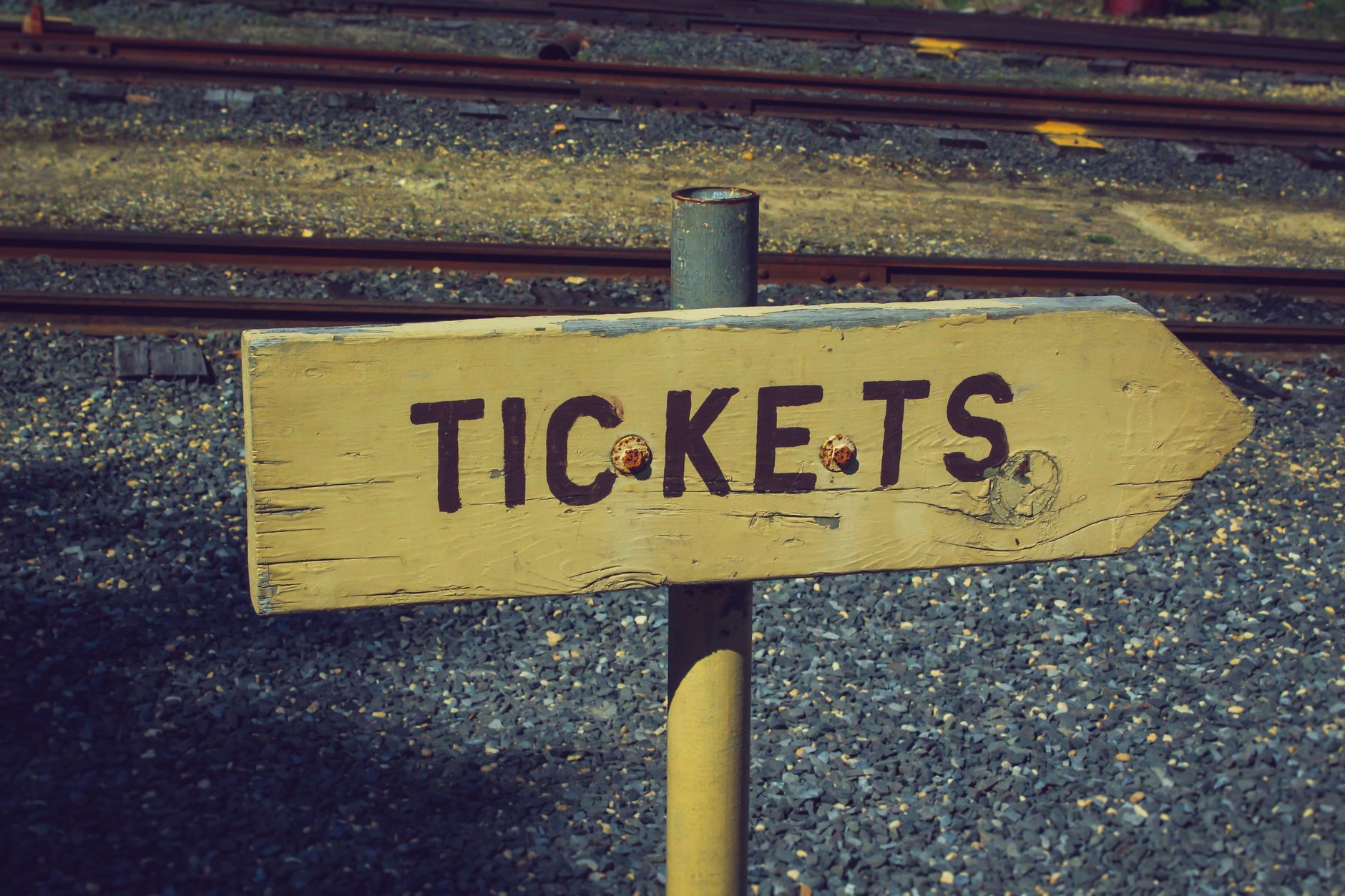
Prepaid tickets and reservations create a sunk-cost dynamic that keeps people moving through a schedule even after they have stopped enjoying it. Someone who paid $40 for a timed museum entry feels obligated to go even if they would rather sit in a cafe, because skipping it feels like wasting money already spent — even though the money is gone either way, and the only live decision is whether the museum is worth the next two hours of a finite vacation.
- Pre-booked reservations reduce anxiety about missing out but increase pressure to follow through regardless of mood or energy
- Overscheduled trips leave little room for the kind of unplanned detour that people later describe as the best part of a trip
- Group trips compound the problem, since one person’s rigid itinerary becomes an obligation the whole group has to honor
What Actually Works Better

Travelers who report the highest satisfaction after a trip often describe a hybrid structure: two or three fixed anchor points per day, like a dinner reservation or a specific timed ticket, with open blocks of unstructured time in between. This preserves the psychological comfort of having a plan while leaving room for the kind of wandering that produces most people’s actual favorite travel memories.
The deeper issue is that over-planning is rarely about logistics. It is about anxiety management — a way of controlling an inherently uncertain experience in advance. The irony is that the resentment travelers feel toward their own itineraries is often resentment toward that same anxiety, projected onto a spreadsheet that was only ever trying to help. Loosening the plan doesn’t just create better trips. It requires tolerating the exact uncertainty the plan was built to avoid in the first place.
How to Actually Fix the Resentment Without Abandoning Planning

Travel researchers and experienced trip planners increasingly recommend a specific fix: rank each itinerary item by how much you’d genuinely regret missing it, then only hard-book the items in the top tier. A timed entry to a must-see landmark or a hard-to-get dinner reservation earns a fixed slot. Everything else — a second museum, a specific neighborhood walk, a particular viewpoint — stays flexible, treated as a good idea rather than a commitment.
This approach preserves the anticipation benefits of planning, since the researching and imagining still happens in advance, while removing the guilt mechanism that turns a missed activity into a failure rather than a simple trade-off. It also creates room for the kind of local recommendation or spontaneous detour that rigid itineraries structurally cannot accommodate, because every hour was already spoken for before the trip even started.
The deeper skill being described here isn’t really about travel logistics at all. It’s tolerance for uncertainty, applied to a domain — vacation — that people specifically chose because they wanted to feel present rather than managed. An itinerary that leaves room to feel present, rather than one that accounts for every hour, is the actual upgrade most over-planners are looking for and rarely realize they can give themselves.
Travelers who build in deliberate slack, rather than eliminating planning altogether, consistently report a stronger trip overall — the comfort of having thought ahead, paired with enough open time that a good trip can still surprise them.