The Hotel Front Desk Agent Can Upgrade Your Room in Ten Seconds. They Cannot Make a Sold-Out Hotel Un-Sold-Out
We may earn money or products from the companies mentioned in this post. This means if you click on the link and purchase the item, I will receive a small commission at no extra cost to you ... you're just helping re-supply our family's travel fund.
Every seasoned traveler has a theory about how to get a free upgrade at a hotel front desk — be polite, mention a special occasion, ask nicely at check-in during a slow afternoon. Some of it works. Almost none of it works the way people assume, because it fundamentally misunderstands what a front desk agent actually controls.
What They Genuinely Can Do
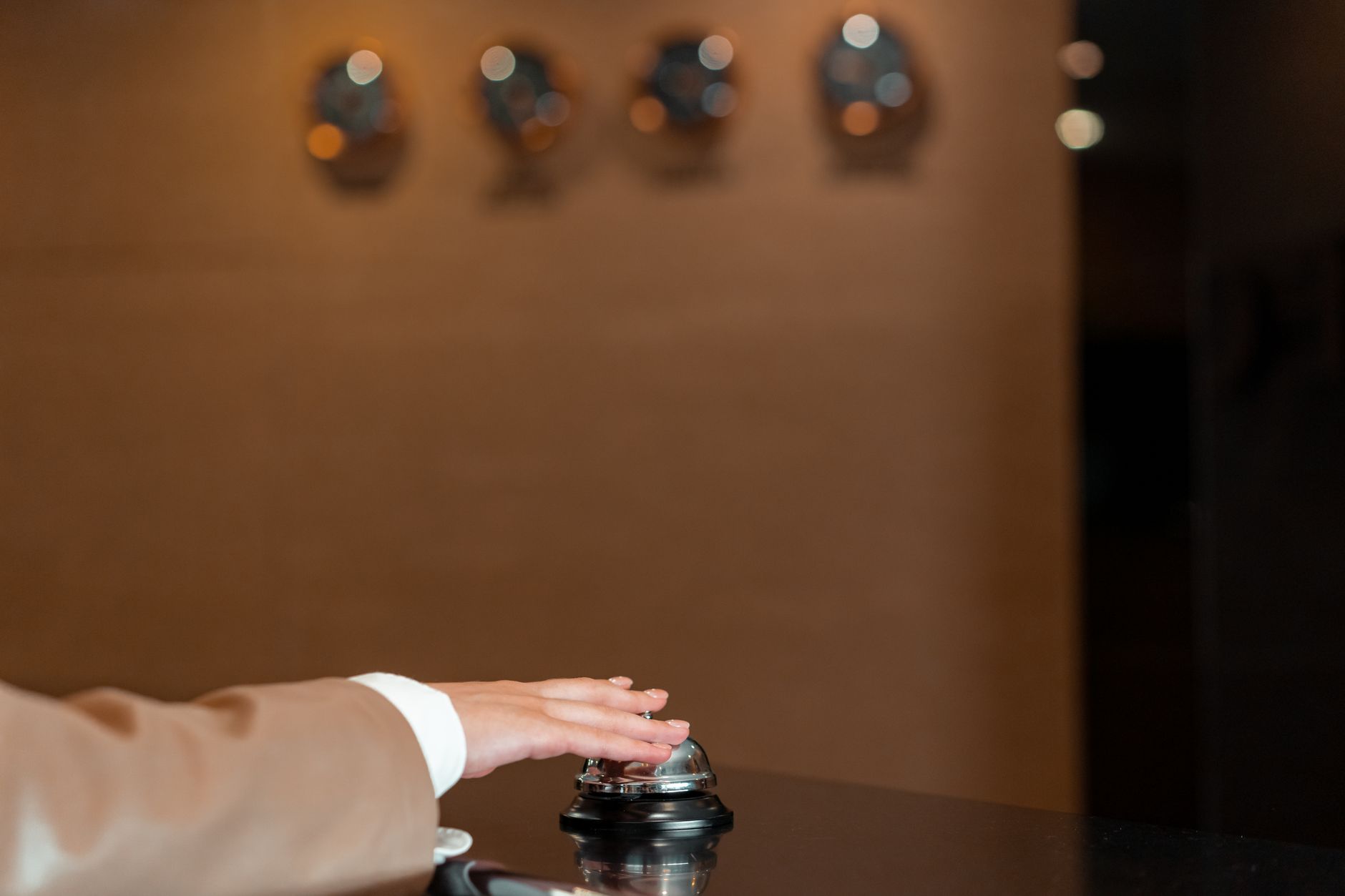
A front desk agent typically has real-time visibility into which rooms are physically unoccupied and unassigned at that moment, and most mid-size and large hotels give front-line staff some discretion to move a guest into a better available room at no charge, particularly during slower periods. Agents can also often waive small fees — a parking charge, an early check-in fee, a resort fee in some cases — especially if a guest has a loyalty account or has had a documented problem during the stay.
- Room upgrades to a better view or higher floor, when inventory allows
- Waiving minor fees like late checkout or parking, within manager-set limits
- Adding small loyalty-program perks like bonus points or a welcome amenity
- Overriding a room assignment to accommodate a specific request, like connecting rooms or a quieter hallway
What They Cannot Do, No Matter How Nicely You Ask
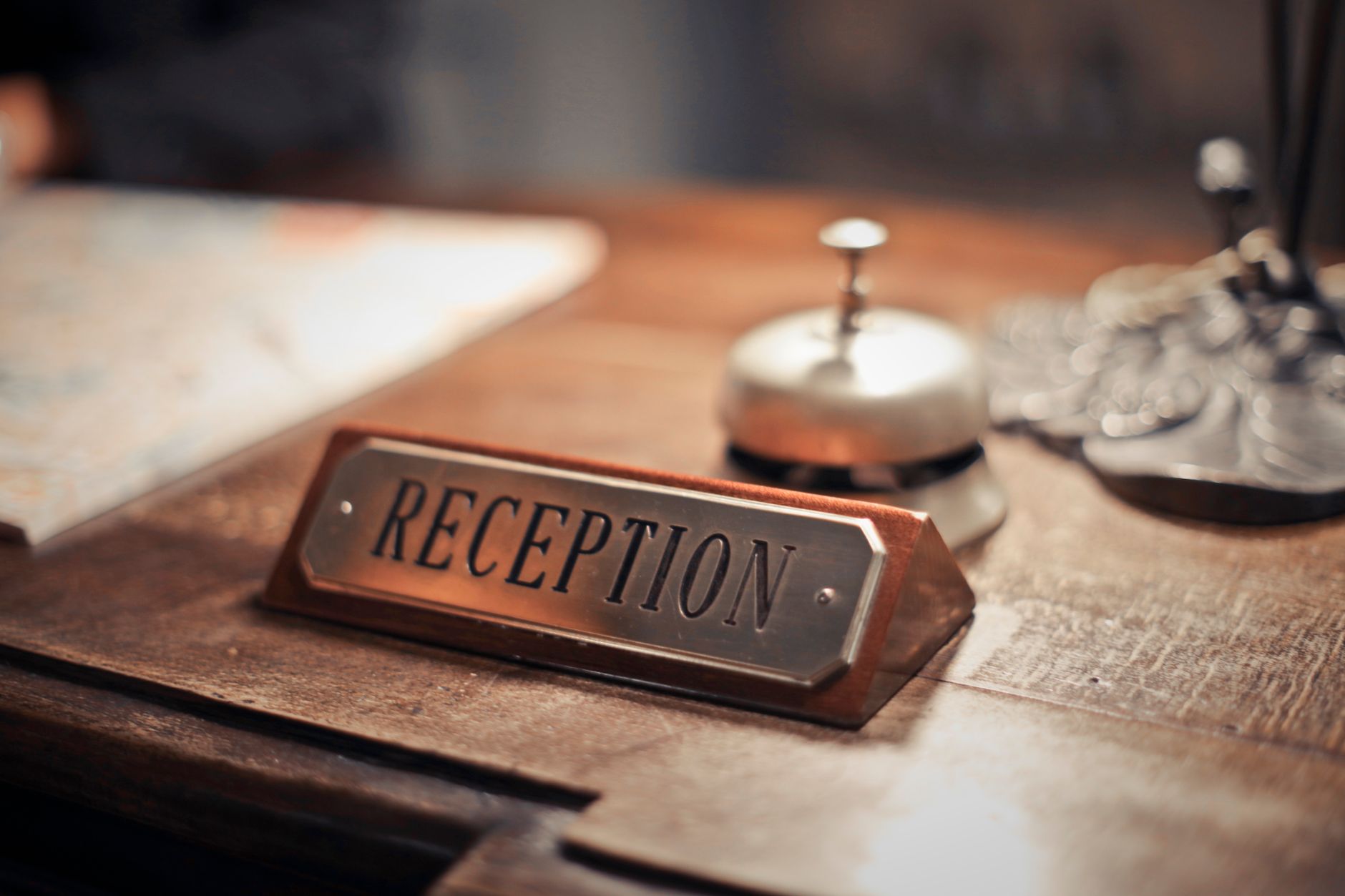
A front desk agent cannot manufacture inventory that does not exist. If a hotel is sold out, it is sold out — no amount of charm, complaint, or loyalty status changes the physical number of rooms in the building. Agents also generally cannot override the contracted rate a guest booked through a third-party site like Expedia or Booking.com, because that rate is set by an agreement between the hotel and the booking platform, not by the person standing at the desk.
The Manager-Only Decisions
Major rate adjustments, comping an entire stay, or resolving a serious service failure typically require manager approval, which is why persistent complaints often get escalated rather than resolved on the spot. Front desk agents are frequently empowered to offer a modest gesture — a free breakfast voucher, a small credit — but larger compensation almost always needs sign-off from a manager on duty or, for chain hotels, follows a scripted resolution matrix set by corporate guidelines.
Why Timing Changes What Is Possible

Checking in during a slow afternoon, well after checkout time but before the evening rush, gives an agent the clearest possible view of which rooms are genuinely open and unassigned, which is exactly when upgrade requests are most likely to succeed. Checking in during a fully booked weekend leaves an agent with essentially no discretion, regardless of how the request is phrased, because there is nothing available to move a guest into.
What Actually Moves the Needle
Loyalty program status matters more than almost anything else, because most chains build automatic upgrade eligibility directly into elite tiers, taking the decision out of an individual agent’s hands entirely. A documented service issue earlier in the stay — a broken air conditioner, a noise complaint — also creates a legitimate, trackable reason for compensation that goes beyond a front desk agent’s personal discretion and into a hotel’s formal service-recovery process.
Being polite genuinely helps, mostly because agents have wide discretion over how much effort they put into finding a workaround, and a rude guest gives them every reason to do the legal minimum. But politeness unlocks effort within existing constraints. It does not unlock rooms that were never available in the first place.
Why the Myths Persist Anyway

Online travel forums are full of specific scripts people swear guarantee an upgrade — mentioning an anniversary, asking a particular question a particular way, timing a request for a particular time of day. Most of these work only insofar as they happen to align with genuine availability at that specific moment, which creates a survivorship bias: people whose polite request happened to coincide with open inventory remember and repeat the technique, while people who tried the identical approach at a sold-out property and got nothing rarely post about the failure.
Hotel staff themselves have described the actual decision process as far less mysterious than travelers assume: check the property management system for unsold or unassigned inventory in a higher category, weigh it against expected same-day arrivals and walk-in risk, and make a judgment call. A guest’s tone and manner affects how much effort an agent puts into that judgment call, but it does not change what the system shows as available.
The most reliable lever remains structural rather than interpersonal: loyalty status that contractually guarantees upgrade eligibility when inventory allows, booking directly with the hotel rather than through a third party so the property has full rate flexibility, and simply choosing travel dates and times when hotels run below full occupancy. None of that requires a clever line at check-in. It just requires understanding what was actually possible before you ever walked up to the desk.