Jackson, Mississippi Gets Left Out of Every Southern Travel Conversation. Here’s Why That’s Starting to Change
We may earn money or products from the companies mentioned in this post. This means if you click on the link and purchase the item, I will receive a small commission at no extra cost to you ... you're just helping re-supply our family's travel fund.
The Southern travel circuit runs through Nashville, New Orleans, Savannah, Charleston, Memphis, and Atlanta. Jackson, Mississippi — the state capital, the largest city in the most-maligned state in America — gets left out almost entirely. Which means that one of the most extraordinary civil rights history sites in the country, a genuinely world-class natural history museum, and a food culture that sits at the intersection of Delta blues and Delta cuisine receives almost no out-of-state visitor attention. Here’s the case for changing that.
What Jackson Has That No Other City Can Offer
The Mississippi Civil Rights Museum opened in 2017 and is, by most measures, one of the most important civil rights museums in the country. It shares a campus with the Museum of Mississippi History, and the paired experience — understanding Mississippi’s history alongside its civil rights movement — creates a context that the Montgomery, Birmingham, or Memphis civil rights museums don’t provide in the same way. The museum’s immersive installation work is genuinely affecting. It opened to national recognition and has been consistently undercrowded relative to its significance because it’s in Jackson.
The Mississippi Museum of Natural Science, a state-operated natural history museum in LeFleur’s Bluff State Park, contains a 100,000-gallon aquarium displaying Mississippi river ecosystems alongside extensive collections of fossils, birds, and wildlife. It consistently surprises visitors who expect a regional museum and find a facility with genuinely impressive scope. Admission is $8 for adults, $4 for children — pricing that hasn’t caught up to the quality.
The Food Culture That Starts Here and Runs Through the Delta
Jackson sits at the edge of the Mississippi Delta, the flatland of the northwest that produced blues music and arguably the deepest Southern food culture in the United States. The catfish, the tamales (a Mississippi Delta specialty with Mexican-American history that most people don’t know exists), the smoked meat, and the biscuit culture that runs through Jackson’s diners and soul food restaurants connect to something that New Orleans’ tourist restaurant infrastructure cannot provide.
Worth seeking out in Jackson:
- Big Apple Inn: Hot tamales and pig ear sandwiches since 1939, Farish Street Historic District
- Saltine: New Southern cuisine that’s drawn national recognition
- Walker’s Drive-In: Long-running Jackson institution, consistently excellent
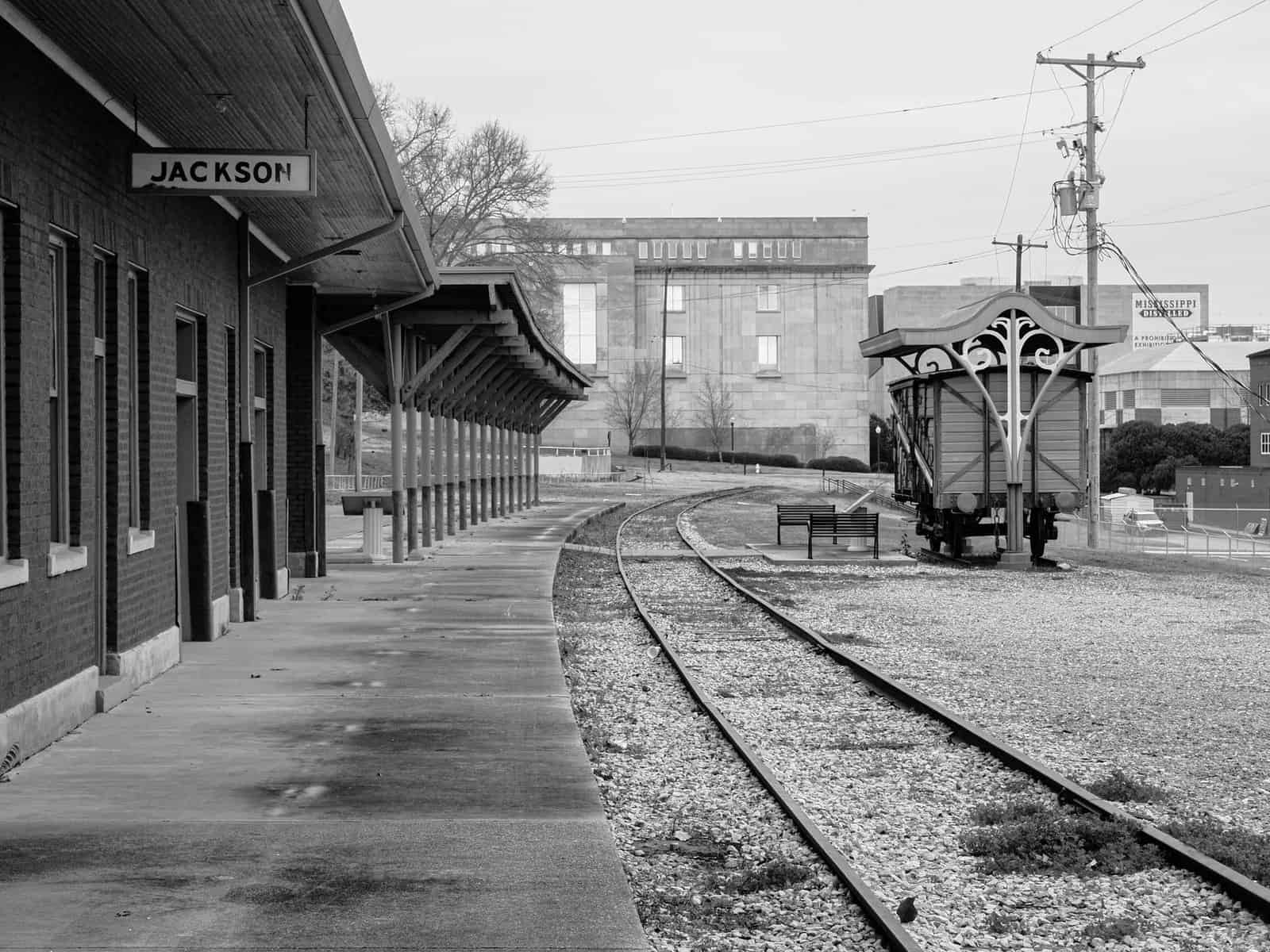
- The Iron Horse Grill: Live music venue in a renovated railroad depot building
The Honest Context
Jackson’s challenges are real and not obscured by the tourism case. The city has significant poverty, a violent crime rate that puts it in the upper tier of US cities by that measure, an infrastructure crisis that included a water system failure in 2022, and a population that has declined substantially. These aren’t background context to minimize — they’re the reality of the city that the Civil Rights Museum sits in, which actually reinforces rather than undermines the reasons for visiting.
A well-planned two-day visit to Jackson — focused on the civil rights and natural history museums, a day drive into the Delta to Clarksdale (the blues crossroads, 90 minutes north), the food culture on Farish Street — is one of the more historically meaningful trips available in the American South, at prices that are among the most affordable in any comparably rich cultural destination. Jackson rewards the traveler who goes specifically for what it has rather than despite what it lacks.
Jackson, Mississippi’s Cultural Story
Jackson’s story cannot be understood separately from its civil rights history. The State Capitol building’s south steps are where Medgar Evers was assassinated in 1963 — the NAACP field secretary who organized voter registration drives in Mississippi when doing so required physical courage. The Medgar and Myrlie Evers Home National Monument, a modest house on Guynes Street preserved exactly as it was on the night of Evers’s death, is one of the most affecting sites in the American civil rights landscape. The Mississippi Civil Rights Museum, opened in 2017 and connected to the Mississippi Museum of Natural History on the Capitol grounds, is a nationally significant institution that documents Mississippi’s civil rights history with a seriousness and quality that places it among the best historical museums in the South.
The culinary culture that Jackson’s food writers have built their reputation on is rooted in the city’s African American community’s food traditions — tamales (a Delta food tradition with roots in the Mexican labor migration of the early 20th century), fried catfish, pork ribs with Delta-style sauce, and soul food traditions that have been served continuously in the same restaurants for generations. Bully’s Restaurant, Big Apple Inn, and Walker’s Drive-In are the specific addresses that travel writers recommend; the Big Apple Inn’s smoked sausage on a bun is the most specific Jackson food experience with the longest history.