Fredericksburg, Texas Had 10,000 People and a German Heritage Identity. Then Texas Wine Country Discovered It.
We may earn money or products from the companies mentioned in this post. This means if you click on the link and purchase the item, I will receive a small commission at no extra cost to you ... you're just helping re-supply our family's travel fund.
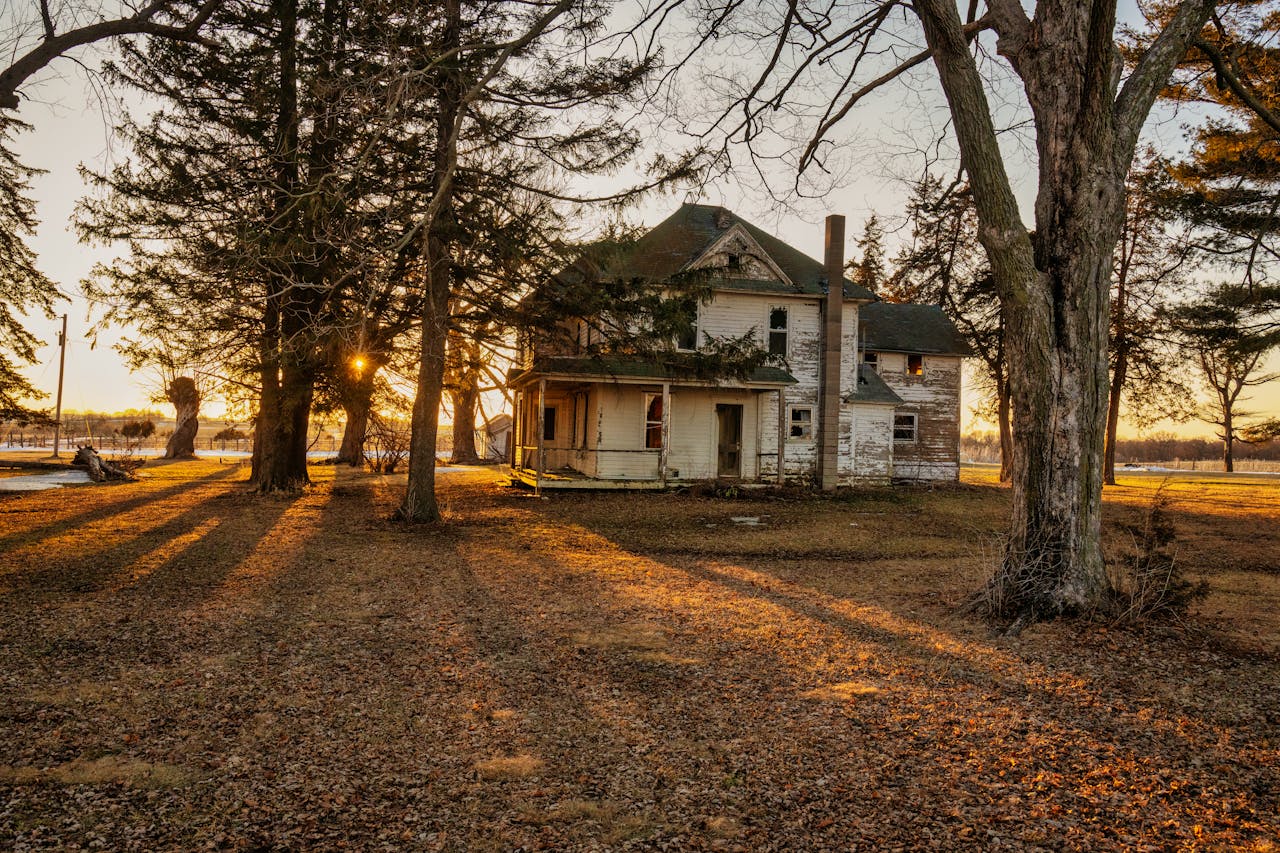
Fredericksburg, Texas, founded by German immigrants in 1846 in the heart of the Texas Hill Country, spent more than a century known primarily for its preserved German architecture, dance halls, and heritage festivals like Oktoberfest. Over the past two decades, the town has become something else entirely in the eyes of most visitors: the unofficial capital of Texas wine country, a shift that has reshaped its economy, its real estate market, and its relationship to the surrounding countryside more thoroughly than almost any single development in the town’s nearly 180-year history.
The Hill Country Wine Trail Became a Genuine Industry

The Texas Hill Country American Viticultural Area, which includes Fredericksburg and the surrounding Gillespie County, has grown into the second-largest wine-growing region in the United States by acreage, trailing only California’s Napa Valley, according to industry data compiled by real estate groups tracking the region’s growth, including the Keenan Group’s 2026 market analysis. Highway 290 running through Fredericksburg now hosts dozens of tasting rooms and vineyard properties, a corridor locals and visitors alike increasingly refer to informally as Texas’s own wine row, drawing comparisons the town would have found almost unimaginable a generation ago.
The Buyers Are Coming From Austin and Houston
Fredericksburg’s proximity to both Austin, roughly 75 miles east, and San Antonio, about 70 miles southeast, has made it an increasingly popular weekend and second-home destination for buyers from both metro areas, particularly as Austin’s own explosive growth has pushed some residents to look further afield for vacation property investment. Vineyard-adjacent land and homes with any Hill Country view have seen some of the sharpest price appreciation in the broader region, with wine tourism functioning as a genuine driver of real estate demand in a way that heritage tourism alone, however durable, never quite generated on the same scale.
What Old-Timers Say Changed
Longtime Fredericksburg residents and business owners, many descended from the original German settler families whose surnames still appear on downtown storefronts, describe a town where Main Street traffic has shifted from primarily heritage-tourism day-trippers to a denser, more upscale weekend crowd centered around wine tasting itineraries, often paired with the town’s well-established bed and breakfast inventory, one of the highest concentrations per capita of any small Texas town. Small business owners have generally welcomed the wine-driven traffic increase, though some have voiced the familiar concern heard in other small towns experiencing rapid tourism growth: rising commercial rents on Main Street increasingly favor businesses that can command wine-tourist-era prices over the more modest heritage shops and family-owned restaurants that defined downtown for generations.
- Texas Hill Country AVA is the second-largest wine region in the US by acreage
- Highway 290 corridor now hosts dozens of tasting rooms and vineyard properties
- Proximity to Austin (75 miles) and San Antonio (70 miles) drives weekend and second-home demand
- German heritage identity, Oktoberfest and historic architecture, persists alongside the newer wine identity
Two Identities Coexisting, Not Always Comfortably
Fredericksburg’s annual Oktoberfest and its historic Vereins Kirche museum still draw a heritage-tourism crowd distinct from the wine-country visitor base, and the town has generally managed to accommodate both audiences without one fully displacing the other, unlike some tourism transitions where an older identity gets pushed out entirely by a newer, more profitable one. Local business associations have made some effort to market the town’s dual identity intentionally, positioning Fredericksburg as offering both a genuine German heritage experience and a wine country weekend within the same visit, an approach that has helped soften what could otherwise have been a more disruptive cultural transition.
The Water Question Underneath the Wine Boom
Vineyard expansion across the Hill Country has drawn increasing scrutiny from regional water management authorities, since the area’s aquifer-dependent water supply faces genuine strain from a combination of agricultural irrigation, population growth, and periodic Texas drought conditions. Wine industry growth, while economically beneficial to Fredericksburg, adds another layer of water demand to a region already managing competing agricultural, residential, and tourism-related needs, a tension local water districts have flagged as an area requiring long-term planning even as the wine tourism boom itself shows few signs of slowing down in the near term.
How the Wineries Themselves Describe the Growth
Winery owners along the Highway 290 corridor frequently describe the region’s growth trajectory in strikingly similar terms to how Napa Valley operators describe California wine country’s own development in the 1970s and 1980s, a scrappy handful of early pioneering vineyards in the 1970s and 1980s establishing proof of concept, followed by a much larger wave of institutional and out-of-state investment arriving once the region’s viability became clear to outside capital. That comparison is one industry observers make deliberately and often, since several Texas Hill Country vineyard owners have explicitly cited Napa’s growth pattern as both an inspiration and a cautionary tale about the land price escalation and small-producer displacement that tends to follow once a wine region achieves national recognition.
Fredericksburg’s particular advantage over some other emerging American wine regions is its pre-existing tourism infrastructure, built over more than a century around German heritage tourism, which gave the wine industry a functioning base of hotels, restaurants, and visitor services to build on rather than having to construct an entire tourism economy from nothing. That head start is likely part of why Fredericksburg’s wine-driven growth happened faster and more visibly than in some other emerging American wine regions that lacked any comparable existing tourism base to build from.
Local hospitality operators in Fredericksburg have adapted quickly to the wine tourism calendar, which runs on a noticeably different rhythm than the town’s traditional heritage-tourism season, since wine tasting traffic peaks heavily on weekends throughout most of the year rather than concentrating around specific heritage festival dates like Oktoberfest. That shift toward a more consistent, weekend-driven visitor pattern has given many local restaurants and lodging operators a steadier, more predictable revenue base across more of the calendar year than heritage tourism alone historically provided, even as it has introduced its own new pressures on weekend traffic congestion along Main Street that town planners have had to address through updated parking and shuttle programs.