Laramie, Wyoming Has 31,000 People and a Tragedy Most Outsiders Know It For. The Town Itself Looks Nothing Like That Story Anymore.
We may earn money or products from the companies mentioned in this post. This means if you click on the link and purchase the item, I will receive a small commission at no extra cost to you ... you're just helping re-supply our family's travel fund.
For most people outside Wyoming, the name Laramie is inseparable from a single event: the 1998 murder of Matthew Shepard, a 21-year-old gay University of Wyoming student who was beaten and left to die outside town, a crime that became a symbolic flashpoint for a nationwide campaign against anti-LGBTQ hate crimes and was later dramatized in the widely performed play “The Laramie Project.” That association, now more than 25 years old, still shapes how most Americans who have never visited think of the town, even as Laramie itself has changed substantially in the decades since.
A University Town That Empties Out Every Summer
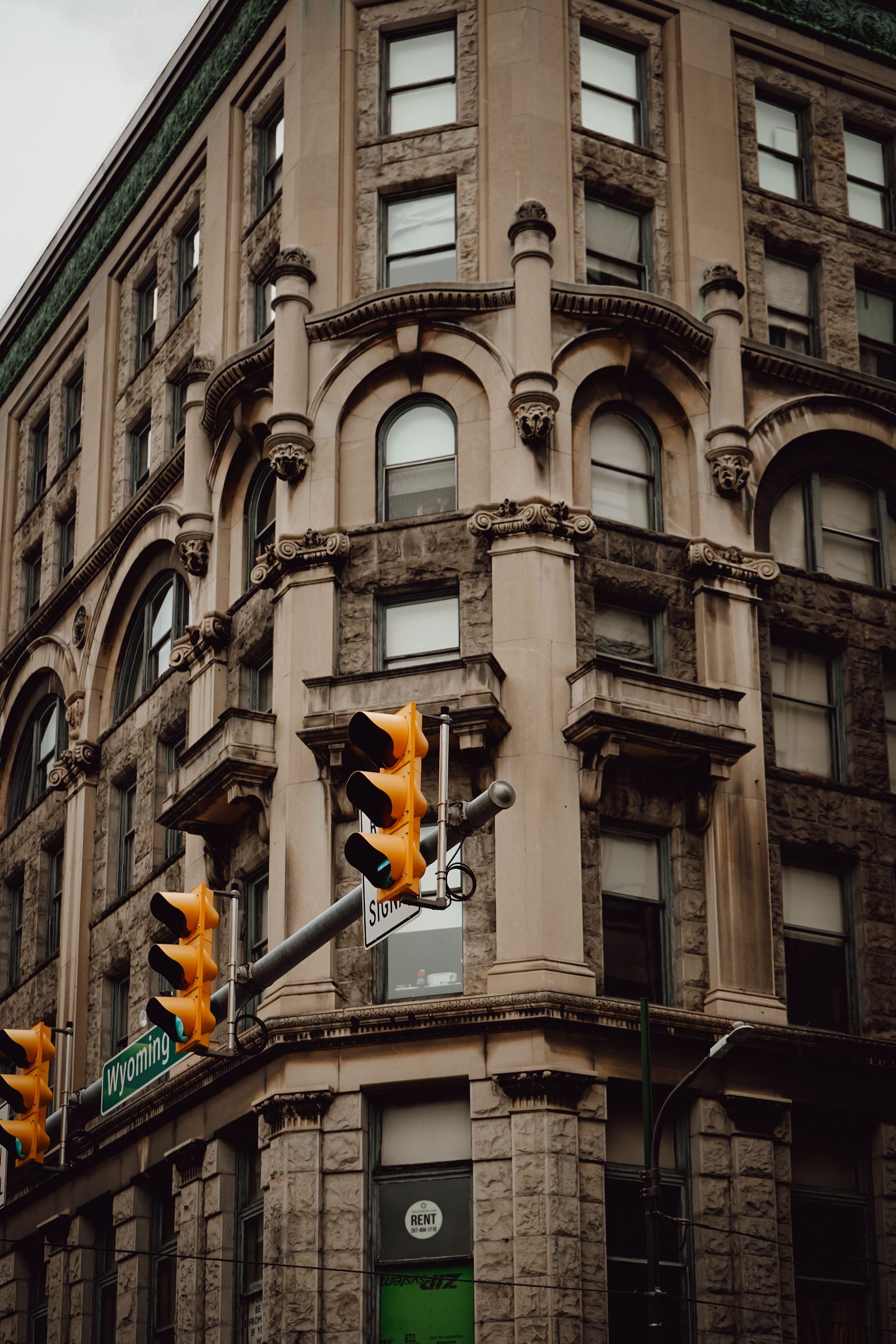
Laramie’s population sat at 31,407 as of the 2020 census, according to Wikipedia’s demographic data, making it the fourth-most populous city in Wyoming, a state with fewer than 600,000 residents total, the least populous state in the country. The University of Wyoming, the state’s only four-year public university, drives much of the town’s identity and economy, with an enrollment historically around 13,000 students that swells the town’s population noticeably during the academic year and empties it out again each summer, a rhythm longtime residents describe as giving Laramie a genuinely different feel depending on the season, quiet and sleepy in July, densely energetic every fall when classes and football season begin simultaneously.
“Live and Let Live” Was Already the Town’s Motto
One detail frequently lost in the national narrative around Shepard’s murder is that Laramie residents already broadly identified with a “live and let live” ethos before 1998, a self-conception the crime brutally complicated rather than created from nothing. The town’s response in the years since has included forming a stronger, more visible LGBTQ+ community infrastructure than its size might suggest: an annual Pridefest, a dedicated queer archive collection held partly through the university’s American Heritage Center, and a documented, actively maintained LGBTQ+-friendly business community that has developed specifically in the shadow of, and partly in response to, the town’s association with the tragedy.
The Physical Setting Rarely Makes It Into the National Story
Laramie sits at 7,200 feet elevation in a high plains valley between two mountain ranges, the Laramie Range and the Snowy Range, roughly 130 miles from Denver and 45 miles from the state capital in Cheyenne. The setting gives the town genuine access to serious outdoor recreation, alpine lakes, backcountry skiing, and trailheads within a short drive, that rarely factors into how outsiders picture a place they primarily associate with a single act of violence. The Wyoming Territorial Prison State Historic Site, where infamous outlaw Butch Cassidy once served time, adds a layer of frontier history that predates the university by decades and gives the town a tourism identity entirely separate from either its academic role or its association with Shepard’s murder.
- Population: 31,407 as of the 2020 census, fourth-largest city in Wyoming
- University of Wyoming enrollment historically around 13,000 students
- Elevation of 7,200 feet, situated between two mountain ranges
- Wyoming still had no state-level hate crimes law as of 2023, despite Shepard’s case prompting federal legislation in 2009
The Legal Gap That Still Exists
Shepard’s murder directly led to the federal Matthew Shepard and James Byrd Jr. Hate Crimes Prevention Act, signed into law in 2009, expanding federal hate crime protections to include sexual orientation and gender identity. Wyoming itself, however, still has no equivalent state-level hate crimes statute, having failed to pass such legislation as recently as March 2021, an irony not lost on LGBTQ+ residents and advocates in Laramie, who point out that the town most associated internationally with prompting federal hate crimes reform sits in a state that has never passed comparable protections of its own.
What Visiting Laramie Actually Looks Like Today
A visitor to modern Laramie encounters a functional, unpretentious college town: a walkable downtown with a mix of Western-heritage storefronts and university-adjacent coffee shops and breweries, a football stadium that genuinely empties the rest of the town on home game Saturdays, and a surrounding landscape of high plains and mountains that draws hikers and skiers largely unaware of, or several decades removed from, the town’s association with the Shepard case. The “Laramie Project” remains widely performed in theaters and schools across the country, ensuring the town’s name stays permanently linked to that history for new generations encountering the story for the first time, even as the town itself has spent a quarter century building an identity that reflects a considerably more complicated and, in many respects, more hopeful present.
The Play That Keeps the Story Alive for New Generations
“The Laramie Project,” developed by the Tectonic Theater Project through interviews with more than 200 Laramie residents conducted in the months following Shepard’s murder, has become one of the most frequently produced plays in American high school and college theater since its 2000 premiere, ensuring that new generations of students encounter the town’s name attached to this specific history decades after the crime itself occurred. The play’s structure, built entirely from real interview transcripts rather than a traditional dramatized script, gives audiences an unusually direct window into how the town itself processed the crime in real time, including uncomfortable moments of denial, defensiveness, and genuine grief captured from actual residents rather than composite characters.
A follow-up work, “The Laramie Project: Ten Years Later,” revisited the same residents a decade on, documenting how the town’s relationship with its own history had shifted, and that longitudinal structure is part of why Laramie’s story has remained unusually durable in American cultural memory compared to other hate crimes that received significant news coverage at the time but faded from public discussion much faster. For the town itself, that permanence is a mixed inheritance: a continuing reminder of tragedy, but also a documented record of genuine, sustained civic reflection that few American towns facing a comparable crisis have undertaken so publicly or for so long.
The University of Wyoming’s American Heritage Center has also taken on a specific archival role in preserving materials related to Shepard’s case and its aftermath, working alongside LGBTQ+ community organizations to ensure the historical record includes not just the crime itself but the town’s subsequent decades of civic reckoning and community-building. That institutional commitment to preserving a fuller, more complicated history, rather than letting the story flatten into a single tragic headline, is itself part of what distinguishes Laramie’s relationship with its most difficult chapter from how many other towns tend to handle a single defining, painful event in their history.