Gulf Shores and Orange Beach Made Alabama $923 Million in 2025. Most Americans Still Don’t Know Alabama Has a Beach.
We may earn money or products from the companies mentioned in this post. This means if you click on the link and purchase the item, I will receive a small commission at no extra cost to you ... you're just helping re-supply our family's travel fund.
Alabama’s beach tourism industry generated a record $923 million in 2025, according to figures reported by regional tourism industry coverage, a figure that surprises most Americans who don’t associate Alabama with coastline at all. Gulf Shores and Orange Beach, the state’s two primary beach towns along a roughly 32-mile stretch of Gulf of Mexico shoreline, have steadily built one of the busiest beach tourism economies in the Southeast, drawing overwhelmingly from a regional visitor base in Alabama, Mississippi, Tennessee, and Georgia rather than the national audience Florida’s beaches attract.
Alabama’s Coastline Is Short But Genuinely Nice
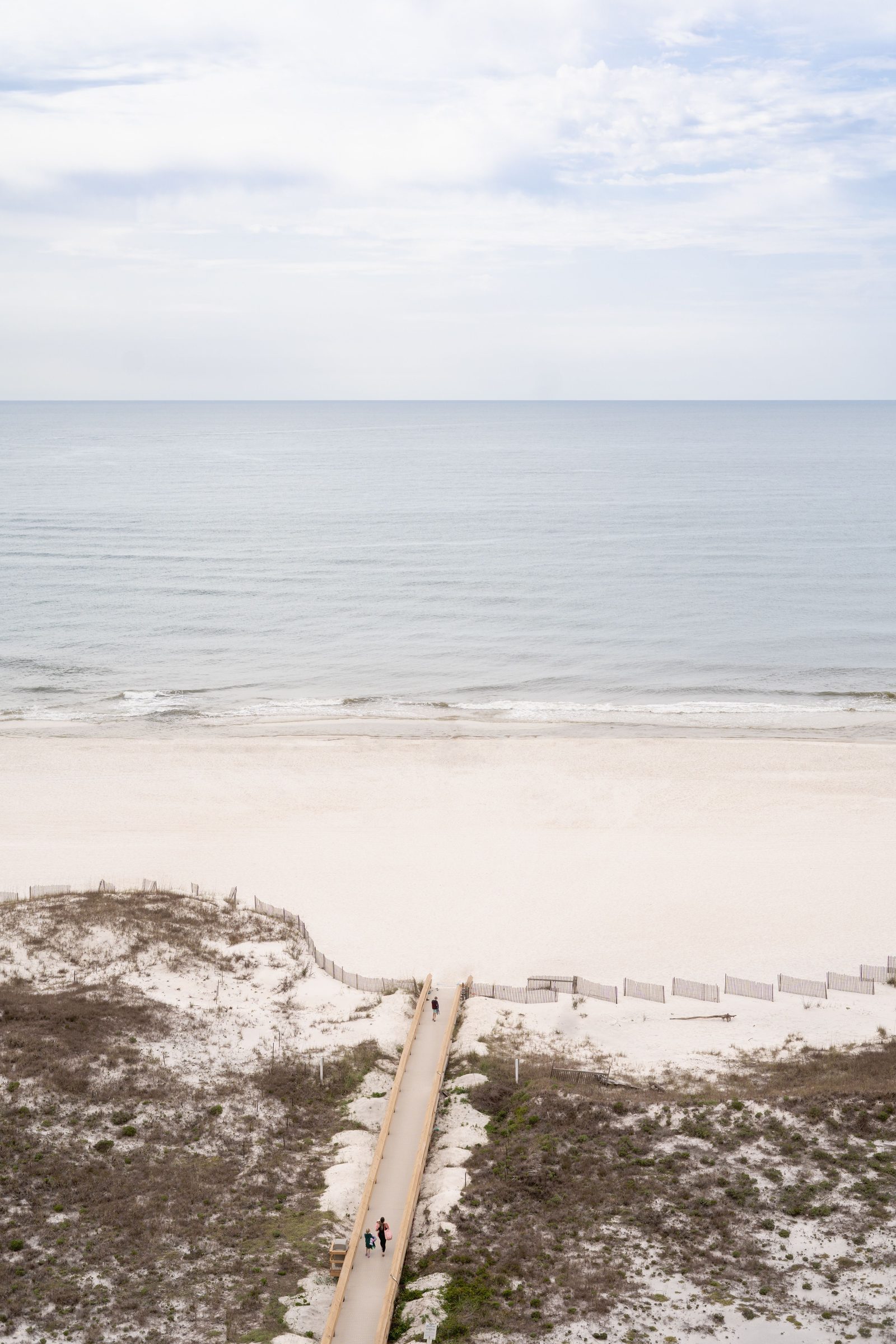
Gulf Shores and Orange Beach sit on a barrier island system with genuinely white quartz sand, geologically similar to the sand found along Florida’s Emerald Coast in Destin and Panama City Beach, since both regions share the same Appalachian-derived quartz sediment carried down over millennia. This gives the Alabama coast a beach quality that surprises first-time visitors expecting something lesser than its more famous Florida neighbors just a short drive east, and it’s a major reason the region has been able to build a genuine, repeat-visitor tourism economy rather than functioning purely as an overflow option for Florida-bound travelers.
Gulf Shores and Orange Beach Split the Personality
Gulf Shores, the larger and more family-oriented of the two towns, has built its identity around a busier public beach scene, family attractions, and a downtown area anchored by installations like The Hangout, while Orange Beach, further east toward the Florida state line, leans into a slightly more upscale identity built around deep-sea fishing charters, marina developments, and condo towers that cater more to a returning second-home and long-stay vacation rental crowd. Together the two towns earned the top spot among Alabama’s most-visited tourism attractions in a recent ranking by the Alabama Tourism Department, ahead of any inland attraction in the state.
Fairhope Is the Quieter, More Historic Alternative
Fairhope, situated on Mobile Bay rather than directly on the Gulf, offers a distinctly different Alabama coastal experience: a historic, artsy small town founded in 1894 as a single-tax utopian community, with a walkable downtown, a well-regarded arts scene, and a bluff-top pier park overlooking the bay rather than open Gulf water. Travel + Leisure’s coverage of the town frames it as a genuinely distinct alternative to the beach-resort identity of Gulf Shores and Orange Beach, appealing more to visitors seeking small-town charm and bay sunsets over sand and surf, and Fairhope has increasingly attracted retirees and remote workers specifically drawn to that slower, more historic character.
- Alabama beach tourism generated a record $923 million in 2025
- Gulf Shores and Orange Beach share white quartz sand geologically similar to Florida’s Emerald Coast
- Gulf Shores: family-oriented, busier public beach identity
- Orange Beach: upscale fishing and marina culture, more condo and long-stay rentals
- Fairhope: historic bay-side alternative founded as a single-tax utopian community in 1894
Why the Rest of the Country Barely Knows This Exists
Alabama’s beach towns have historically underinvested in national marketing relative to Florida’s massive, decades-long tourism advertising apparatus, and the state’s brief 32-mile coastline is genuinely easy for a national travel audience to overlook when scanning a map of the Gulf Coast dominated visually by Florida’s much longer shoreline. Alabama tourism officials have become more aggressive about national marketing in recent years, aware of the disconnect between the region’s actual visitor revenue and its national name recognition, but longtime regional visitors, many of whom return year after year specifically from inland Southern states, have generally been content with the coast remaining a comparatively lower-key, less nationally hyped destination than its Florida panhandle neighbors just a short drive away.
The Hurricane Risk Locals Live With Every Season
Both Gulf Shores and Orange Beach sit directly in the Gulf’s hurricane corridor, and the region has weathered several major storms over the past two decades, including significant damage from Hurricane Ivan in 2004 and Hurricane Sally in 2020, each of which triggered substantial rebuilding cycles along the beachfront. That rebuilding has generally trended toward larger, more storm-resistant, and more expensive construction, following a pattern seen in other hurricane-prone coastal tourism markets, and local officials have had to balance the area’s continued growth as a tourism destination against the very real, recurring cost of storm recovery that comes with building a beach economy directly in one of the more active hurricane zones in the continental United States.
The Snowbird Season Nobody Outside the Region Talks About
Beyond the peak summer beach season, Gulf Shores and Orange Beach also support a substantial winter “snowbird” population, retirees and long-stay visitors from colder Midwestern and Northern states who rent condos for weeks or months at a time to escape winter weather, a demand pattern that gives the region a second, quieter tourism economy running almost opposite the summer peak. This snowbird season has become an increasingly important economic stabilizer for local businesses that would otherwise face a much sharper seasonal revenue cliff after Labor Day, and several condo developments along the coast have specifically marketed extended winter-stay packages aimed at this exact demographic.
Local tourism officials have increasingly promoted this winter visitor base as evidence that the Alabama Gulf Coast has matured into a genuine year-round destination economy rather than a purely seasonal one, a distinction that matters considerably for the area’s long-term investment climate, since hotel and restaurant operators are more willing to invest in a market with dependable revenue across most of the calendar year than one that lives or dies on a single summer season.
The broader Alabama coastal economy has also benefited from state-level tourism marketing investment that has grown substantially over the past decade, with state officials increasingly framing the Gulf Shores and Orange Beach corridor as a centerpiece of Alabama’s overall tourism brand rather than a regional secondary attraction behind the state’s more historically marketed inland destinations. That elevated marketing priority has coincided with, and likely contributed to, the record visitor spending reported in 2025, suggesting the region’s growth reflects a deliberate, sustained state investment strategy rather than organic visitor discovery alone.