Everyone Who Visits Portland, Maine for a Weekend Talks About Moving There. Almost Nobody Actually Does It.
We may earn money or products from the companies mentioned in this post. This means if you click on the link and purchase the item, I will receive a small commission at no extra cost to you ... you're just helping re-supply our family's travel fund.
Portland, Maine has become something of a running joke among people who’ve visited it for a food-focused weekend: nearly everyone comes back talking seriously about relocating, and almost nobody follows through. The city, with a population just over 68,000, punches dramatically above its size in national food and lifestyle media coverage, regularly appearing on best-city and best-food-scene lists that would suggest a much larger metro area, and that gap between reputation and reality creates a very specific pattern of visitor infatuation that rarely survives contact with the actual logistics of moving there.
The Food Scene Reputation Is Not Exaggerated

Portland has earned a genuinely outsized reputation in the American food world relative to its size, with James Beard Award-nominated restaurants and chefs clustered in a walkable Old Port district that most visitors can cover entirely on foot over a single weekend. The city’s proximity to fresh Maine seafood, direct off the boats at the Portland Fish Exchange, combined with a strong farm-to-table movement drawing on the state’s agricultural land, gives its restaurant scene an ingredient quality that’s genuinely difficult for most other American cities its size to match, and food writers have pointed to that access as the structural reason Portland’s culinary reputation has stayed durable rather than being a passing media trend.
The Weekend Version Skips the Actual Cost of Living
A weekend visitor experiences Portland almost entirely within its most charming, walkable core, without ever confronting the housing market that has made the city one of the least affordable in New England relative to local wages, driven partly by genuinely limited buildable land on the peninsula the city’s downtown occupies and partly by demand from wealthy out-of-state buyers, particularly from Massachusetts and New York, purchasing second homes or relocating with remote-work salaries that far outpace what Portland’s own local economy typically supports. That mismatch between visitor experience and resident reality is a big part of why so many enthusiastic weekend visitors privately drop the idea once they actually run the numbers on a permanent move.
The Winter Nobody Mentions in the Instagram Posts
Portland’s food-and-waterfront reputation is built almost entirely on visits during late spring through early fall, and the city’s actual winter, five or more months of genuinely harsh New England cold, limited daylight, and a dramatically quieter tourism economy, rarely factors into the daydream a summer visitor takes home with them. Longtime Portland residents often note this gap specifically when asked about the city’s appeal to transplants: the version of Portland that goes viral on social media and inspires spontaneous relocation fantasies is a roughly five-month version of the city, and the other seven months require a genuine tolerance for cold, dark, and a much smaller day-to-day social and economic scene that the summer crowds don’t experience at all.
- Population just over 68,000, punching well above its size in national food media coverage
- Housing costs elevated by limited peninsula land and out-of-state buyer demand
- Tourism-driven economy shrinks dramatically outside the roughly May-through-October window
- Job market outside hospitality, healthcare, and a modest professional sector remains comparatively thin
The Job Market Is the Practical Dealbreaker
Beyond weather and cost of living, Portland’s job market outside of hospitality, healthcare systems like MaineHealth, and a modest professional services sector remains genuinely limited for a city its size, which means the people who do successfully relocate disproportionately skew toward remote workers who can bring an out-of-state income with them, or retirees who no longer need to solve the local employment puzzle at all. Younger transplants hoping to build a career locally, rather than simply relocate an existing remote job, tend to find the actual employment options considerably thinner than the city’s outsized cultural reputation would suggest, a mismatch that privately ends far more “I could totally live here” weekend conversations than any single, dramatic dealbreaker does.
The People Who Actually Do Move Tend to Fit a Specific Profile
The relocations that do succeed and stick tend to share a specific profile: an existing remote-capable income, a genuine tolerance for or even enthusiasm about harsh winters, and often a prior connection to New England or Maine specifically, whether through family, college, or repeated visits over many years rather than a single infatuated weekend. Real estate agents in the Portland area frequently describe fielding serious inquiries from out-of-state buyers immediately after a summer visit, only to see a large share of those inquiries fade once winter arrives back home and the practical math of the move, housing costs, job prospects, and five dark months a year, sets back in with its full weight.
The Islands and Ferry Routes That Rarely Make the Weekend Itinerary
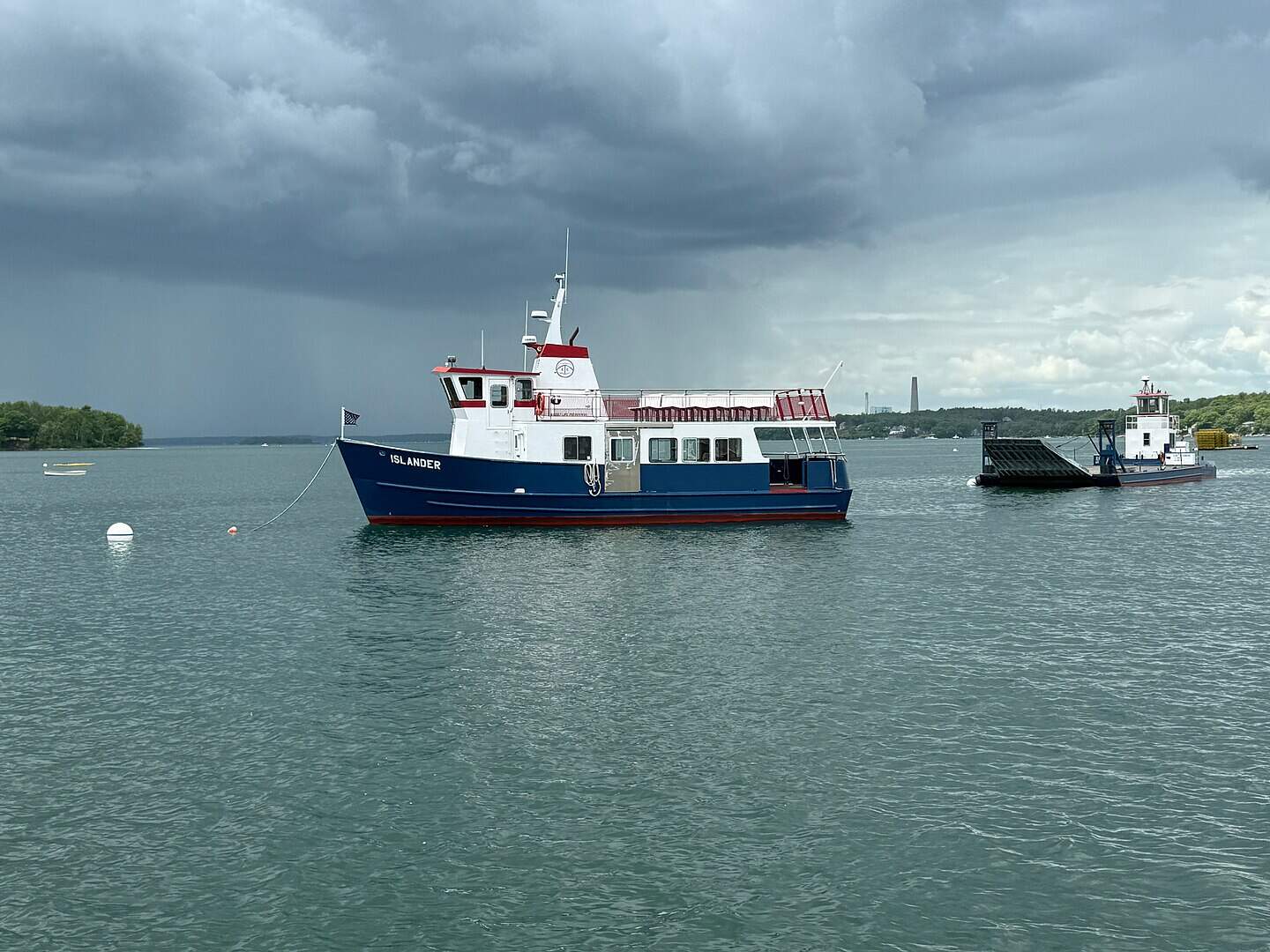
Casco Bay’s island chain, accessible by ferry directly from downtown Portland, adds another layer to the city’s appeal that weekend food-tour visitors frequently never get around to experiencing, since a proper island day trip typically requires an extra full day most two-night visitors simply don’t have. Peaks Island in particular has developed its own small year-round community distinct from Portland proper, and the broader Casco Bay ferry system represents a genuinely unusual amenity for a city this size, a real, functioning inter-island public transit network that few comparable American small cities can match.
Real estate agents in the greater Portland area note that prospective transplants who do eventually visit the islands, rather than staying confined to the Old Port, often develop a more realistic and more durable sense of what daily life in the region actually involves, since island and outer-neighborhood living patterns look considerably different from the concentrated, walkable tourist core most weekend visitors experience. That fuller picture, seen by relatively few of the enthusiastic weekend visitors who talk about moving to Portland, may be part of why the transplants who do follow through tend to have visited multiple times, across multiple seasons, before making the actual decision to relocate.
Portland’s healthcare sector, anchored by MaineHealth and Maine Medical Center, represents one of the more genuine year-round employment anchors the city offers beyond hospitality and tourism, and it’s frequently the sector that ends up employing the transplants who do successfully relocate without bringing a remote job with them. Housing advocates and city planning officials have specifically flagged the mismatch between the city’s healthcare-driven job growth and its constrained housing supply as a policy challenge the city continues to work through, since attracting and retaining healthcare workers depends partly on solving an affordability problem the peninsula’s limited buildable land makes difficult to fully resolve.