The Countries That Overwhelm First-Time Visitors All Get Easier by Day Three. Here Is Why That Is Not a Coincidence
We may earn money or products from the companies mentioned in this post. This means if you click on the link and purchase the item, I will receive a small commission at no extra cost to you ... you're just helping re-supply our family's travel fund.
Ask people who have traveled widely which countries genuinely overwhelmed them on arrival, and a short list comes up again and again: India, Morocco, Vietnam, Egypt. Ask the same people how they felt by the end of the trip, and the answer flips almost every time. The overwhelm is real. It is also remarkably predictable in how fast it fades.
What Overwhelm Actually Consists Of
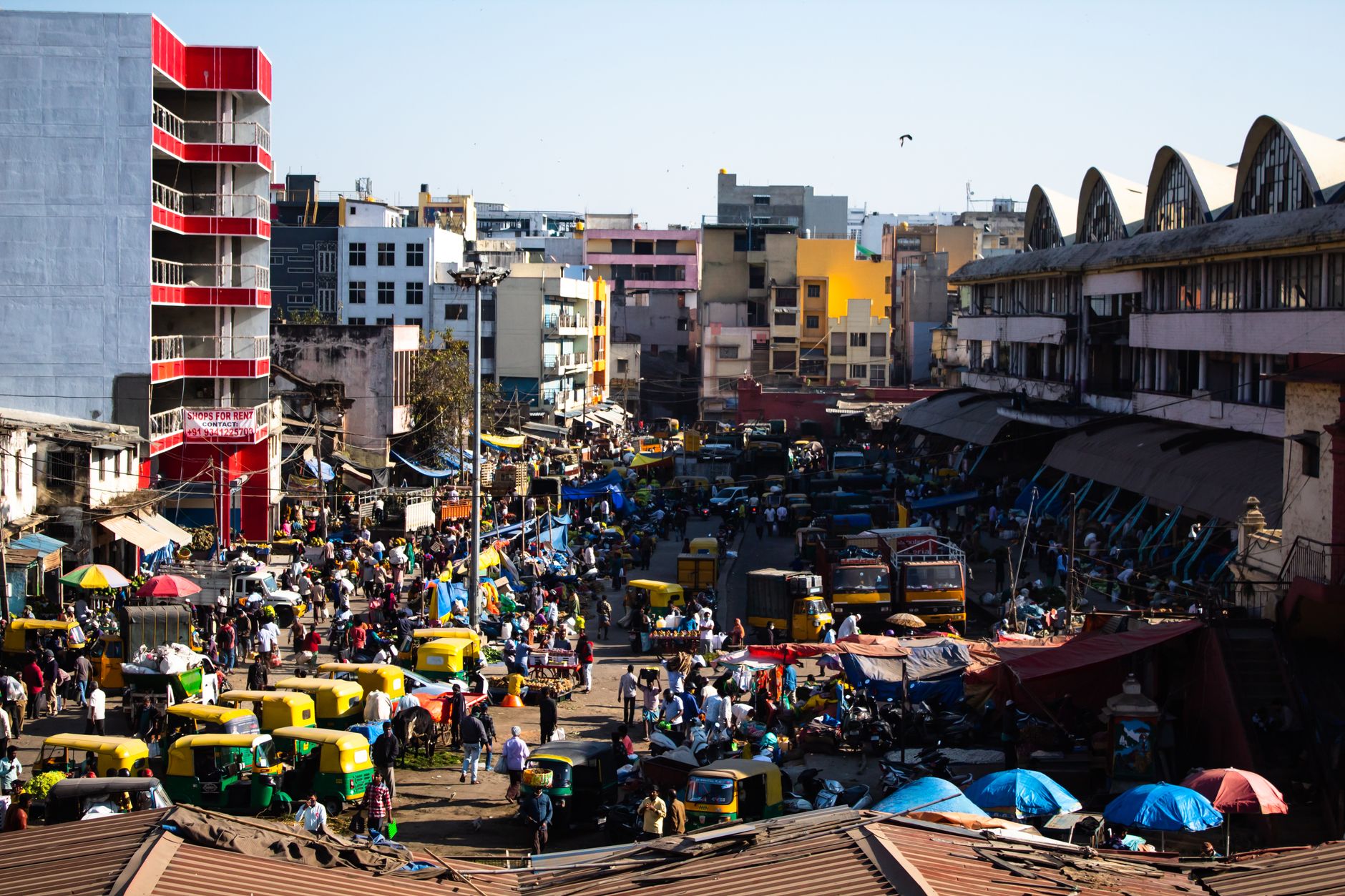
The disorientation first-time visitors describe in places like Delhi or Marrakech is rarely about danger — it is sensory and logistical: unfamiliar traffic patterns with no clear rules a Western visitor can immediately parse, persistent vendor attention in markets, currency and language barriers stacked on top of jet lag, and a pace of street life that runs faster and louder than most visitors’ home environments. None of that is inherently threatening. It is just a lot of novel information arriving at once, with no existing mental map to sort it into.
Why Day Three Is the Consistent Turning Point
Culture-shock researchers have long described a rough adjustment curve: an initial “honeymoon” burst of excitement, followed by a dip into disorientation and fatigue, followed by a recovery as the brain builds a working model of the new environment. For short-term travelers, that dip tends to land around day two or three, and it resolves largely because the brain has, by then, pattern-matched enough repeated experiences — how street crossing actually works, what a fair price actually is, which vendor interactions are routine rather than threatening — to stop treating every interaction as a fresh decision requiring full attention.
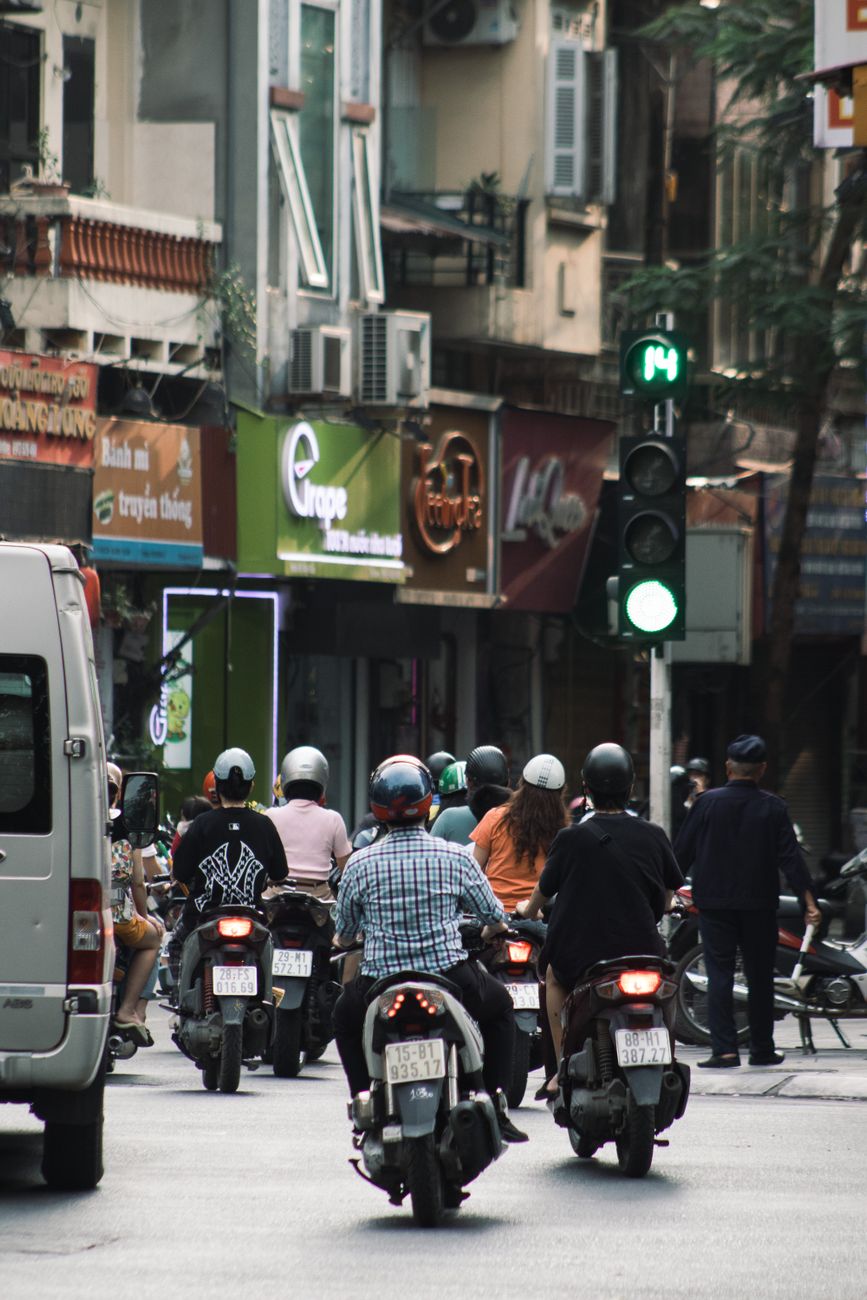
- Traffic that looks like chaos on day one reveals its own internal logic by day three, once a visitor has watched enough locals navigate it
- Haggling in markets shifts from stressful to almost enjoyable once a visitor has a rough sense of fair local pricing
- Language barriers ease as visitors pick up a handful of functional phrases and learn to rely on gesture and context
The Countries That Show Up on Every List
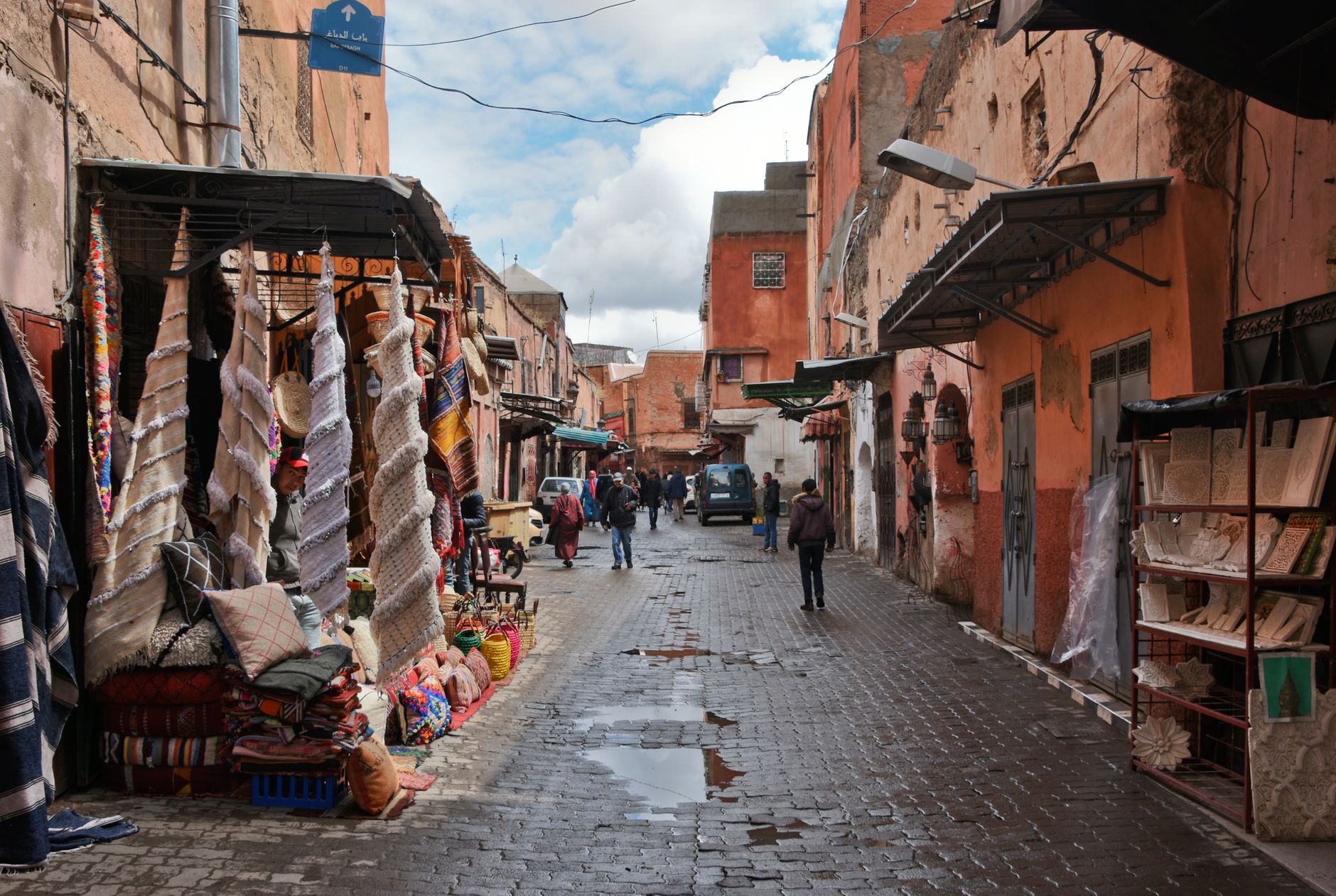
India’s sheer scale and density overwhelm most first-time visitors, particularly in cities like Delhi and Mumbai, simply because of population density most Western travelers have never experienced. Morocco’s medinas, especially Marrakech and Fes, disorient visitors with narrow, unmarked, maze-like streets that were never designed with a grid system in mind. Vietnam’s motorbike traffic, especially in Hanoi and Ho Chi Minh City, terrifies first-time pedestrians who have never crossed a street without a light in a sea of two-wheeled traffic moving in every direction at once.
Why the Feeling Passing Is the Actual Point
Travelers who push through the initial disorientation in these countries consistently report the back half of the trip as the more meaningful part — not because the destination changed, but because they did. The version of a traveler who has learned to cross a Hanoi street, negotiate a fair taxi fare in Marrakech, or navigate a Delhi train platform is operating with a completely different, hard-won level of situational confidence than the person who landed three days earlier.
This is precisely why these countries keep showing up on lists of the most rewarding places to visit, right alongside lists of the most overwhelming ones. The overwhelm is not a warning sign to avoid the destination. It is closer to a toll — a temporary, predictable cost that gets paid early and stops being charged by roughly day three, after which what is left is usually the trip people actually came for.
What Seasoned Travelers Do Differently on Day One
Travelers who have been through the initial-overwhelm cycle in multiple countries often develop a specific habit for the first 24 to 48 hours in a new, intense destination: deliberately schedule less, not more, accepting that day one’s job is orientation rather than sightseeing. Booking a private airport transfer instead of navigating public transit cold, choosing a hotel in a well-located but calmer neighborhood for the first night or two, and building in a genuine rest block before diving into a packed schedule all reduce the compounding effect of jet lag plus sensory overload plus decision fatigue hitting at once.
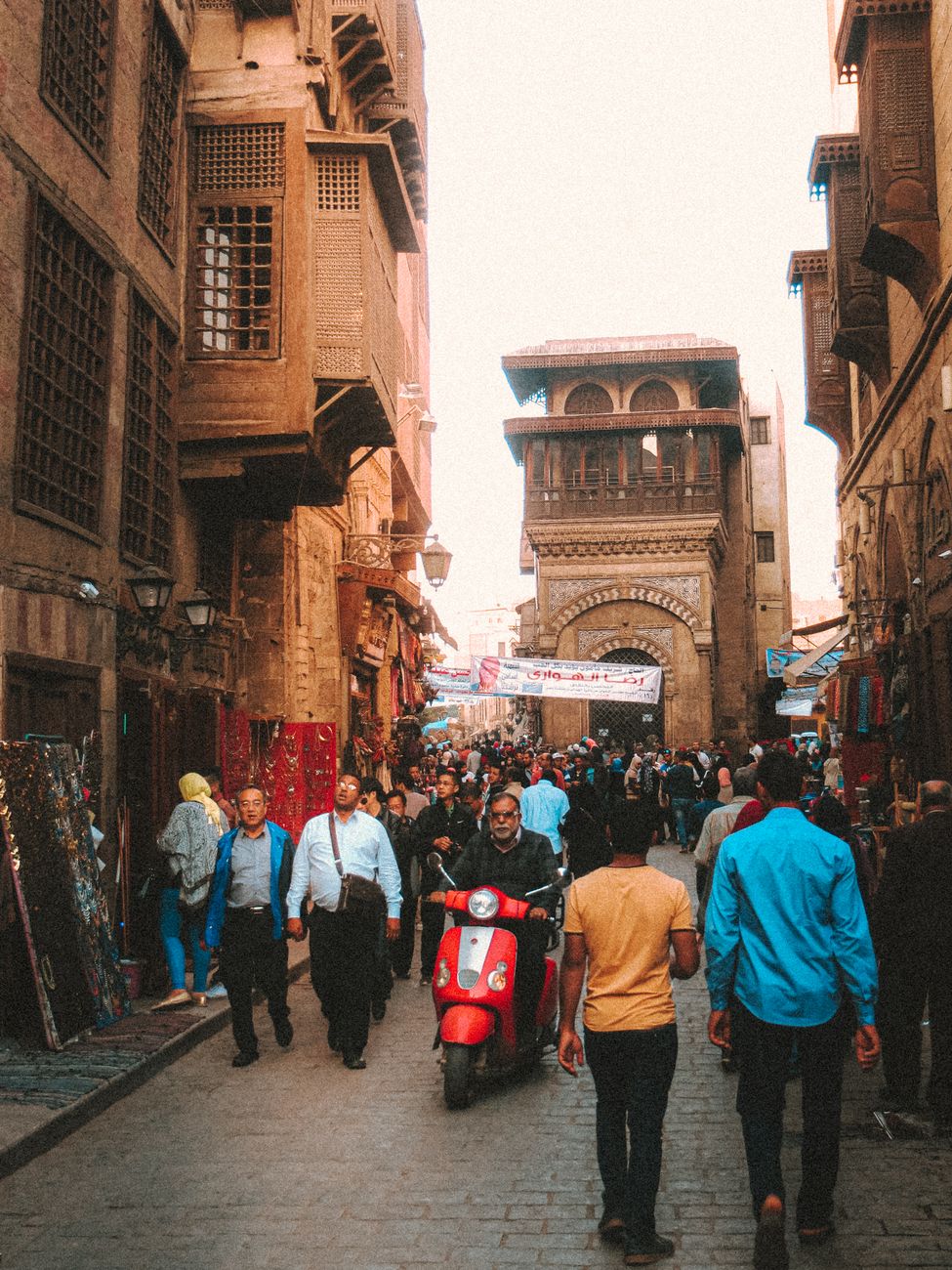
Egypt’s Cairo, another city that regularly appears on overwhelming-for-first-timers lists, presents a specific version of this: traffic without visible lane discipline, persistent tourist-area vendor attention near sites like the pyramids, and a pace of negotiation embedded into everyday transactions from taxis to souvenirs. Visitors who arrive expecting Western-style fixed pricing and personal space find the first day jarring; visitors who arrive expecting negotiation as a normal, even sociable, part of commerce adjust faster.
The countries that overwhelm first-time visitors most intensely are, not coincidentally, often the same countries repeat visitors describe with the most genuine affection. The overwhelm and the reward appear to be functions of the same underlying quality: a level of unfiltered, unstandardized daily life that takes real effort to acclimate to, and pays that effort back once acclimation happens.