I Asked International Tourists What Shocked Them Most About America — Their Answers Made Me Genuinely Uncomfortable
We may earn money or products from the companies mentioned in this post. This means if you click on the link and purchase the item, I will receive a small commission at no extra cost to you ... you're just helping re-supply our family's travel fund.
I’ve spent a lot of time talking to international travelers in America — at airports, at hostels, on tours, in comment sections and Reddit threads where non-Americans share their genuine, unfiltered impressions of the United States. Some of what they say is flattering. A surprising amount of it is illuminating in a way that’s difficult to hear if you grew up here and have always thought of these things as normal.
That’s the interesting thing about cultural blind spots. They’re invisible until someone who doesn’t share them points them out.
Here’s what international tourists actually say when they’re being honest.
The Portion Size Shock Is Real, But It’s Not the Thing They Talk About Most
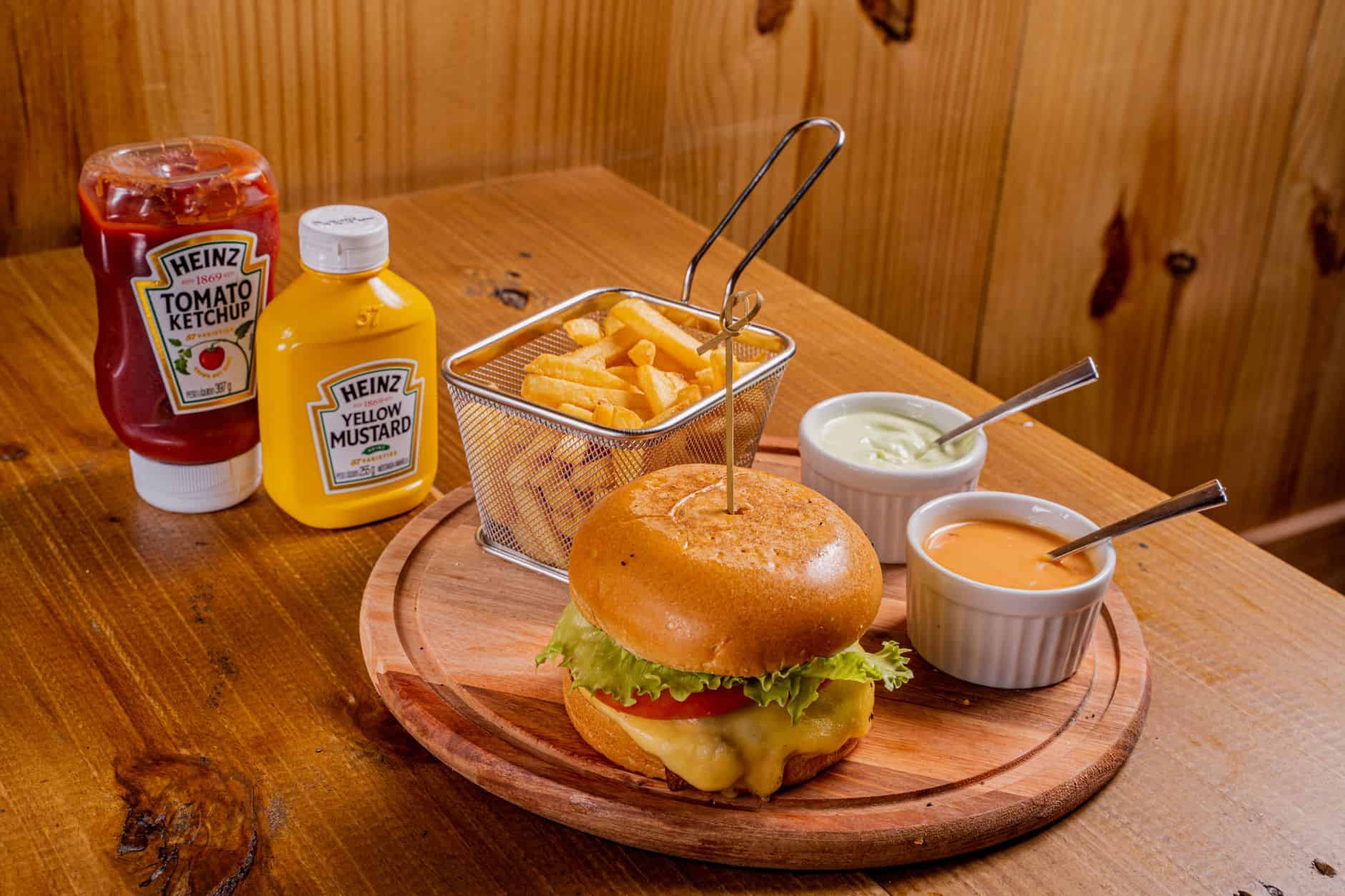
Yes, international visitors are genuinely startled by American portion sizes. This is not a myth or a stereotype — the portions at a standard American chain restaurant are, by global standards, absurdly large. A European tourist at an Applebee’s or a Cheesecake Factory is confronted with a plate of food that would constitute two or three meals at home.
But most international visitors adapt to this within a day. You just don’t finish the plate. You share. You take the box.
What actually sticks with them — the thing they talk about on travel forums and Reddit threads weeks later — is different:
- The extraordinary number of cars and the near-total absence of other transportation options in most of the country
- The sheer physical scale of retail spaces (“the parking lots are as big as our town centers”)
- How early everything closes in non-major cities
- The temperature inside American buildings — air conditioning is set aggressively cold by international standards, and many visitors find themselves bringing a sweater to restaurant dinners in August
Tipping Culture: The System That Confuses and Angers Almost Every Foreign Visitor

This is the one that generates the most sustained discussion, and it’s worth engaging with honestly because international visitors are not wrong in their critique — they’re just experiencing a system that makes no sense from outside it.
In most of the world, service workers are paid a living wage and tipping is optional, modest, or culturally uncommon. When an international visitor sits down at an American restaurant and discovers that:
- The price on the menu is not the price they’ll pay
- There is a tax added to the subtotal
- There is then a strong social expectation of adding 18–25% on top of the tax-adjusted total
- The tip prompt on the screen starts at 18%, 20%, and 25%, with “Custom” requiring active selection to go below that
- The guilt from selecting “Custom” is palpable and intentional
…they find this genuinely bewildering. The comment that appears constantly in international visitor accounts is some version of: “If the workers need tips to survive, why not just pay them more and put the real price on the menu?”
This is a reasonable question. Americans who’ve internalized the system don’t ask it because the alternative has always existed as an abstraction. International visitors who’ve lived the alternative don’t understand why the abstraction is treated as an impossibility.
Most international visitors do tip — they’ve read enough about American culture to know they should. But the emotional experience of the tip prompt is often described as somewhere between coercive and confusing. And the expanding tip requests beyond restaurants — at coffee counters, at takeout windows, at hotel breakfast buffets — genuinely baffles them.
The Healthcare Question That Every International Visitor Asks

International visitors, particularly from Western Europe, Canada, Australia, and New Zealand, frequently express something close to genuine alarm about the American healthcare system when they learn about it in detail.
The specific moment that lands hardest: explaining that a serious illness or accident could bankrupt an American middle-class family. The concept of medical debt — the idea that a country this wealthy has citizens who file bankruptcy over hospital bills — is, to most foreign visitors, the single most surprising fact about the United States.
This isn’t political commentary on my part. It’s an accurate description of what international visitors consistently say. French visitors, British visitors, German visitors — people from countries where a hospital visit does not produce a bill — find this specific aspect of American life the hardest to reconcile with the overall prosperity they see around them.
Many international visitors also mention being anxious during their American trip in a way they’re not elsewhere — genuinely worried about what would happen if they needed emergency medical care, even with travel insurance.
The Size of Everything — and How It Warps the American Sense of Distance
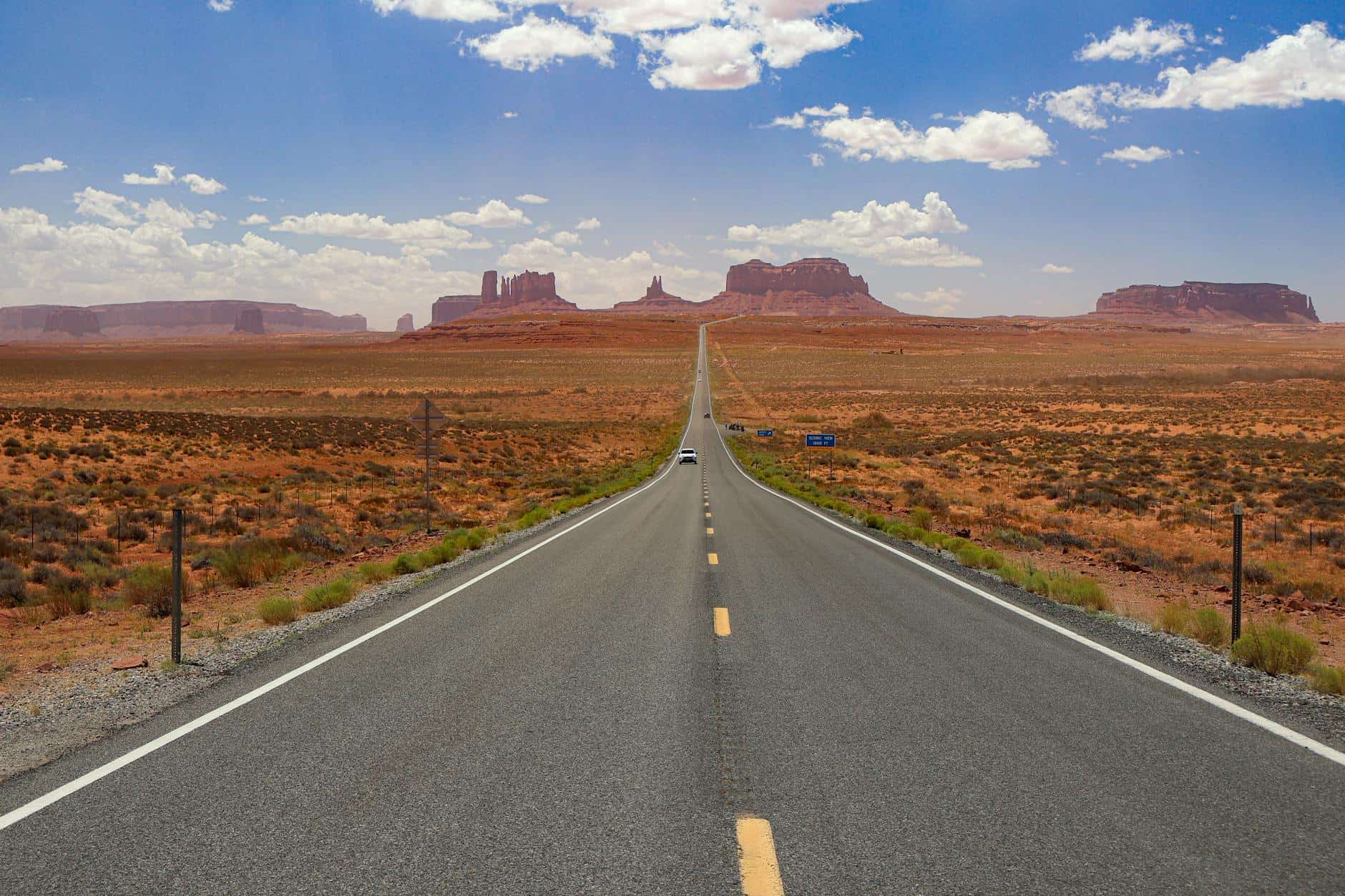
Europe can fit into the continental United States roughly three times over. This is an abstract fact until international visitors experience it on the ground.
Common expressions of this shock:
- “We drove for four hours today and we’re still in Texas.”
- “The national park is beautiful but the drive between attractions within it is longer than crossing my entire country.”
- “Americans think nothing of a two-hour drive for dinner. We would consider that an event requiring planning.”
The flip side of this is a quality international visitors often admire: Americans are genuinely nonchalant about adventure and distance in a way that people from smaller countries often find inspiring. The road trip as a casual weekend plan. The spontaneous drive to another state. The sheer range of landscapes accessible by car from almost any location in the country.
Highway Rest Stops and the American Relationship with Public Space
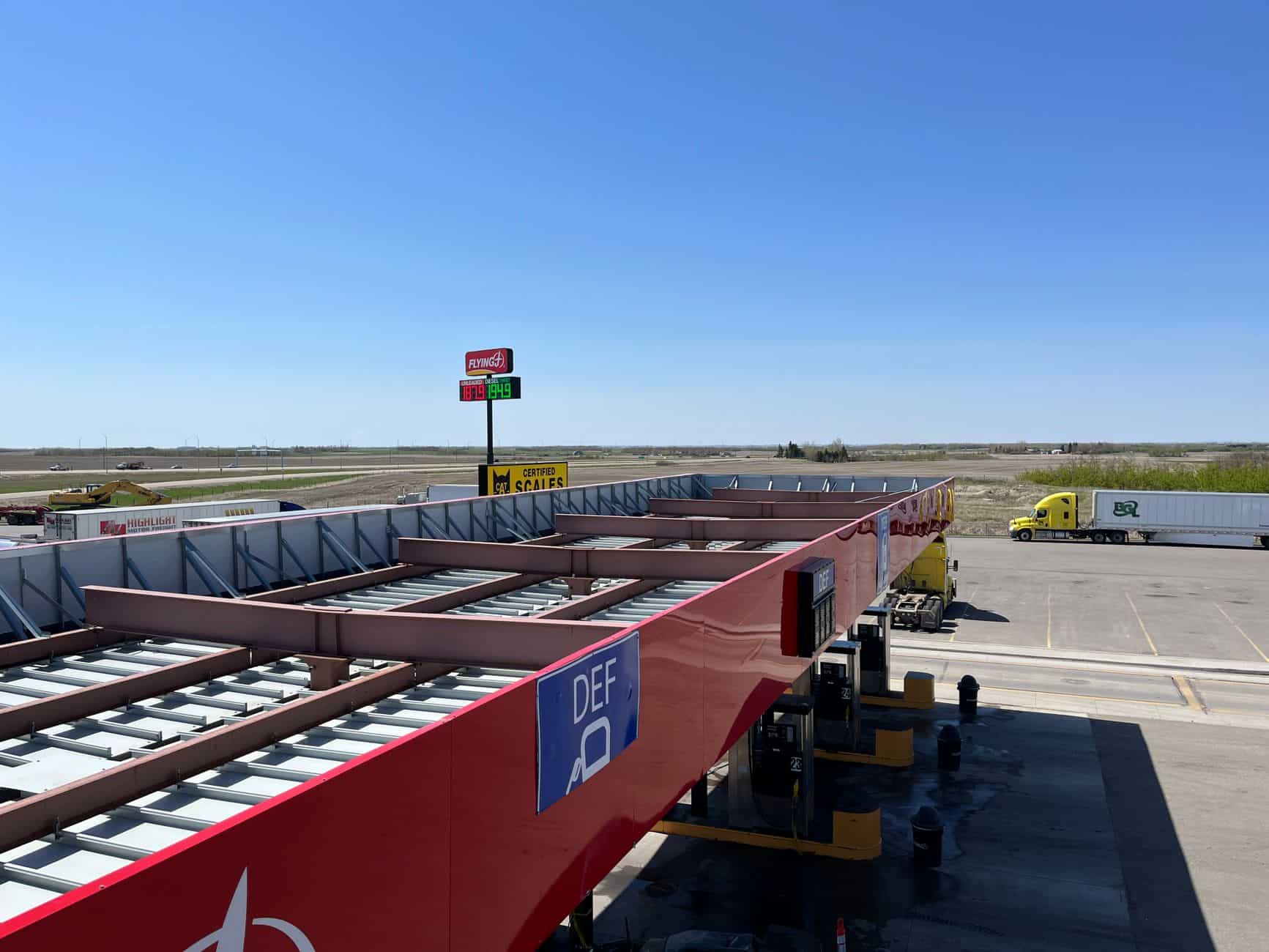
This one sounds mundane but comes up with surprising frequency: international visitors find American highway rest stops somewhere between functional and depressing, and they use it as a lens for a broader observation.
Rest stops in Germany, France, Japan, and the UK often include proper restaurants, clean facilities, picnic areas, and occasionally retail. American highway rest stops are frequently just bathrooms — sometimes poorly maintained, rarely with food options beyond a vending machine, and often conveying a kind of institutional grimness.
What international visitors are really observing is the American approach to public infrastructure and public space more broadly. Private spaces in America (malls, restaurants, stadiums) are often impressive. Public spaces — parks in mid-tier cities, public transit, highway facilities, sidewalks in suburban areas — are often significantly less developed than in peer wealthy nations.
The Friendliness Paradox: How Genuinely Warm Americans Are, and How Shallow It Sometimes Runs

This observation appears constantly, and it’s almost always framed with genuine ambivalence — not as a criticism but as a cultural puzzle.
American cashiers, service staff, strangers on the street, and fellow visitors are, by most international standards, genuinely, notably friendly. The smile, the “how are you today,” the easy conversation, the warmth. International visitors from more reserved cultures (Northern Europe, Japan, much of East Asia) often find this delightful and disarming.
And then: you never see this person again. The warmth doesn’t lead anywhere. The “we should get coffee sometime!” is real enthusiasm in the moment and nothing beyond it. The person who made you feel so welcome has moved on to the next interaction.
The confusion is real: if Americans are this friendly, why do so many Americans report profound loneliness and social isolation? International visitors are observing, often without the vocabulary to name it, the distinction between warmth and intimacy that is genuinely a feature of American social life.
Race and Inequality in Visible, Jarring Ways
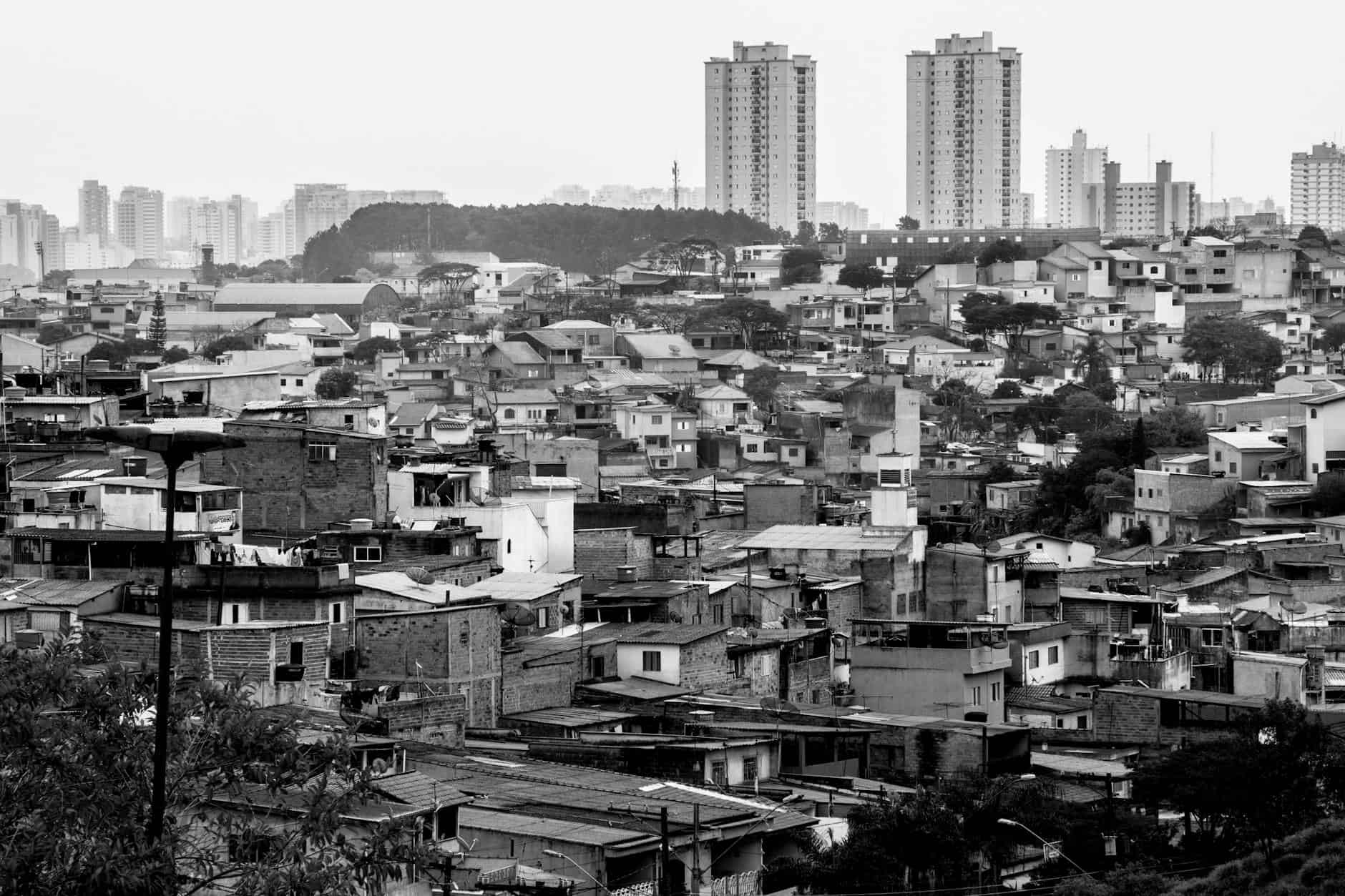
This is the observation international visitors are most hesitant to put into words and most often express anyway because it is impossible to ignore.
Driving from an affluent American suburb to an impoverished urban neighborhood — often a matter of miles — reveals a degree of material inequality that is visible and jarring to visitors from many peer nations. The racial correlation of that inequality is visible and jarring in its consistency.
Visitors from countries with significant income inequality don’t necessarily find the inequality itself surprising. Visitors from countries with more integrated public housing, more robust social mobility infrastructure, and less racially stratified geography find the specific American manifestation of it — its visibility, its geographic concentration, its correlation — distinctly striking.
This is not an observation with a simple answer. It’s the observation that many international visitors carry home with them as their most lasting impression — not the portion sizes or the tip prompts, but the gap between the country’s stated values and what they saw out the window.
What International Visitors Say They Miss About America After They Leave
Here’s the part that gets less attention than the critiques, because balance is harder to make viral:
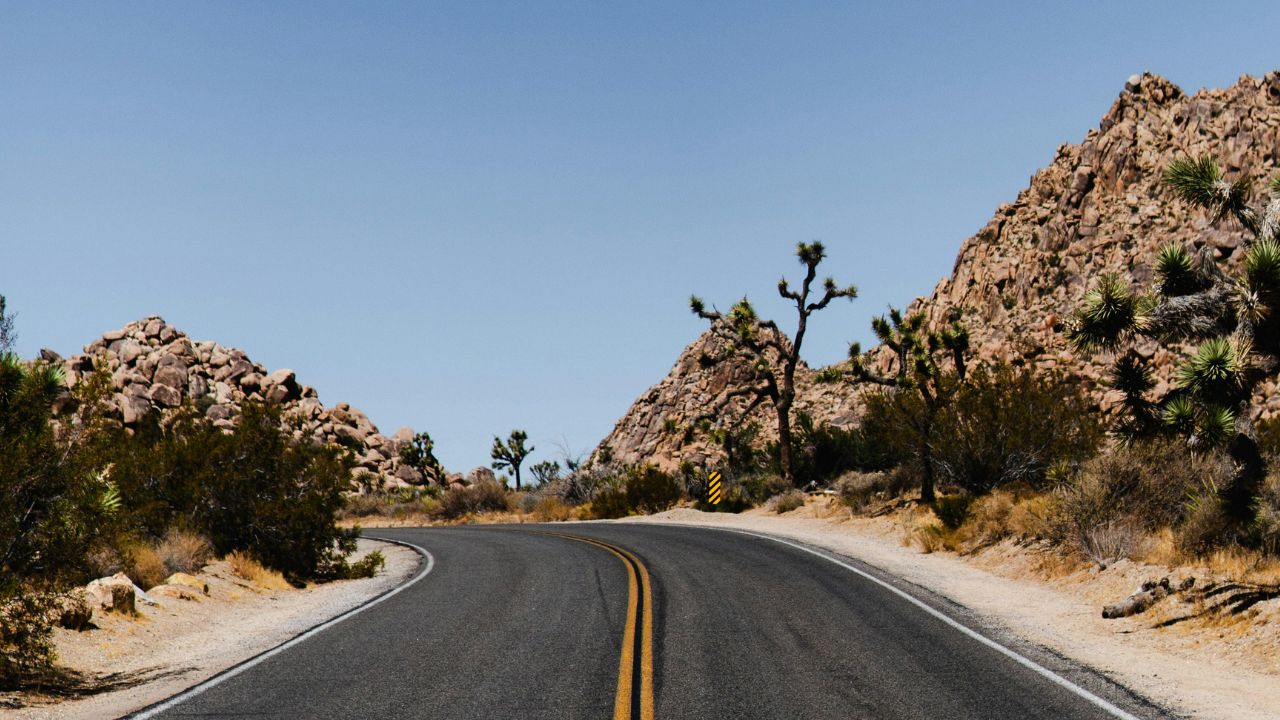
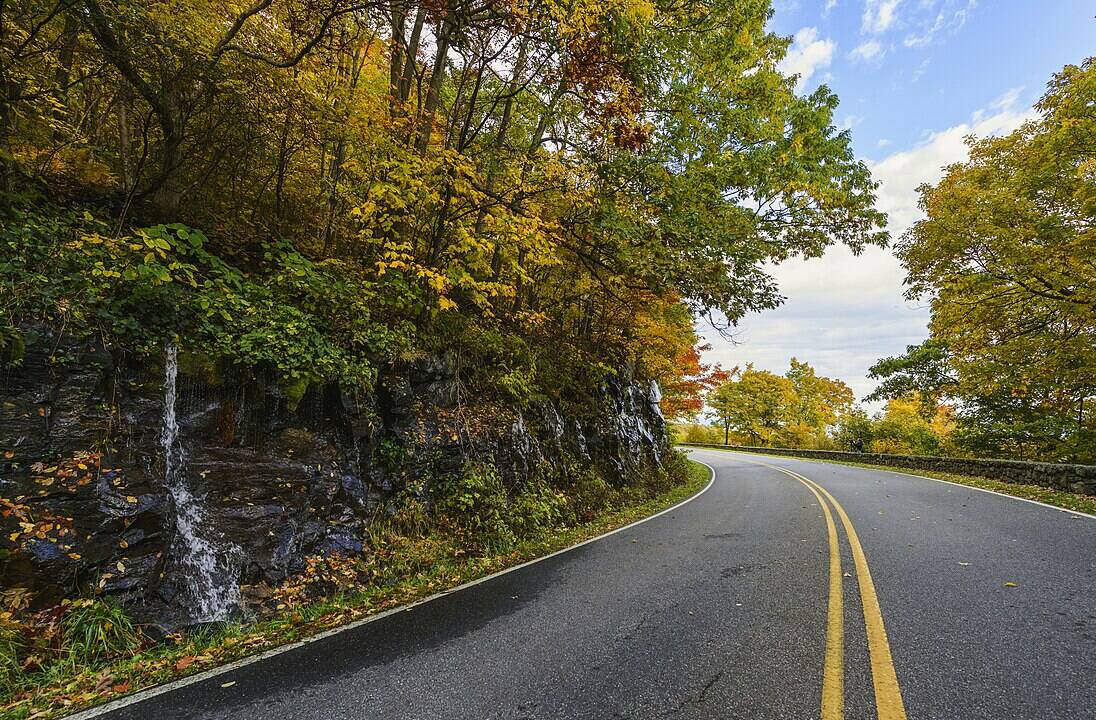
- The natural landscapes: National parks, the Pacific coast, the desert Southwest, the Appalachian fall foliage — international visitors consistently describe American natural beauty as world-class in ways even Americans don’t fully appreciate
- The food diversity: America’s immigrant food culture means that in a major American city you can eat authentically from literally dozens of cuisines. This is not true everywhere, and visitors from countries with more homogeneous food cultures find it genuinely remarkable.
- The optimism: American cultural optimism — the belief that things can be improved, that ambition is good, that you can reinvent yourself — is, to many international visitors, a genuine and energizing national trait that they find themselves missing when they return home
- The road trip: Almost everyone who drives across any section of the American interior comes home with a story about how the scale and variety of the landscape changed something in how they see the world
America is, by almost any international visitor account, more complex and more contradictory than any description of it prepares you for. Which might be the most American thing about it.