The Airbnb Cleaning Fee Scam Has Gotten Worse — Here’s Exactly How Hosts Are Hiding the Real Price of Your Stay
We may earn money or products from the companies mentioned in this post. This means if you click on the link and purchase the item, I will receive a small commission at no extra cost to you ... you're just helping re-supply our family's travel fund.
There is a listing on Airbnb right now, somewhere, that advertises a $59/night price per night. The cleaning fee is $275. The service fee is $92. The total for two nights is not $118 plus the cleaning fee. It is $118 plus $275 plus $92 plus applicable taxes, for a grand total of roughly $545 — $272.50 per night, or almost five times the advertised rate.
This is not an edge case. This is a documented, widespread, systematic pricing practice that Airbnb has acknowledged, partially addressed, largely failed to fix, and that has become sufficiently notorious that “Airbnb cleaning fee” is now its own genre of consumer complaint.
Here’s what’s actually happening.
How Cleaning Fees Became a Systematic Pricing Scam
Airbnb’s search algorithm historically ranked listings by their advertised nightly price — the number displayed in the search results thumbnail. This created a direct incentive: the lower your advertised nightly price, the higher you appeared in search results and the more clicks you received.
Hosts discovered they could game this system by suppressing the nightly rate (to rank higher in searches) while building their actual revenue target into the cleaning fee (which didn’t affect search ranking). A host who needed $200/night to make a listing worthwhile could advertise $80/night with a $180 cleaning fee and appear in searches before hosts advertising $150/night with no cleaning fee — even though the total cost was lower for the second listing.
This practice spread. As more hosts adopted it, the hosts who were pricing honestly found themselves buried in search results. The incentive structure pushed the entire market toward inflated cleaning fees.
The result was a platform where the advertised prices became essentially meaningless as a guide to actual cost, and where comparison shopping was actively undermined by design.
The “Total Price” Display That Didn’t Actually Fix Anything
In 2022, facing sustained and very public criticism, Airbnb announced a significant policy change: search results would display total price, including fees, rather than the per-night rate. Airbnb CEO Brian Chesky called hidden fees one of the biggest pain points on the platform and promised the update would make pricing transparent.
Here is what actually happened:
- Total price display was implemented — but only in certain views and only by default in some contexts. Toggling between “per night” and “total” is still possible, and the default has varied by market and by app update.
- Hosts responded by further reducing their nominal per-night rates and maintaining high cleaning fees — because the underlying incentive (rank higher by showing a low per-night rate) still exists in certain search contexts.
- The policy change did not cap cleaning fees, did not require disclosure of what cleaning fees cover, and did not create any mechanism for guests to dispute fees they found unreasonable.
The change made it marginally easier to see the total price before booking. It did not change the underlying economics that made the inflation happen in the first place.
What Hosts Are Actually Charging Cleaning Fees For
This is where it gets genuinely interesting, because the stated rationale for cleaning fees is often quite reasonable: professional cleaning services cost money, and a host who pays a cleaning crew $150 to turn over a three-bedroom house between guests legitimately needs to recoup that.
But the reality of cleaning fee amounts suggests this isn’t primarily what’s happening:
- Cleaning fees for studio apartments regularly run $100–$200 — for a space that takes an hour to clean and where professional services cost $60–$80 in most markets
- Cleaning fees for properties that require extensive guest cleaning (“strip the beds, run the dishes, take out all trash, sweep floors”) are often identical to properties where cleaning is genuinely handled by the host
- Cleaning fees don’t scale down for shorter stays — a two-night stay and a ten-night stay at the same property typically pay the same cleaning fee, which means the effective per-night cleaning cost is five times higher for the shorter stay
For many listings, the cleaning fee has become a supplementary revenue mechanism rather than a cost recovery mechanism — a way to extract additional revenue from guests who’ve already committed to a booking after seeing the nightly rate.
The Checkout Instructions That Are Essentially Unpaid Labor
This is the part that triggers the most visceral reaction from travelers: the host who charges $200 in cleaning fees and then provides a checkout checklist that requires an hour of work.
Actual checkout instruction lists that have been widely shared and discussed include requirements like:
- Strip all beds and launder all sheets and towels
- Run the dishwasher and put all dishes away
- Wipe down all kitchen surfaces, appliances, and the stovetop
- Vacuum all floors
- Mop the kitchen and bathroom floors
- Clean the bathroom — toilet, sink, and tub/shower
- Take all garbage to the outdoor bins
- Return all furniture to original positions
- Water the plants
This list represents approximately 2–3 hours of cleaning work. Guests who do this work in full are functionally cleaning the property themselves and then paying $200 for a cleaning service that isn’t happening.
Airbnb’s official policy states that checkout tasks should be “reasonable” but does not define reasonable and does not offer a systematic mechanism for guests to dispute lists they find excessive.
The Pricing Math That Makes Airbnb Often More Expensive Than Hotels
The promise of Airbnb was originally cost savings — an alternative to expensive hotels that gave travelers more space for less money. For many trip types, especially large groups and long stays, this is still true.
For short urban trips, it often isn’t anymore. Run the numbers:
- Hotel: $180/night, includes daily housekeeping, front desk service, hotel amenities. Two nights = $360, all in.
- Airbnb: $95/night, plus $175 cleaning fee, plus $68 service fee, plus taxes. Two nights = $418, and you’re stripping your own bed before you leave.
This comparison plays out regularly in major cities. The hotel has gotten more competitive with Airbnb on price while Airbnb’s true total cost has crept upward through fee accumulation.
The segments where Airbnb still reliably wins on cost:
- Groups of four or more, where splitting a large property beats multiple hotel rooms
- Stays of five or more nights, where the cleaning fee amortizes down to a manageable per-night addition
- Non-urban destinations where hotels are limited or expensive
- Trips where kitchen access has real economic value (families with young children, dietary restrictions)
Platform Fees, Service Charges, and the Other Hidden Costs
The cleaning fee gets all the attention, but it’s not the only fee that adds to the total:
- Airbnb service fee: Typically 14–16% of the subtotal (nightly rate plus cleaning fee). This is Airbnb’s revenue and is non-negotiable.
- Local taxes: Airbnb collects occupancy taxes in most markets. These range from 5% to over 15% depending on the city.
- Pet fees: Separate from cleaning fees, these run $25–$100 per stay and are increasingly standard even for properties that advertise as pet-friendly.
- Security deposits: Technically held and returned, but they tie up funds on your payment method.
The combination of cleaning fees, service fees, and taxes on a mid-range Airbnb listing can add 60–100% to the advertised nightly rate on short stays.
When Airbnb Cleaning Fees Are Legitimate
Fairness requires acknowledging that some cleaning fees are entirely legitimate:
- Large properties (4+ bedrooms) in markets where professional cleaning genuinely costs $200–$400
- Properties with specific materials or surfaces (hot tubs, pools, specialized kitchen equipment) that require additional cleaning time and products
- Hosts who offer truly exceptional cleanliness standards and have the reviews to demonstrate it
- Rural or remote properties where cleaning services charge premium rates due to location
The tell is usually the ratio: a $150 cleaning fee on a $200/night property is different from a $200 cleaning fee on a $60/night property. And checkout lists that require minimal work from guests suggest the cleaning fee is actually covering cleaning, rather than making guests do the work and then charging them for it anyway.
How to Actually Find a Fair-Priced Airbnb in This Environment
Strategies that work:
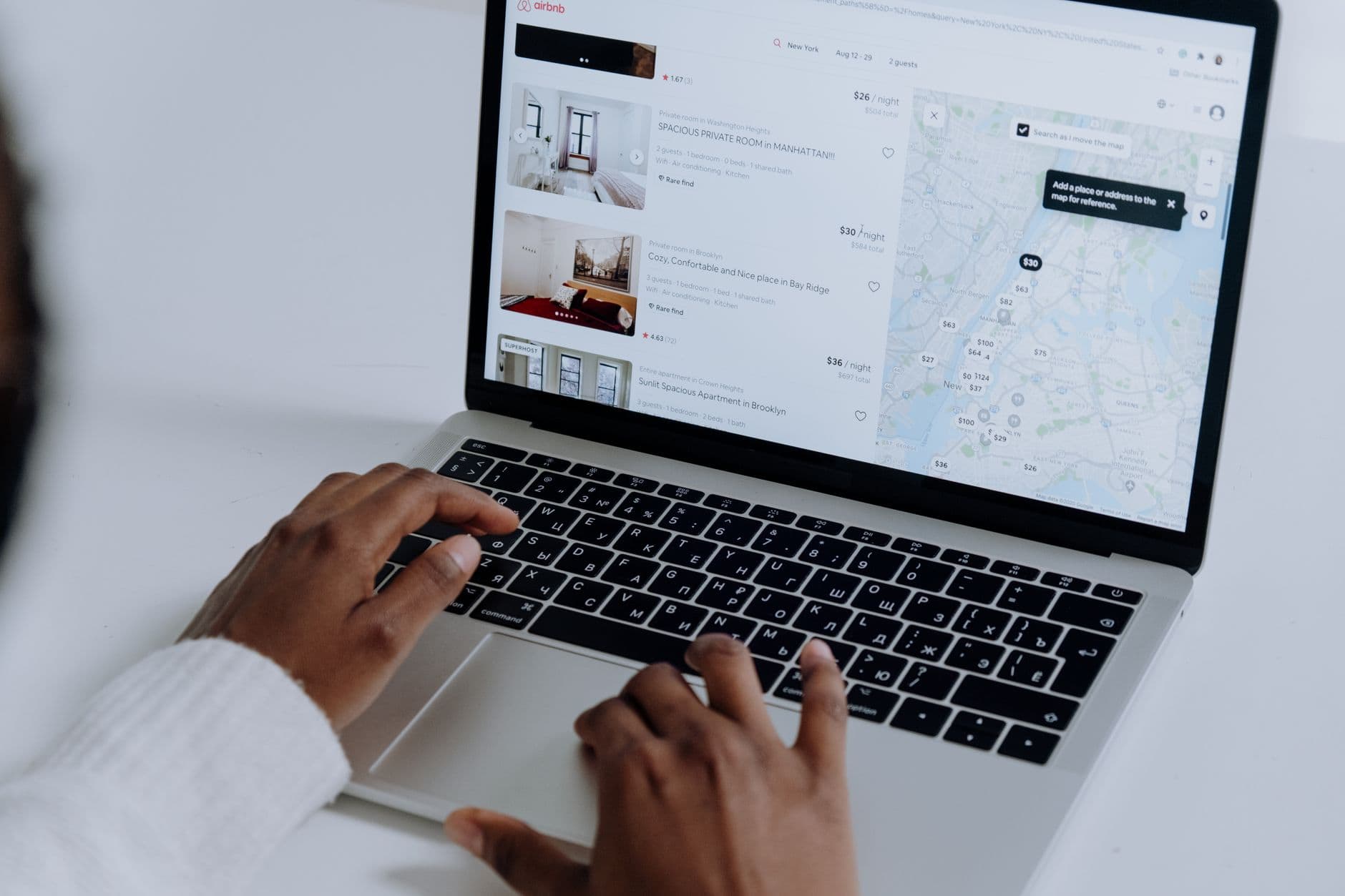
- Always filter for total price display — toggle to total price before comparing any listings so you’re seeing the real number
- Sort by total price on longer stays — a five-night stay calculation amortizes cleaning fees dramatically and often reveals which listings are actually cost-effective
- Read the checkout list before booking — it’s in the listing details. If the list is extensive, factor in your time as a cost.
- Compare to hotels for the same dates in the same location — before booking any Airbnb for a short urban stay, run a quick hotel search. The gap has narrowed significantly.
- Look at the cleaning fee-to-nightly rate ratio — a cleaning fee that exceeds one night’s rate is a warning sign for a short stay
- Check for hosts with no cleaning fee — they exist, they’re often competitive, and the filter for “no cleaning fee” is available in the Airbnb app
Airbnb is still a genuinely useful service for the right trip and the right circumstances. The platform’s value hasn’t disappeared — but the casual assumption that it’s cheaper than a hotel has. Running the actual numbers before you book is no longer optional; it’s the only way to know what you’re actually paying.