14 Timeless Ancient Wonders Still Drawing Big Crowds
We may earn money or products from the companies mentioned in this post. This means if you click on the link and purchase the item, I will receive a small commission at no extra cost to you ... you're just helping re-supply our family's travel fund.
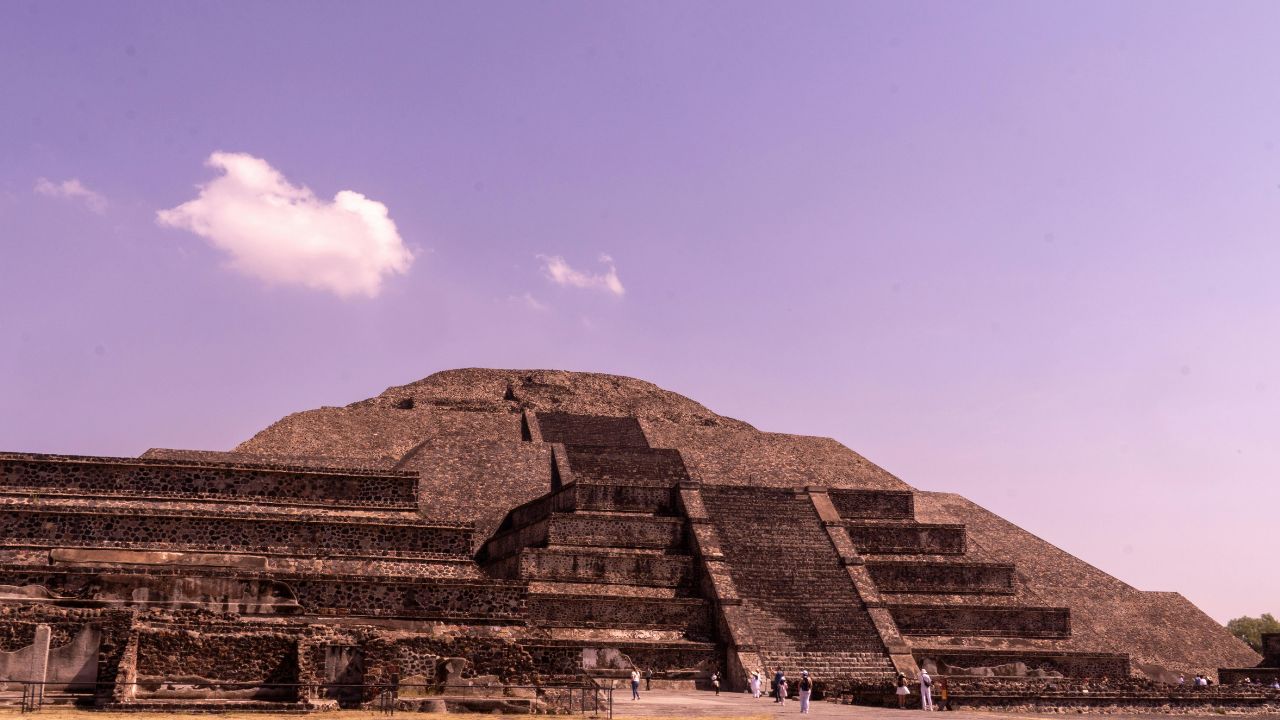
Ancient wonders are extraordinary reminders of humanity’s ingenuity, artistry, and ambition. These landmarks represent the height of engineering, architecture, and cultural achievement from past civilizations. Many still stand today, drawing millions who wish to walk among their ruins or admire their grandeur. From colossal pyramids and majestic temples to iconic cities carved in stone, these 14 timeless wonders continue to captivate the world with their enduring beauty and history.
The Great Pyramid of Giza (Egypt)
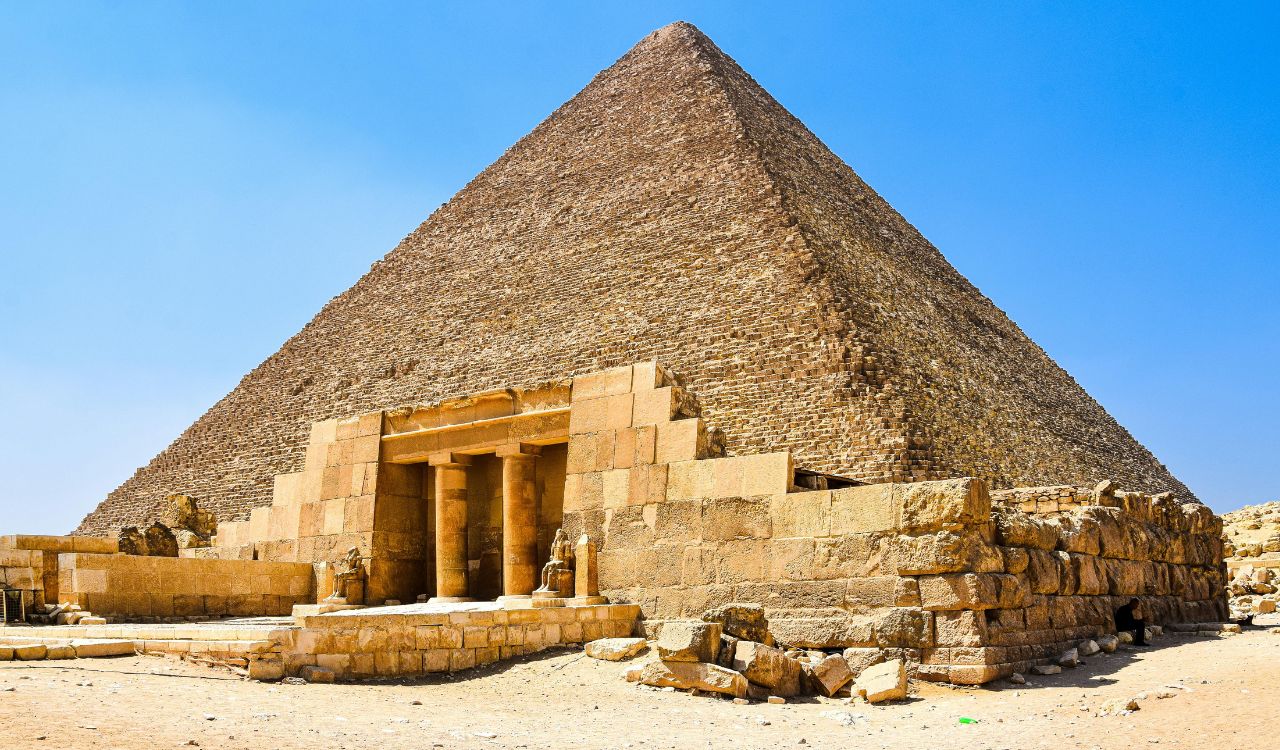
Built around 2500 BCE for Pharaoh Khufu, the Great Pyramid is the last surviving wonder of the Seven Wonders of the Ancient World. Standing at 146.5 meters, it was constructed using more than 2.3 million stone blocks. Once gleaming with white limestone casing, it was a dazzling sight. Today, the Giza complex, which includes smaller pyramids and the Sphinx, is a UNESCO World Heritage Site and a powerful testament to ancient Egyptian engineering mastery.
Borobudur Temple (Indonesia)
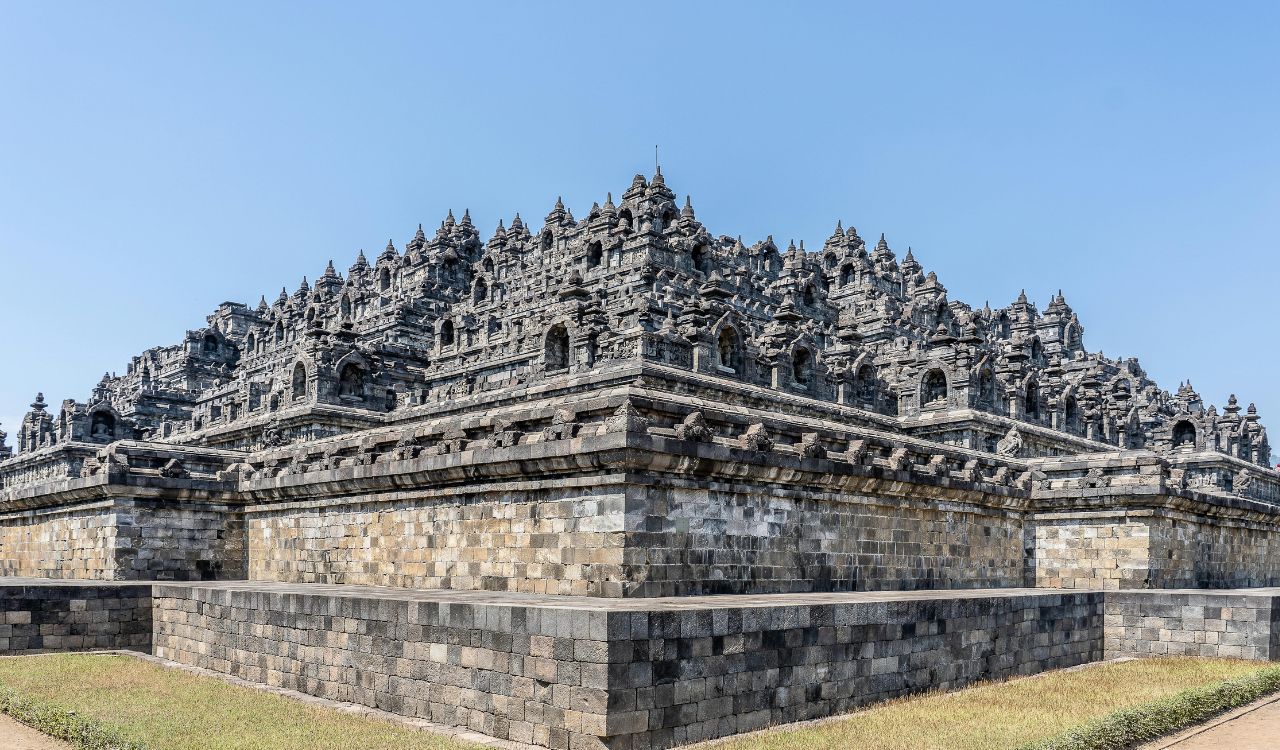
Borobudur Temple, built in the 9th century, is the world’s largest Buddhist temple and a masterpiece of ancient architecture. Located in Central Java, it consists of nine stacked platforms topped by a central dome, adorned with over 2,600 relief panels and 500 Buddha statues. The temple’s design reflects Buddhist cosmology, guiding visitors from the earthly realm to enlightenment. Surrounded by lush greenery and volcanoes, Borobudur remains a major pilgrimage site and an awe-inspiring symbol of Indonesia’s heritage.
The Temple of Artemis at Ephesus (Turkey)
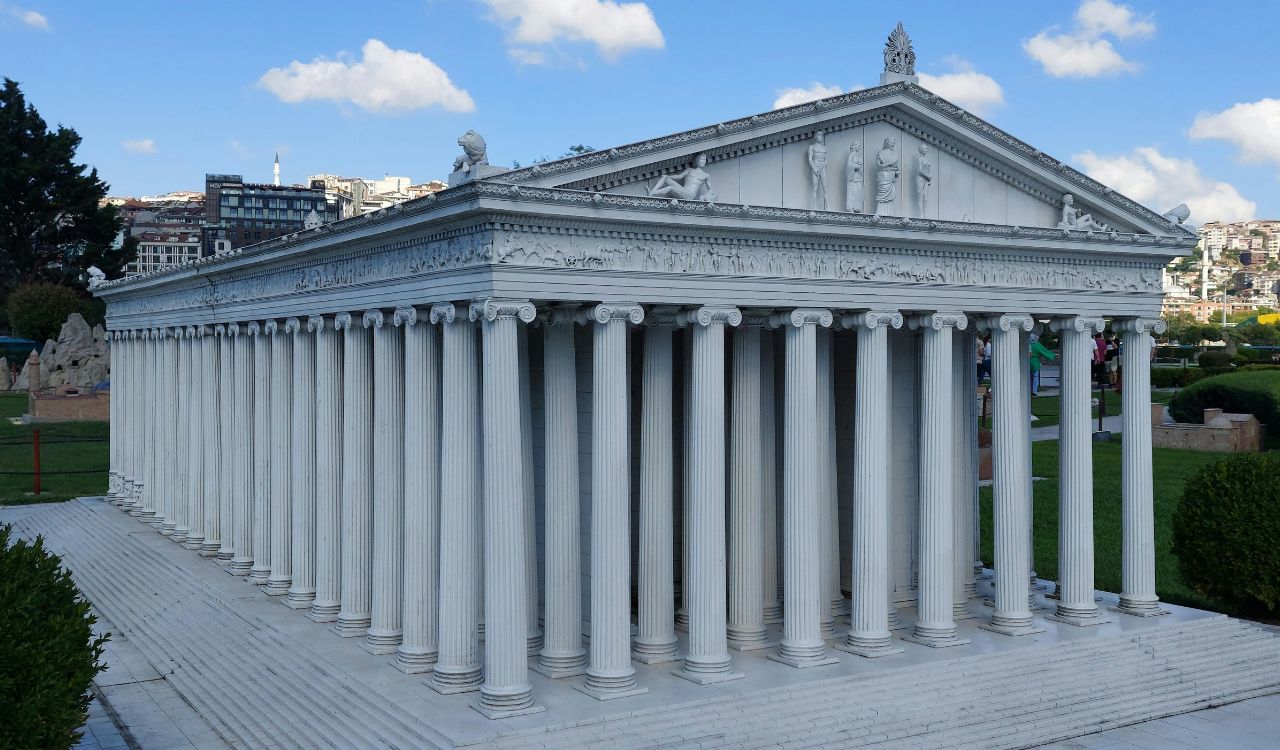
The Temple of Artemis was one of the grandest constructions of ancient Greece. Built in honor of the goddess Artemis, it was celebrated for its size, intricate marble design, and exquisite sculptures. Located in Ephesus, it was rebuilt several times before its final destruction. Today, only remnants remain, but it continues to attract visitors fascinated by its history. The temple exemplifies the artistic and architectural excellence of Greek civilization at its peak.
The Great Wall of China (China)
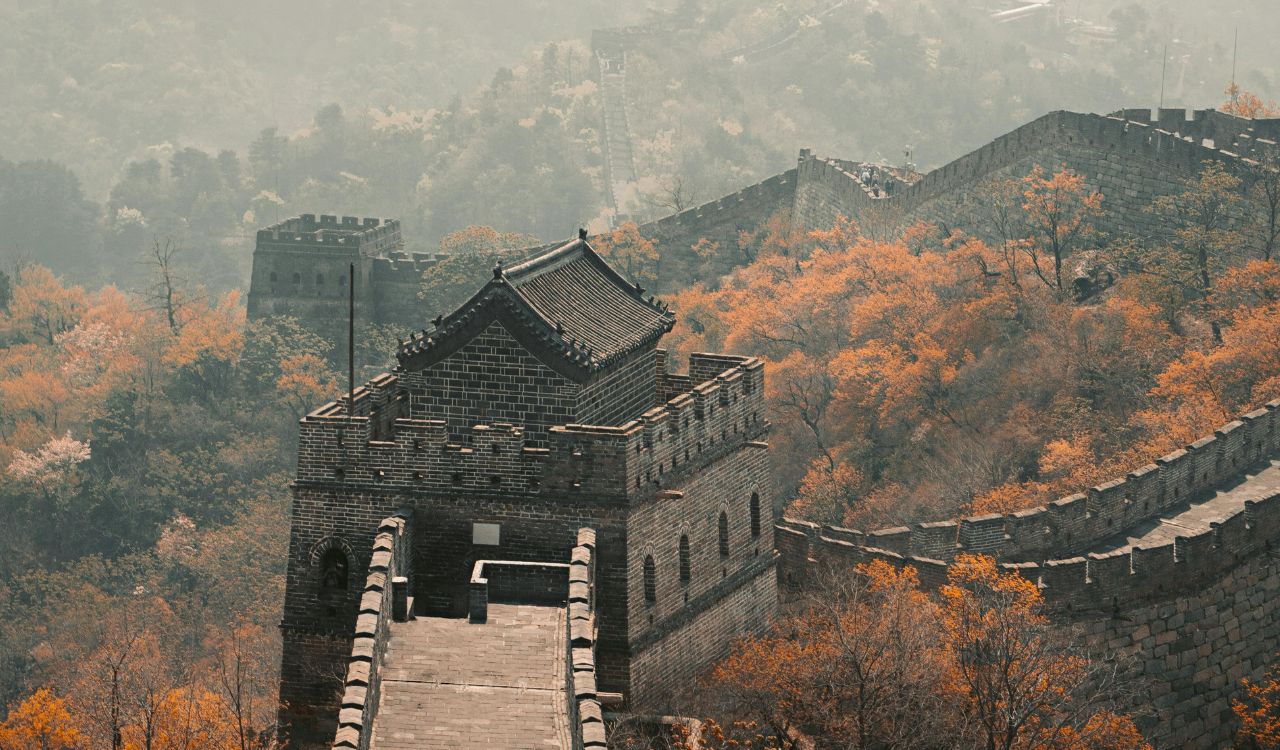
Stretching over 13,000 miles, the Great Wall is an enduring symbol of China’s resilience and ambition. Built over centuries, beginning as early as the 7th century BCE, it served to defend against invasions. Its watchtowers and pathways offer breathtaking views, especially along restored sections near Beijing. Walking its length allows visitors to appreciate the immense labor and engineering skill that went into its construction, making it one of the world’s most iconic landmarks.
Chichén Itzá (Mexico)
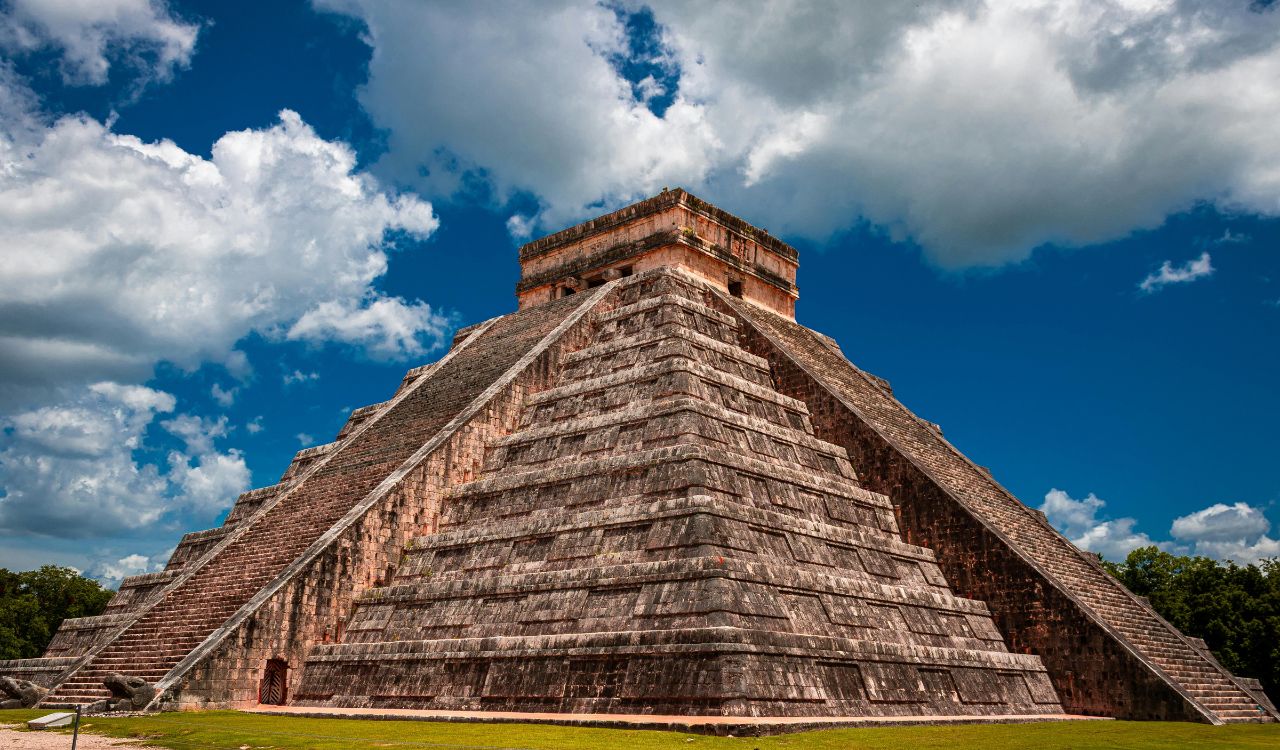
Chichén Itzá showcases the brilliance of the ancient Maya civilization. Its central pyramid, El Castillo, was designed with astronomical precision, aligning with equinoxes to create a stunning shadow display. Other features include sacred cenotes, ball courts, and intricately carved temples. This UNESCO site blends scientific knowledge and cultural heritage, offering visitors a glimpse into Mesoamerican life and beliefs. It remains one of the most visited and photographed archaeological sites in the Americas.
Petra (Jordan)
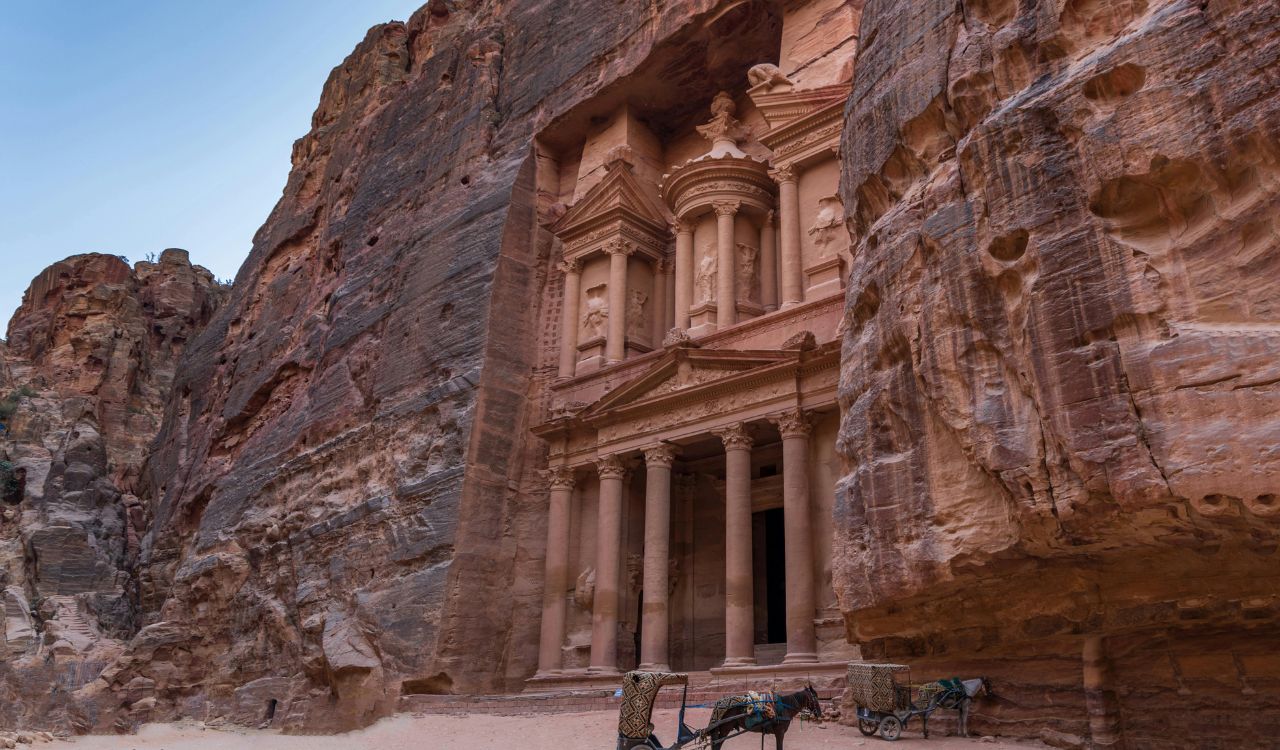
Petra, known as the Rose City, is carved into striking red sandstone cliffs. Once the capital of the Nabataean Kingdom, it flourished as a vital trade hub. Its iconic Treasury, Monastery, and rock-hewn tombs display both artistry and engineering genius. Visitors enter through the dramatic Siq canyon, which adds to its allure. Petra’s unique combination of natural beauty and architectural achievement has made it a must-see destination for travelers from around the world.
Machu Picchu (Peru)
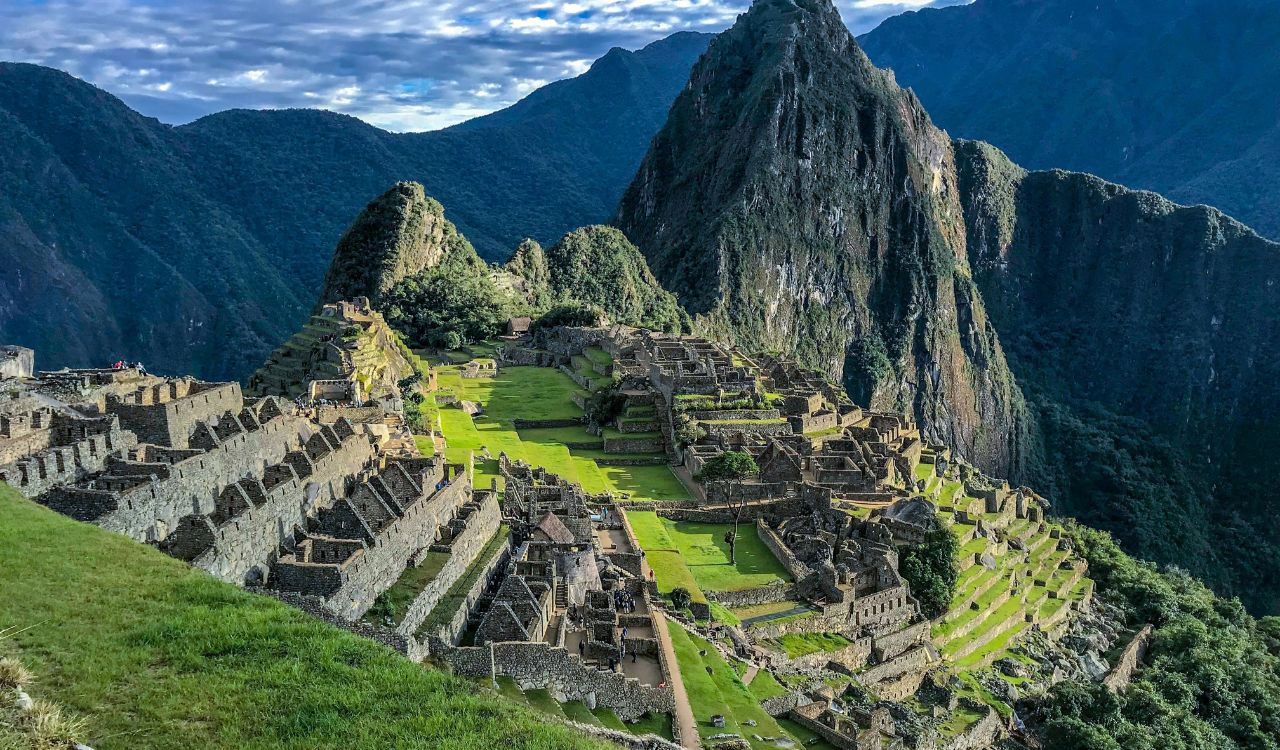
High in Peru’s Andes lies Machu Picchu, a stunning Incan citadel built in the 15th century. Rediscovered in 1911, it is famed for its terraces, temples, and stone structures that integrate seamlessly with the mountain landscape. Its dry-stone construction has withstood centuries of earthquakes, reflecting Incan engineering mastery. Visitors marvel at its breathtaking scenery and historical significance, experiencing firsthand why it remains one of the world’s most iconic archaeological treasures.
The Colosseum (Italy)
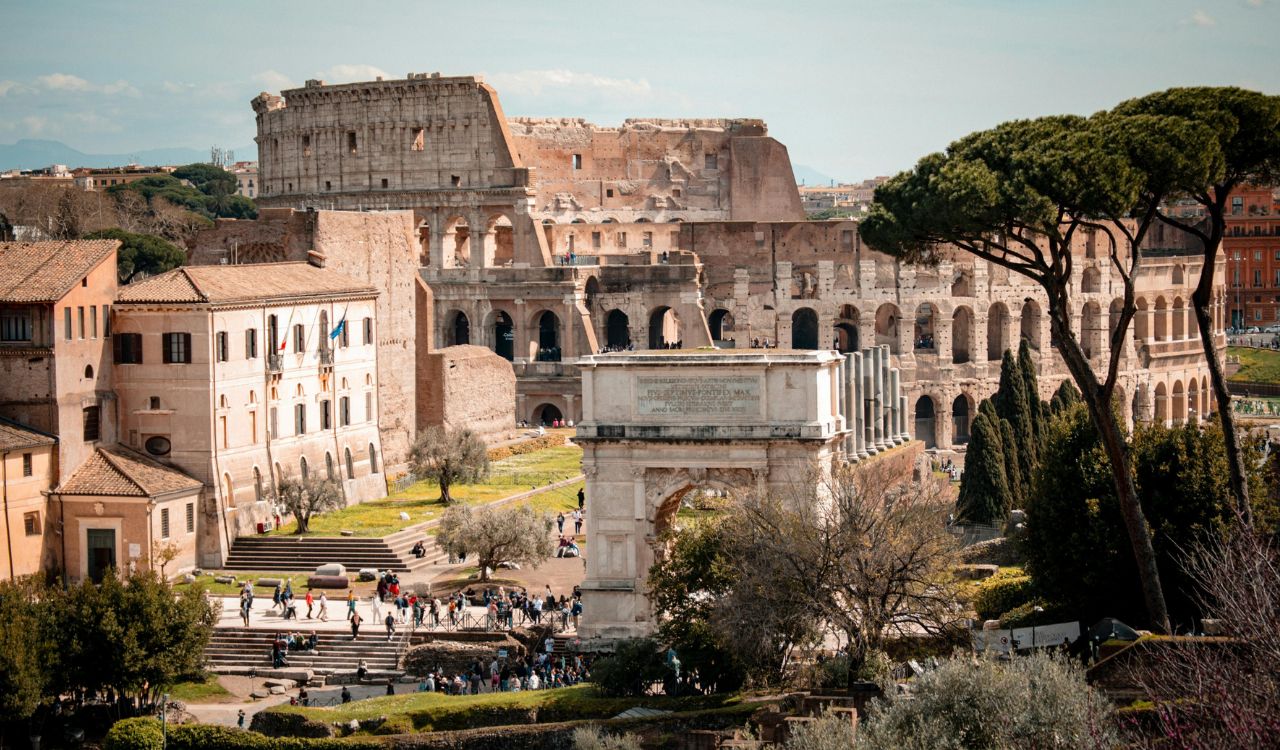
Rome’s Colosseum, completed in 80 CE, exemplifies Roman architectural brilliance and social life. This massive amphitheater once hosted gladiatorial battles, public events, and mock sea battles for crowds of up to 80,000. Though damaged by time, earthquakes, and stone robbing, its grandeur endures. Walking through its arches offers an immersive glimpse into ancient Rome’s entertainment culture and its enduring influence on modern stadium design and urban architecture.
Taj Mahal (India)
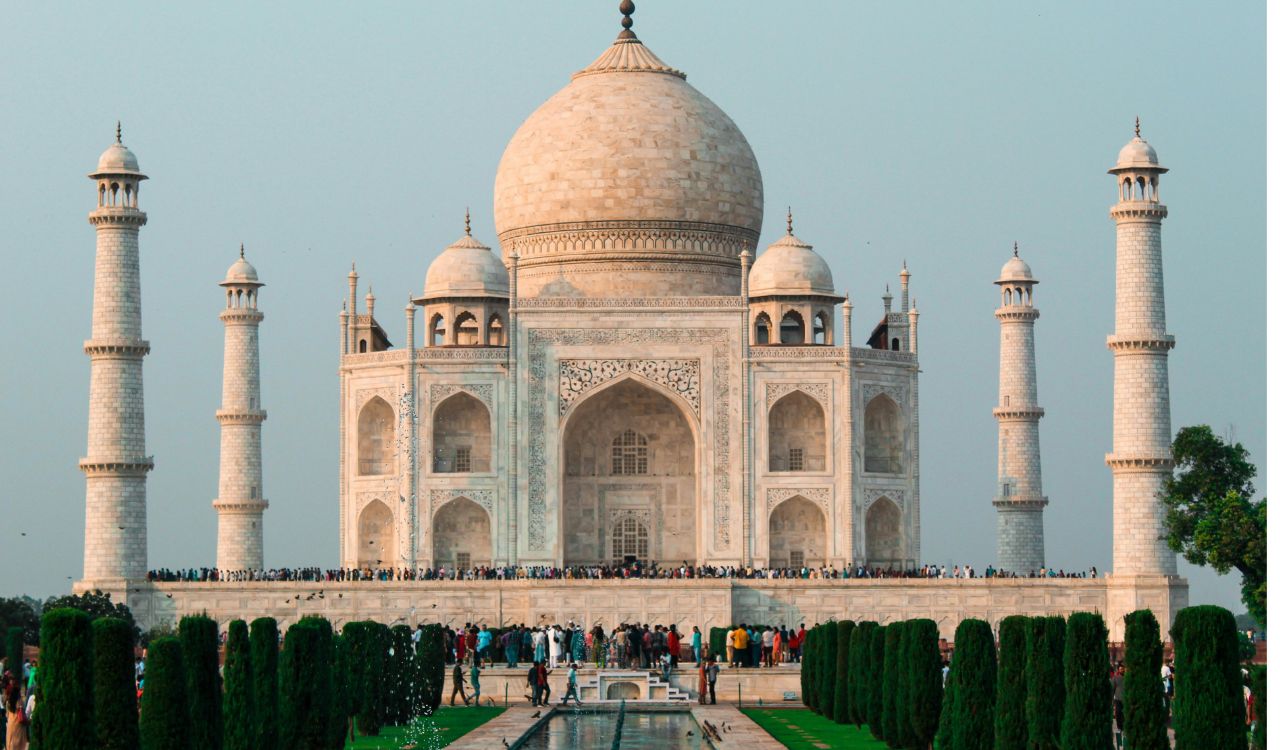
Commissioned in the 17th century by Mughal Emperor Shah Jahan, the Taj Mahal is an iconic symbol of love and devotion. Built entirely of white marble, its symmetrical design, reflecting pools, and intricate inlay work create a stunning visual masterpiece. Combining Persian, Islamic, and Indian architecture, it attracts millions of visitors annually. This UNESCO site remains one of the most beautiful and romantic monuments in the world, showcasing timeless artistry and craftsmanship.
Stonehenge (England)
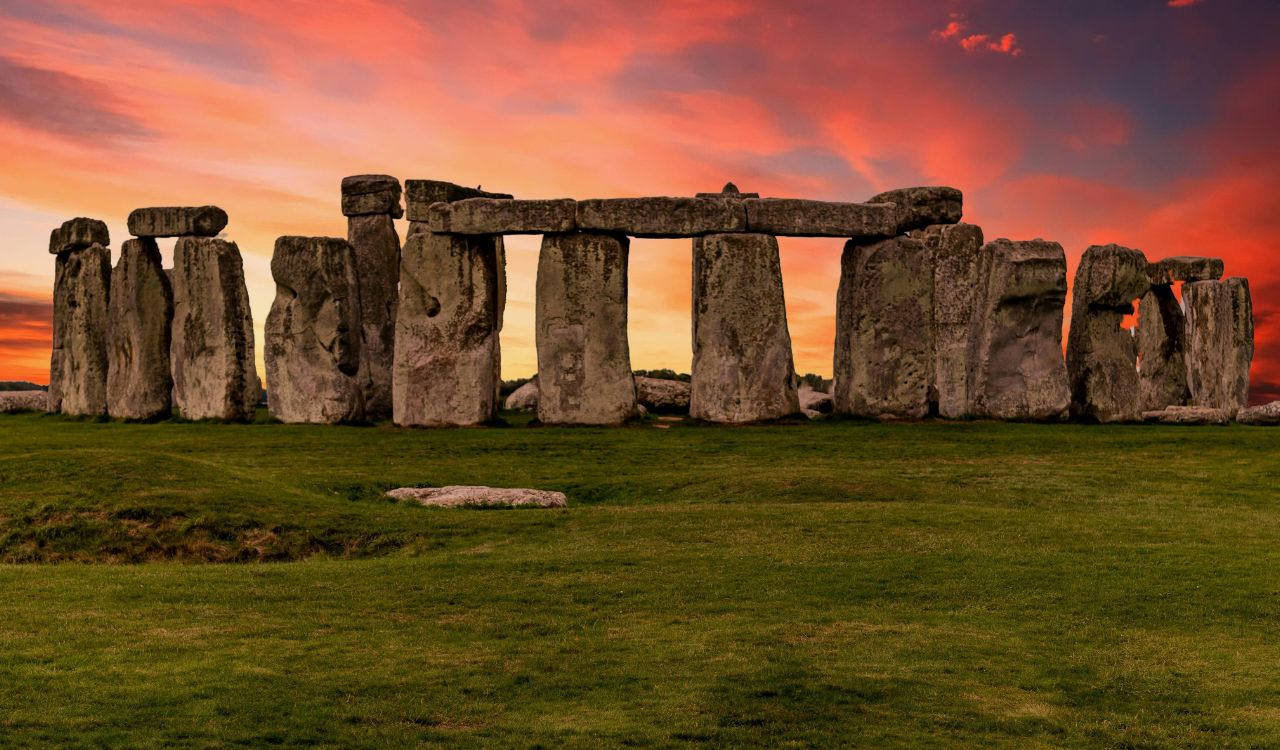
Stonehenge is a prehistoric monument dating back over 5,000 years. Composed of massive standing stones arranged in a circular formation, its purpose remains mysterious, with theories ranging from an astronomical observatory to a ceremonial site. Its alignment with solstices adds to its intrigue. Visiting Stonehenge allows travelers to connect with ancient history and experience one of the most enigmatic and enduring symbols of prehistoric human ingenuity and ritualistic culture.
The Parthenon (Greece)
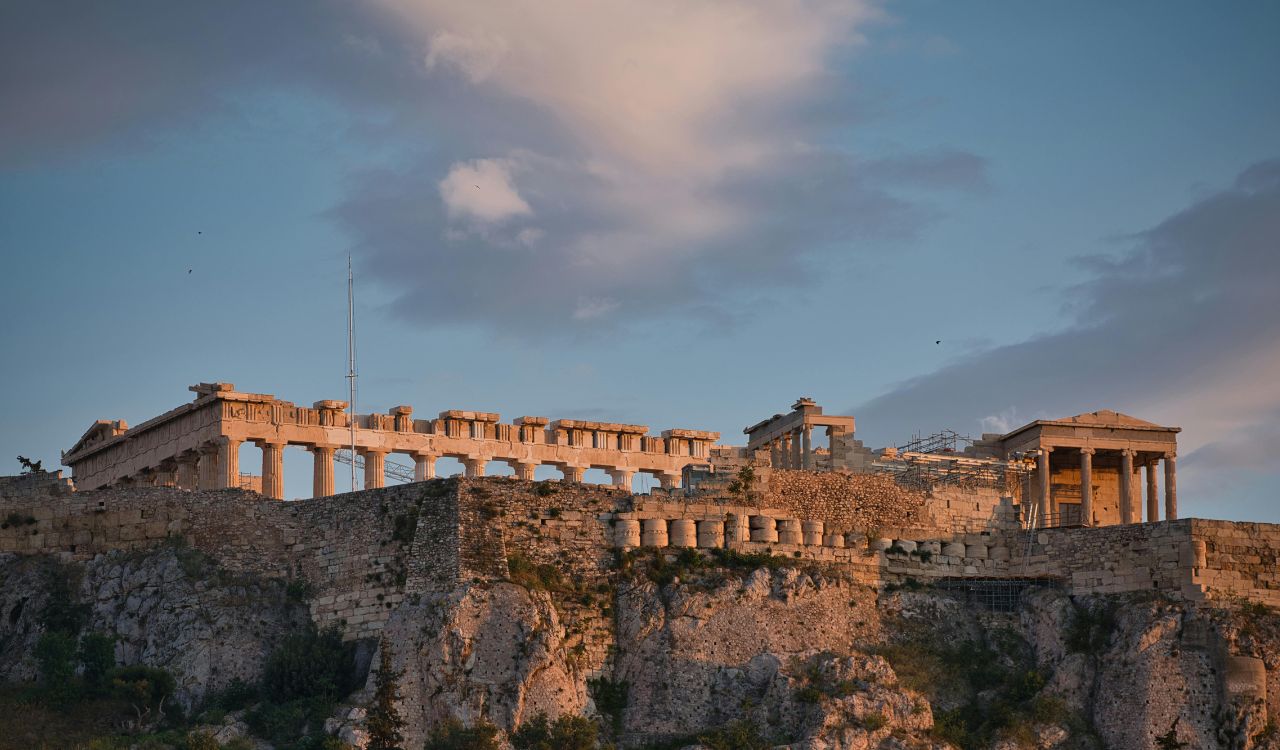
Standing atop Athens’ Acropolis, the Parthenon was built in 447 BCE to honor Athena, the city’s patron goddess. Its Doric columns, sculpted friezes, and perfect proportions reflect classical Greek architectural ideals. Though partially ruined, it remains an emblem of Greece’s golden age and democratic ideals. Visitors to the site witness the grandeur of ancient Athens and its lasting influence on Western architecture and philosophy through its enduring design.
The Alhambra (Spain)
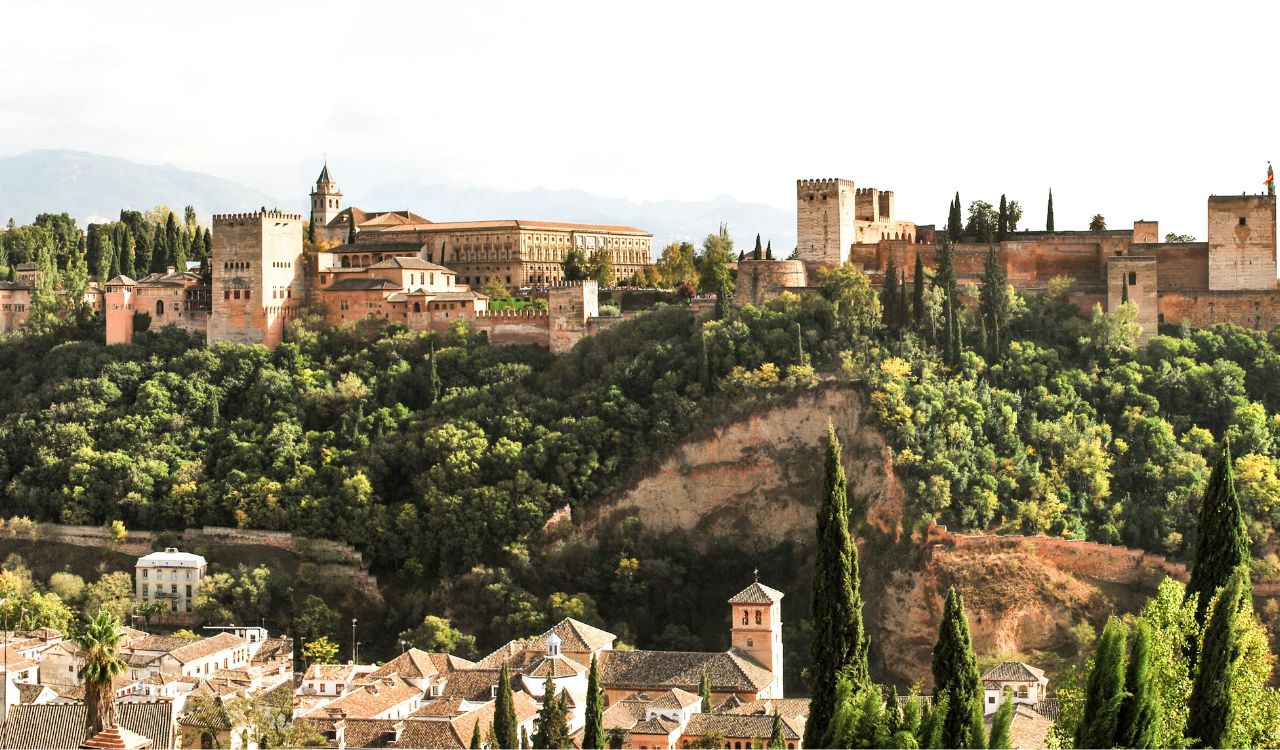
Located in Granada, the Alhambra is a stunning palace and fortress built during the 13th and 14th centuries by the Nasrid dynasty. Its exquisite Islamic art, intricate tilework, and serene gardens highlight Moorish culture in medieval Spain. Later Renaissance additions blend harmoniously with its original design. Walking through its ornate halls and courtyards immerses visitors in a blend of history, artistry, and cultural fusion that defines its enduring global appeal.
The Hagia Sophia (Turkey)
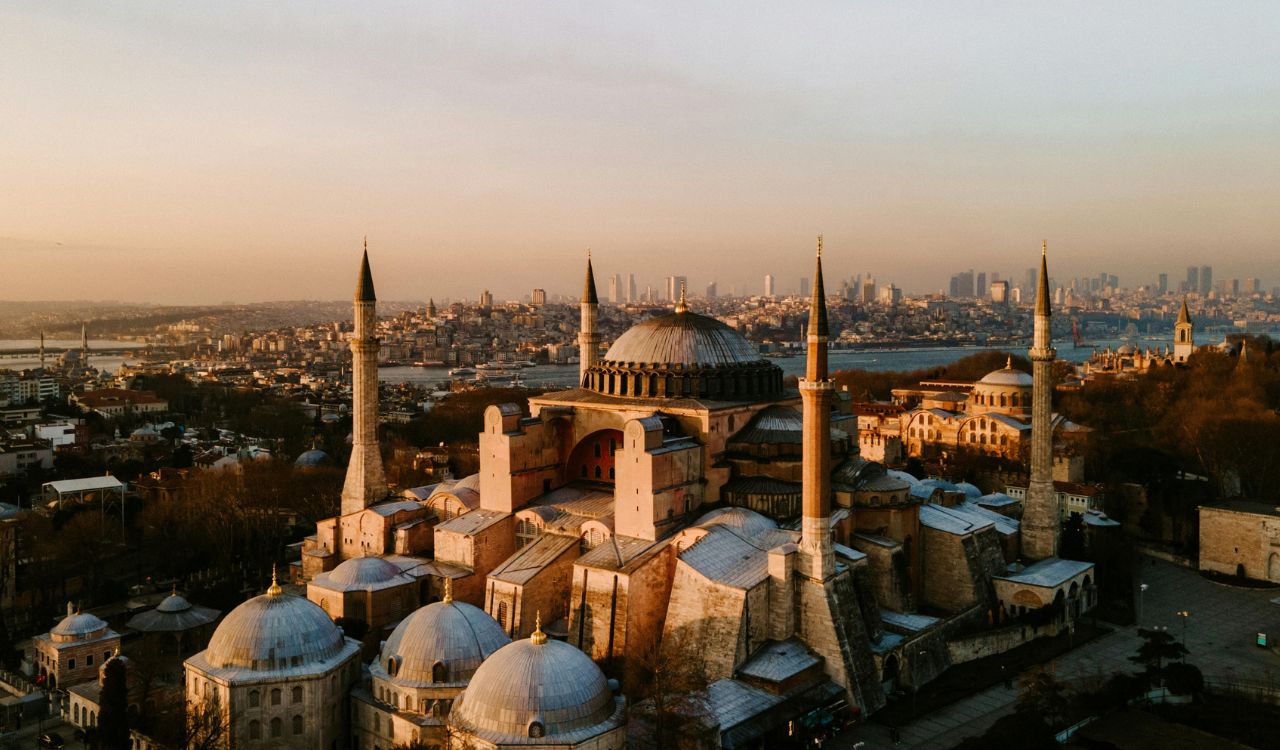
Built in 537 CE, Hagia Sophia in Istanbul is a masterpiece of Byzantine architecture. Its massive dome, towering arches, and elaborate mosaics exemplify ancient engineering skill. Initially a cathedral, later a mosque, and now functioning as a mosque once again, it represents centuries of cultural and religious transformation. Visitors marvel at its scale and artistry, making it one of the most significant architectural and historical sites in the world.
Luxor Temple (Egypt)
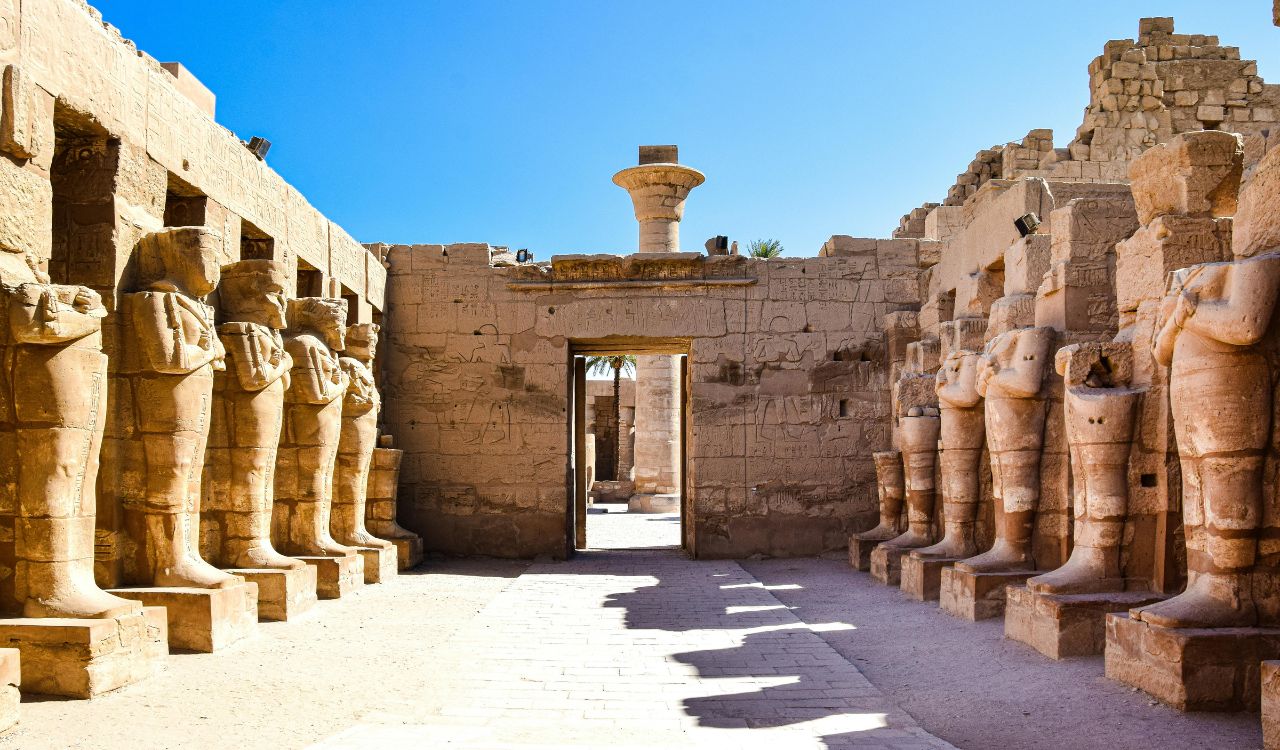
Luxor Temple, located on the east bank of the Nile, is a striking monument to ancient Egypt’s grandeur. Built around 1400 BCE and expanded by pharaohs like Amenhotep III and Ramses II, it was dedicated to the Theban Triad of gods. Known for its colossal statues, towering columns, and detailed hieroglyphs, it served as a significant religious center. Today, it remains a captivating site, especially when illuminated at night, showcasing Egypt’s enduring architectural brilliance.