Top 10 Japanese Etiquette Fails by U.S. Newbies
We may earn money or products from the companies mentioned in this post. This means if you click on the link and purchase the item, I will receive a small commission at no extra cost to you ... you're just helping re-supply our family's travel fund.
Japan is known for its deep respect for tradition, order, and social harmony. For U.S. travelers, cultural differences can be surprising, and even well-intentioned visitors often make etiquette mistakes without realizing it. While locals are generally understanding toward tourists, learning these customs helps you avoid awkward moments and demonstrates respect. Here are the top 11 etiquette fails U.S. visitors often make in Japan and how to avoid them.
Handing Money Directly to Cashiers
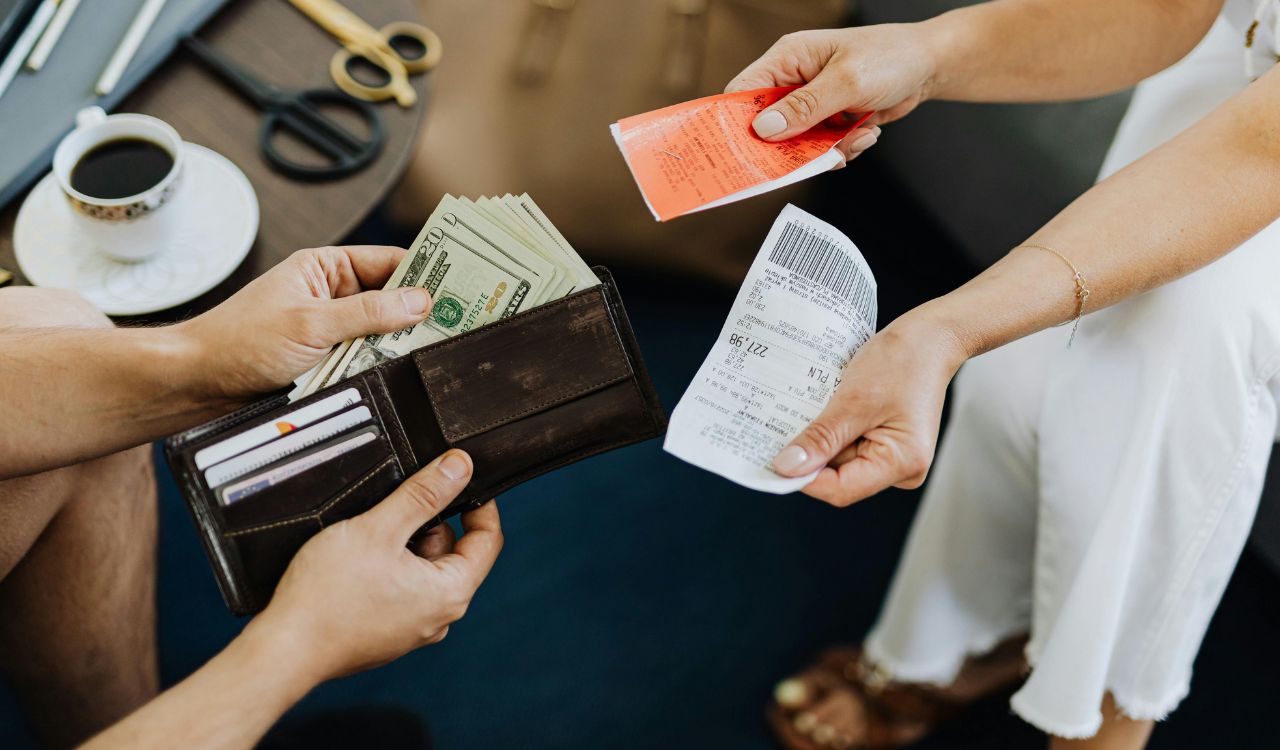
In Japan, it’s customary to place cash in a small tray provided at the register instead of handing it directly to the cashier. Passing money hand-to-hand feels informal and can be seen as impolite. When paying, place bills or coins in the tray and allow the cashier to return change the same way. This simple action shows that you understand local customs and helps transactions feel smoother and more respectful for both you and the cashier.
Public Displays of Affection

While holding hands is generally acceptable, kissing, hugging, or other intimate displays in public are considered inappropriate in Japan. Such behaviors may make others uncomfortable, especially in formal or traditional settings. Cultural norms value discretion and personal space, so affection is usually kept private. Respecting this practice helps you blend in more naturally and avoids drawing unwanted attention or embarrassment in quieter or conservative social environments.
Ignoring Onsen (Hot Spring) Etiquette
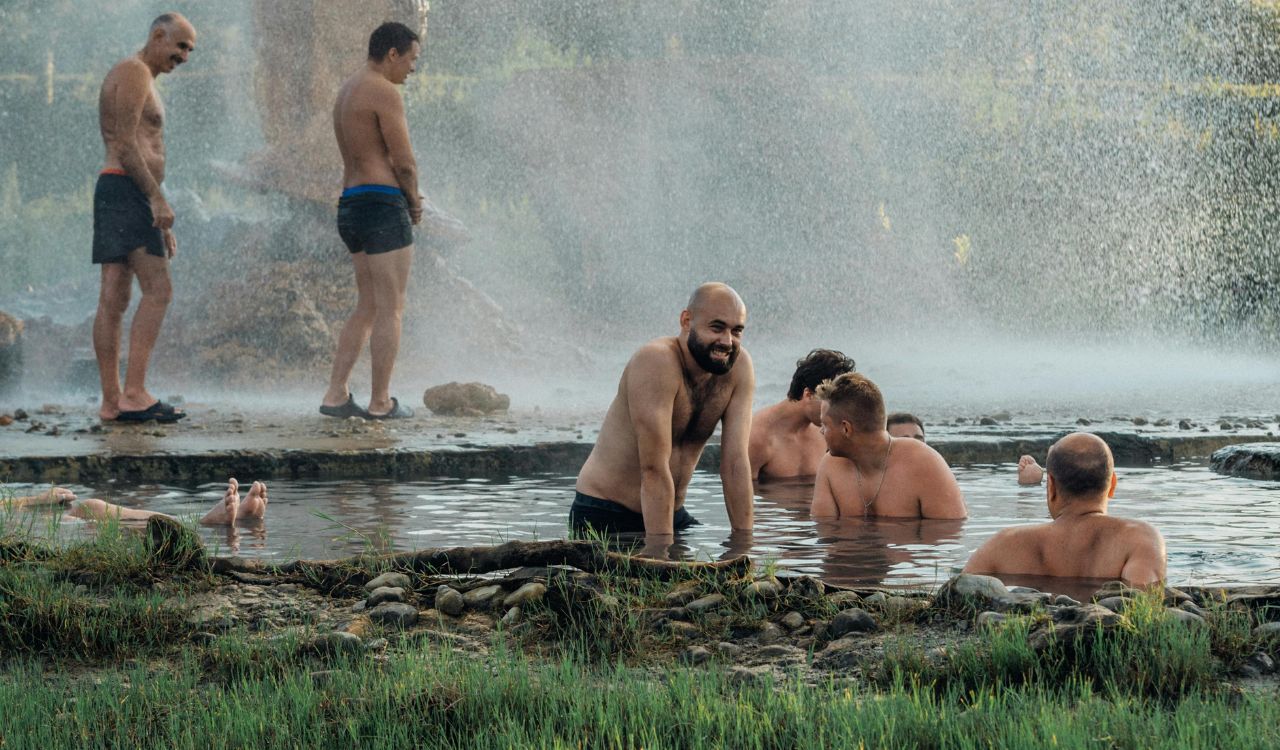
Onsens are deeply tied to Japanese culture and relaxation, but strict etiquette applies. Always shower thoroughly before entering, remove all clothing unless a swimsuit is permitted in rare mixed-gender facilities, and never bring towels into the water. Tattoos may need to be covered due to cultural associations with organized crime. Following these rules ensures cleanliness and respect for fellow bathers, creating a harmonious experience in these traditional communal hot springs.
Skipping the Queue
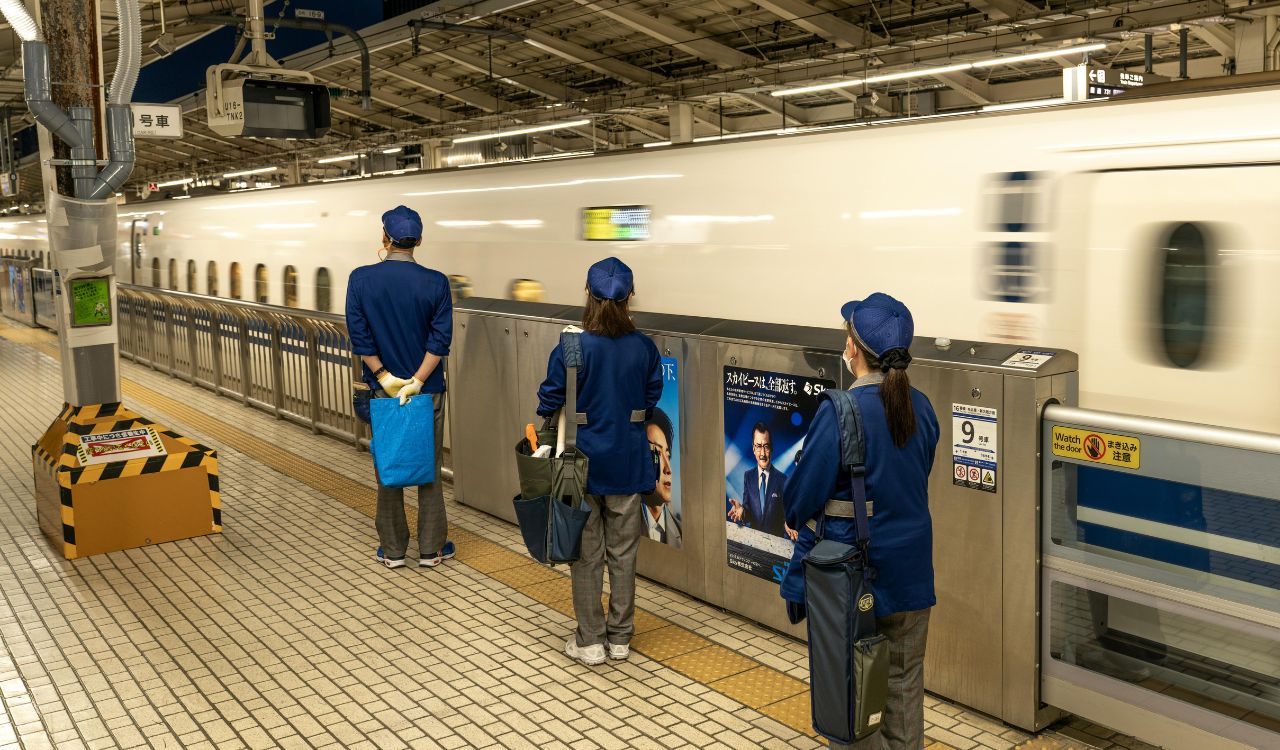
Orderly queuing is a cornerstone of Japanese society, whether you’re boarding trains, standing on escalators, or waiting at stores. Cutting in line or ignoring designated queue areas is viewed as disrespectful and disruptive. Always stand in marked spots and follow the flow of people ahead of you. Even at busy stations, this sense of organized patience keeps everything efficient. Joining the line properly shows courtesy, avoids conflict, and aligns with Japan’s respect for social order.
Misusing Chopsticks
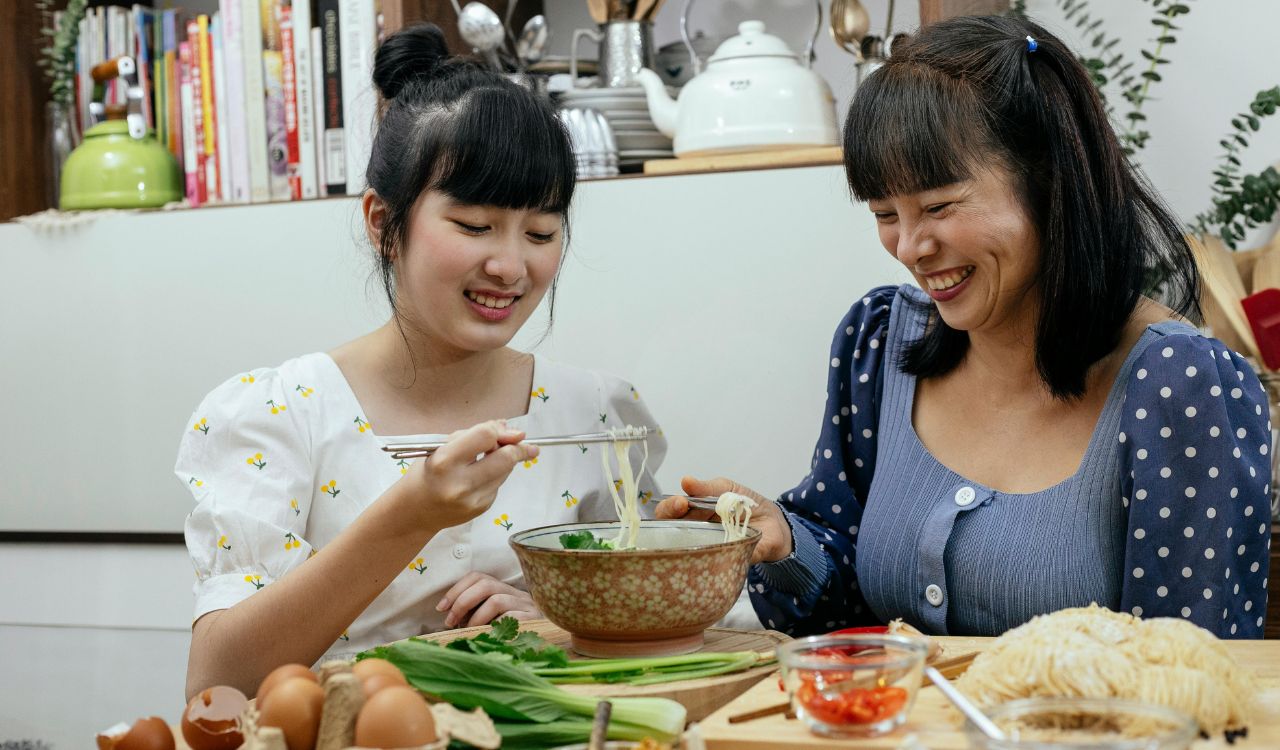
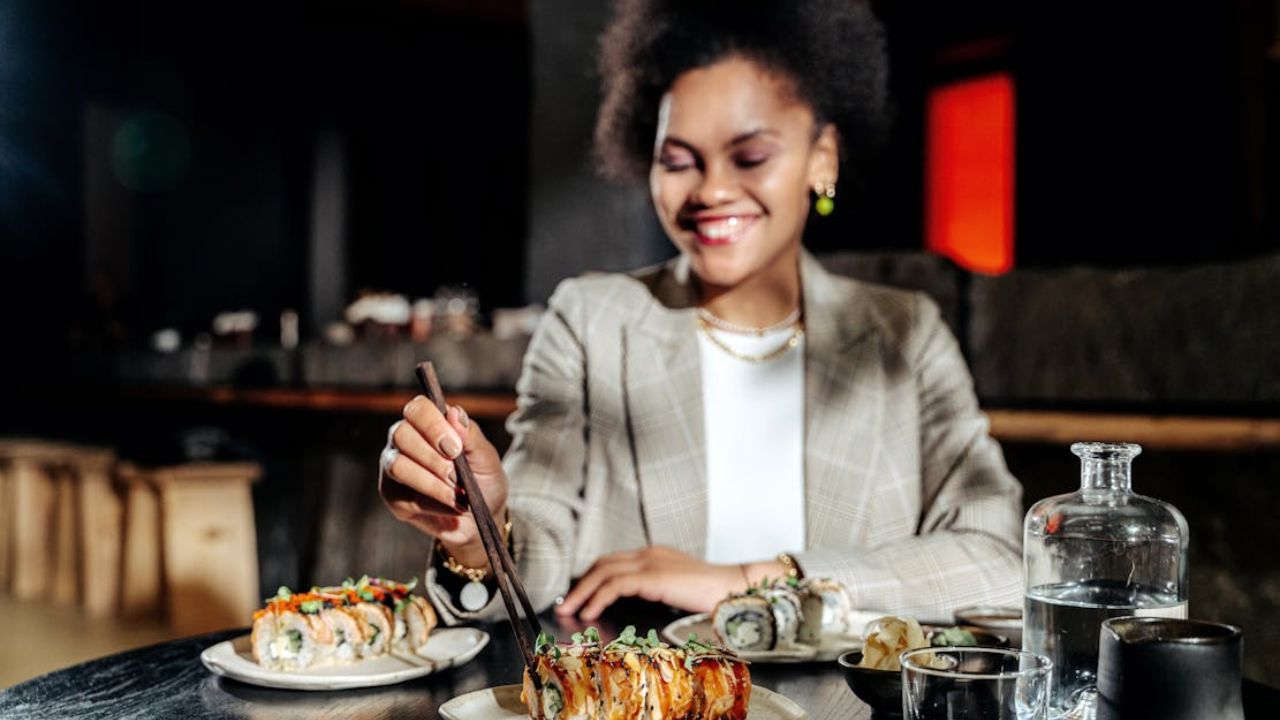
Chopstick etiquette carries deep meaning in Japan. Passing food from one set of chopsticks to another or sticking them upright in rice mirrors funeral rituals and is seen as offensive. Additionally, avoid pointing, waving, or stabbing food with chopsticks. When not in use, rest them on the holder provided or neatly across your bowl. These simple habits demonstrate cultural awareness, respect for traditions, and make dining experiences more enjoyable for you and those around you.
Blowing Your Nose in Public

Blowing your nose loudly in public is considered impolite and unhygienic in Japan. Locals typically sniff discreetly until they can step into a restroom or private space. Carry tissues for emergencies, but use them discreetly and avoid drawing attention. This custom reflects Japan’s emphasis on politeness and maintaining public harmony. Being mindful of this small habit helps you fit in and prevents discomfort for those around you in shared spaces like trains or restaurants.
Talking Loudly on Public Transport
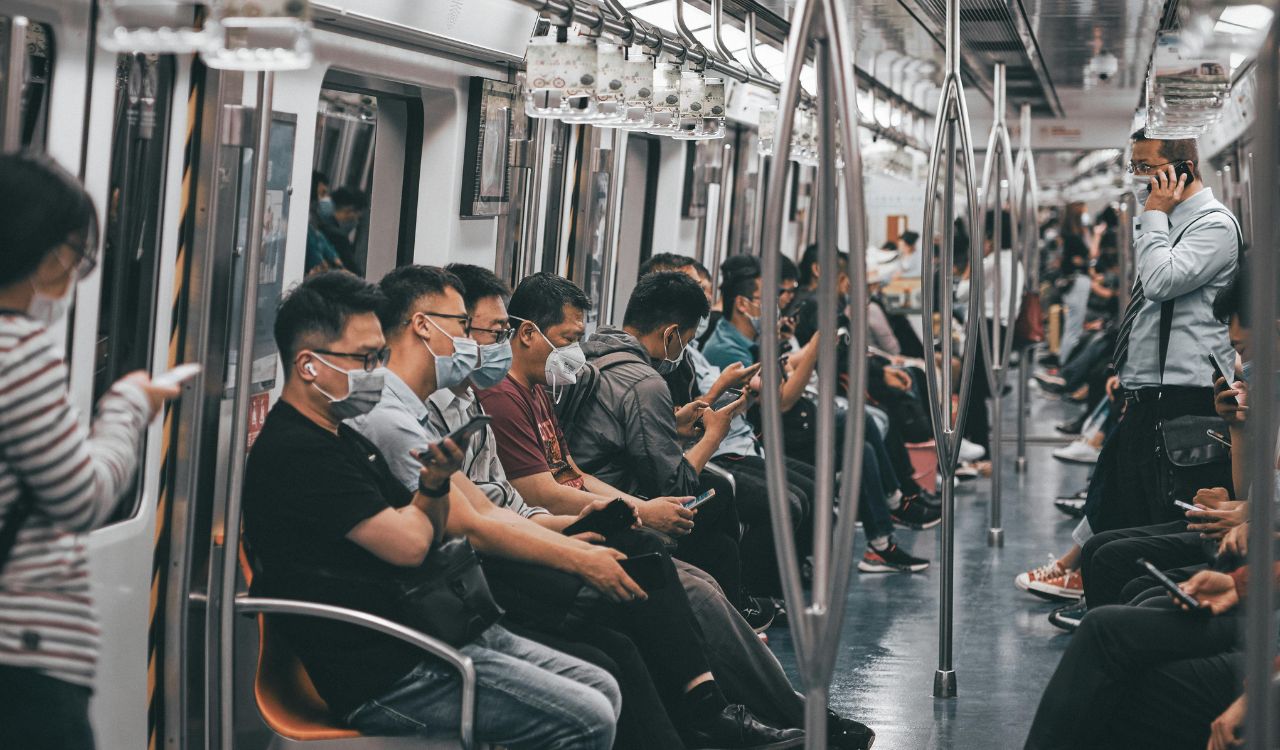
Japanese trains and buses are quiet zones where passengers rest, read, or listen to music. Loud conversations or phone calls disrupt this atmosphere and are frowned upon. Keeping your voice low and refraining from calls maintains this peaceful environment. Some train cars even have “quiet car” signs where silence is expected. Adopting this behavior not only shows respect for local norms but also allows you to appreciate Japan’s calm and considerate public transport culture.
Eating While Walking

Eating on the go is generally considered impolite in Japan. Food is meant to be enjoyed calmly at designated areas, restaurants, or standing spaces near vending machines and kiosks. Walking while eating can be viewed as sloppy and inconsiderate, particularly in crowded areas where spills are more likely. Finish your meal before moving on to your next destination. This small adjustment respects Japan’s clean streets and cultural preference for mindful, seated dining.
Forgetting to Remove Shoes
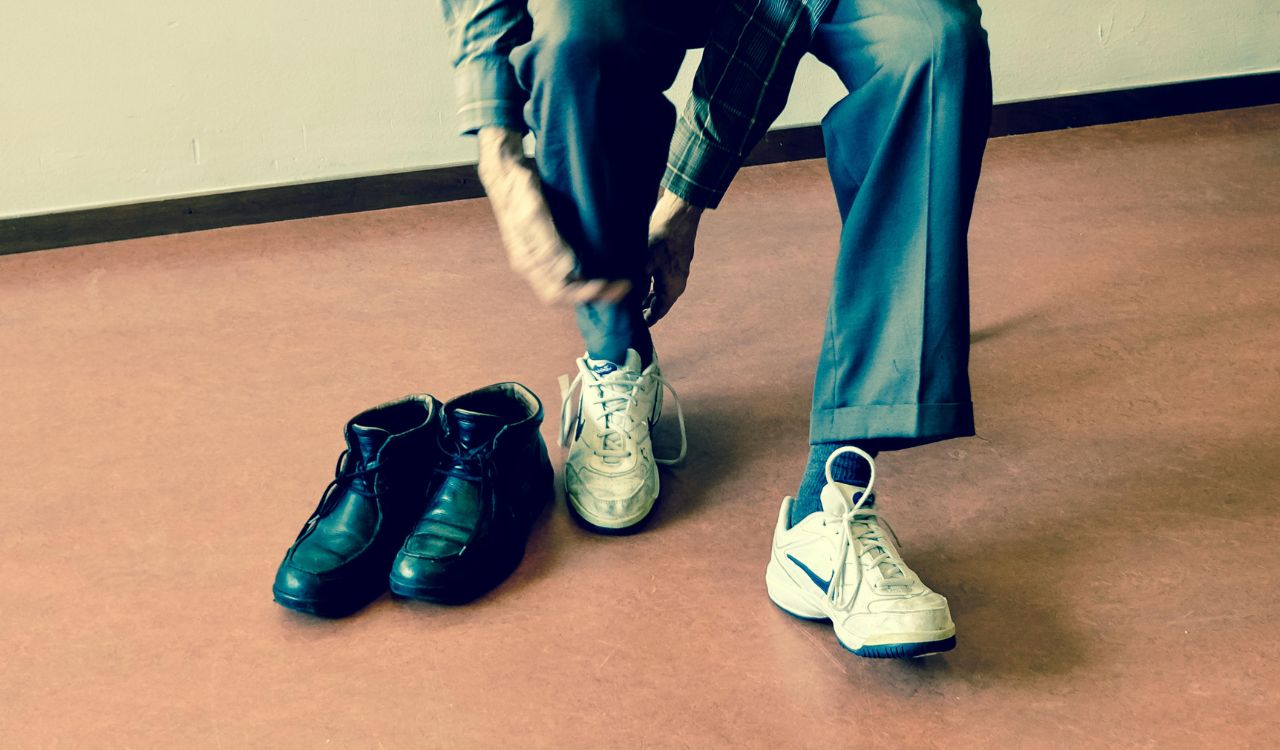
Shoes are removed before entering homes, ryokan (traditional inns), temples, and even some restaurants. Entryways often provide slippers or cubbies as a clear signal. Walking indoors with shoes on is seen as disrespectful and unhygienic. Watch for signs near doors, and when in doubt, observe what locals do. Removing your shoes is a simple yet important gesture that reflects attentiveness to Japanese customs and helps you avoid awkward moments with hosts or establishments
Leaving Tips
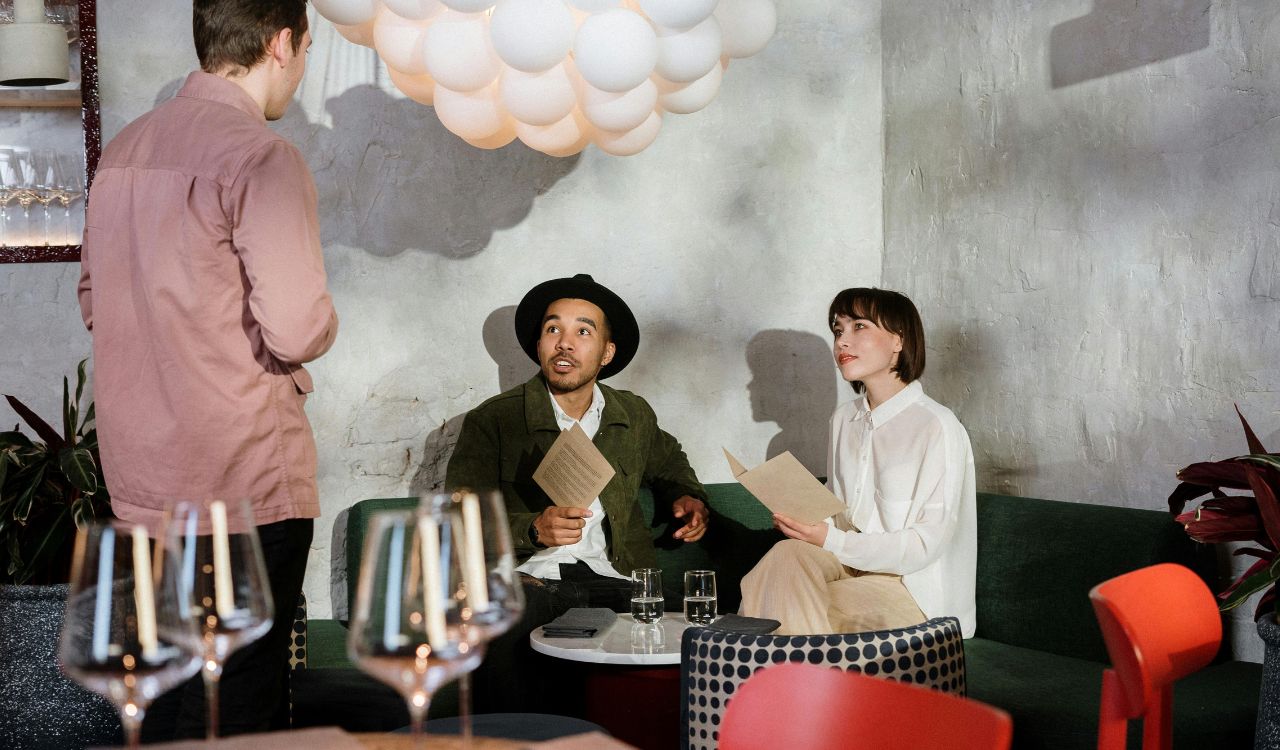
Tipping is not practiced in Japan and may be seen as confusing or even insulting. High service standards are built into the culture, so staff don’t expect extra payment. Leaving cash on the table might lead to staff running after you, thinking you forgot it. Instead, express gratitude verbally with a polite “arigatou gozaimasu” (thank you very much). A small wrapped gift is more appropriate if you want to show extra appreciation for exceptional service.