Tourists Are Getting Hurt Doing These Things — and None of It Looks Dangerous Until It Is
We may earn money or products from the companies mentioned in this post. This means if you click on the link and purchase the item, I will receive a small commission at no extra cost to you ... you're just helping re-supply our family's travel fund.
When people imagine travel dangers, they imagine the dramatic version: getting robbed at gunpoint, contracting a tropical disease, being caught in a natural disaster. These things happen. They’re also, statistically, not what’s actually hospitalizing tourists.
What’s actually hospitalizing tourists — by a wide, documented, consistent margin — is a set of mundane decisions. Decisions that feel safe. Decisions that thousands of other tourists are making simultaneously, which creates a false sense of normalcy. Decisions that look completely fine right up until they aren’t.
Here is an honest accounting of what actually hurts tourists, gathered from hospital data, travel insurance claim patterns, and the experiences of people who’ve been through it.
The Scooter Rental Decision That Ruins Thousands of Vacations Every Year
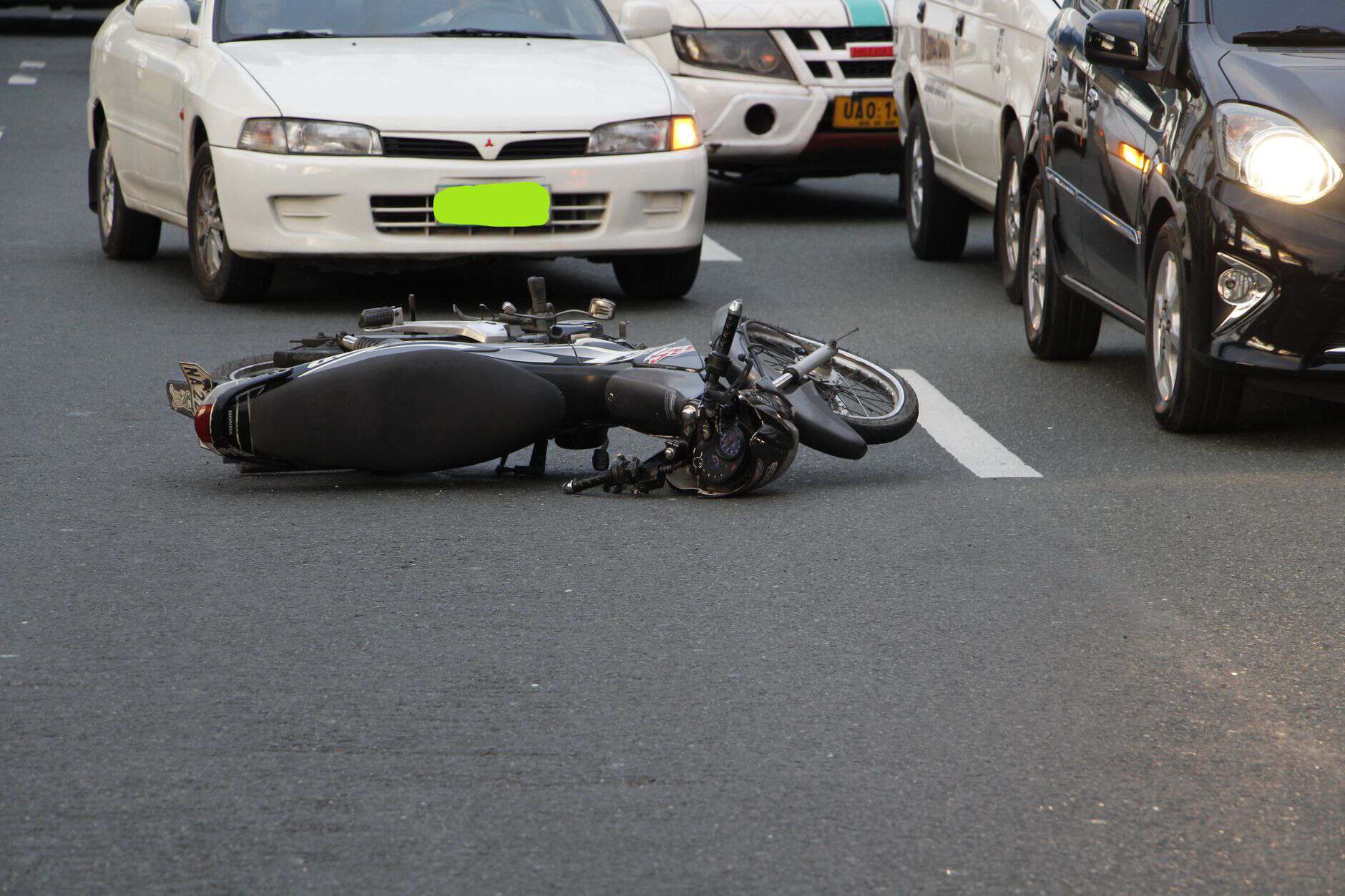
Bali. Thailand. Vietnam. Greece. Portugal. Mykonos. The scooter rental is ubiquitous, cheap, and feels like the authentic local experience. It’s also one of the single most reliable ways to end up in a foreign hospital.
The data on this is not ambiguous. Bali’s hospitals report that scooter accidents involving tourists account for a significant portion of their trauma admissions — some hospitals estimate 70–80% of foreigner-related injuries. Thailand’s tourist injury data tells a similar story. In Santorini, local medical staff openly describe scooter injuries as a reliable daily occurrence during tourist season.
Why are tourists so specifically vulnerable to scooter accidents?
- Most have never ridden a scooter or motorcycle — they learn on the rental, on unfamiliar roads, in the same hour
- Road surfaces, traffic patterns, and driving customs differ dramatically from home — what looks like a slow road can have unexpected hazards
- Tourist areas often have uniquely dangerous road conditions: steep hills, cobblestones, unpaved sections, unexpected gravel
- Many tourists rent without helmets, or with helmets that don’t fit properly, because rental operators often have limited stock
- Sunburn, alcohol, unfamiliar food, and disrupted sleep all impair judgment and reaction time in ways people genuinely underestimate
The financial dimension compounds the physical one. Your regular health insurance almost certainly doesn’t cover medical care abroad. Your travel insurance may not cover scooter accidents if you don’t have a valid motorcycle license from your home country — check your policy’s language carefully, because “motorized vehicle” exclusions are common.
Swimming at Beaches That Locals Don’t Swim At
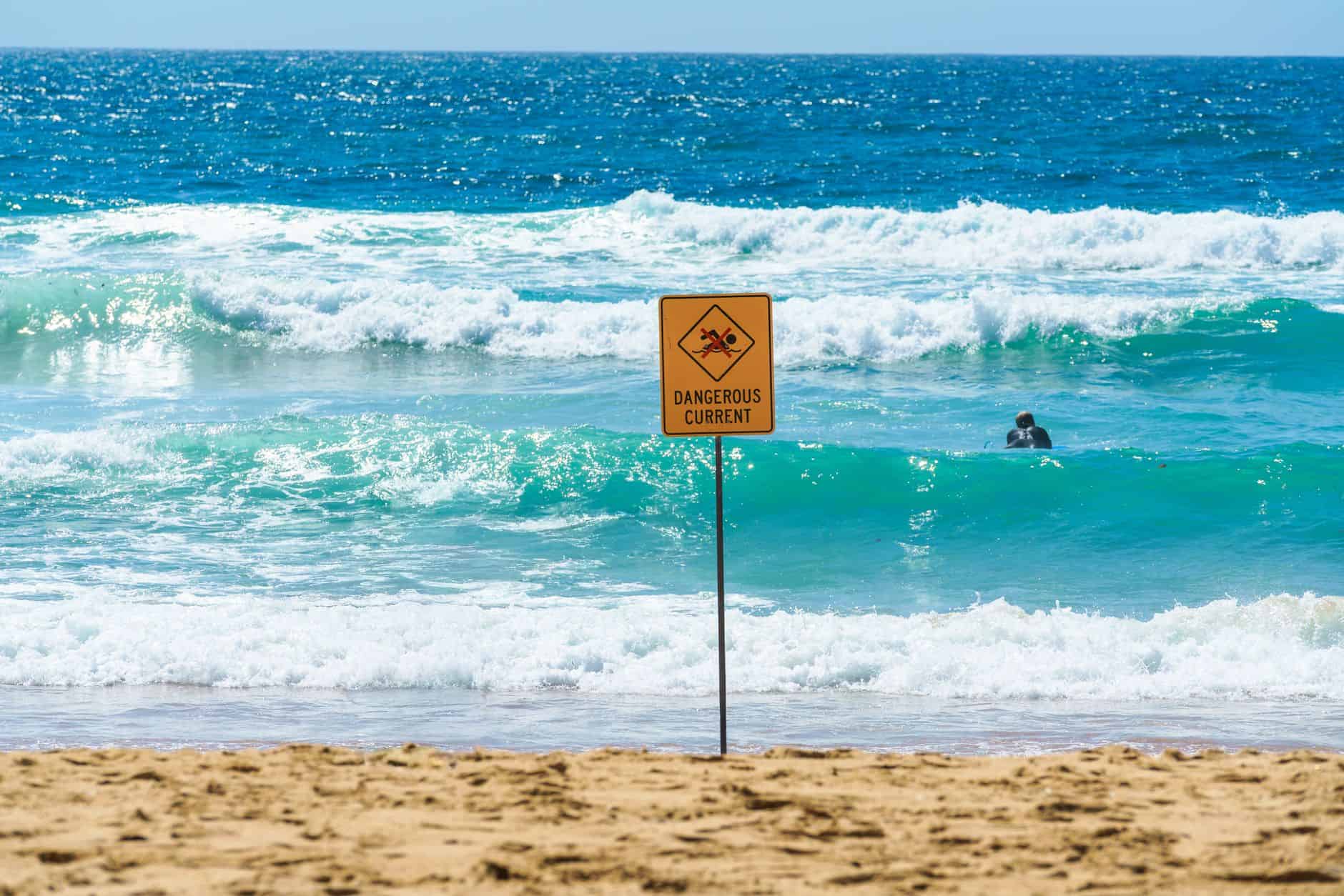
This one has a simple diagnostic: if a beautiful beach with no signs or barriers is nonetheless completely empty of local people on a warm day, stop and ask why before you get in the water.
Rip currents are the primary mechanism by which tourists drown at seemingly safe beaches. The United States Lifesaving Association estimates that rip currents account for approximately 80% of surf rescue operations and are responsible for 100 or more drowning deaths in the U.S. annually. In international destinations without staffed lifeguard towers — which is most of them — the risk is simply unmanaged.
Rip current survival requires a specific response (swim parallel to shore, not against the current toward shore) that most people don’t know and can’t execute calmly in a panic situation.
Other water dangers tourists routinely underestimate:
- River currents in tropical destinations: That beautiful jungle swimming hole often has currents that are invisible from the surface and significantly more powerful than they look
- Waves at cliffside viewpoints: Several famous coastal photography spots worldwide have killed tourists who stepped too close to wave-swept ledges — the waves come without warning and with forces measured in tons
- Stinging marine life: Box jellyfish in Australia and Southeast Asia can cause fatal reactions within minutes. Most beach areas where they’re present have season warnings that tourists don’t see or don’t take seriously.
The Street Food Math That Most Tourists Get Wrong
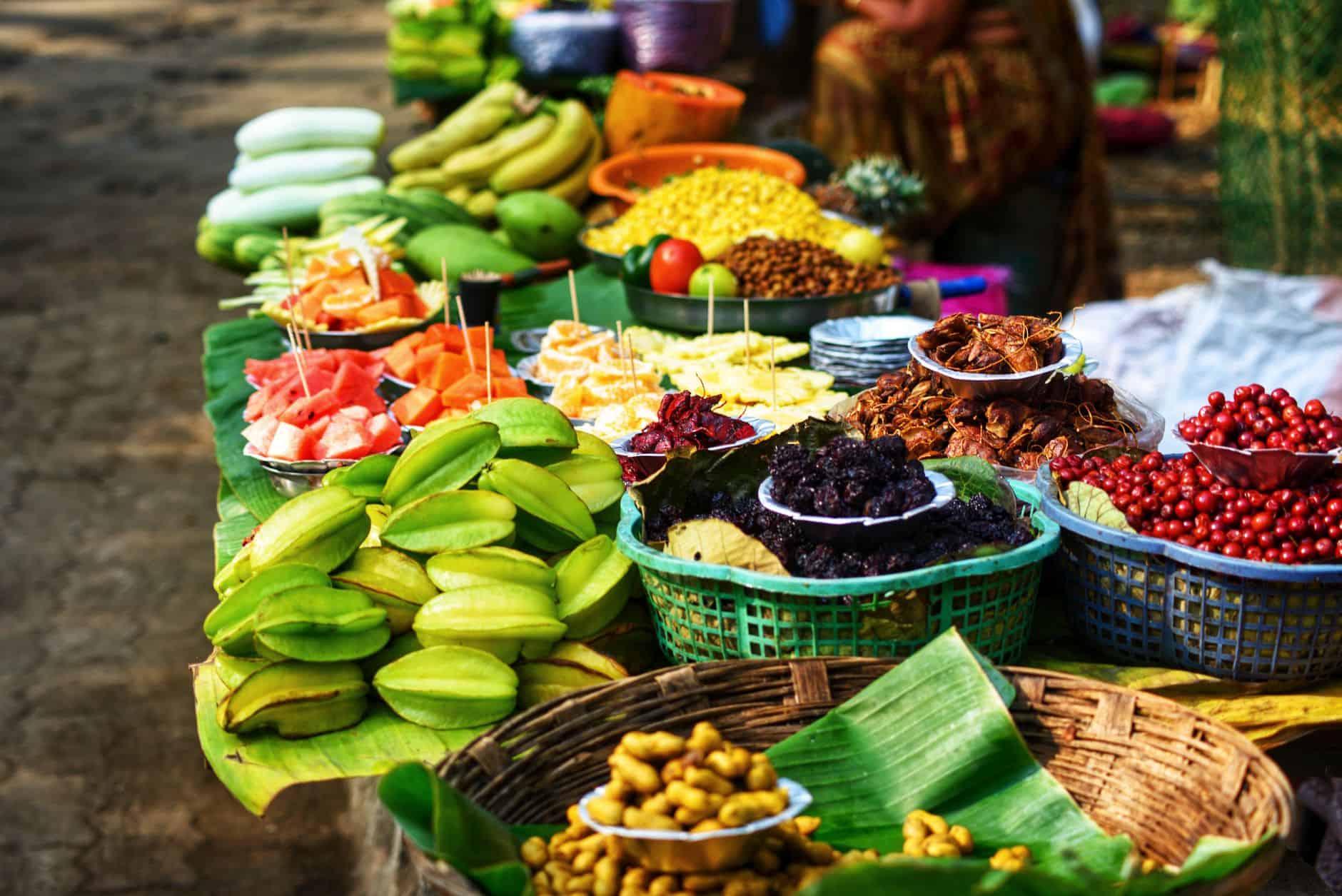
Street food is one of the genuine joys of international travel and also genuinely does give people food poisoning. The question isn’t whether to eat it — it’s which stalls and under what circumstances.
The factors that actually predict street food safety:
- Turnover rate: Food sitting in a bain-marie all day is different from food being cooked fresh to order. Look for the stall with the line — high turnover means food isn’t sitting.
- Visible cooking temperature: Food cooked at high heat in front of you is safe. Precooked food kept warm at lukewarm temperatures is not.
- Ice and water source: Raw salads washed in tap water and drinks with ice made from tap water are a significant vector in destinations where tap water isn’t safe for foreigners. This trips up people who are being careful about drinking water but forget about the ice in their cocktail.
- Shellfish and raw seafood: These are high-risk even at established restaurants in some destinations, because cold chain management is inconsistent.
The typical traveler’s diarrhea experience is miserable but not dangerous for healthy adults. The more serious food poisoning events — the ones requiring IV rehydration at a clinic — happen most often to people who made one specific high-risk choice (usually the precooked food sitting in a warm display case) rather than accumulated small risks.
Why Sun Exposure Kills More Vacations Than Any Other Single Thing
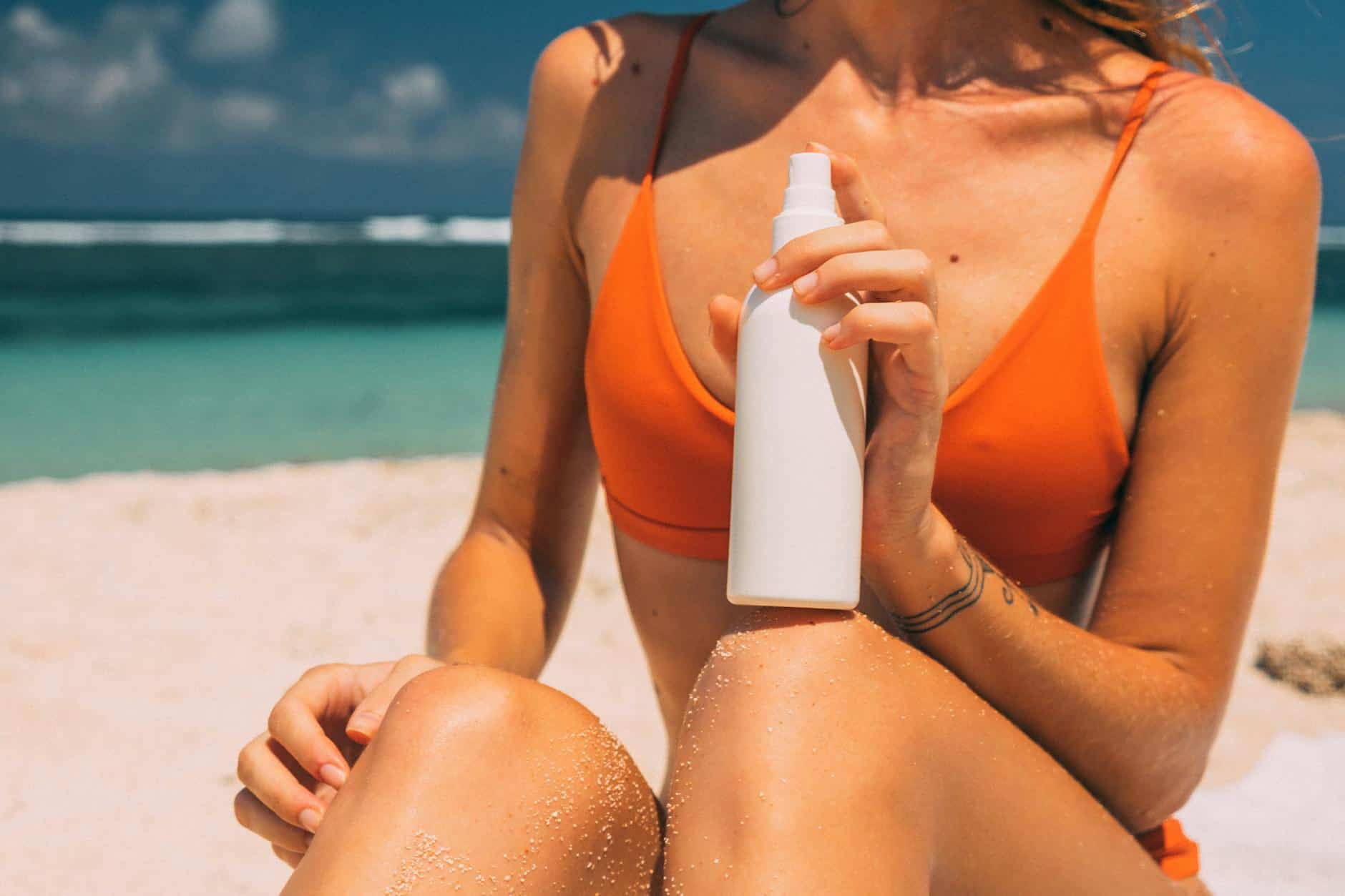
Not literally kills — though heat stroke is genuinely fatal and more common in tourists than any other demographic. But in terms of sheer vacation-ruination statistics, sunburn and heat illness account for an enormous percentage of travel medical incidents.
The underestimation of equatorial sun intensity is stunning. Someone from Minnesota visiting Mexico in July is experiencing UV radiation significantly higher than anything their skin has adapted to, and they’re often doing it while dehydrated (flying dehydrates people severely), after alcohol (which compounds dehydration and impairs sunscreen reapplication timing), on medications that may increase photosensitivity, and for far longer than they would at home.
Heat stroke — not heat exhaustion, but actual heat stroke — has a mortality rate of up to 30% without immediate treatment. Symptoms (confusion, cessation of sweating, very high body temperature) often develop when the person is already too impaired to recognize them.
- Drink a full water bottle before leaving for any outdoor activity
- Reapply SPF 50 every 90 minutes, not every 4 hours as the label suggests for non-tropical conditions
- Identify shade stops in your planned route before you’re desperate for them
- If you feel nauseated or stop sweating during exertion in heat, stop immediately and get to a cool environment — these are serious warning signs
The Altitude Problem That People Genuinely Don’t Take Seriously
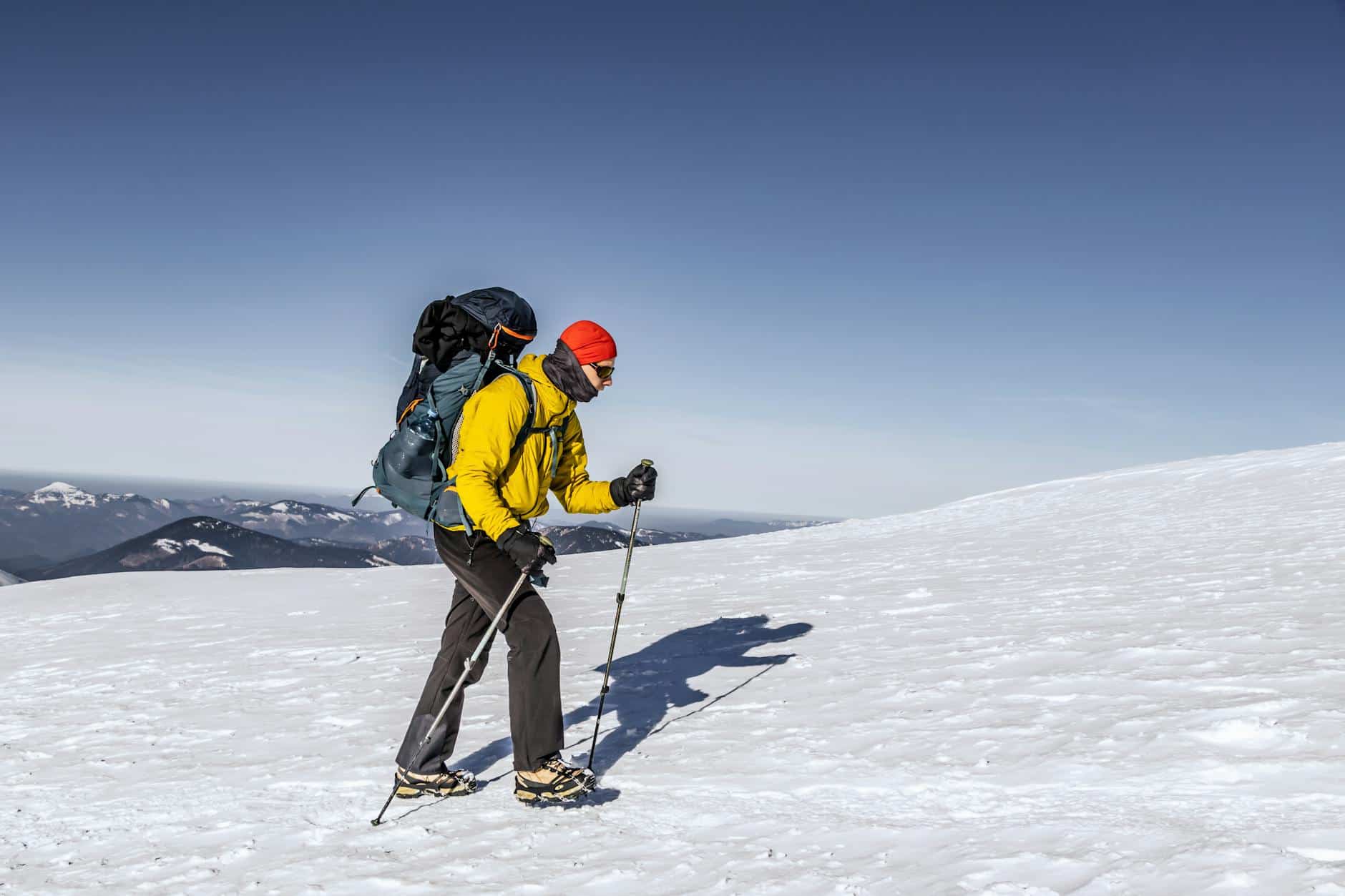
Altitude sickness doesn’t discriminate by fitness level. This is the thing that surprises people most. Fit, healthy, athletic tourists get altitude sickness. It is determined by acclimatization rate, not fitness, and it can turn genuinely dangerous (high altitude pulmonary or cerebral edema) if not managed.
The most common scenario: flying from sea level directly to Cusco, Peru (11,150 feet) or La Paz, Bolivia (11,942 feet) and immediately trying to sightsee, hike, or go on a tour.
Symptoms to know:
- Headache
- Nausea
- Fatigue disproportionate to activity
- Dizziness
- Insomnia
The correct response is rest, hydration, and descent if symptoms worsen. The medications Acetazolamide (Diamox) can significantly reduce symptoms when taken proactively, prescribed by your doctor before travel.
Hiking Unprepared in Unfamiliar Terrain
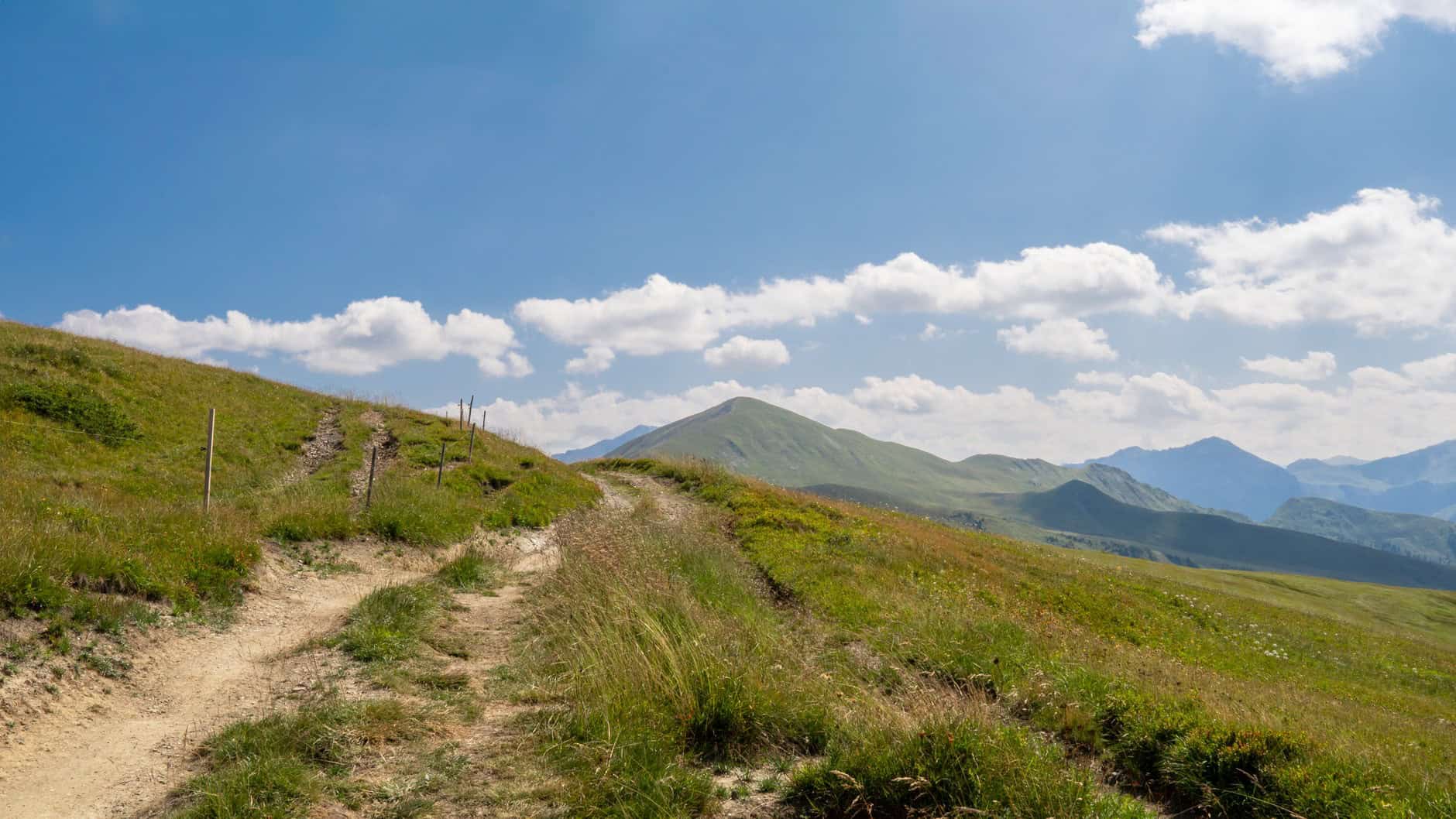
National parks and popular hiking destinations worldwide see a consistent pattern: tourists who have done trails at home attempt similar-looking trails in unfamiliar environments without accounting for dramatically different difficulty, weather, and rescue distance.
The classic failure modes:
- Underestimating distances: A 5-mile trail in humid, hot conditions at elevation is not the same as a 5-mile flat trail near sea level on a cool day
- Starting too late: Many mountain thunderstorm patterns make afternoon hiking on exposed ridges genuinely dangerous
- Insufficient water: The recommended 0.5 liters per hour of hiking is not flexible when the nearest water source is hours away
- No navigation backup: Cell service on most backcountry trails is unreliable, and people who navigate entirely by phone GPS are regularly stranded when batteries die
The ATM and Transportation Decisions That Are Statistically Dangerous
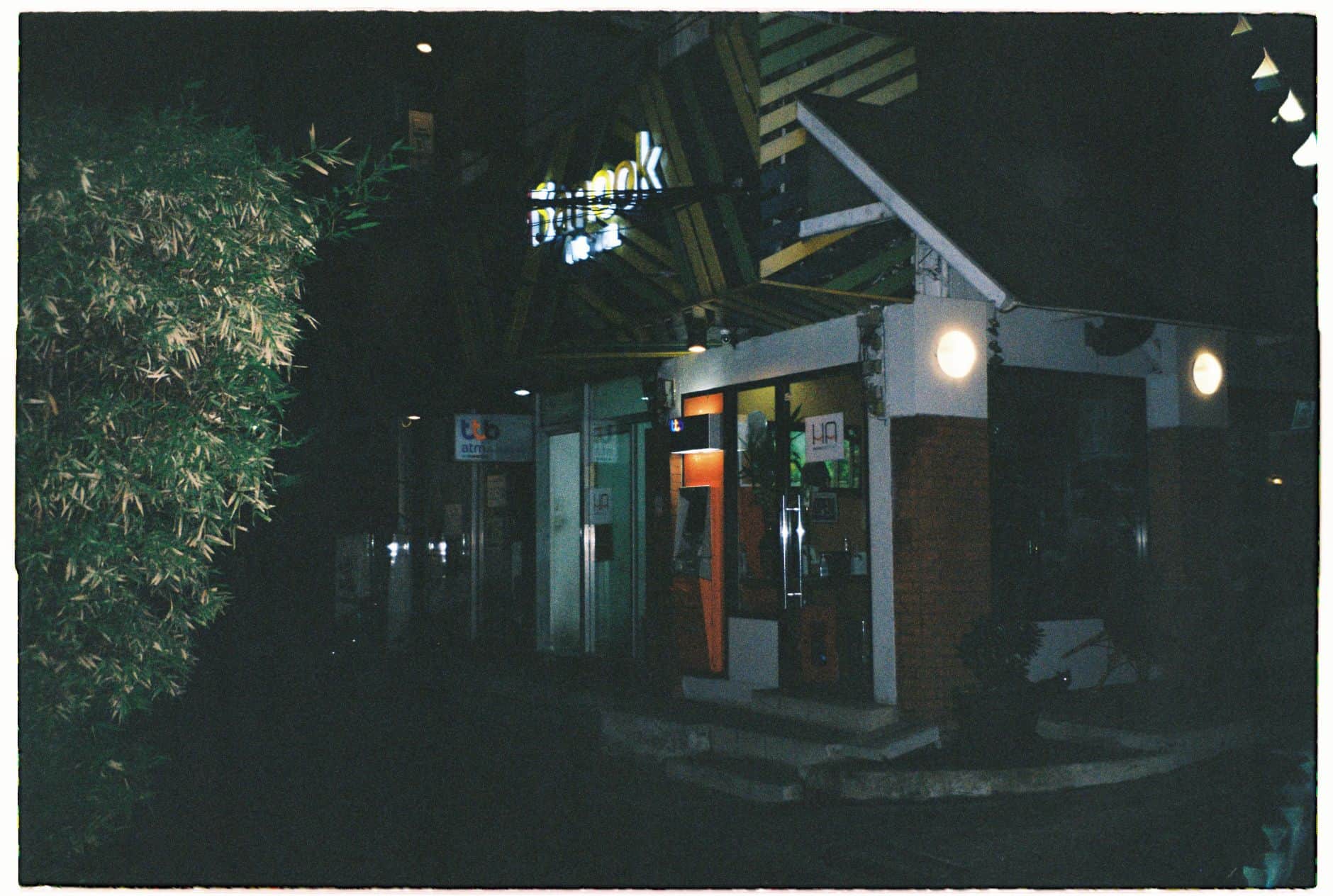
This category is about personal security, not physical injury, but it ruins a comparable number of vacations.
Statistically risky decisions:
- Using standalone ATMs in poorly lit or isolated locations, especially at night
- Accepting rides from unlicensed taxi drivers outside airports — this is the primary mechanism for tourist robbery in many destinations
- Displaying expensive camera equipment, phones, or jewelry in high-density tourist areas where pickpocketing is documented and common
- Carrying your passport as your walking-around ID instead of a copy
What Travel Insurance Actually Covers When Any of This Happens

Buying travel insurance is necessary. Buying the right kind is the part people get wrong.
Most standard travel insurance policies cover:
- Trip cancellation and interruption
- Baggage loss
- Basic medical expenses up to a limit (often $10,000–$50,000)
Most standard policies do NOT automatically cover:
- Medical evacuation (can cost $50,000–$150,000) without a specific rider
- Scooter or motorcycle accidents if you lack the appropriate license
- Adventure activities: zip-lining, parasailing, rock climbing, off-piste skiing — check your specific policy
- Pre-existing conditions without a specific pre-existing condition waiver purchased within a narrow window of initial booking
For most international trips, the minimum adequate coverage includes medical evacuation coverage of at least $100,000 and explicit adventure activity coverage if any active tourism is planned. The companies that frequent travelers most often recommend for comprehensive coverage include World Nomads, Allianz, and Travel Guard — but read the actual policy documents, not just the summary.
None of this is meant to induce paralysis. Most vacations are uneventful. The point is that the risks that actually get tourists are boring, preventable, and almost universally the result of underestimation — not drama. Know what they are, plan around them, and you’ll almost certainly be fine.