Why So Many Americans Are Discovering Their Own Country in Their 30s and 40s — After Years of Only Looking Abroad
We may earn money or products from the companies mentioned in this post. This means if you click on the link and purchase the item, I will receive a small commission at no extra cost to you ... you're just helping re-supply our family's travel fund.
This article contains affiliate links. If you purchase through our links, we may earn a commission at no extra cost to you.
Katherine spent her 20s collecting passport stamps. London at 23, Japan at 25, Peru at 27, Morocco at 29. She was proud of the map on her wall. She knew what a good croissant was supposed to taste like and had opinions about which Southeast Asian countries had been overrun by tourism and which were still authentic.
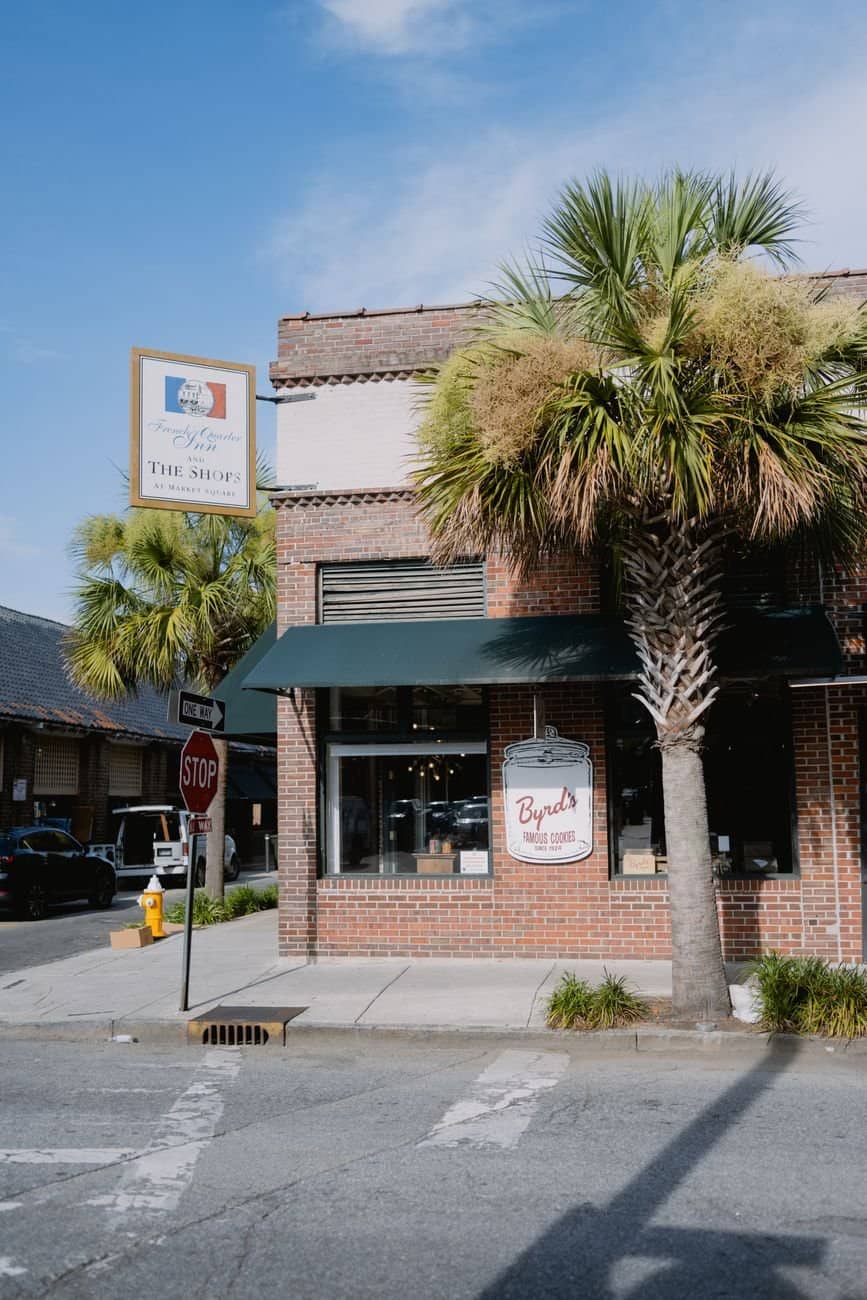
At 38, she took her first real road trip through the Gulf Coast of Mississippi and Alabama — places she’d driven past on the interstate, never stopped. She came back talking about it the way she used to talk about Morocco.
“I had been doing this thing,” she said, “where anything domestic was a consolation prize. I never thought to look at where I actually live.”
Her story is a version of one that’s being told thousands of times across the country right now. Americans in their 30s and 40s who spent years organizing their travel identity around international destinations are turning the lens inward — and finding that they’ve been underestimating their own country for a long time.
The Generation That Was Trained to Look Away From Home
There’s a specific cultural pressure that shaped how Millennial-age Americans understood travel. The sophisticated traveler — the one whose identity you wanted to inhabit — went abroad. They collected passport stamps, not state stickers. They talked about “authentic” experiences in other countries while treating domestic travel as what families with small children and people on tight budgets did.
This pressure was heavily class-coded. International travel was expensive and therefore prestigious. The Eurotrip after graduation was a rite of passage for people from certain economic backgrounds and almost entirely absent from others. For those who could do it, the international orientation felt like access to a larger, more serious world. The US, which you already knew and lived in, was by definition less interesting than the places you hadn’t been.
This logic has its appeal. There’s genuine value in going somewhere that challenges your assumptions about how the world is organized. But the framework had a significant blind spot: it assumed that you already knew your own country, that familiarity had exhausted its discovery potential. Most people who grew up in this framework had experienced almost none of the US outside the corridors between major coastal cities.
What Changed — And It’s Not Just the Pandemic

The 2020 travel shutdown gets credit in many retellings for forcing Americans to rediscover domestic options. That’s partly true — the structural elimination of international travel made people look at what was available domestically, and many of them found it genuinely good.
But the shift started earlier and has continued for reasons that aren’t primarily logistical. Many travelers who’d done the international circuit in their 20s arrived in their 30s with a different set of desires. They wanted places with narrative depth, not just photogenic unfamiliarity. They wanted food that meant something, not just food that was foreign. They wanted to understand a place rather than move through it.
International travel can deliver all of that, but it takes time and engagement that a ten-day trip often doesn’t provide. Meanwhile, the US — which most travelers had never seriously explored — was right there, drivable, familiar enough to navigate confidently but mostly unknown in its specific regional character.
The Specific Kind of Abroad-Envy That Was Driving Things
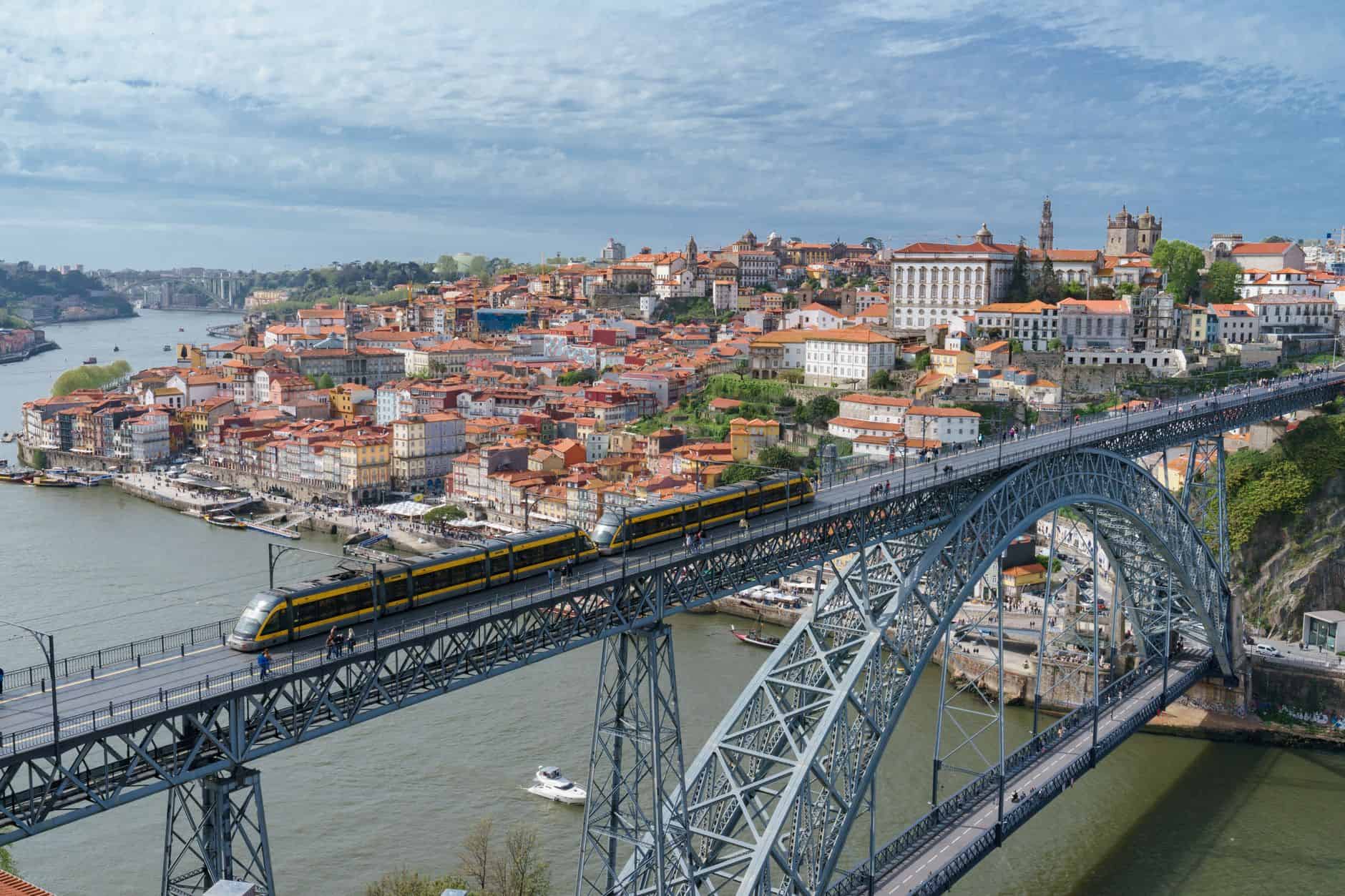
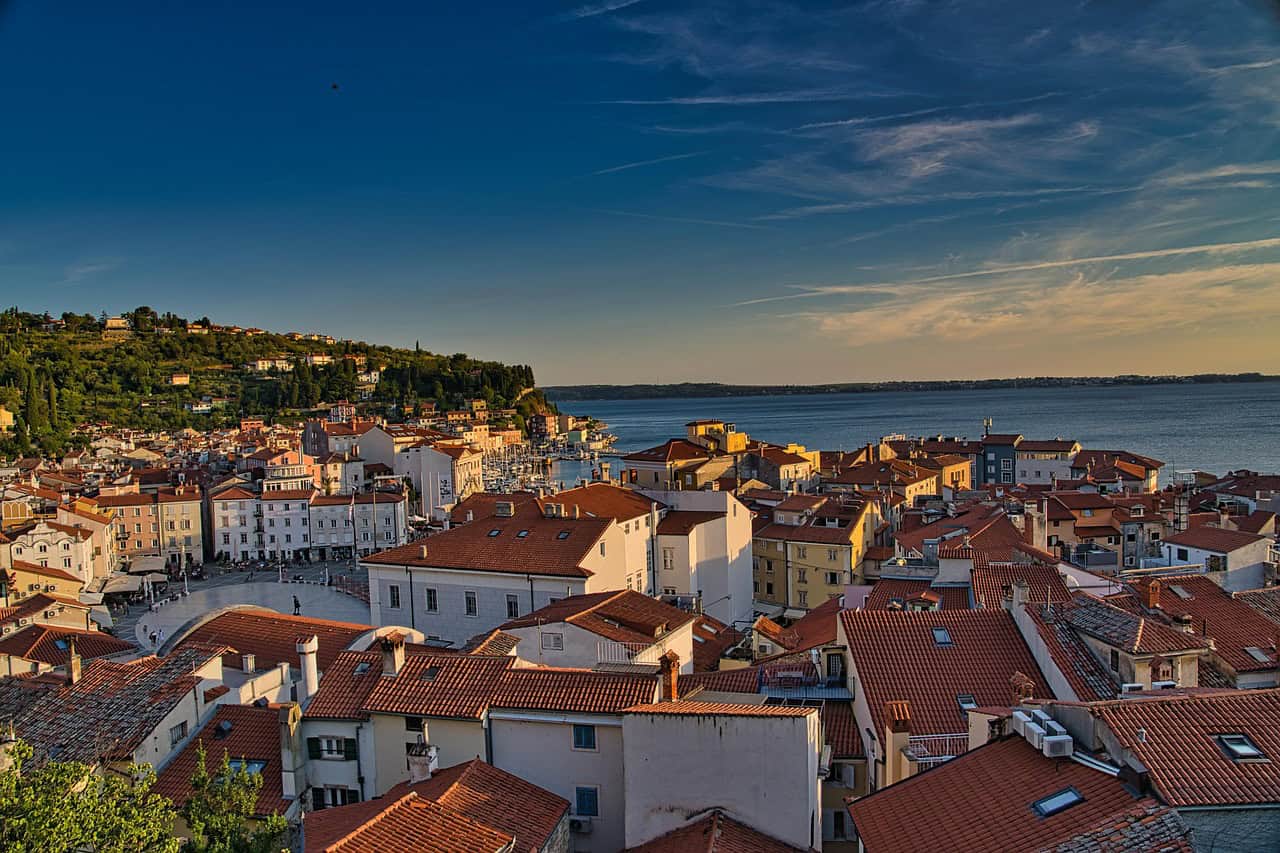
For many American travelers who’d prioritized international destinations, the appeal was partly reactive: a desire to experience what seemed absent at home. European cities had history carved into their streetscapes. Asian cities had food cultures of extraordinary complexity and tradition. Latin American countries had landscapes and colonial architecture and a pace of life that felt more human than the American default.
What this framework missed is that the US has its own profound version of most of these things — they’re just distributed differently and less legible to people who’ve been taught to look for European templates.
The history is there, but it lives in landscapes rather than cathedrals — in the trail of a 19th-century cattle drive across Kansas, in the Reconstruction-era buildings of a Mississippi Delta town, in a Mission church in New Mexico built by coerced Indigenous labor in 1610. The food culture is there, but it’s hyperlocal and resistant to the kind of categorization that makes it easy to seek out.
The travelers who are rediscovering domestic travel are often the ones who’ve become capable of reading the American version of what they loved about international travel — and finding that it was here the whole time.
What People Are Actually Finding When They Look Closer to Home
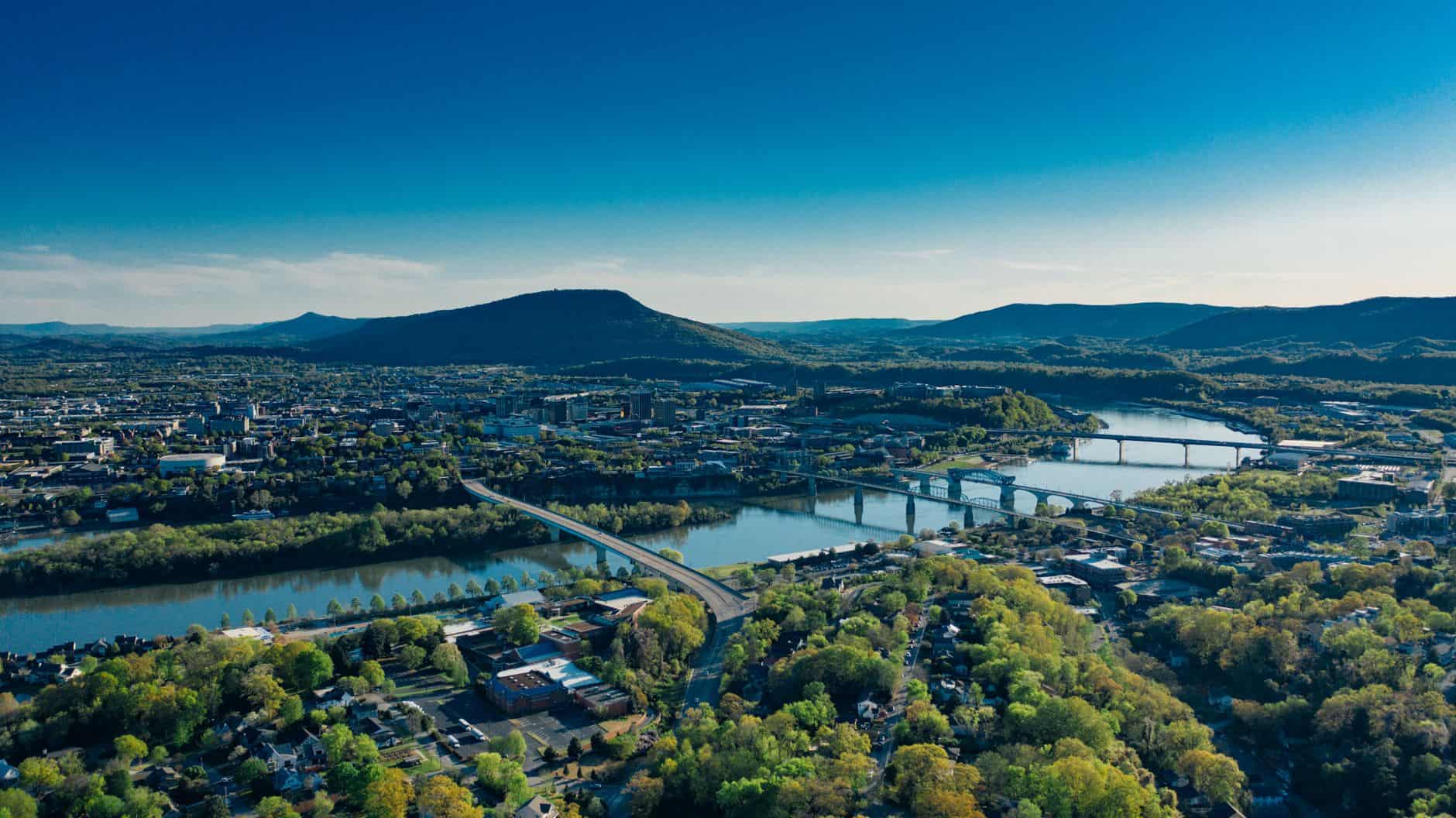
The most common theme in the accounts of travelers who’ve turned toward regional US exploration is surprise at the specificity of place. American regional identity — the cultural differences between Appalachia and the Texas Hill Country and the Upper Midwest and the Maine coast — is far more pronounced than the American tendency toward national homogeneity suggests.
The New England fishing towns have a texture that is genuinely irreplaceable. The Louisiana bayou country is like nothing else on the continent. The high desert of New Mexico operates on a physical and psychological register that’s unlike the coastal Pacific or the Rocky Mountain high country or the Great Plains. The Appalachian hollows and their specific culture of music and craft and dark-humored storytelling are not approximated anywhere else.
America’s physical scale means that the regional differences are geographic as well as cultural. A traveler who spends a week in coastal Maine and a week in the Ozarks and a week on the Texas Gulf Coast has been in three places as climatically, geographically, and culturally different from each other as three different European countries.
The Food Revelation That Keeps Coming Up

Food comes up in almost every account of this domestic rediscovery, and the revelation is usually double: the specific regional food is better than expected, and the story behind it is more interesting than the traveler knew.
The BBQ cultures of the Carolinas, Texas, Kansas City, and Memphis are not variations on a single thing — they’re four distinct culinary traditions with different philosophies, different meats, different sauces, and different regional origins. You can spend an entire trip exploring that argument without covering everything.
The seafood culture of the Gulf Coast — shrimp boats, oyster bars, crawfish boils — is as specific and as deep as the seafood cultures of coastal France, and it’s a four-hour drive from a significant portion of the country. The green and red chile tradition of New Mexico is one of the most sophisticated and historically rooted food cultures in North America. The Czech and German immigrant food cultures of the Texas Hill Country (the bakeries, the sausage shops, the kolaches) are practically unknown outside the region.
For people who spent their international travel years obsessing over food in specific places, the discovery that the US has its own version of this — hyperlocal, historically rooted, and mostly unexported — is one of the most common triggers of the domestic travel conversion.
The Cost Math That’s Become Impossible to Ignore

The financial argument for domestic travel has always existed in theory. In practice, it’s become more compelling as international travel costs have risen and as domestic destinations have improved their options.
A week in Portugal in 2024 involves transatlantic flights, currency exchange, and accommodation in a market where US demand has driven prices up significantly. A week driving through the rural South or the Southwest or New England involves driving costs (or a regional flight), accommodation that runs less expensive than comparable international cities in most cases, and food that is, in many regions, extraordinarily affordable.
The experiential gap that used to justify the international premium has narrowed for travelers who’ve actually explored domestic options. This isn’t an argument that domestic travel is “just as good” as international travel — they serve different functions. It’s an argument that the value ratio has shifted, and many travelers in their 30s and 40s, often now with mortgages and children and less available vacation time, are running the math and landing in a different place than they did at 24.
When International Travel Still Wins
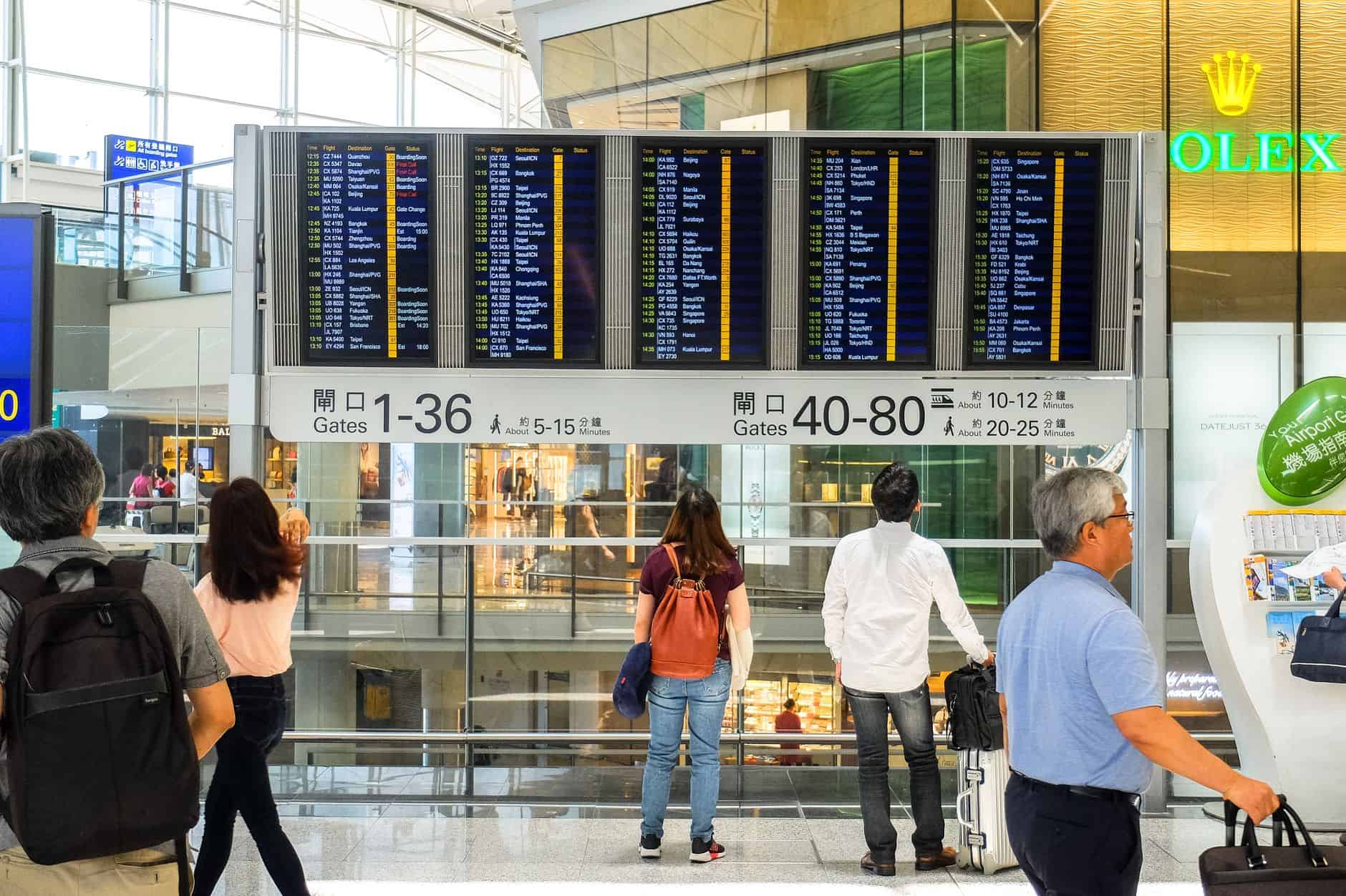
The domestic rediscovery trend doesn’t make international travel less valuable — it reframes what it’s for. The travelers who seem to have figured this out most clearly are the ones who travel internationally with more intentionality than before: longer trips to fewer places, genuine engagement with language and culture and history, slowness rather than coverage.
International travel remains irreplaceable for genuine language immersion, for experiencing political and social systems that are fundamentally different from the American one, for understanding your own country’s particular choices by seeing the alternatives in lived form. The American who spends a month in Japan doesn’t just learn about Japan — they learn something about what the US has chosen to optimize for and what it’s chosen to deprioritize.
What’s changed is the reflex assumption that international automatically means better. That assumption was always lazy. Its replacement — that both domestic and international travel offer genuine and distinct value — is more honest and produces better travel decisions.
What the Shift Says About How Travel Is Changing
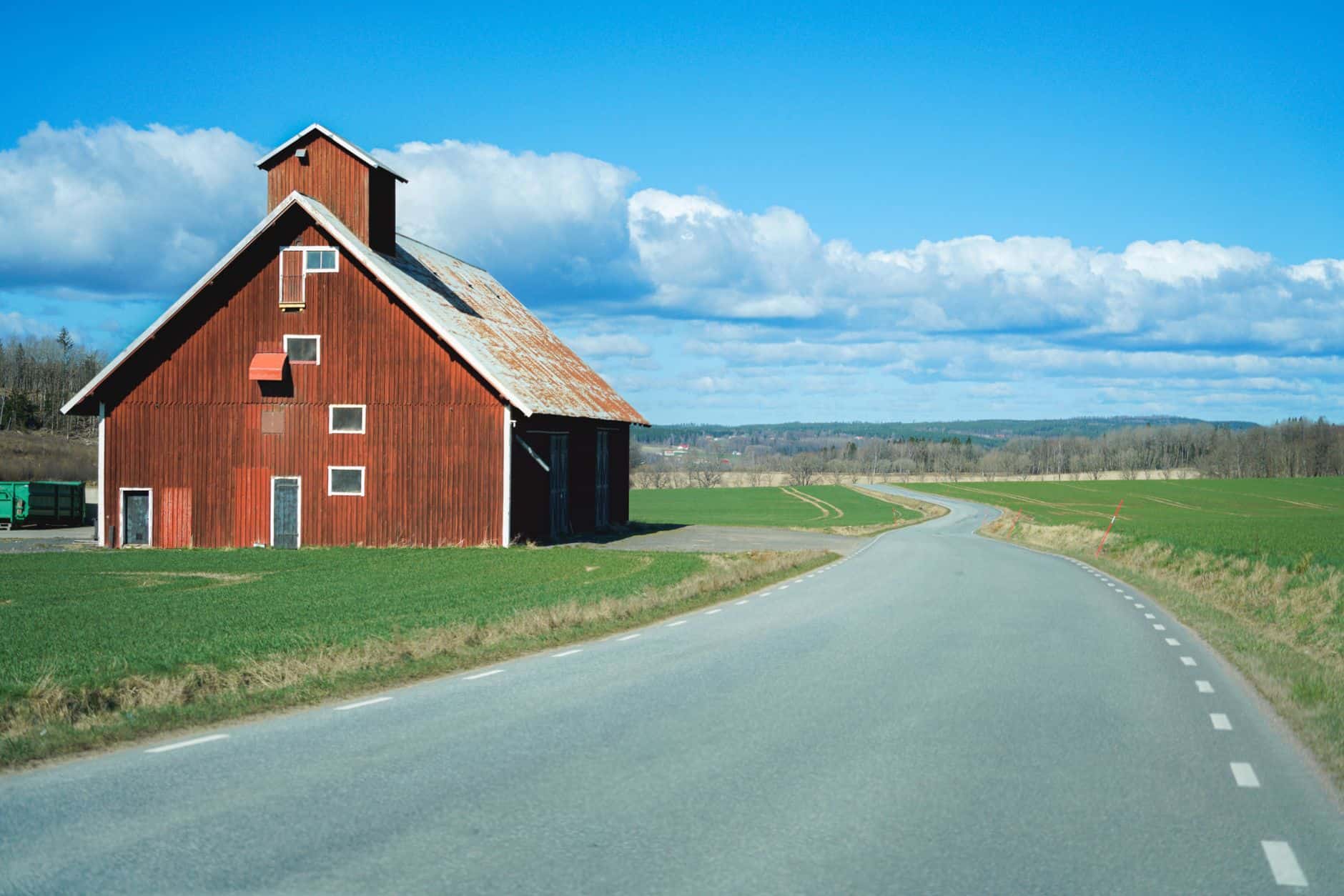
The broader pattern here is about what travelers are optimizing for as they get older. The prestige currency of passport stamps — the map on the wall, the number of countries — was a young person’s metric. It valued novelty and breadth and the social legibility of far-flung destinations.
The domestic turn reflects a shift toward depth, meaning, and engagement. It reflects travelers who’ve realized that the most powerful travel experiences aren’t necessarily the ones that happen farthest from home. They’re the ones that produce genuine knowledge of a place — its landscape, its history, its food, its people — and that knowledge doesn’t require a transatlantic flight to access.
Katherine still has the map on her wall. She’s started adding pins for US states and regions now, with the same seriousness she used to reserve for countries. She says it feels like starting over in the best possible way — like being a beginning traveler again, in the country where she’s lived her whole life.