What Beach Towns Actually Look Like in January — The Locals, the Quiet, and the Off-Season Economy Nobody Talks About
We may earn money or products from the companies mentioned in this post. This means if you click on the link and purchase the item, I will receive a small commission at no extra cost to you ... you're just helping re-supply our family's travel fund.
This article contains affiliate links. If you purchase through our links, we may earn a commission at no extra cost to you.
In the first week of July, the town of Rehoboth Beach, Delaware, has an estimated daily population that swells to ten times its year-round figure. Every hotel room is booked. Every restaurant has a wait. The beach is a wall-to-wall grid of umbrellas and coolers and people whose primary interaction with the town is the parking lot and the boardwalk.
In the second week of January, the same town is almost silent. The taffy shops are closed. The rental cottages are empty. The beach is long and gray and belongs almost entirely to whoever is stubborn or deliberate enough to be there.
This is true of almost every seasonal beach town in America — the Maine coast, the Outer Banks, the Florida panhandle, the Jersey Shore, the Lake Michigan towns of Michigan and Indiana. They have a summer face and a winter face, and the winter face is not a diminished version of the summer. It’s a different town entirely.
The Town Exhales
People who’ve lived in seasonal resort towns for many years describe a physical sensation associated with the end of season. Usually it falls sometime between Labor Day and mid-October, depending on the latitude and the specific town. You feel it before you can see it: a drop in ambient noise, a lengthening of the space between cars, an ability to park and walk without navigating crowds.
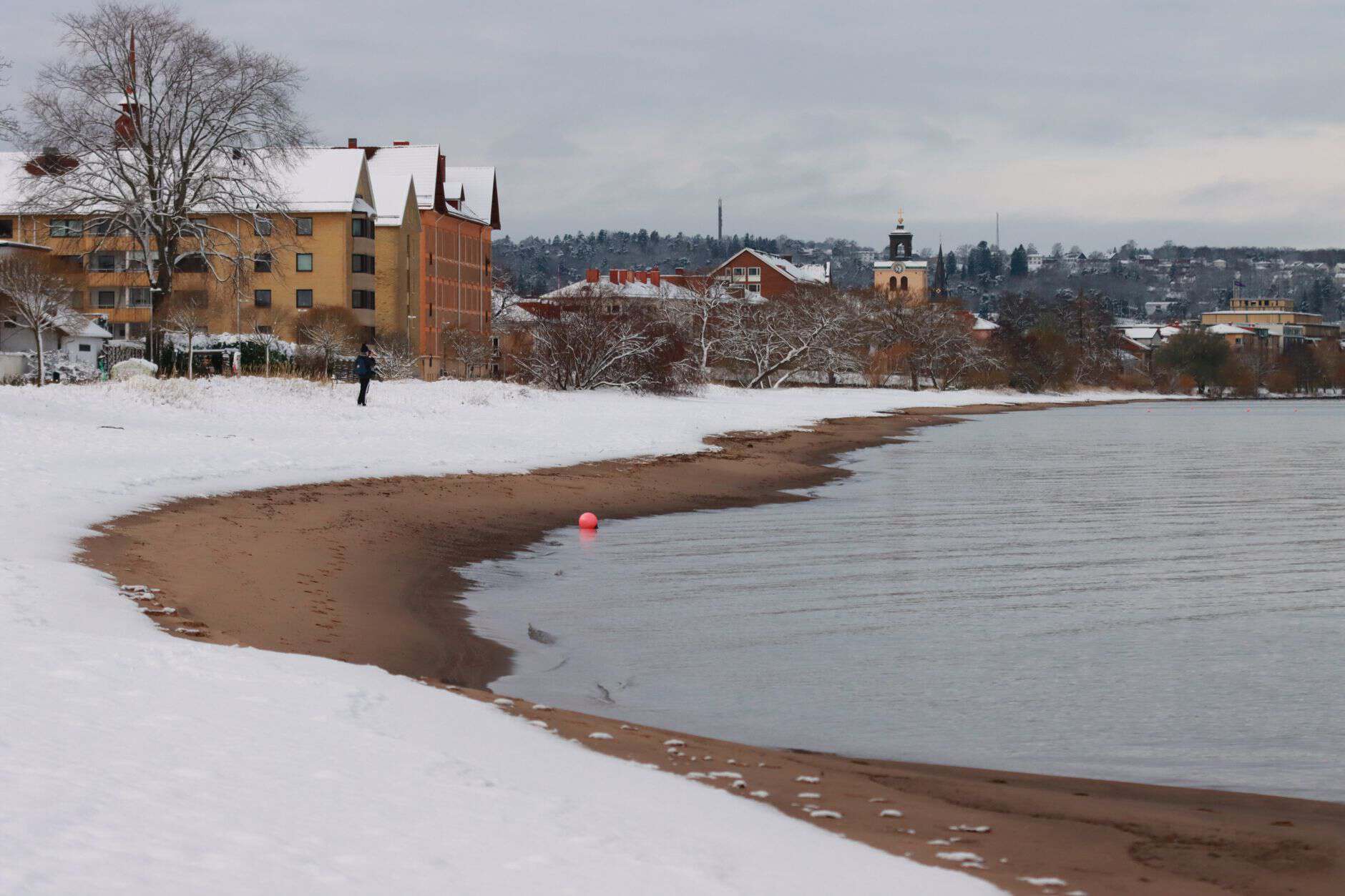
By January, the exhalation is complete. The beaches that could not absorb another person in August now have maybe a dozen people visible from the lifeguard stand over the course of an entire day. The main commercial strip is a mix of open and closed storefronts — the pizza places and bars that run year-round, the ice cream shops and souvenir stores that don’t.
The people who find this version of the beach compelling tend to be people who find the summer version overwhelming. The off-season beach is quiet in the way that places are quiet when the crowds are gone — not dead, but returned to something closer to its natural state, the way a museum feels before it opens.
Who’s Still There — The Year-Round Locals
The year-round residents of seasonal beach towns are a specific breed. They chose to stay when most people left. They’ve made a private calculation that the summer congestion and the winter quiet are both worth bearing in exchange for the privilege of living in a place that most people only visit.
They tend to be deeply tribal and deeply skeptical of outsiders — not unfriendly, but with a clear-eyed awareness of the transience of everyone around them. They’ve watched people move to the beach in post-pandemic enthusiasm, discover what winter is actually like, and leave by March. They’ve seen the summer invasion come and go so many times that they don’t romanticize it; it’s a seasonal fact of life, like mud season.
In January, the town is theirs. The restaurant where you couldn’t get a table in August will seat you immediately in January, and the owner might sit down with you. The bartender at the local bar has time to talk. The pace is not slow so much as human — a pace appropriate for the number of people who are actually there.
What the Off-Season Economy Actually Looks Like
The economics of a seasonal beach town in January are precarious in ways that the summer abundance obscures.
Most seasonal businesses make somewhere between 60 and 80 percent of their annual revenue between Memorial Day and Labor Day. The winter months are not profit; they’re survival management. The restaurant that employs 22 people in August might run with 4 in January. The hotel that was sold out at $350 a night in July is trying to fill rooms at $89 a night in January — and often not succeeding.
For the year-round business owners, January through March is the real test of the business. You’ve made most of your money. Now you have to make it last through the months when almost nobody is coming. Rent still comes due. The mortgage on the building doesn’t pause. The year-round employees need their paychecks.
Some towns have tried to build shoulder-season economies through festivals, conferences, or marketing campaigns specifically targeting off-season tourism. These efforts have varying success. The towns that have done it best tend to have something genuine to offer in winter — a food scene that isn’t seasonally dependent, a cultural attraction, an outdoor recreation offering that’s actually good in cold weather.
The January Visitor: Who Goes and Why
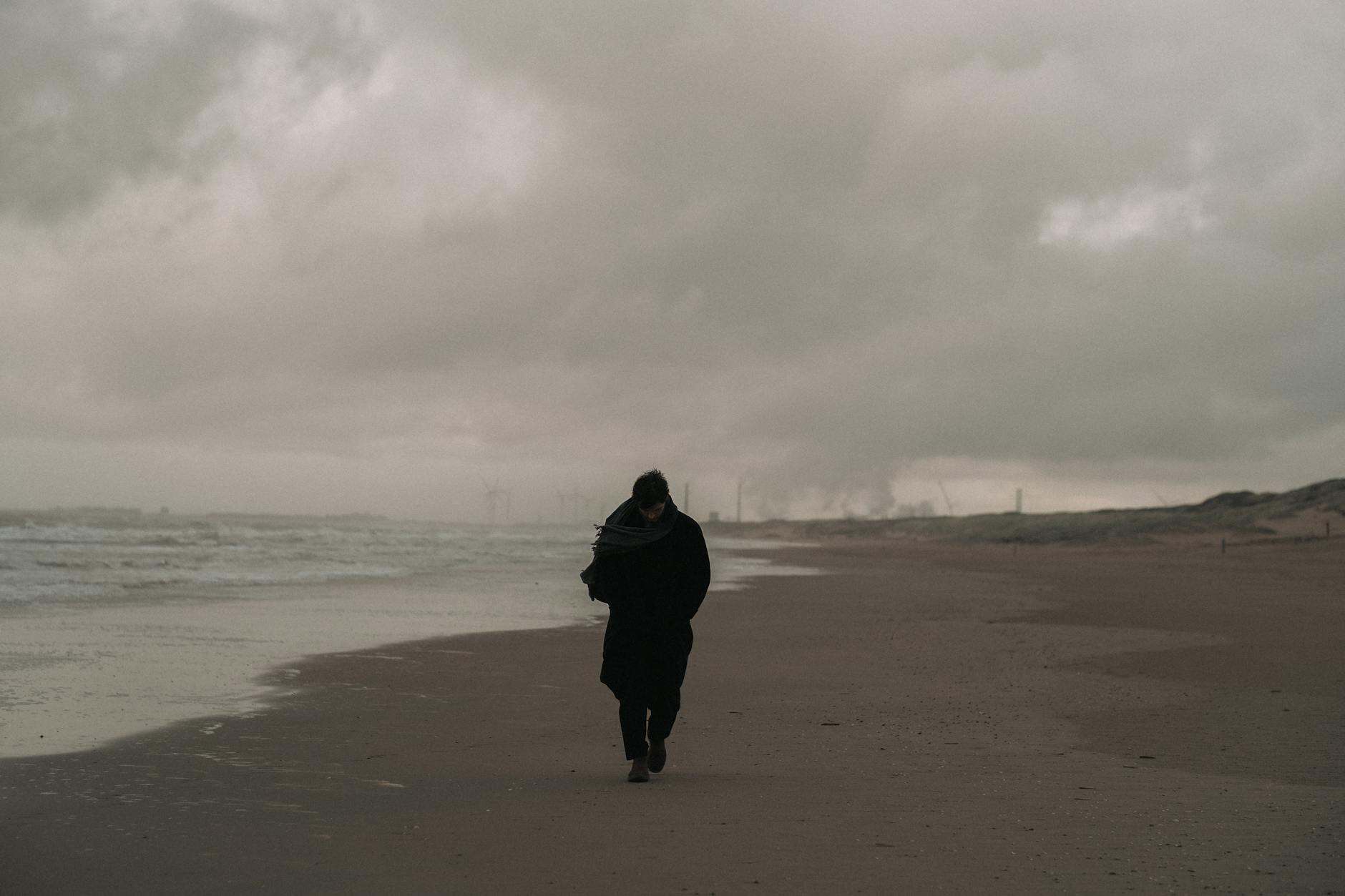
The people who visit beach towns in January are a self-selected group with generally excellent reasons for being there.
Some are writers, artists, or remote workers who want the mental environment of the beach — the light, the sound, the temporal looseness — without the social environment of the summer crowd. Beach towns in January offer a version of a writer’s retreat that happens to be geographically convenient and significantly cheaper than the summer rate.
Some are specifically seeking the winter beach experience — the gray-sky, rough-wave, windbreaker version of the ocean that is genuinely distinct from its summer counterpart. The Atlantic coast in January is moody and vast in a way that the summer version, crowded and cheerful, is not. People who love this version of the beach tend to love it with a particular intensity, the way people who love early mornings or rainy days love them — as the specific quality that everyone else misses.
Some are couples who want a weekend away without the planning required to secure summer lodging. Some are families whose kids are out of school in February and who’d rather have a quiet beach house to themselves than compete for space at a crowded warm-weather destination.
All of them get the same thing: the town at something close to its natural resting state, before and after the performance.
What the Beach Is Like When It Belongs to Locals
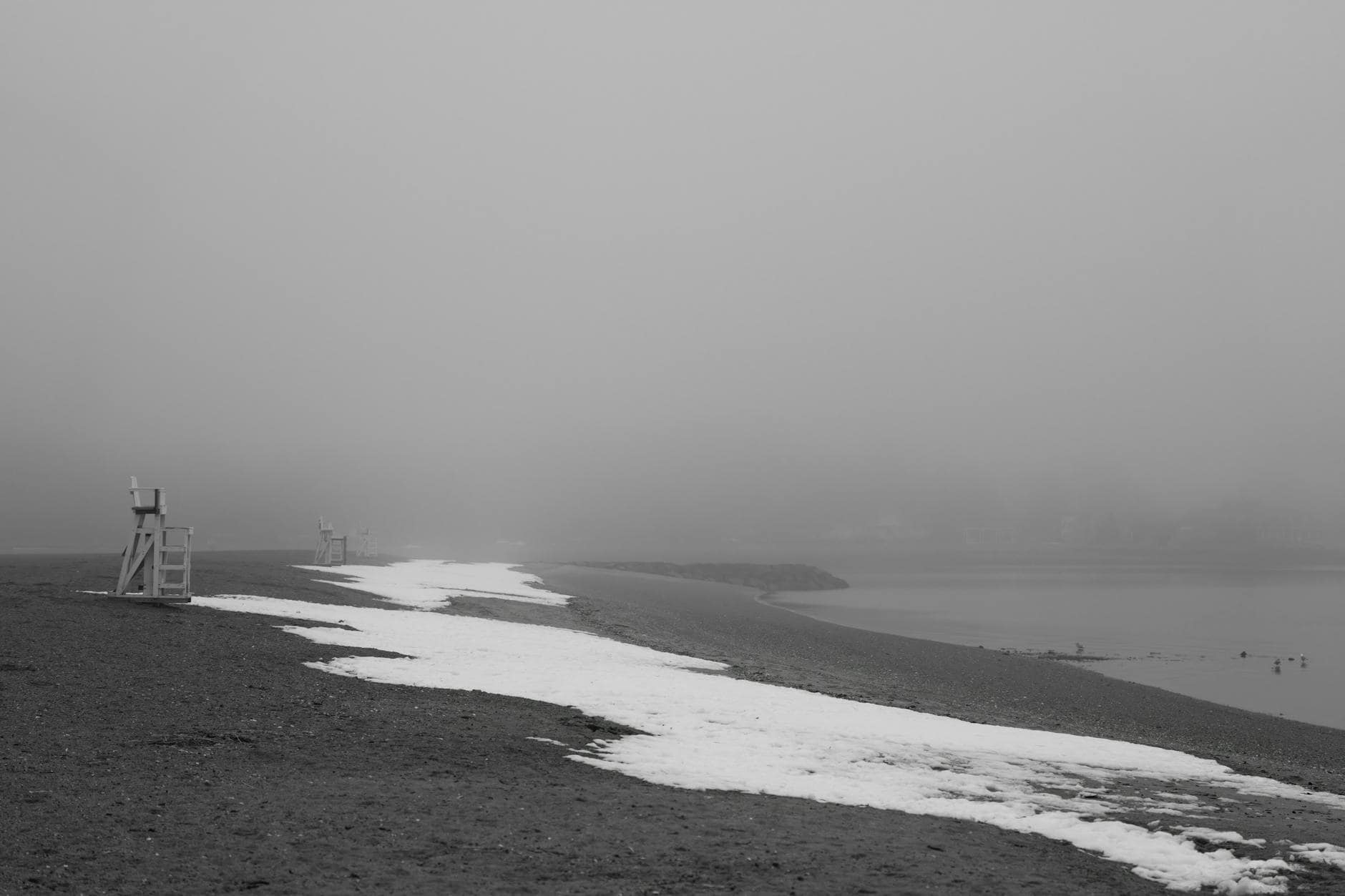
The winter beach is a different physical experience from the summer beach, not just a quieter version of it.
The light is different — lower, more oblique, filtering through clouds rather than pouring straight down. The colors are different: the dune grasses are brown and stiff, the water is gray-green, the sky is often the color of old pewter. The smell is cleaner and stronger, the salt and seaweed not competing with sunscreen and grilling.
The sounds are different. Wind, wave, and the calls of the few remaining shore birds — the laughing gull is mostly gone, replaced by the hardier herring gull and the occasional rough-legged hawk working the dunes. If you walk for 20 minutes in July, you’ll walk through a dozen social scenes. In January, you might walk a mile and see three other people.
The people who come to winter beaches specifically for this experience describe it as meditative in a way that the summer beach, for all its pleasures, never is. You can hear yourself think. You can feel the scale of the thing — the ocean, the dune system, the arc of the coast — in a way that the summer crowd obscures.
The Seasonal Worker Question
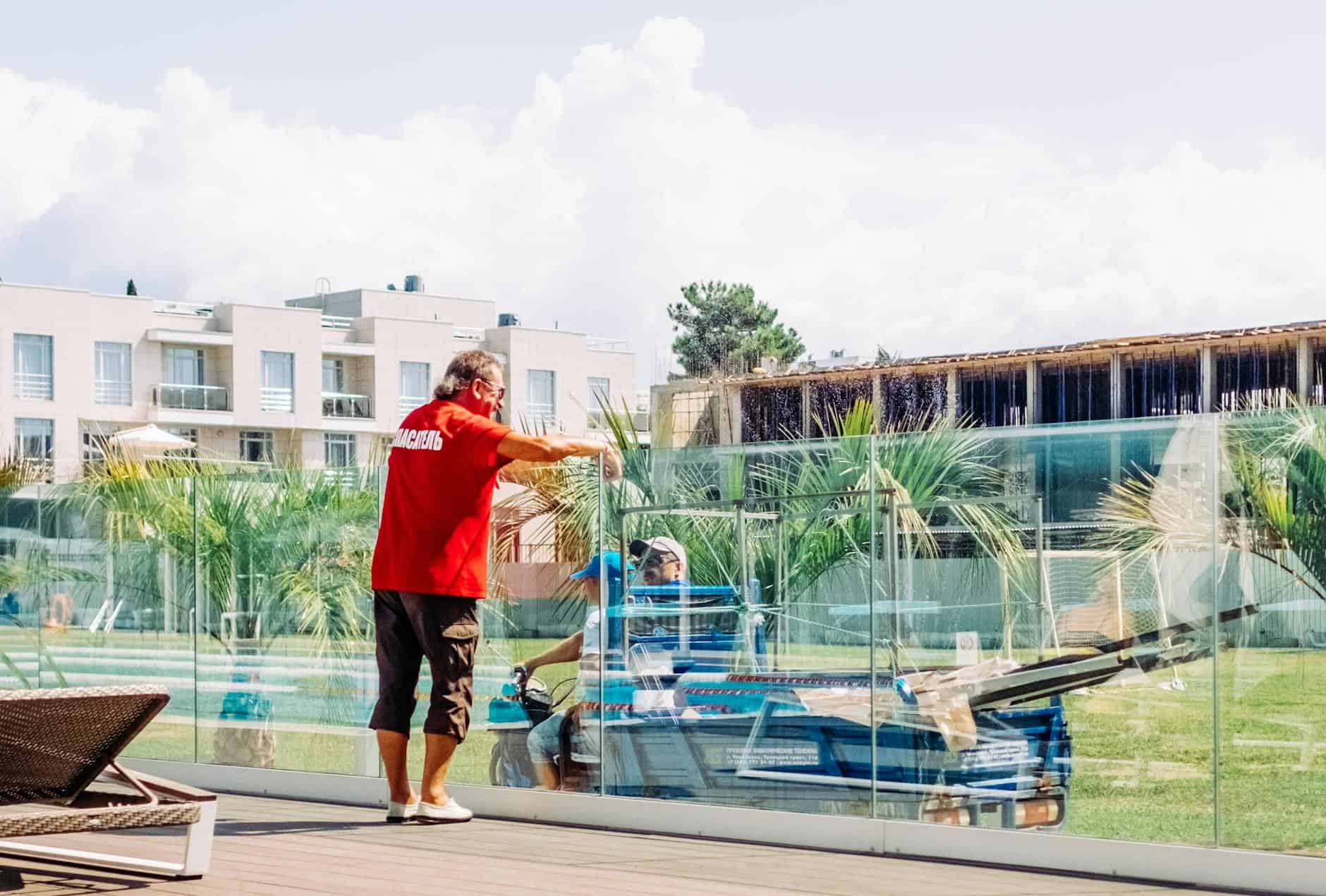
The summer beach town economy runs substantially on seasonal workers — young people who come for the summer, sometimes from out of state or out of the country, take service jobs, often share housing in expensive rental markets, and leave when the season ends.
In January, most of them are gone. The summer’s rental housing market — which was tight enough to push workers into multi-occupancy situations that most year-round residents would find unacceptable — has emptied. The town’s workforce is now just the year-round people, which is enough for the reduced winter demand but would be completely inadequate for the summer crowds.
This seasonal labor pattern is economically efficient but creates social consequences that the towns are still working out. The summer workers don’t develop roots. The communities they form are transient. The year-round residents and the summer workers are often living parallel lives in the same geography without much genuine community overlap.
In January, when the seasonal workers are gone, you can see more clearly what the town is when it’s just itself — and whether there’s enough community and economic life to sustain a real year-round population.
What January Tells You About a Town’s Real Health
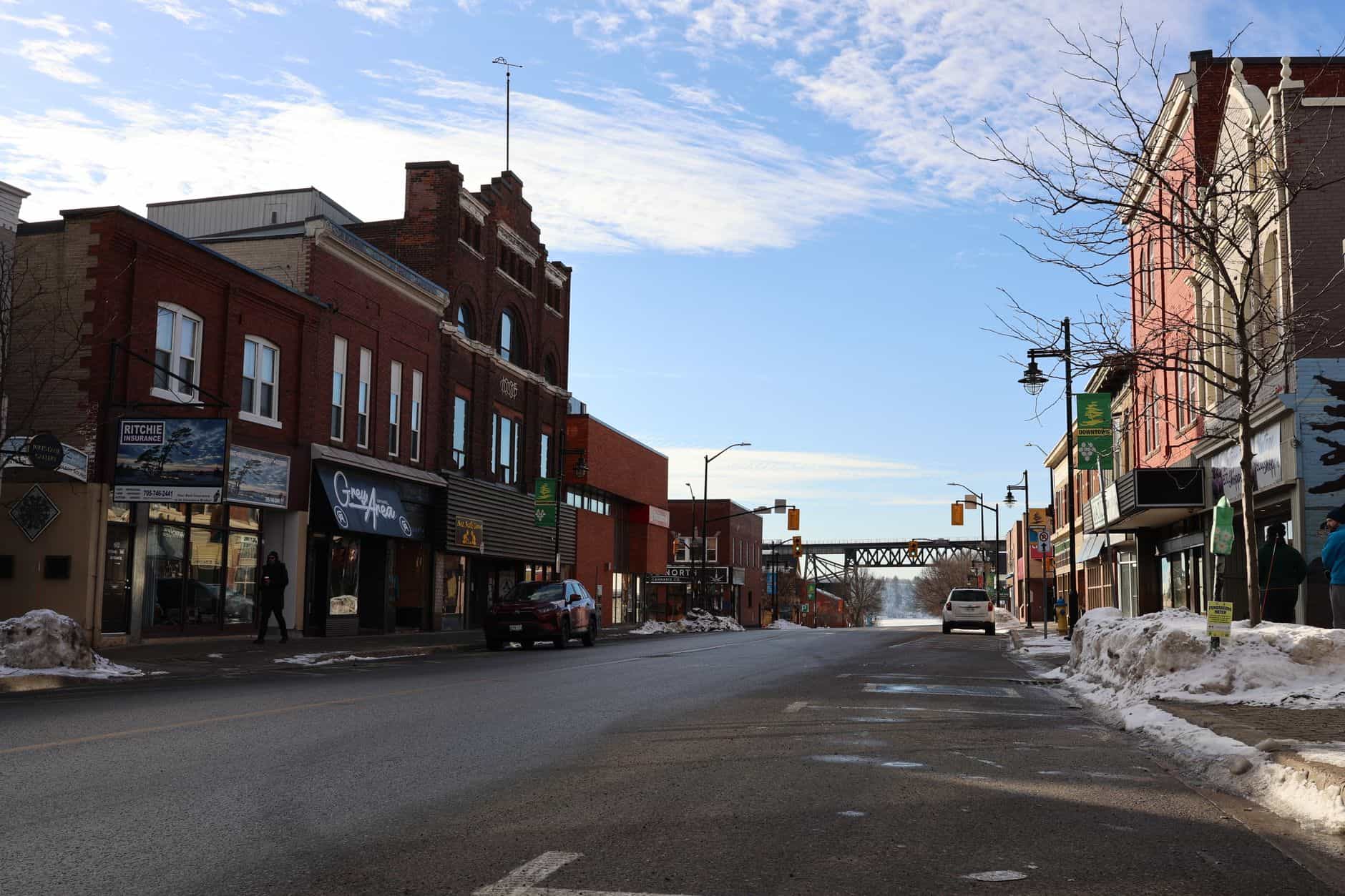
If you want to know whether a beach town has genuine depth — whether it’s a real place or just a summer-season product — go in January.
The towns with genuine year-round health have coffee shops full of locals on a Tuesday morning. They have locally owned businesses that are open and busy enough with year-round customers to stay viable. They have community events — local theater, weekly markets, neighborhood gatherings — that have nothing to do with tourism. They have a school system that locals send their kids to.
The towns that are purely seasonal products look very different in January. The main strip is locked and dark. The few businesses open are clearly just holding on. The year-round population is small and somewhat isolated, clustered in the neighborhoods that the summer crowds don’t reach. The town’s identity exists almost entirely in the summer, and in January that identity is on hold.
This is useful information for anyone considering buying property or actually moving to a beach town — the summer version is the sales pitch, the January version is the reality.
Why Some People Can’t Stop Coming Back in Winter
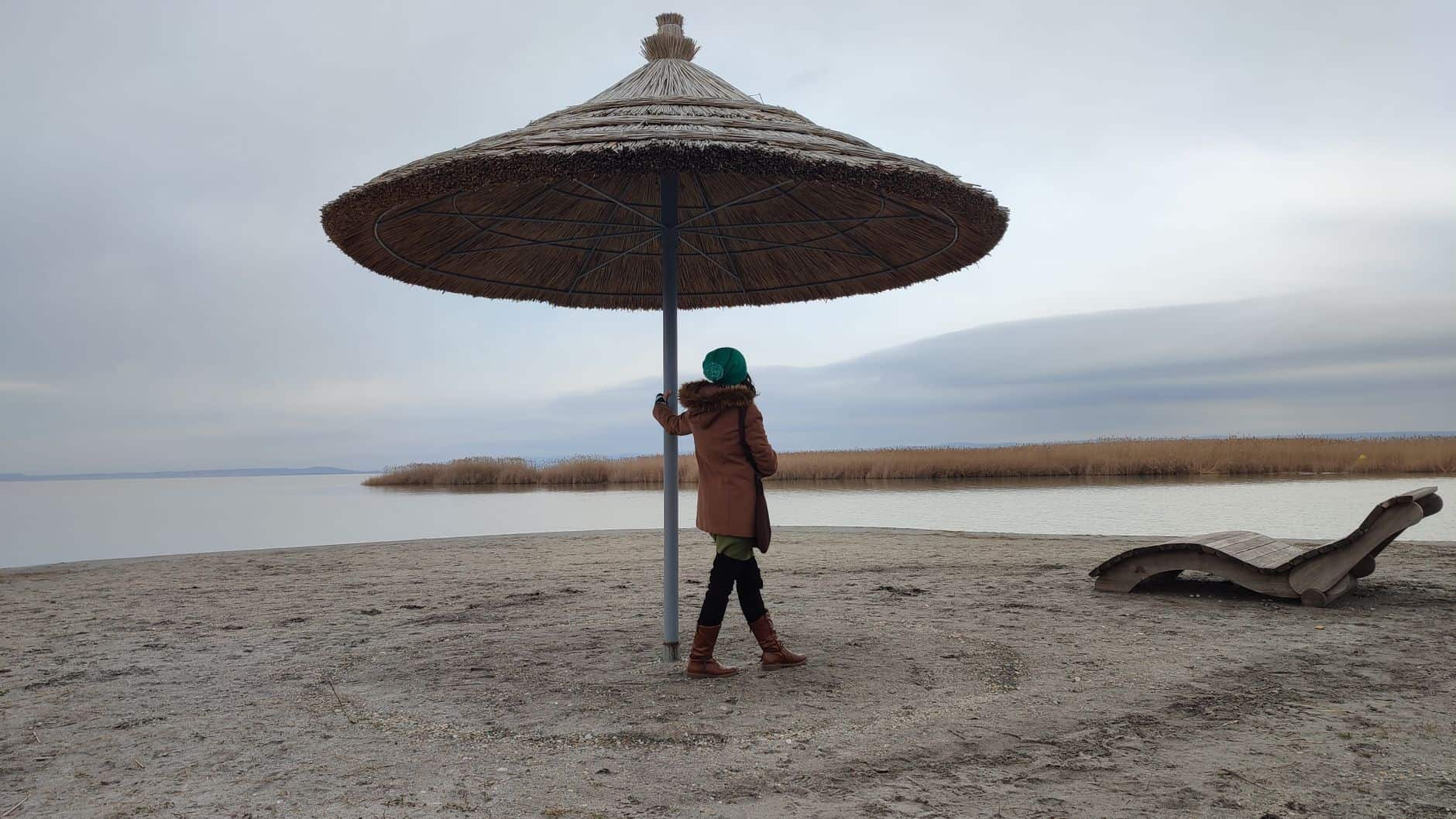
The people who discover off-season beach travel tend to become evangelists for it in a way that summer beach people usually aren’t. Summer at the beach is widely understood; winter is not.
What they’re evangelizing for is something specific: the experience of a place without its performance. In summer, the beach town is performing beachiness — it’s maximally itself as a tourist product. In January, it’s just there, doing its real life, making itself available to whoever wants to experience it without the theater.
For a certain kind of traveler — the kind who prefers conversations over attractions, empty space over stimulation, the texture of actual local life over the smooth surface of tourism infrastructure — the winter beach town is close to ideal. It’s cheap, it’s quiet, it’s honest about what it is.
And the ocean is there, which is the whole reason any of this exists. In January, you can actually hear it.