The Honeymoon Destinations Couples Say Weren’t Worth It — And What They Wish They’d Done Instead
We may earn money or products from the companies mentioned in this post. This means if you click on the link and purchase the item, I will receive a small commission at no extra cost to you ... you're just helping re-supply our family's travel fund.
This article contains affiliate links. If you purchase through our links, we may earn a commission at no extra cost to you.
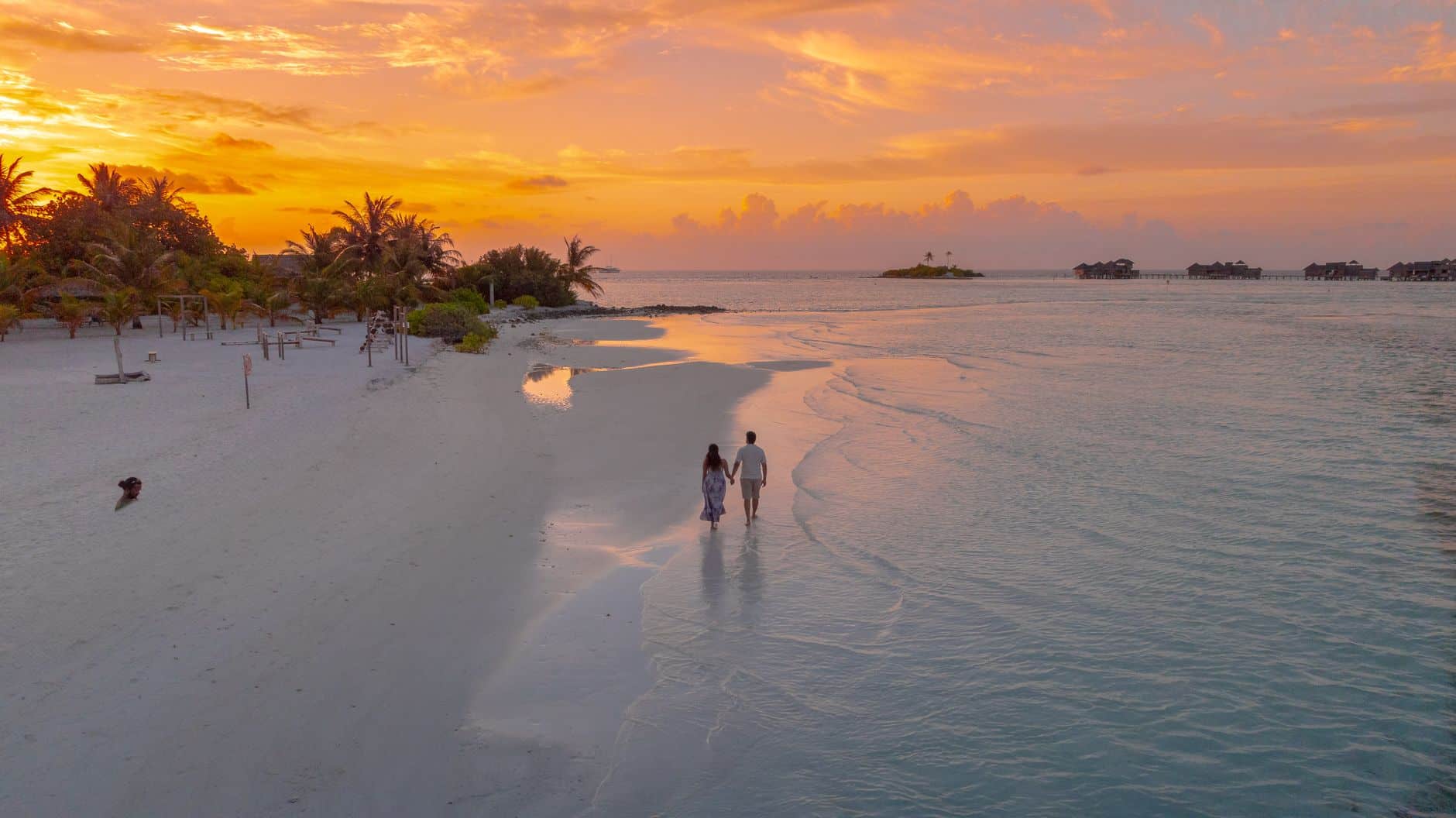
They’d been saving for a year. The Maldives had been her dream since she saw the overwater bungalow photos in a magazine at 19. They flew 17 hours, transferred by seaplane, arrived at a resort that was genuinely beautiful, and spent five days feeling vaguely stranded and oddly disconnected from each other.
“There was nothing to do except lie on the beach and eat at the resort,” she said, describing the trip three years later. “We’d just been through months of wedding stress. We needed stimulation, not a sandbar. We didn’t know ourselves well enough to know we’d hate it.”
This version of the honeymoon story — the dream destination that didn’t quite work, the enormous expectation that the reality couldn’t absorb — is told quietly by couples years after the fact, usually with a rueful laugh and a clear-eyed acceptance that they couldn’t have known. But if you collect enough of these accounts, patterns emerge. Certain destinations come up repeatedly. Certain types of trips fail in predictable ways for certain types of couples.
The Weight of the Honeymoon Expectation

No vacation carries more performance pressure than the honeymoon. You’ve just emerged from the most expensive and logistically demanding event of your life. You’re exhausted, possibly broke from the wedding, navigating a new relational identity (married, not just together), and trying to have the most romantic trip of your life simultaneously.
The expectation is enormous and specific: this trip must be perfect, because it’s the honeymoon, because it will be the story you tell for years, because your social circle will ask about it and you’re supposed to have an answer that lives up to the anticipation.
This expectation is the primary enemy of the good honeymoon. It doesn’t create the conditions for genuine enjoyment; it creates the conditions for constant evaluation against an imagined ideal. Some couples come back having genuinely had a wonderful time. Others come back performing having had a wonderful time — and it takes years before they can be honest about the gap.
Why Maldives Doesn’t Work for Some Couples
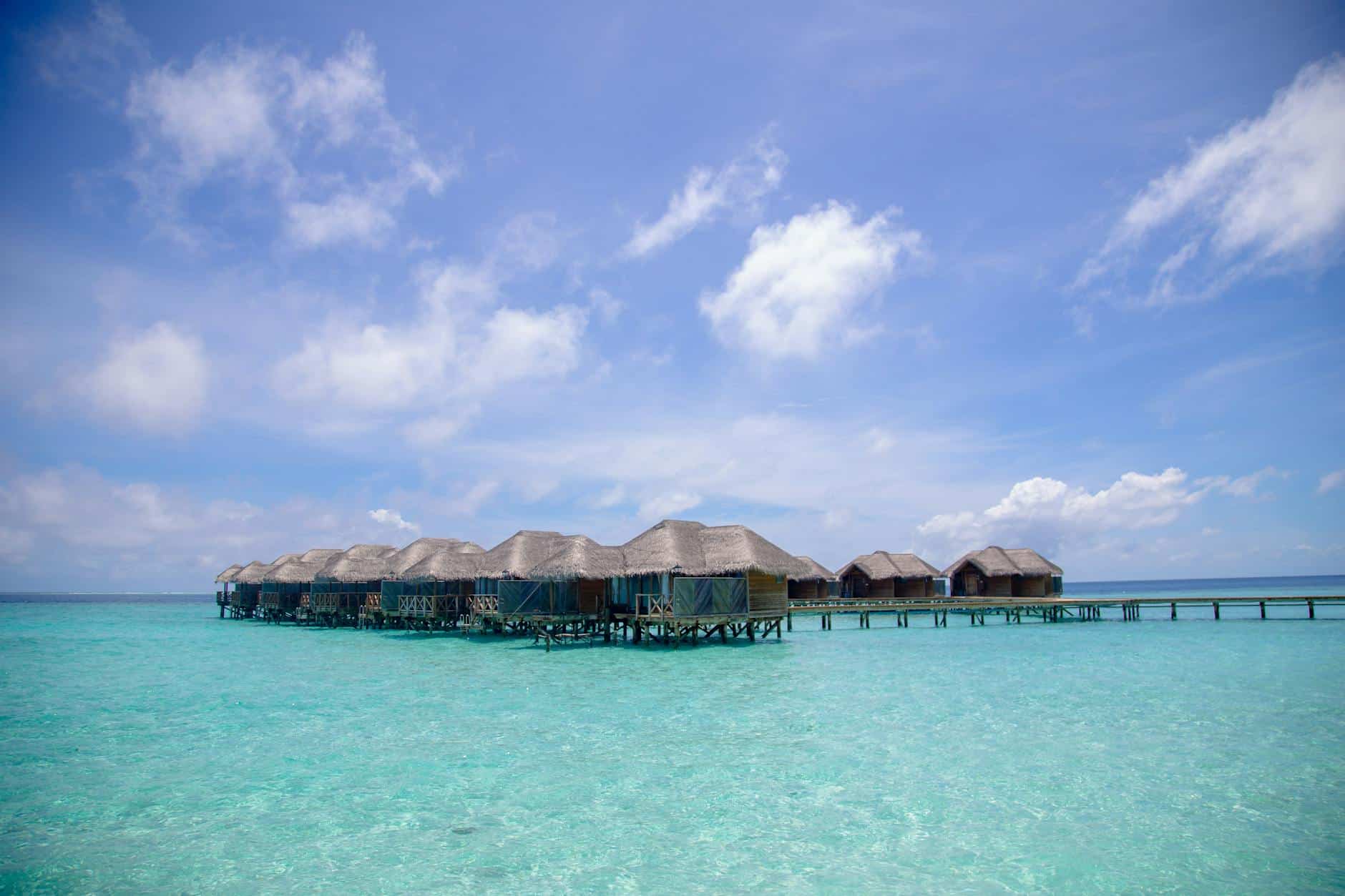
The Maldives is visually extraordinary. The overwater bungalows, the turquoise water, the white sand, the snorkeling are all as good as advertised. For the right couple, it’s genuinely perfect.
The right couple, however, is a more specific subset than the marketing suggests. The Maldives works well for couples who genuinely want to decompress in near-total isolation, who are comfortable with extended unstructured time, who have established a shared comfortable silence, and who don’t need external stimulation to feel like they’re enjoying themselves.
For couples who default to activity, exploration, eating at local restaurants, wandering through neighborhoods, and the general texture of a place with culture and history — the Maldives offers essentially none of that. The resort is the destination. There is no “going into town.” There is no cuisine beyond the resort’s menu. There is no accidental discovery of anything because there is, essentially, nowhere to discover.
For active, curious, stimulation-seeking couples, five days on a sandbar is five days of a very expensive state of nothing-to-do, which is not the same as rest.
The Italy Honeymoon: When the Fantasy Meets Peak Season
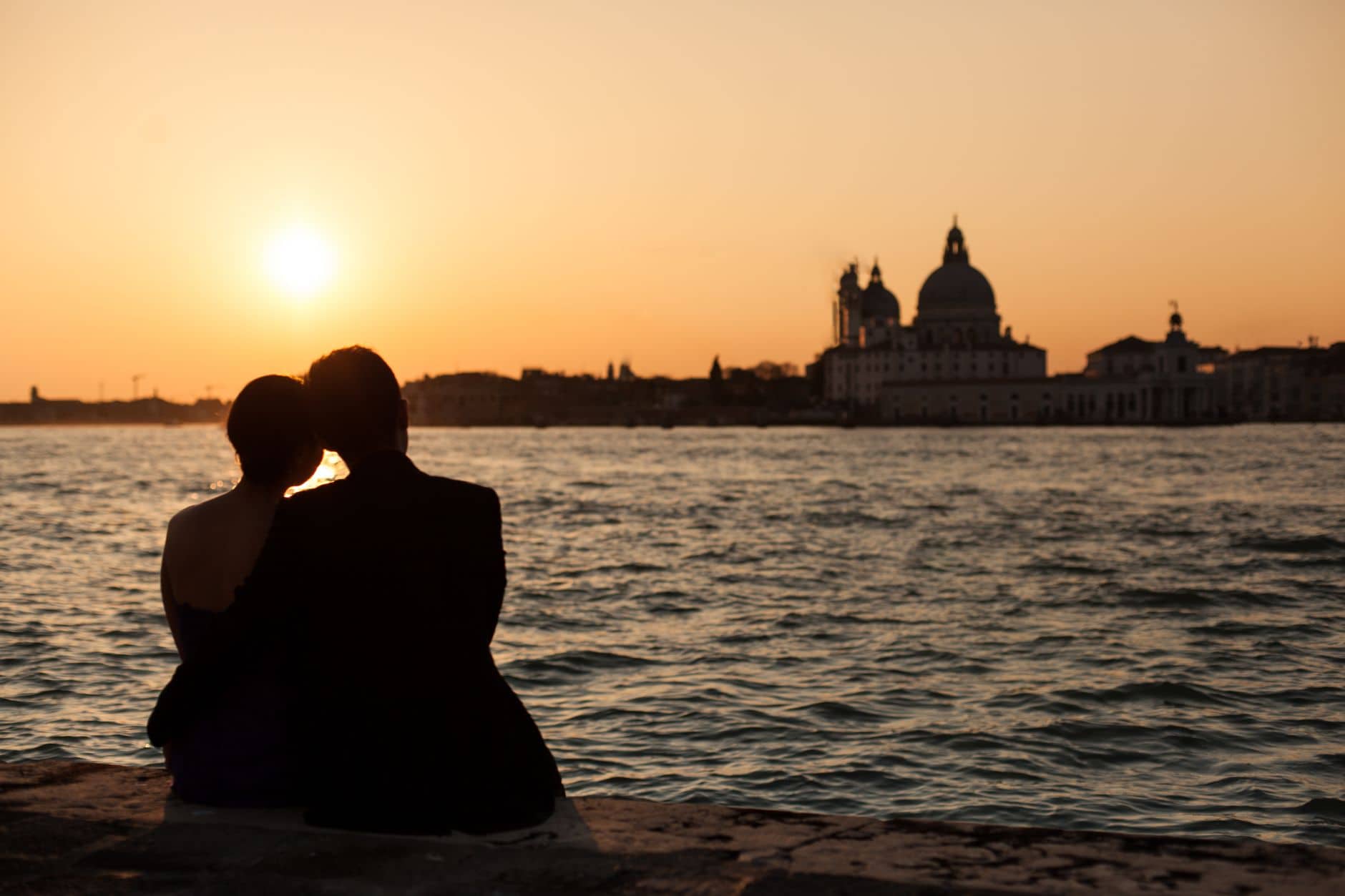
Italy is the aspirational honeymoon destination for a significant portion of American couples, and it delivers — in some configurations. In others, it produces a specific kind of disappointment that couples are often slow to articulate.
The most common problem is timing and crowds. A honeymoon in Rome or the Amalfi Coast or Cinque Terre in July or August means honeymooning in one of the most densely tourist-trafficked places on earth during peak tourist season. The romantic dinners you imagined involve waiting in line, eating shoulder-to-shoulder with other tourists, and paying prices that are double the already-high standard. The quaint harbor view you imagined at Positano includes approximately 800 other people in the frame.
The couples who love their Italy honeymoon tend to go in shoulder season (May or September), pick accommodation with genuine character rather than chain hotels, and have enough travel experience to navigate Italian logistics without stress. The couples who are disappointed tend to arrive with a magazine image in their heads and encounter the reality of peak-season Mediterranean tourism unprepared.
Paris in Theory and Paris in Practice
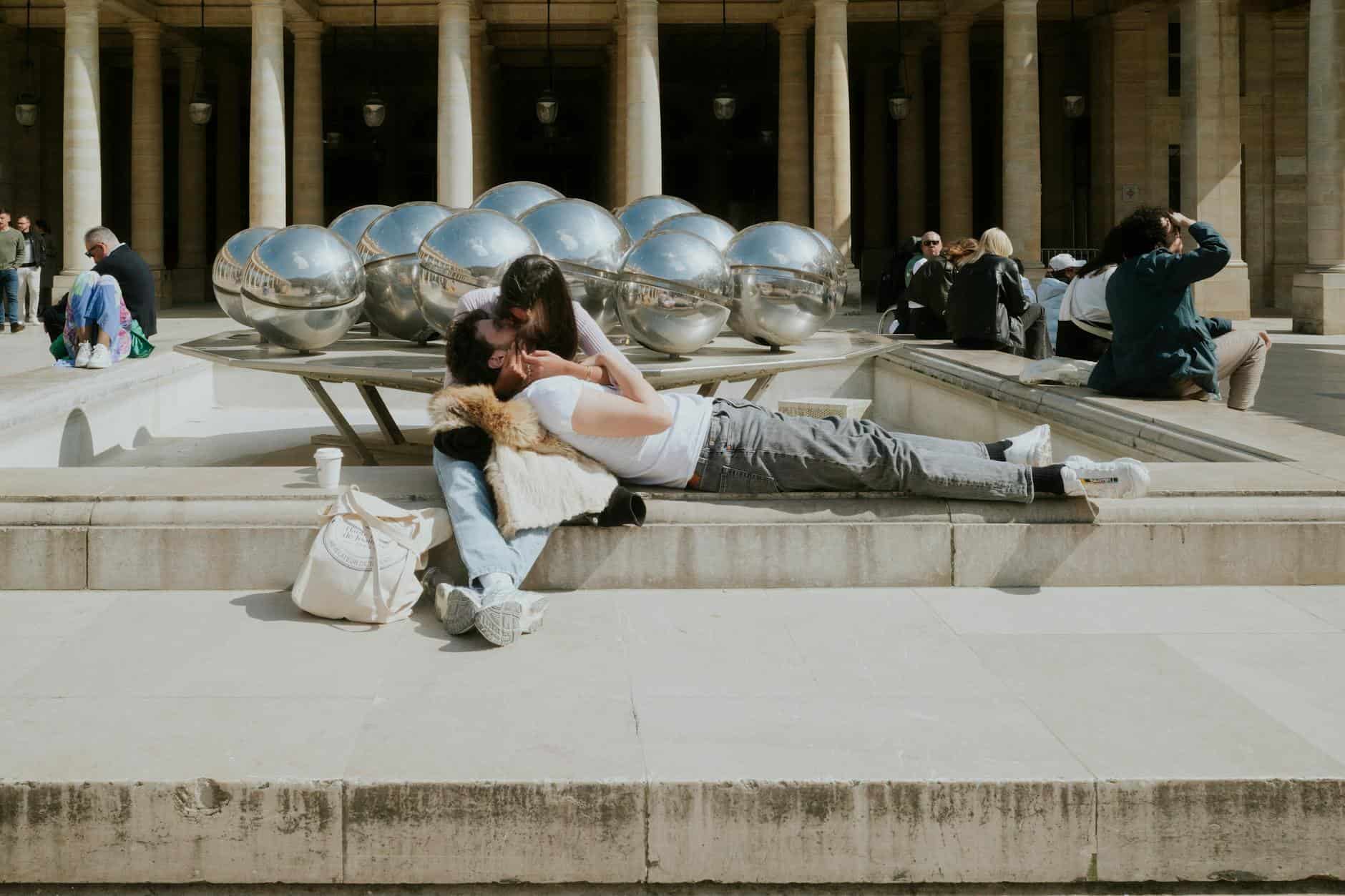
Paris remains the world’s most recognizable romantic destination, a fact that both draws couples there on their honeymoon and sets them up for a specific type of letdown.
Paris is genuinely romantic — the light, the architecture, the food, the culture are all real and extraordinary. But Paris is also a major world city of 2.1 million people, with all the friction that implies. The taxi drivers are not especially charming. The crowds at the Eiffel Tower and the Louvre are genuinely overwhelming. The Paris that the honeymoon imagination conjures is a filtered version that removes lines, weather, jet lag, service brusqueness, and the considerable logistical overhead of being a tourist in a city that has seen millions of tourists before you.
Couples who thrive in Paris for a honeymoon are the ones who aren’t performing a movie version — who can sit in a café for two hours without feeling like they should be doing something else, who can get lost without anxiety, who find genuine pleasure in the specific rather than trying to execute the highlights tour. Couples who need the trip to deliver against a specific imagined experience tend to find the reality resistant.
Why Some Couples Regret All-Inclusive Destinations
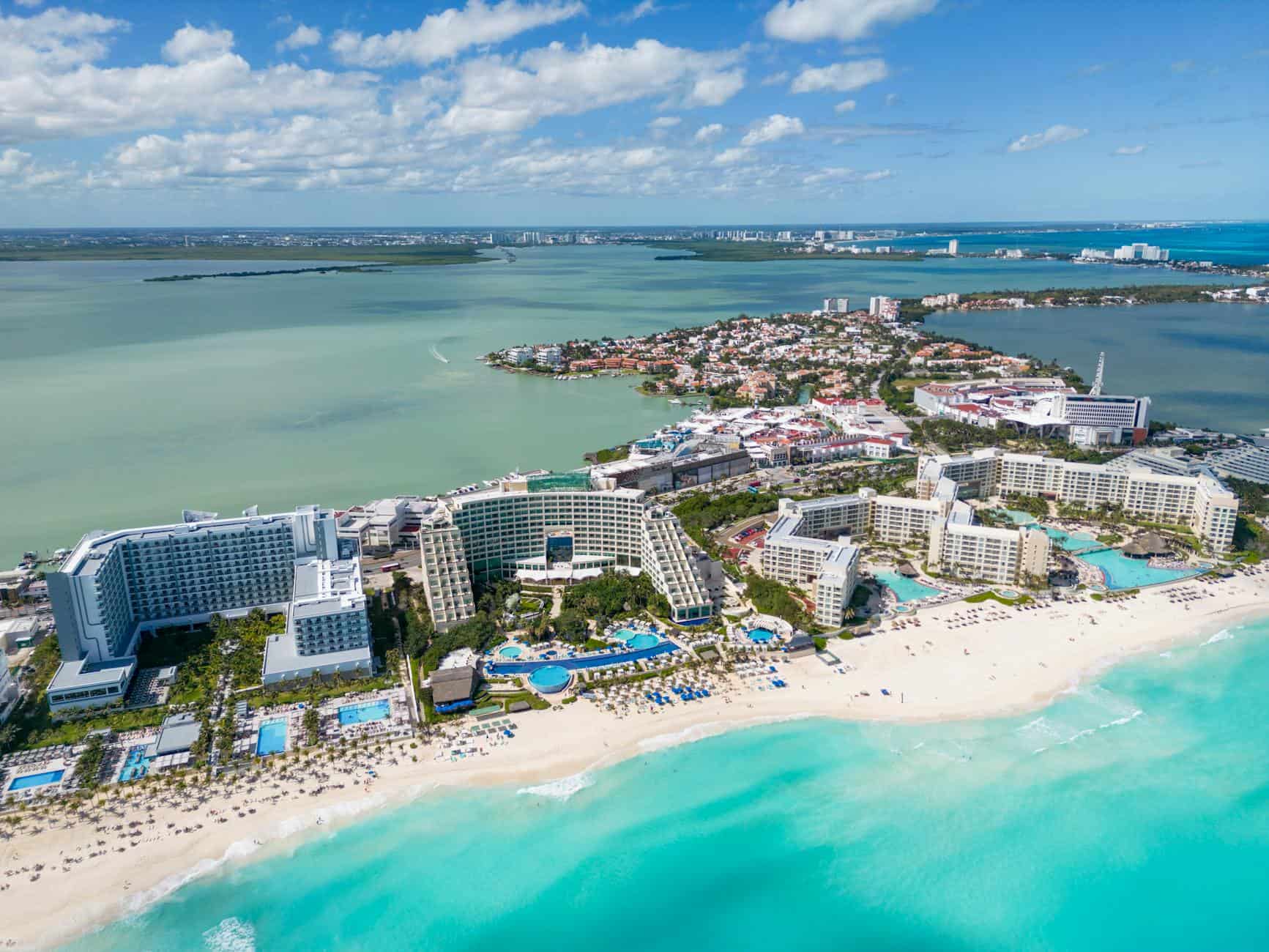
The appeal of the all-inclusive honeymoon is real: you pay once, you don’t make decisions about meals or drinks, and you don’t interact with logistics while trying to relax. For couples exhausted from wedding planning, this sounds like exactly what they need.
The regret pattern that emerges most commonly is about containment. The all-inclusive resort — whether in Cancún or Punta Cana or Jamaica — is a self-contained world that intentionally discourages departure. The food options within the resort are fine. But the sense of being in a place, connected to its actual culture and geography, is almost entirely absent.
Couples who come back saying they wished they’d done something different from their all-inclusive honeymoon often describe a feeling of having been in a bubble: comfortable, well-fed, but disconnected from the experience of being somewhere. For couples who travel to feel that connection — to a place’s history, its food, its actual character — the all-inclusive model specifically removes the thing they were seeking.
The Experiences Couples Say They Wish They’d Had
When couples who’ve expressed honeymoon regret describe what they wish they’d done instead, the answers cluster around a few categories.
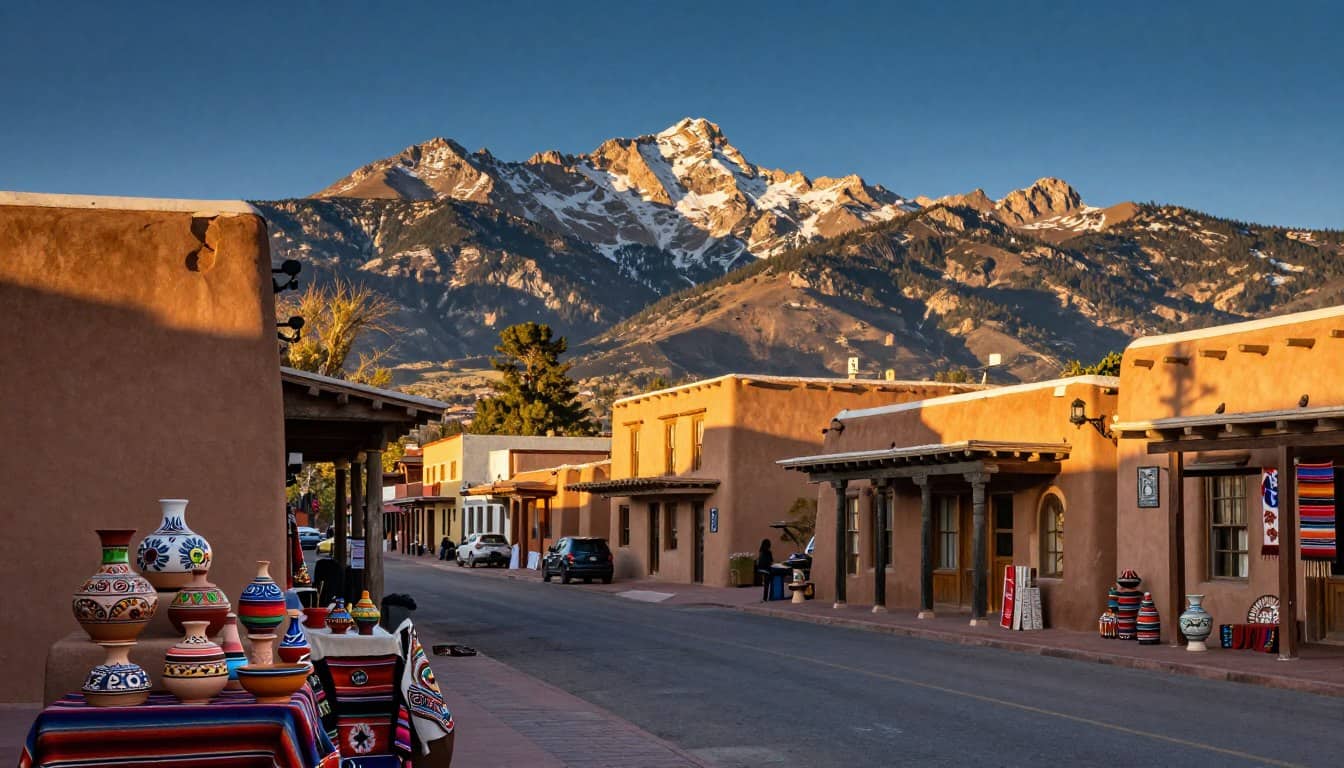
Many say they wish they’d gone somewhere that felt like it had a real texture — Japan comes up frequently, as do Portugal, Mexico City, the American Southwest, and coastal New England. Places with genuine food culture, walkable neighborhoods, the sense of a life happening around you that you’re temporarily part of.
Many say they wish they’d gone somewhere less pressured — a destination without the weight of being “the most romantic place in the world,” where they could just be somewhere without the trip carrying a grade.
Some say they wish they’d done an activity-based trip — hiking in Patagonia, exploring Japan by train, a sailing trip in Croatia — where the structure of the activity gave the days shape and the shared challenge created the closeness they’d hoped the pure luxury trip would provide.
What Honeymoon Pressure Does to the Trip Itself

There’s a documented psychological phenomenon in which the anticipation of a positive experience that’s been labeled as extremely important creates anxiety that interferes with the actual enjoyment of that experience. The honeymoon is perhaps the most culturally pressurized positive experience in American life.
Couples who are honest about their honeymoon often describe a strange undercurrent of monitoring — checking in on themselves to verify that they’re having the honeymoon they should be having, and feeling a low-grade anxiety when the verification comes back uncertain. “Are we being romantic enough?” “Should we be doing something?” “Is this what a honeymoon is supposed to feel like?”
This monitoring is the enemy of actual enjoyment. The couples who have the best honeymoons tend to be the ones who’ve either explicitly depressurized the trip (“let’s just go somewhere we like and see what happens”) or are naturally wired to enjoy the present without comparing it to an ideal.
What the Couples Who Loved Their Honeymoon Did Differently

The accounts of couples who describe their honeymoon as genuinely wonderful share a pattern that’s both obvious and underutilized.
They chose based on who they actually are as a couple, not on what a honeymoon is supposed to look like. The couple who hikes on weekends and eats at local restaurants on date nights chose a hiking trip in New Zealand. The couple who loves cities and food chose Tokyo. The couple that enjoys slow mornings and good books went to a rented house on a quiet coast and barely left.
They depressurized the destination. Many of the happiest honeymoon reports come from trips that weren’t to “honeymoon destinations” at all — a two-week road trip through the American West, a rented apartment in a Portuguese river town, a slow train journey through Japan. The absence of the honeymoon template removed the performance anxiety and let the couple just be somewhere together.
And they went somewhere that would have been good even on a second or third trip — not a destination they’d saved for once-in-a-lifetime performance, but a place they’d want to go back to. The couples who honeymooned that way almost all say the same thing: we want to go back. That’s the best possible outcome of any trip.