Lake Vacations Are Back — and What Drove the Comeback Reveals Something About Where American Travel Is Heading
We may earn money or products from the companies mentioned in this post. This means if you click on the link and purchase the item, I will receive a small commission at no extra cost to you ... you're just helping re-supply our family's travel fund.
This article contains affiliate links. If you book through our links, we may earn a commission at no additional cost to you.
The lake house rental that used to sit available for most of the summer is now booked out by March. The dock that used to see mostly local regulars has families from four states. The small grocery store in the lake town that once served a modest summer community is out of the items people bring for a week at the lake by the third weekend of July.
The lake vacation — unassuming, low-key, a little unfashionable for most of the social media era — is having a moment that doesn’t look like it’s ending. And the forces driving it say something specific and interesting about what people have decided they actually want from their vacation time.
The Destination That Felt Like Settling — And Then Didn’t
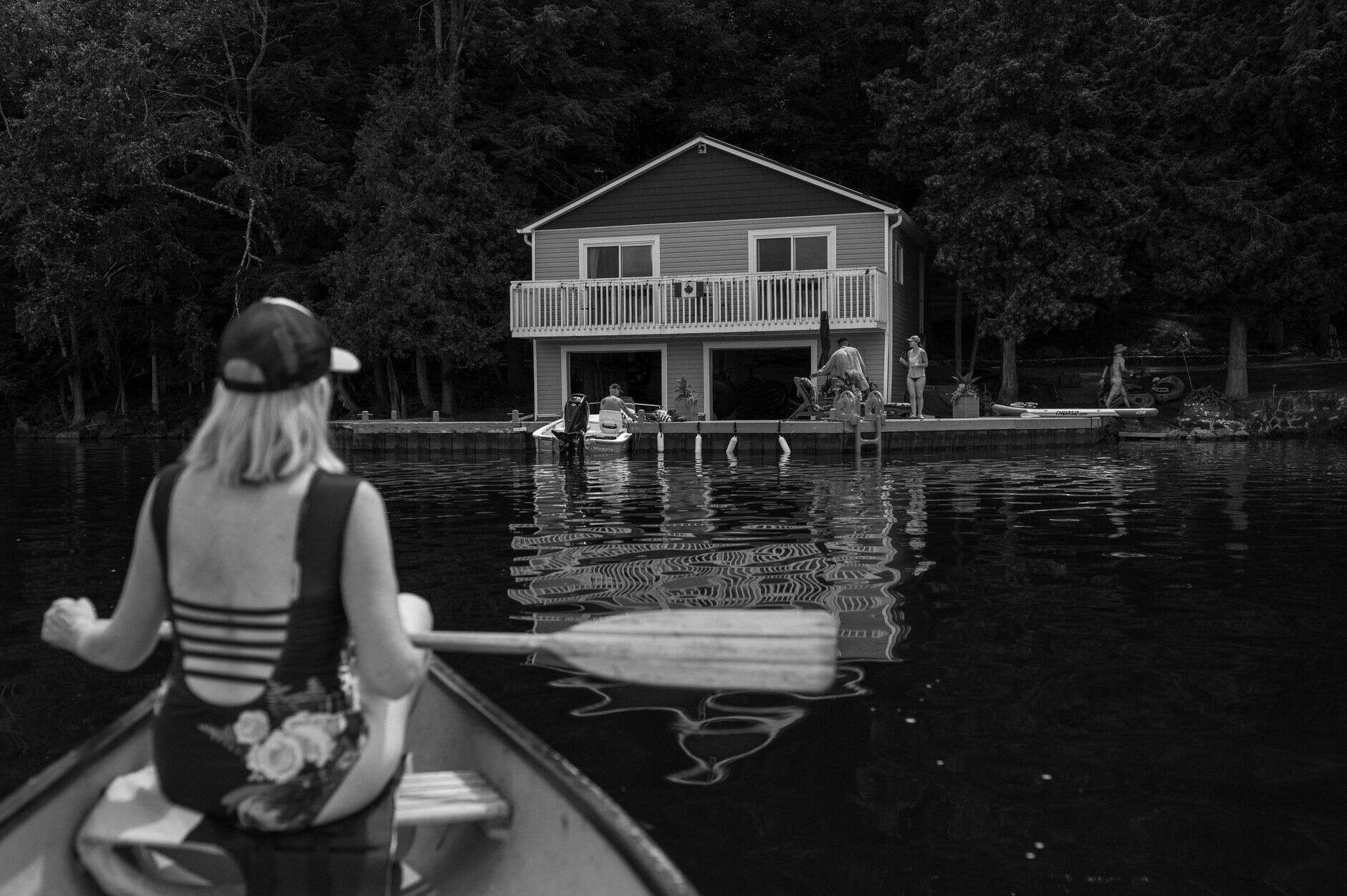
For most of the 2010s, lake vacations occupied a slightly embarrassing position in the hierarchy of travel aspiration. You went to the lake if you hadn’t planned well enough to go somewhere more interesting, or if you had young children and needed somewhere manageable, or if your family had always gone to the same lake and the tradition was inertia.
The comparison that haunted the lake vacation was always to the beach. The beach was the prestige version: the ocean was bigger, the light was better, the Instagram was more compelling. Lakes were the modest alternative for people who couldn’t get to the coast.
Then several things happened at once, and the calculus changed.
What Drove People Away From Lakes in the First Place
Understanding the comeback requires understanding the departure. Lakes lost status for specific reasons, and they’re worth naming:
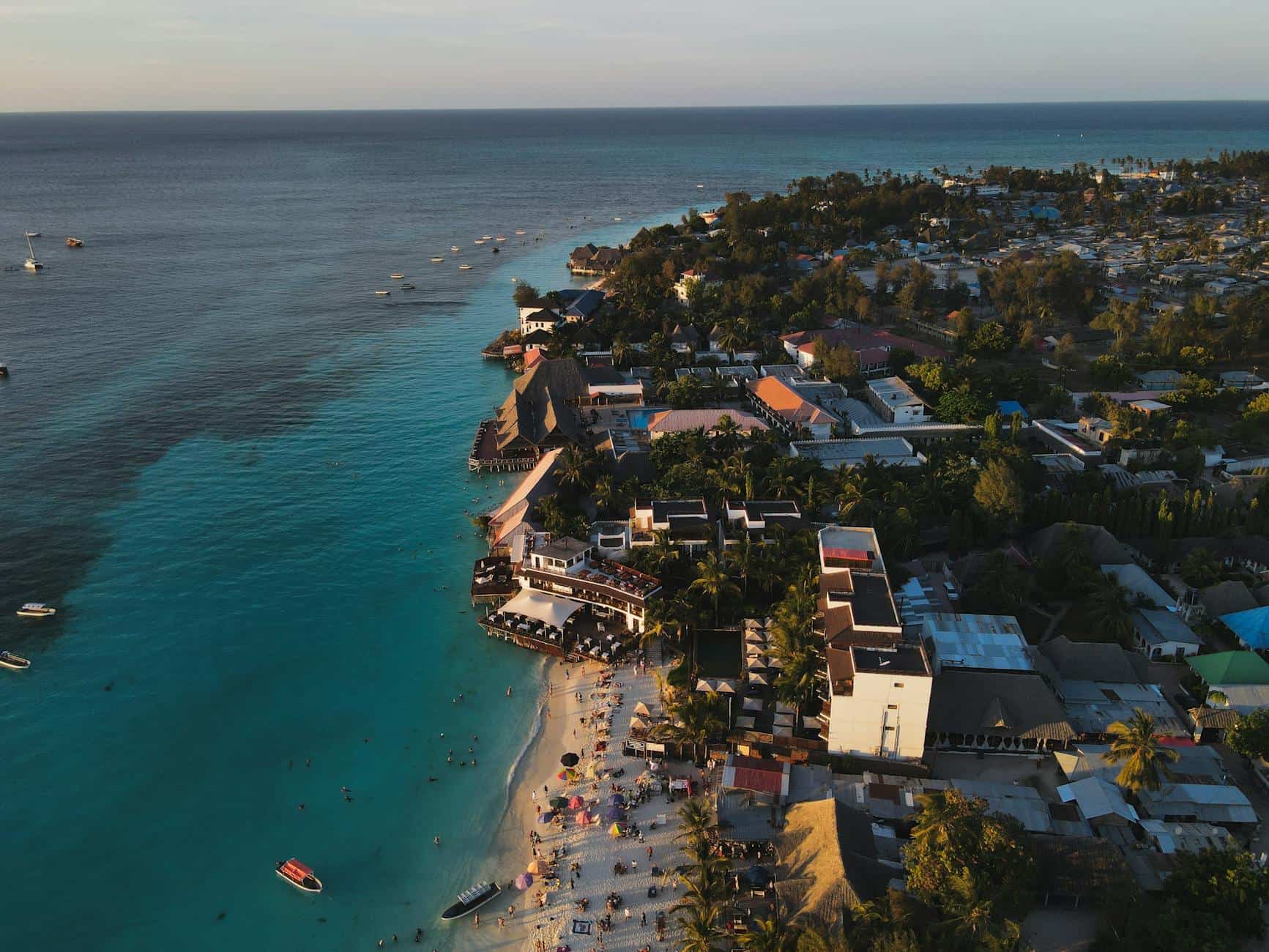
The social media visibility gap: Coastal destinations photograph dramatically. Sunsets over oceans, dramatic rock formations, white sand and turquoise water — these images circulate and create desire. Lake sunsets are beautiful but look more modest at a glance. In an era when vacation aspiration was significantly organized around what you could post, the lake suffered.
The association with sameness: Lake vacation culture in America has deep associations with a particular kind of familiarity — the same lake every year, the same rental cabin, the same boat, the same Fourth of July. This was comforting to those who loved it and felt limiting to people who wanted travel to be about novelty and expansion.
The price of novelty: For a period when international travel became increasingly accessible, the lake felt provincial. You could fly to Croatia. You could book a villa in Mexico. Why would you go to a cabin in Wisconsin?
Why the Math on Lakes Has Changed
The math started changing for several overlapping reasons:
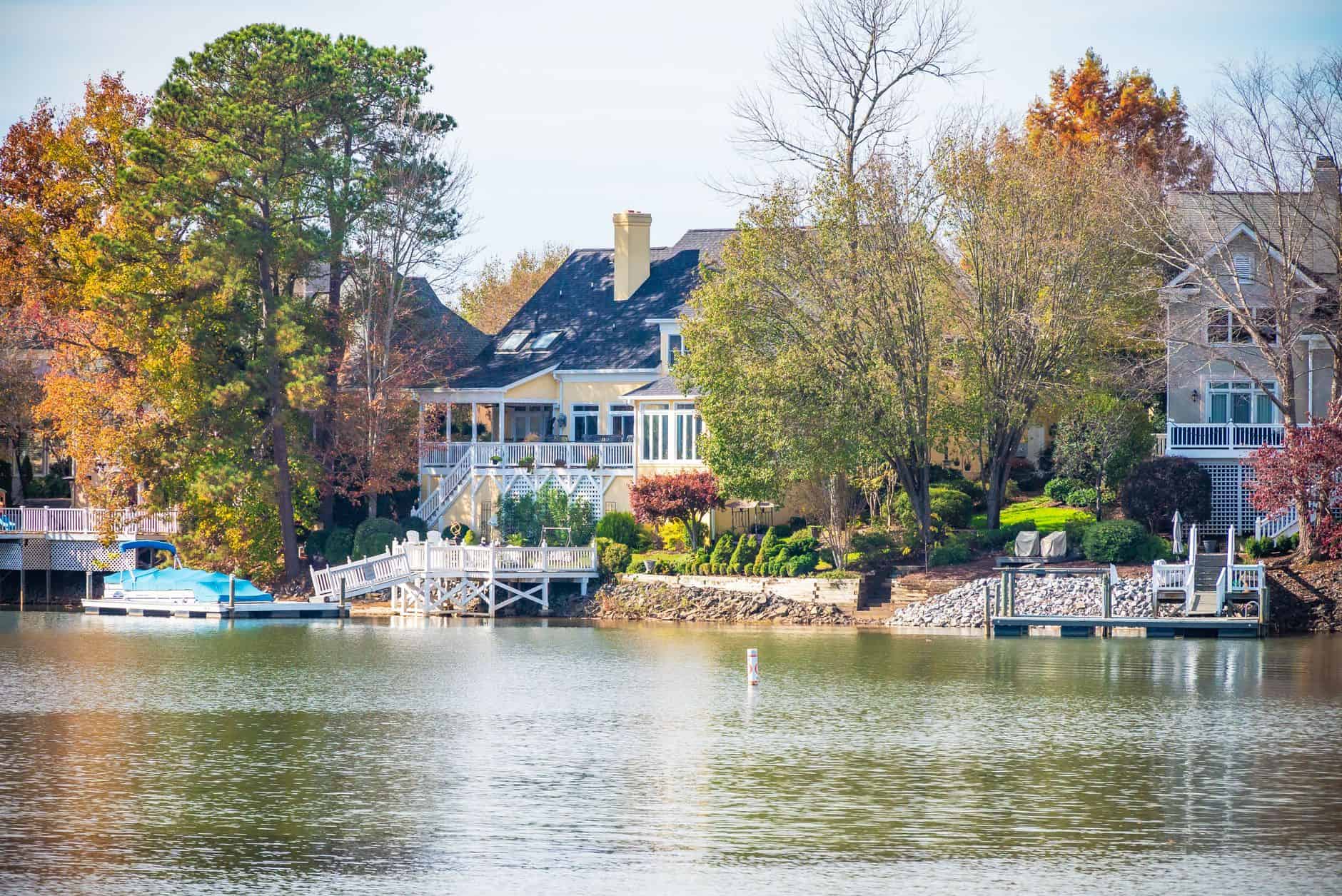
The cost of everything else: Beach resorts, international destinations, and coastal vacation rentals have all experienced significant price increases. A week in a vacation rental on the Outer Banks of North Carolina now easily runs $5,000–$10,000 for a large house. A comparable lake house in the Midwest or South might run $2,000–$4,000 for the same week. The lake doesn’t feel like settling when the alternative costs three times as much.
The experience of pandemic-era travel: Two years of constrained travel, during which many Americans rediscovered regional driving-distance destinations, introduced a lot of people to lakes they’d never considered before. A meaningful portion of those people found that they actually liked it — that the slower pace, the proximity to home, and the lack of performance pressure suited them in ways they hadn’t anticipated.
The national parks and coastal overtourism backlash: Having stood in a two-hour line to access a crowded beach at Cape Cod, or discovered that the “remote” mountain trail is now a commute, a meaningful segment of travelers reconsidered the value of places that aren’t on everyone’s list.
What People Are Actually Finding at the Lake
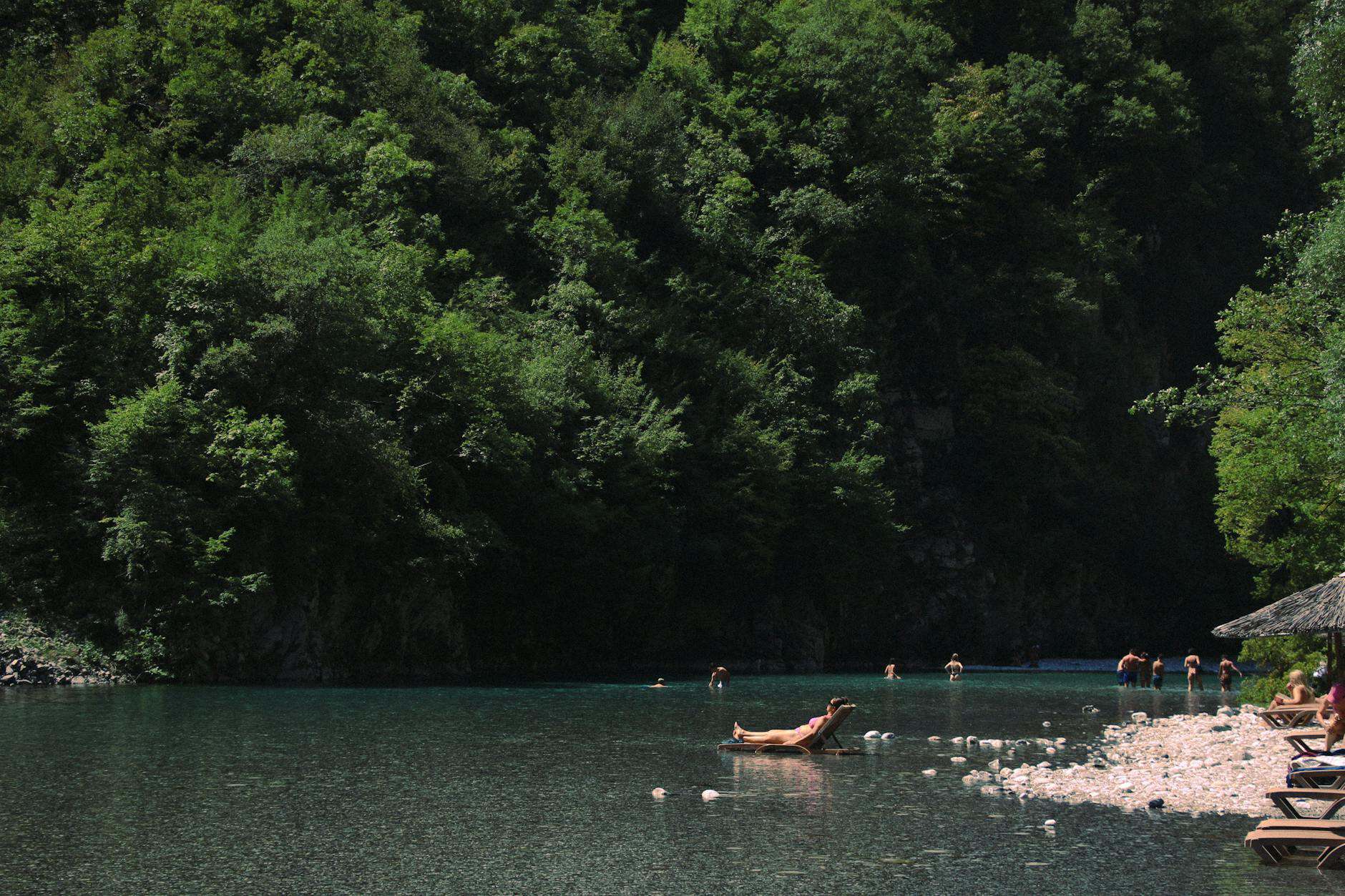
The lake vacation delivers something specific that is easy to undervalue in the abstract and hard to deny in the experience: restoration without performance.
Beach resorts are social environments. There’s a certain pressure to be doing something, looking a certain way, having a good time visibly. The activities are often structured and ticketed and require planning.
The lake is, in its archetypal form, unstructured. You sit on the dock. You get in the water when you want to. You eat whatever you brought. You decide what to do each morning based on what you feel like doing, not on what you’ve pre-purchased. The absence of agenda is the point.
Research on restorative environments finds that natural water bodies specifically — lakes, rivers, oceans — produce measurable effects on stress hormones and self-reported wellbeing. The blue space effect, as researchers call it, is real and doesn’t require the ocean to function. A lake on a calm morning, with the sound of water and the light moving across the surface, is doing something specific to the nervous system.
The Childhood Memory Effect

A meaningful portion of the lake vacation comeback is generational and specifically about parents now taking their own children to the type of place they remember from childhood.
The generation now in peak family-travel years — roughly 30 to 45 — grew up in the era of the lake vacation as standard middle-class American summer. Many of their most vivid early memories are associated with specific lakes, specific cabins, specific extended-family gatherings in the particular context that lakes provide. These memories are deeply positive in a way that often has less to do with the objective quality of the experience than with the emotional intensity of early childhood summers.
Something specific happens when this group stands at a lake with their own children: the memory and the present moment collapse into each other in a way that produces a particular kind of happiness that isn’t available at a destination they’re encountering for the first time. The familiarity of the setting activates the emotion associated with it.
They’re not going to the lake because it’s the most exotic option. They’re going because they know what it feels like, and they want their children to have that feeling too.
How Lakes Avoided the Overtourism Problem — Mostly
Lakes have, for the most part, avoided the worst of the overtourism dynamics that have damaged coastal and national park destinations. The reasons are structural:
There are a very large number of lakes in the United States — tens of thousands of them that are appropriate for recreation, spread across every region of the country. The tourist pressure that would completely overwhelm one Yosemite or one Outer Banks distributes itself across an enormous supply of lake destinations.
Lake tourism is also less concentrated than coastal tourism. Instead of everyone going to the same beach town, people go to different lakes in different states — lakes that most people outside the region haven’t heard of, which means they haven’t appeared in the trend pieces and the Instagram posts that drive destination overload.
This is slowly changing. Certain “lake districts” — the Boundary Waters, the Ozarks lakes, certain Michigan and Minnesota destinations — are experiencing meaningful crowding. But the scale is different from what has happened to the most famous coastal and mountain destinations.
The Infrastructure That’s Developed Around Lake Travel
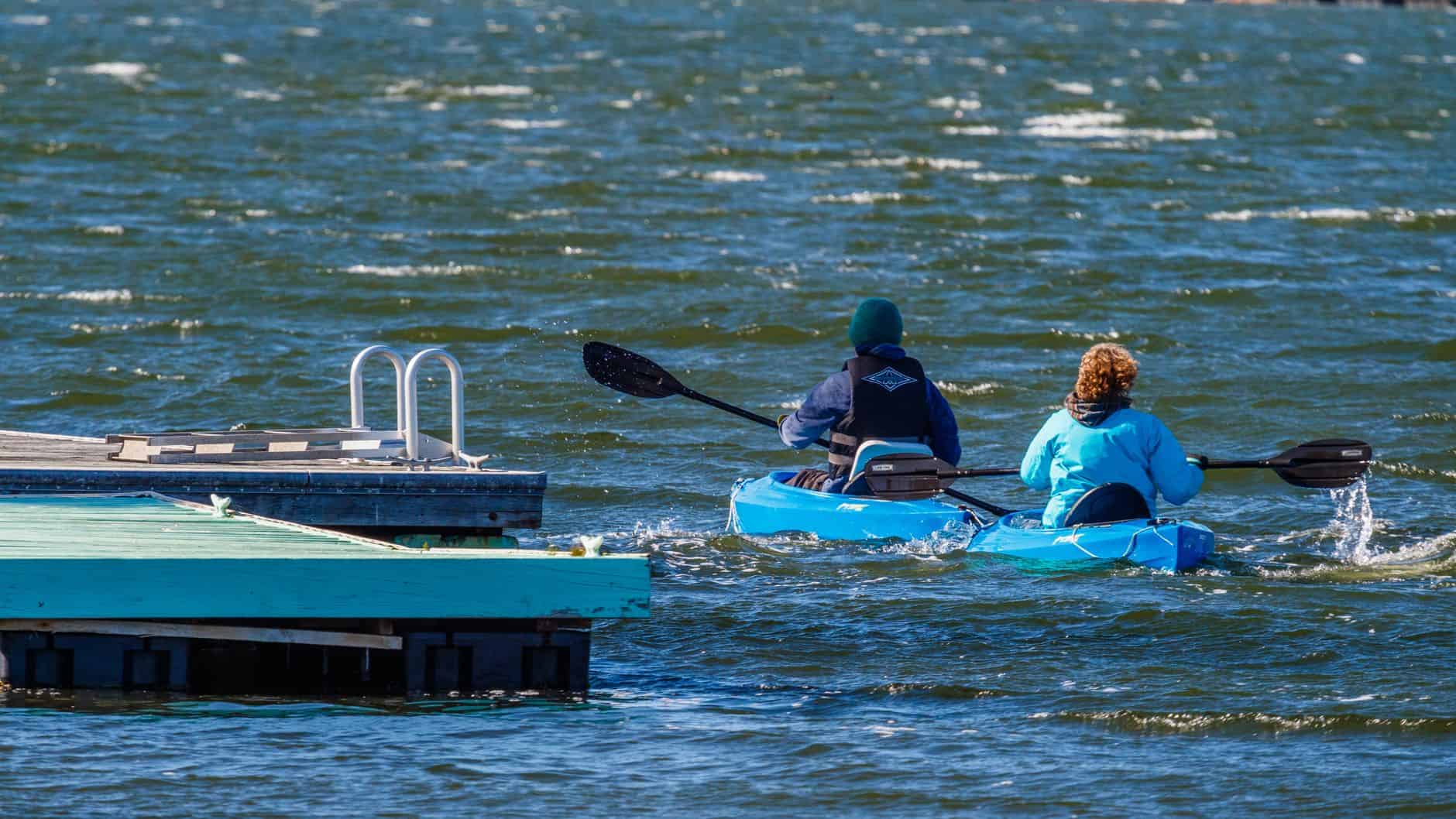
The vacation rental market has developed significant infrastructure specifically around lake properties over the past decade. The combination of platforms that allow direct booking and the expansion of professional management services for lake properties means that the quality and availability of lake rental inventory is meaningfully better than it was 15 years ago.
What’s available now that often wasn’t:
- Boat and kayak rentals included with or adjacent to the property, eliminating the need to own a boat to have the lake experience
- Grocery delivery to lake areas that once required a 40-minute drive to a full supermarket
- Reliable cell and internet service at lake cabins that previously couldn’t be used for any remote work
- Quality restaurant and food options in lake towns that previously had nothing beyond the standard American casual dining chains
This last point matters more than it might seem. The generation now driving the lake vacation resurgence has higher expectations for food quality than previous generations. A lake vacation that requires eating badly for a week is a harder sell. Lake towns that have developed real food and restaurant scenes — local seafood operations, good coffee, farm-to-table options — are attracting a demographic that previously wouldn’t have considered them.
What the Lake Comeback Says About the Broader Direction of American Travel
The lake vacation’s return is part of a broader recalibration that’s been happening gradually in American travel culture: a movement away from spectacle and toward restoration.
The maximalist travel era — more destinations, more experiences, more exotic, more photographable — produced its own fatigue. People who’ve been to dozens of countries sometimes describe a point of diminishing return that their first few trips didn’t have. The twenty-third new country produces less of the feeling that the first five produced. The mechanism that drives the desire for novelty eventually exhausts its own rewards.
What people are describing when they explain the appeal of the lake vacation is almost the opposite of novelty-seeking. Familiarity. Slowness. The same lake you came to as a child, or that your friends go to, or that your family rents the same week each year. The absence of the obligation to be anywhere specific.
This doesn’t mean international travel is dying or that ambitious travel itineraries have run their course. But it does suggest that the American travel imagination is making room for something it had been undervaluing: the trip that isn’t trying to be impressive, that’s designed simply to restore the person who takes it, and that succeeds at that specific task with a reliability that the spectacular destination doesn’t always match.