What Parents Who Took Their Kids Out of School for a Year to Travel Actually Found Out
We may earn money or products from the companies mentioned in this post. This means if you click on the link and purchase the item, I will receive a small commission at no extra cost to you ... you're just helping re-supply our family's travel fund.
This article contains affiliate links. If you book through our links, we may earn a commission at no additional cost to you.
The families who pack up and travel the world for a year with their children are a specific type of story that the internet loves. The before photos: suburban house, commute, calendar full of obligations. The after: a family on a beach somewhere, kids squinting into the sun, backpacks visible in the frame. The narrative arc is about courage and freedom and what really matters.
The families who’ve been back for three, five, eight years and are willing to give you an honest account of what happened — not the blog-post version, but the actual accounting — tell a more layered story. It’s not a cautionary tale. But it’s not a brochure either.
The Decision and What Drove It
People who make this choice cite a range of motivations, and the honest ones will tell you that the public reason and the private reason weren’t always the same.
Public reasons: wanting to give children a global perspective, disrupting routines that felt hollow, a desire for genuine family time before the kids are teenagers, seeing the world while the kids are still young enough to travel flexibly.
Private reasons, admitted later: escaping a job that had become unbearable. A marriage under strain that needed new context. A vague dissatisfaction with the shape of the life that had been built. A fear that something important was being missed without being able to name what it was.
Both sets of motivations are legitimate. But families who traveled primarily to escape something often found that what they were escaping came along for the trip. The person who was unhappy in their career was still that person on the road. The couple whose marriage was fraying in a house in the suburbs was still a couple with a fraying marriage, now in shared hotel rooms with limited privacy and children present.
What Happened to the Kids — The Honest Version
The children are the part people most want to know about, and the honest accounts are more varied than the travel-family genre suggests.
Things that parents consistently describe as genuine positives:
- Children developed adaptability and resilience from navigating unfamiliar environments regularly
- Exposure to genuine economic and cultural diversity that textbooks don’t convey
- Extended unstructured time with parents, during which many families report conversations and interactions that wouldn’t have happened in ordinary life
- Independence — children who had to navigate unfamiliar places, communicate across language barriers, and figure things out alongside their parents developed a self-reliance that parents could see clearly
Things that parents are more candid about in retrospect:
- Some children were more disrupted than the parents initially acknowledged. Not devastated — but moving every two to three weeks, losing the structure of school and friends, being in a perpetual state of social novelty is harder for some children than others.
- Younger children adapted more easily. Children in middle school, who were in the middle of forming their social identities, sometimes found the sustained social displacement genuinely difficult.
- The homeschooling component, handled with varying degrees of rigor, produced gaps that some families discovered only when children returned to school.
The Marriage Reality Nobody Blogged About

The couples who traveled for a year with children faced a version of the same dynamics described in any long-form couple travel — amplified by the presence of children, the extended timeframe, and the fact that there was no easy exit.
Parents who describe the year as having strengthened their marriage tend to describe it the same way: they had to become a real team. Every decision — where to go, how to handle a sick child in an unfamiliar country, how to manage money, how to split the responsibilities of travel and homeschooling — required actual coordination. The couples who did this well report that the year forced them to communicate more directly than they had in years.
The ones who struggled report the obvious: it’s an extremely difficult environment in which to address relationship problems, because you’re living in close quarters with children present, you have no support network, and there’s no breathing room. Problems that might have been addressed slowly through couples therapy and separate spaces to decompress got worse, faster.
Several couples in these longer accounts separated during or shortly after the trip. They tend to be candid that the trip didn’t cause the separation — it just made the underlying dynamic impossible to defer.
The Academic Reckoning When They Returned

The homeschooling question is complicated and depends enormously on how seriously it was taken. Families who built rigorous academic programs, used accredited online schools, or had teaching backgrounds handled the academic continuity reasonably well. Families who described the world as “the real education” and did minimal formal schooling found significant gaps on return.
The specific challenges:
- Math gaps — sequential subjects where missing foundational material creates compounding problems downstream
- Writing mechanics and formal grammar for children who weren’t doing structured writing exercises
- Standardized test preparation for older children approaching high school
The social reintegration was often harder than the academic catch-up. Children who’d been out for a year returned to find friend groups that had reorganized in their absence, social dynamics they’d missed the development of, and a sense that they were slightly out of step with a cohort that had continued without them. Most resolved this within a school year. Some took longer.
What the Children Actually Remember Years Later
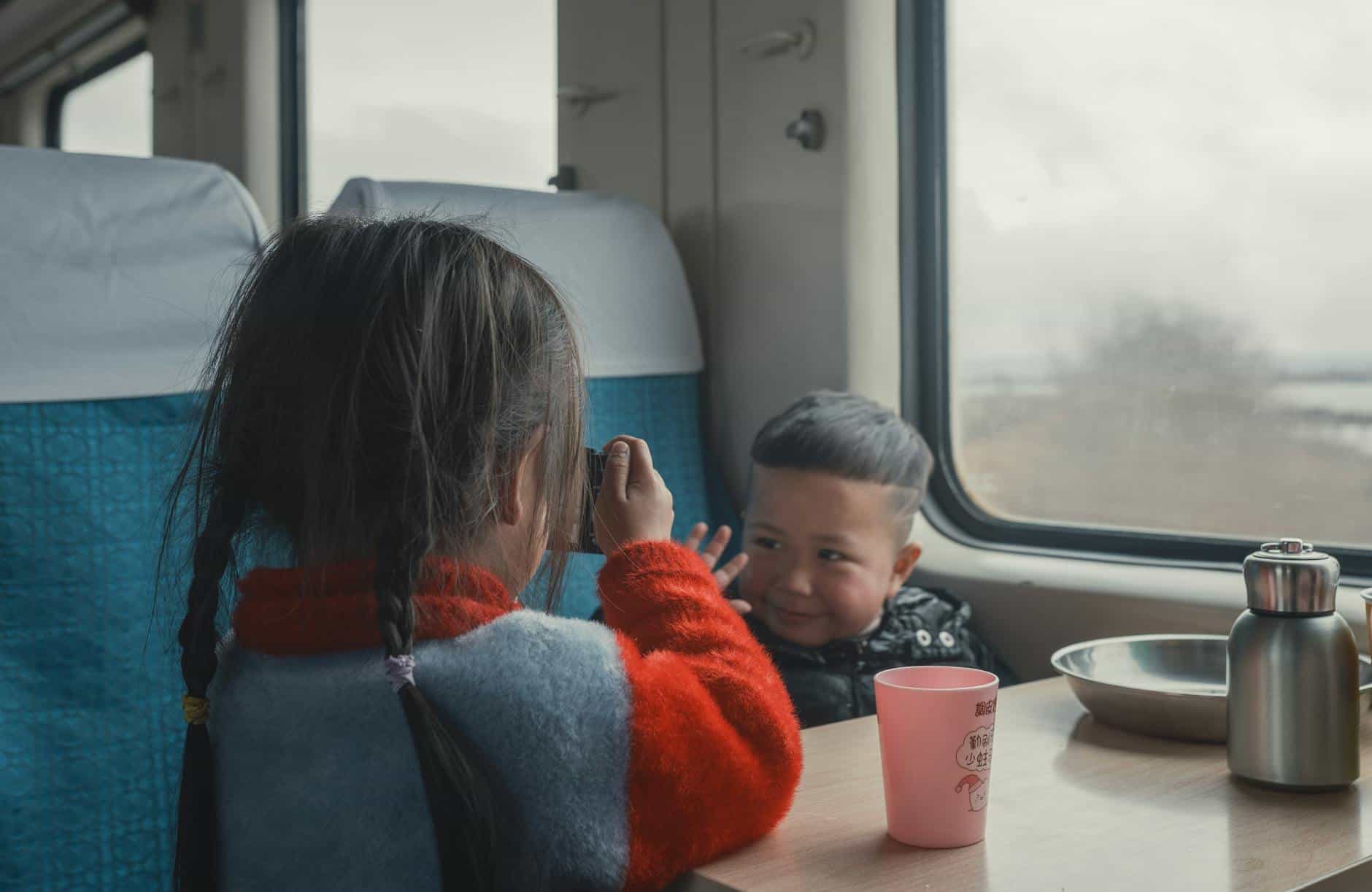
This is the most interesting data point, gathered from adults who were children during their family’s travel year and are now old enough to reflect on it:
They almost universally remember it as significant and positive. But what they remember is almost never what the parents imagined they would remember.
Not the famous landmarks. Not the bucket-list experiences that cost the most money and planning. Not the explicitly educational components.
They remember: specific sensory details of specific places. A meal. A person they met. An afternoon when something funny happened. A stretch of road. The feeling of a particular morning in a particular country. The time something went wrong and the family figured it out together.
This tracks with what memory research shows generally — children encode specific, emotionally resonant moments rather than programmatic experiences. The family that prioritized coverage of meaningful places often gave their children what turned out to be a very conventional travel experience with better geography. The family that slowed down, stayed somewhere longer, let things happen, and paid attention gave their children something that looks more like memory.
The Career and Money Aftermath

The finances of a year of family travel are significant and the aftermath is often more complicated than people anticipated.
Many families funded the year from savings, the proceeds of a home sale, or a combination. Returning to regular income after a year out requires either returning to a former employer, finding a new job, or having built something during the trip — remote work, writing, content creation — that sustains them on return.
The career re-entry is challenging in ways that people underestimate. A one-year gap on a resume requires explanation. Industries move quickly. The specific relationships and institutional knowledge that made someone valuable in their former role have partially depreciated. Some people return to find that re-entry is harder and slower than expected, which creates financial stress that colors their memory of the decision.
The parents who handled the financial aftermath best were those who either had remote-work income that continued during the trip, had saved enough to take a year to rebuild on return, or worked in fields where the gap was genuinely welcomed as evidence of character rather than flagged as suspicious.
What They Found Out About What They Were Running From

The honest accounts almost always include something about what the trip clarified regarding the life that was left. The clarity is sometimes welcome, sometimes not.
People who discover that what they were unhappy about was genuinely external — a particular job, a particular social environment, a routine that wasn’t working — often return with the ability to change those things specifically. The year gave them perspective and time, and they used it to rebuild differently.
People who discover that what they were unhappy about traveled with them face a harder conclusion. The dissatisfaction that drove the decision to leave was internal. The changed setting illuminated it without resolving it. This is not a failure of the trip — it’s a finding. The finding is that geography doesn’t fix psychology. But some people needed a year on the road to stop believing it might.
What They’d Do Differently — and Whether They’d Do It Again
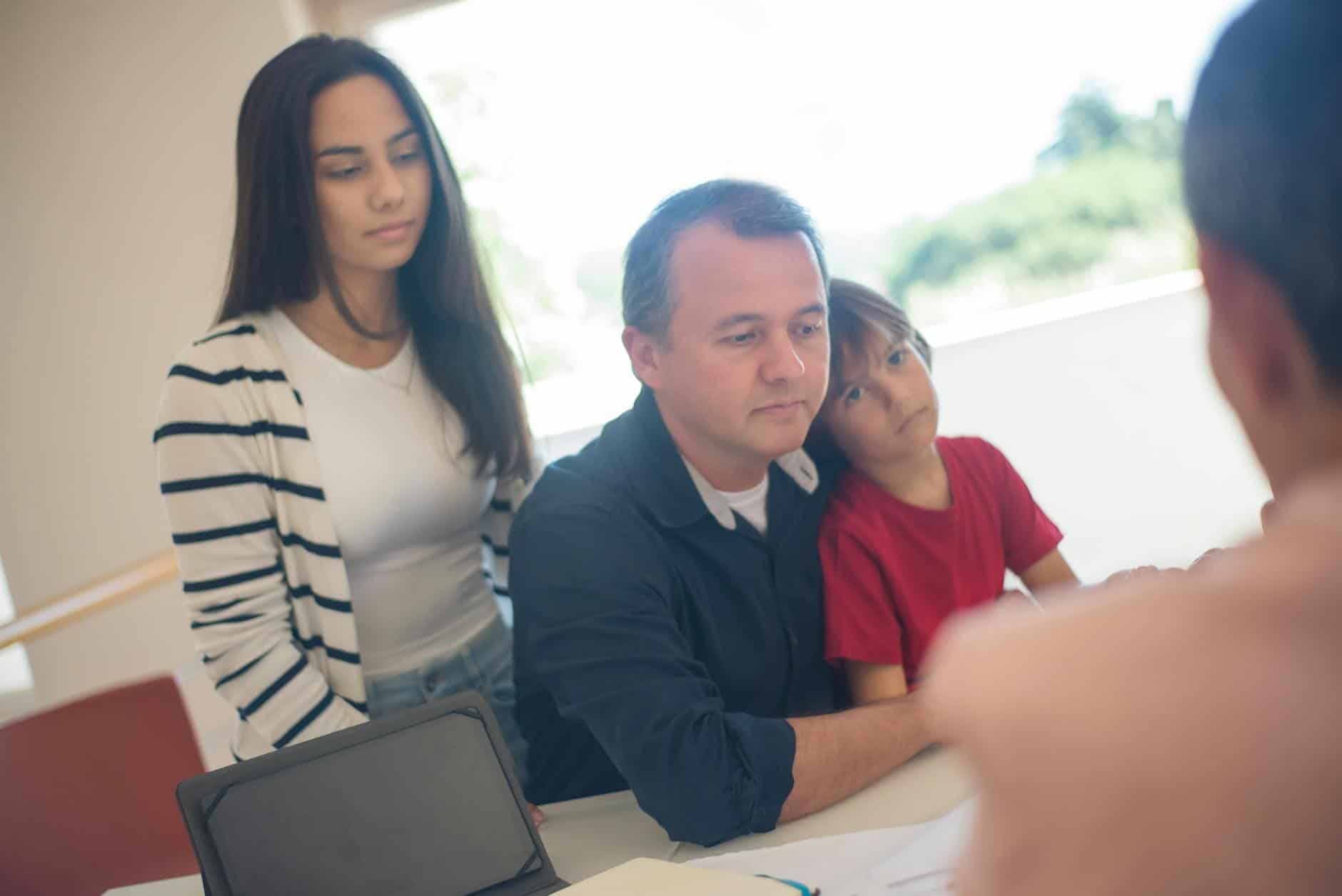
Ask people who’ve done this and been back long enough to have real perspective and the answers cluster:
Things most say they’d do differently:
- Slow down more — spend a month somewhere instead of two weeks, two weeks instead of one
- Take the academic component more seriously from the beginning rather than hoping the world would provide
- Leave earlier — many wish they’d done it when the children were younger
- Have better-defined plans for return, career, and finances rather than improvising on re-entry
Whether they’d do it again: The overwhelming majority say yes. Even people whose marriages didn’t survive the year, even people whose re-entry was hard, even people whose children had a difficult time — most say the year changed them in ways they value. They understand themselves better. They understand their children better. They know what they care about in a way that their pre-trip selves didn’t.
The trip didn’t deliver what was imagined. It delivered something else, something that resists the clean narrative arc of the travel blog. But for most families who’ve lived with the decision long enough to see what it actually produced, it was worth it — for reasons that have nothing to do with the Instagram photos.