Where Americans Actually Go on July 4th Weekend — The Traffic Data, the Destinations, and the Towns That Dread It
We may earn money or products from the companies mentioned in this post. This means if you click on the link and purchase the item, I will receive a small commission at no extra cost to you ... you're just helping re-supply our family's travel fund.
This article contains affiliate links. If you book through our links, we may earn a commission at no extra cost to you.
Every year, someone publishes a breathless piece about how July 4th is the busiest travel weekend in America, and every year, the people reading it think: yeah, sure, it’s busy. Then they get on I-95 Friday afternoon and discover that “busy” doesn’t come close.
The American Automobile Association estimates that roughly 70 million Americans travel over the July 4th holiday period — a figure so large it’s almost impossible to process. To put it differently: more than one in five Americans is in motion the same three days, largely headed to the same coastal and lake destinations, largely via car, largely leaving at the same time Friday afternoon.
The result is predictable and, if you study the data, genuinely fascinating. America’s travel patterns on this specific weekend reveal something about who we are as a country that no other data point quite captures.
The Scale Is Staggering — And Most People Don’t Realize It
The July 4th travel surge didn’t appear overnight. It built gradually across the postwar decades as car ownership expanded, highways spread, and the concept of the long weekend evolved into its current form. What we have now is a system so deeply grooved that virtually every American family follows the same scheduling logic without ever discussing it.
Friday afternoon departure. Sunday or Monday return. Destination: somewhere with water.
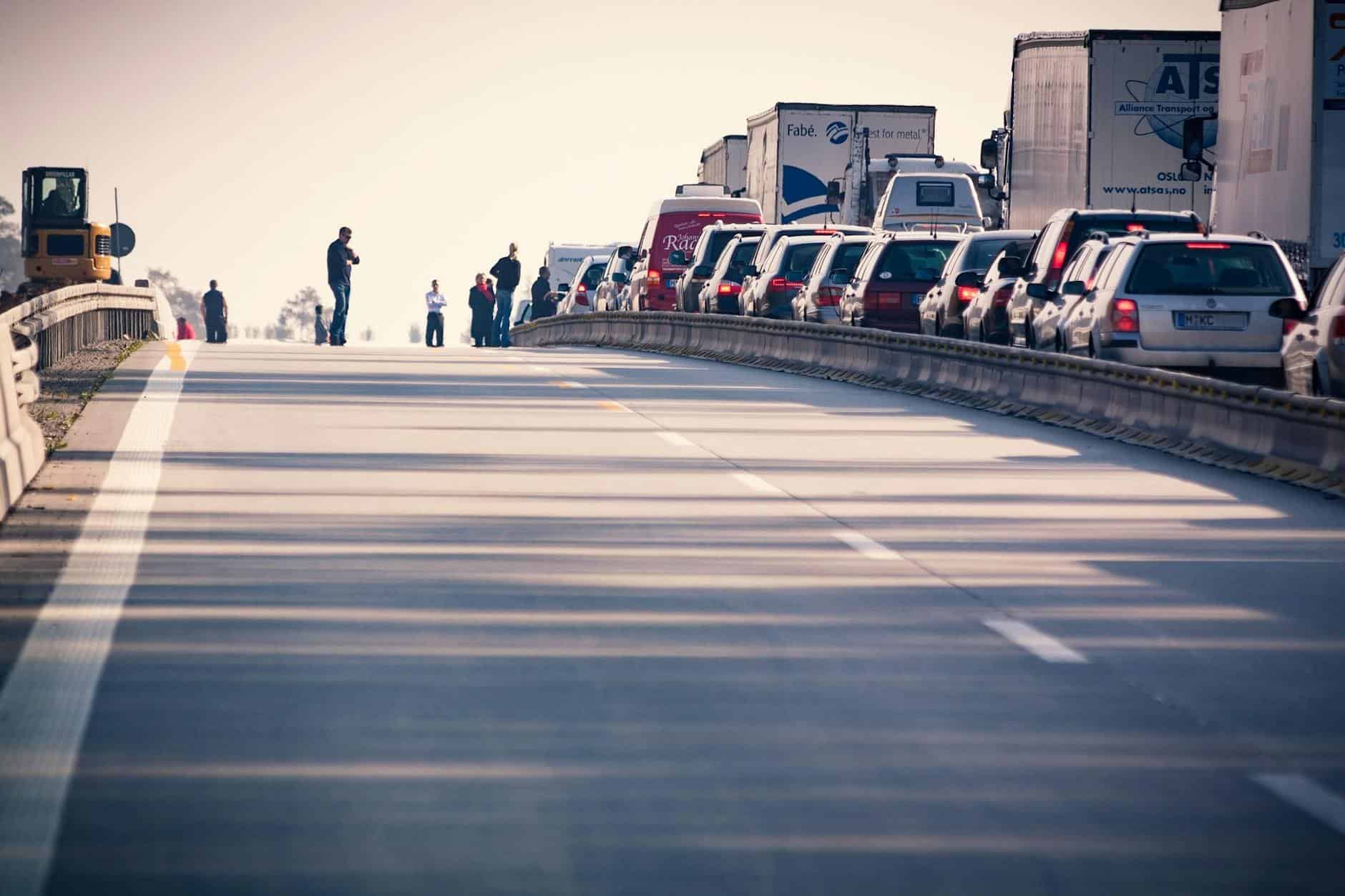
The AAA data on this is remarkably consistent year over year. About 90 percent of July 4th travelers drive rather than fly. The average trip distance is around 50 miles, which sounds low until you remember it’s a median — millions of people are driving 20 minutes to a local lake, which drags the average down from the families doing 800-mile runs to the Outer Banks.
Air travel on July 4th weekend has surged in recent years, with TSA checkpoint numbers regularly hitting all-time records. But the story of this holiday is fundamentally a car story. The highway system wasn’t built for July 4th weekend, and every year, July 4th weekend reminds us of that.
In states with major coastal destinations — Florida, the Carolinas, New Jersey, California — traffic monitoring agencies issue warnings days in advance. Not “it might be slow” warnings. Specific color-coded alerts for specific highway segments at specific hours. The data on when congestion peaks is so consistent year over year that the warnings have become almost mathematically precise.
The Top Destinations Are Almost Embarrassingly Predictable
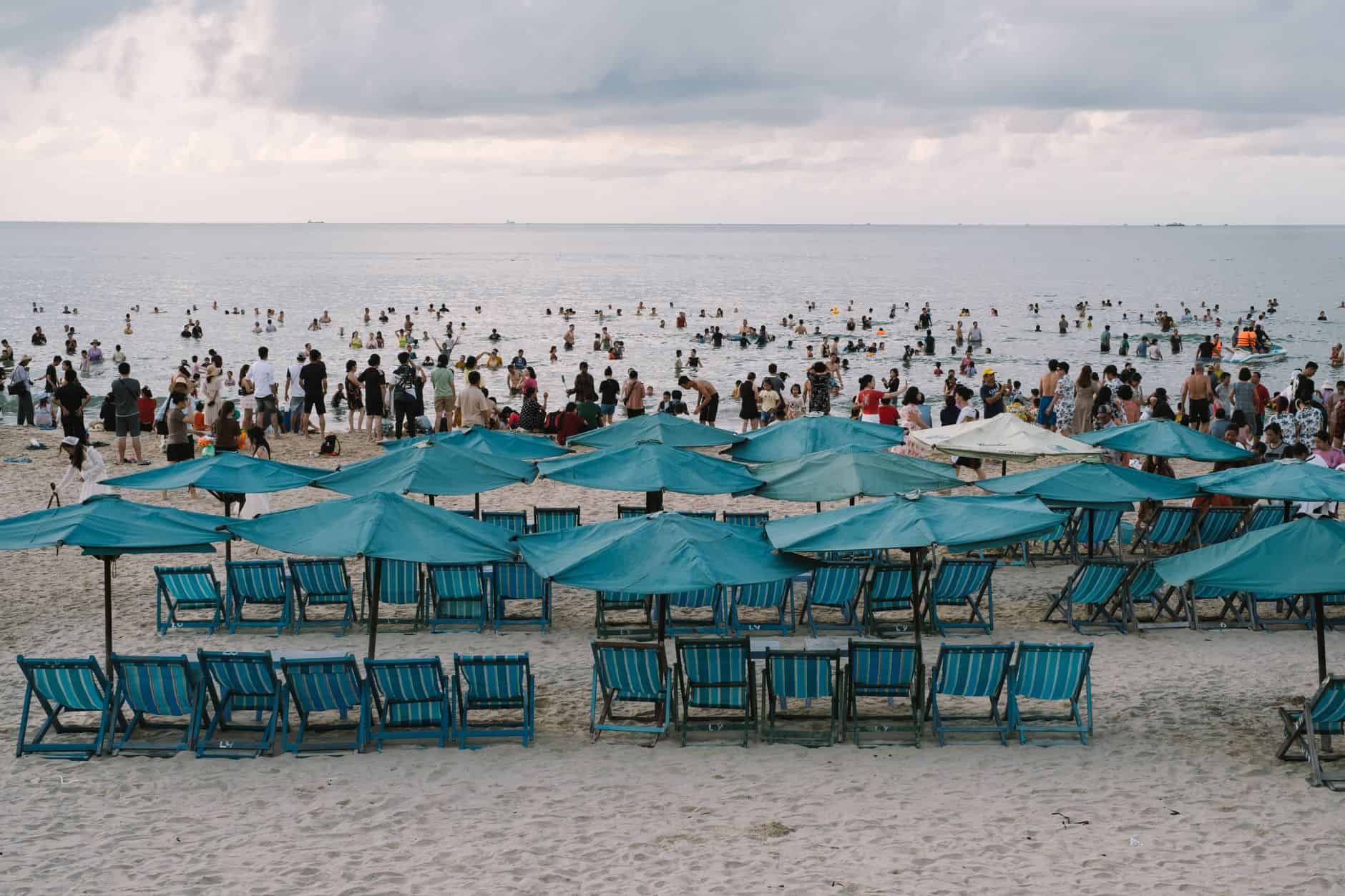
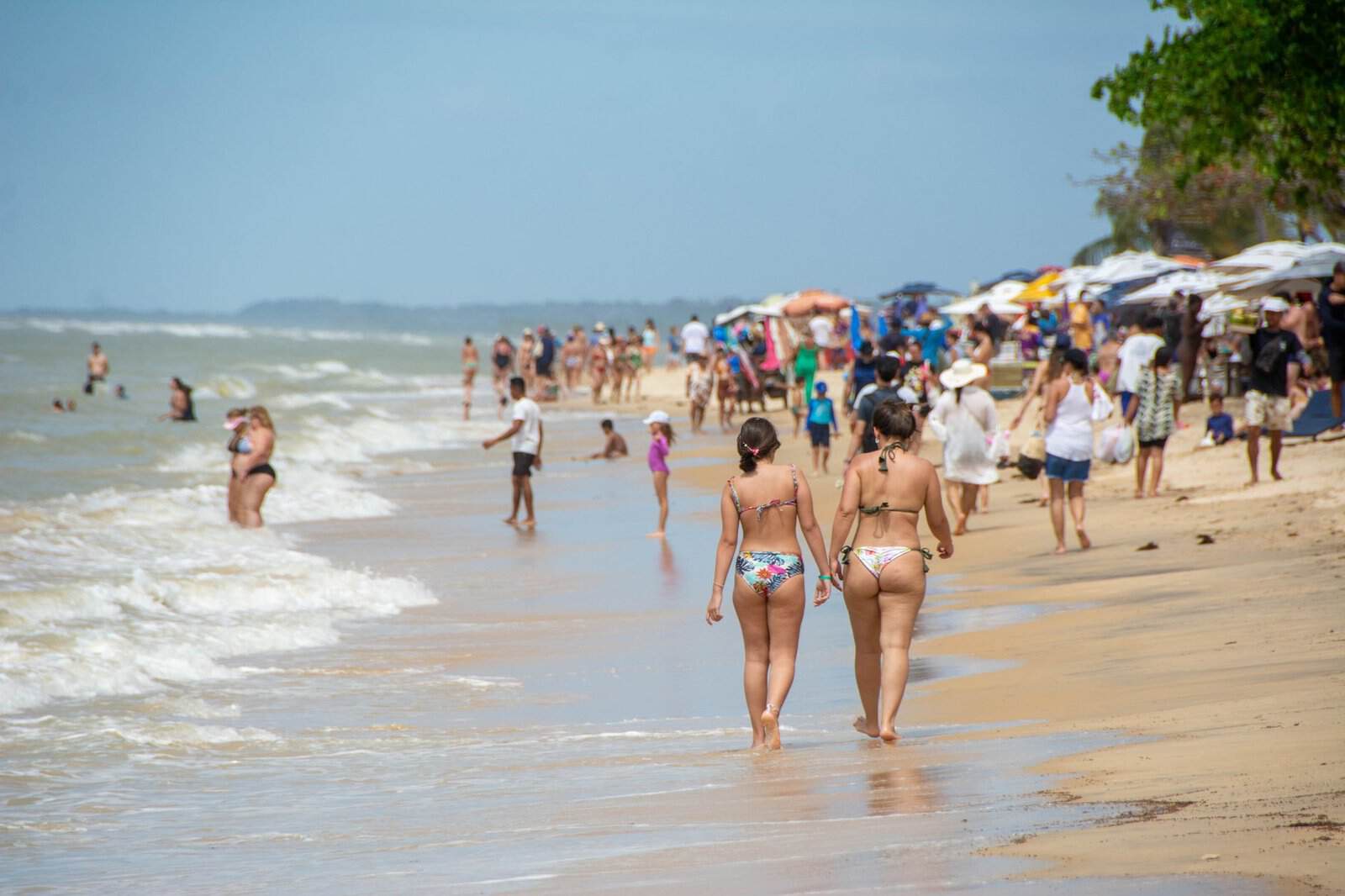
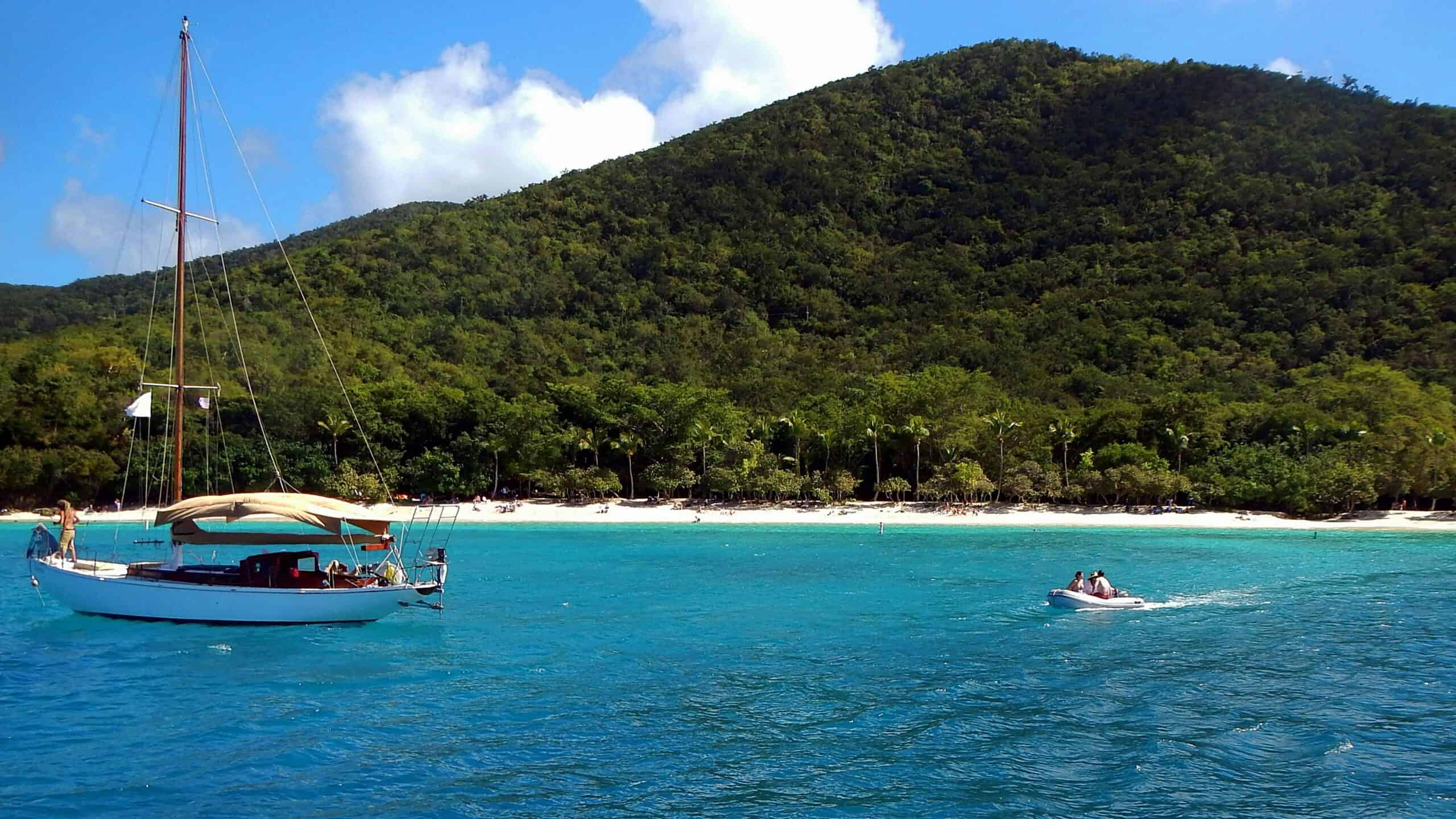
Ask Americans where they want to go for July 4th, and the answers cluster hard. Beach. Lake. Mountains. Backyard. Fireworks somewhere with a good view.
The specific destinations that see the largest surges are largely the same places that have been popular since the 1970s: the Jersey Shore, the Outer Banks of North Carolina, Cape Cod, Myrtle Beach, the Smoky Mountains, Lake Tahoe, Lake of the Ozarks, Table Rock Lake, the Wisconsin Dells, Myrtle Beach (again — it really does appear twice in any honest accounting).
What’s changed in the last decade is the emergence of second-tier destinations that got discovered during the pandemic and never fully de-discovered. Towns in the Finger Lakes region of New York. Spots on the Alabama Gulf Coast. Areas around Lake Anna in Virginia. These places absorbed overflow from the major destinations and built vacation infrastructure to handle it, and now they’re part of the circuit.
The pattern holds: Americans travel to places they already know, or to places their parents or friends have been, on the same weekend everyone else does. There is remarkably little adventurousness in the aggregate July 4th data. This is not a weekend for first-time international trips. This is a weekend for the place you’ve been going since childhood, executed under time pressure, with fireworks somewhere at the end.
The Towns That Dread the Weekend More Than Any Other
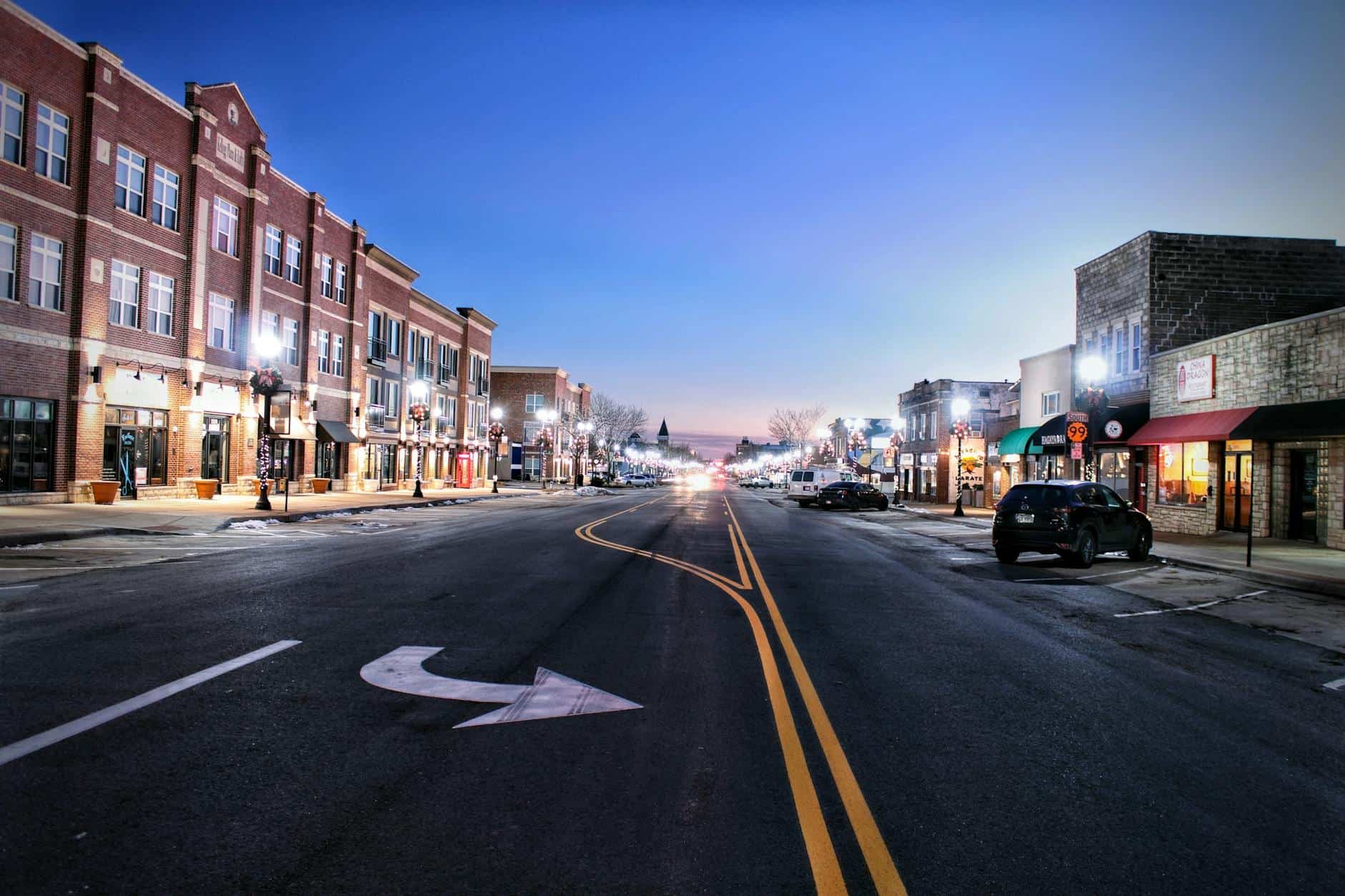
There is a category of American town that exists in a permanent negotiation with its own popularity, and nowhere is that negotiation more fraught than the weeks surrounding July 4th.
Think of a place like Dewey Beach, Delaware. Population around 350 people year-round. Peak summer population: tens of thousands. On July 4th weekend, the town essentially ceases to function as a residential community and becomes something closer to a temporary festival site with houses attached.
The businesses love it. The restaurants, the bars, the rentals, the surf shops — the July 4th weekend can represent 15 to 20 percent of annual revenue compressed into 72 hours. There are business owners in coastal towns who structure their entire year around surviving until July 4th and then surviving through Labor Day.
But ask the people who actually live in these towns year-round, and you get a different story. The ones who’ve been there long enough remember when the holiday was a community event, when you knew most of the people at the fireworks show, when you could still get a parking spot at your own grocery store. Now they talk about July 4th the way soldiers talk about a recurring deployment: something to be survived rather than enjoyed.
Some of them leave. This is not a small phenomenon. In heavily touristed coastal towns, there’s a well-documented pattern of long-term residents arranging their own vacations specifically around peak tourist weekends, heading inland or to relatives’ houses so they can return once the crowds have thinned. The town empties of its actual inhabitants as it fills with visitors.
What the Traffic Data Actually Reveals About American Vacation Psychology
Here’s what’s strange about July 4th travel: Americans are not, broadly speaking, adventurous vacationers. The same data organizations that track July 4th movement consistently find that most Americans travel within 500 miles of home, to familiar destinations, using the same modes of transportation they’ve always used.
July 4th amplifies this. The weekend is short enough that ambitious travel feels wasteful — you spend most of your time in transit. So people default to what’s close, what’s known, and what’s guaranteed to have fireworks.
The psychological framing matters. Independence Day isn’t framed as an exploration holiday. It’s framed as a return holiday — to the lake house, to the beach town, to the family gathering spot. The patriotism embedded in the holiday subtly encourages a kind of geographic conservatism. This is a weekend to celebrate a specific place, a specific identity. Going somewhere unfamiliar would feel slightly beside the point.
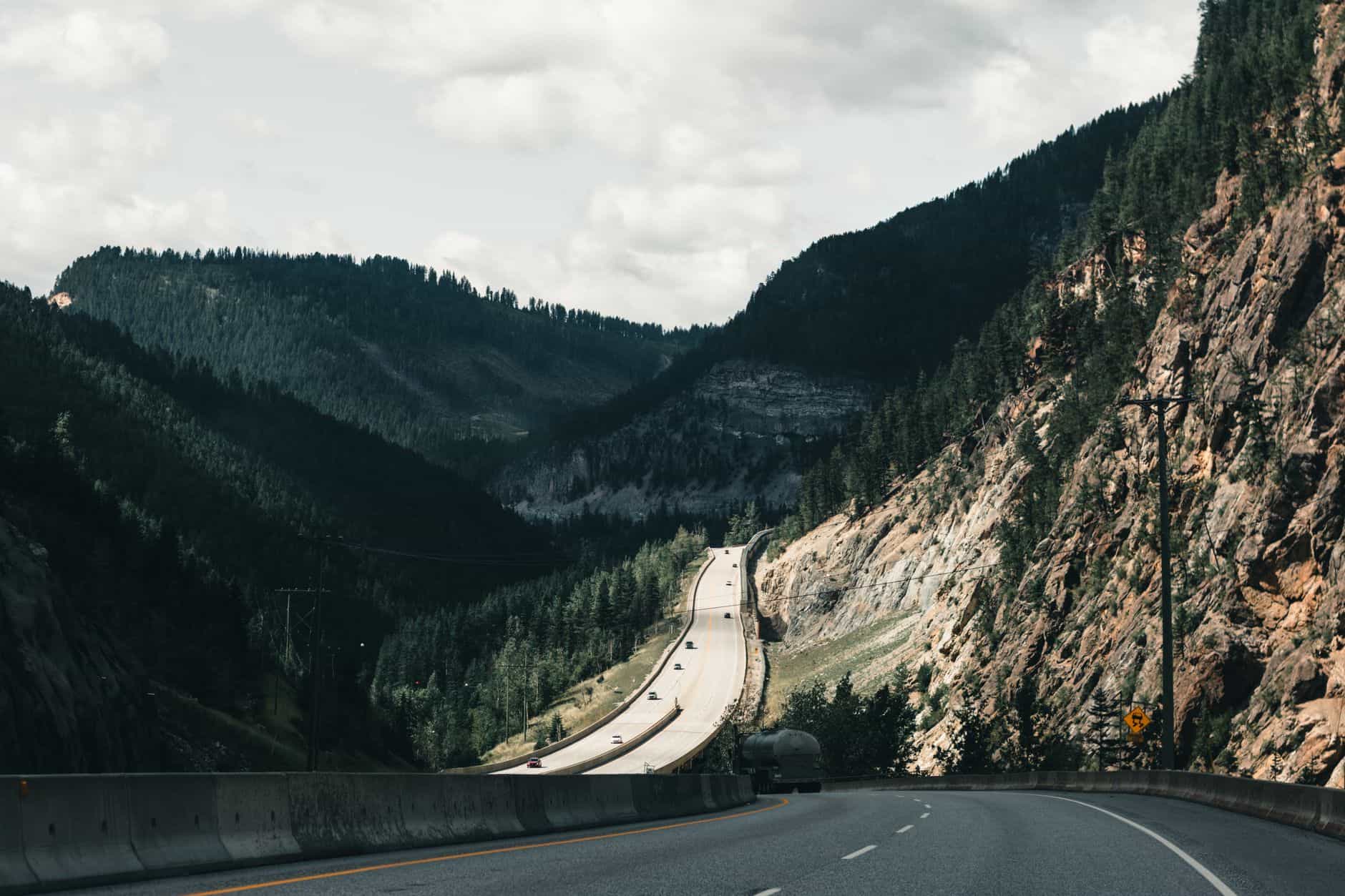
This explains why July 4th traffic is so heavily concentrated on such a small number of corridors. The I-95 Eastern seaboard corridor. I-75 into Northern Michigan lake country. I-70 into the Rockies. I-10 into the Gulf Coast. These are the arteries of American vacation memory, and July 4th is when everyone follows the same memory at once.
The Economic Windfall — and the Hangover
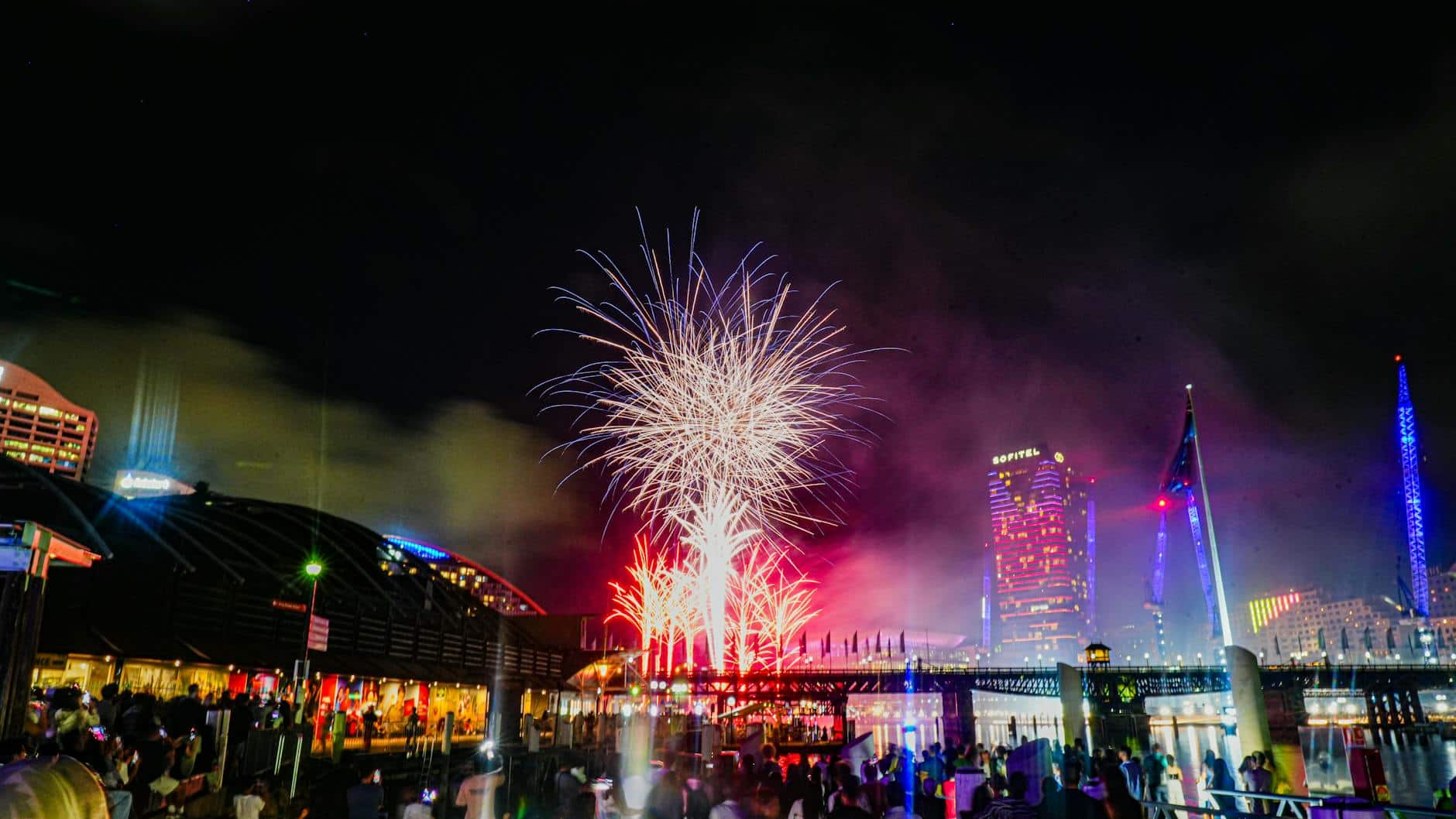
For the towns that receive the July 4th surge, the economics are genuinely complicated. The revenue is real. In a town of 5,000 people that swells to 40,000 over the holiday weekend, the tax receipts, the retail sales, the restaurant tabs — they’re substantial. Some municipalities fund significant portions of their annual infrastructure budget from summer tourism revenue, with July 4th as the peak of the peak.
But the costs are real too. Emergency services get strained. Road damage from heavy traffic accelerates. Waste management becomes a logistical event requiring outside contractors. In towns with beaches, the cleanup operation following July 4th weekend has a budget line of its own.
And then there’s the social cost that doesn’t show up in any budget: the erosion of the community itself. When a town’s economy becomes structurally dependent on tourist revenue, the town starts making decisions that optimize for tourists rather than residents. Housing gets more expensive. Services shift toward visitor preferences. The school system gets underfunded because the tax base is tilted toward vacation properties occupied only part of the year.
This is the July 4th paradox: the weekend that generates the most economic activity for these communities is also a useful window into why those communities are under structural pressure.
The Locals Who Leave Before the Crowds Arrive
In Nantucket, Massachusetts, there’s a phrase residents use: “going off-island” for the holiday. In Seaside, Oregon, longtime residents talk about their family’s tradition of heading to Portland for July 4th because Seaside becomes unnavigable. In Traverse City, Michigan, there are locals who’ve been booking a cabin in the Upper Peninsula specifically for the July 4th weekend for decades — going further north to escape the crowds coming north.
This counter-migration is one of the genuinely undercovered stories of July 4th travel. The people who live in the destinations are often themselves traveling — not toward the heat of the holiday, but away from it.
It’s a coping mechanism, but it’s also a kind of quiet testimony to what extreme tourism does to a place. When the people who call a town home feel they need to leave during its busiest moment, something has shifted in the basic relationship between a community and its visitors. The destination has succeeded in attracting people and lost something essential in the process.
What This Weekend Says About How Americans Use Their Freedom
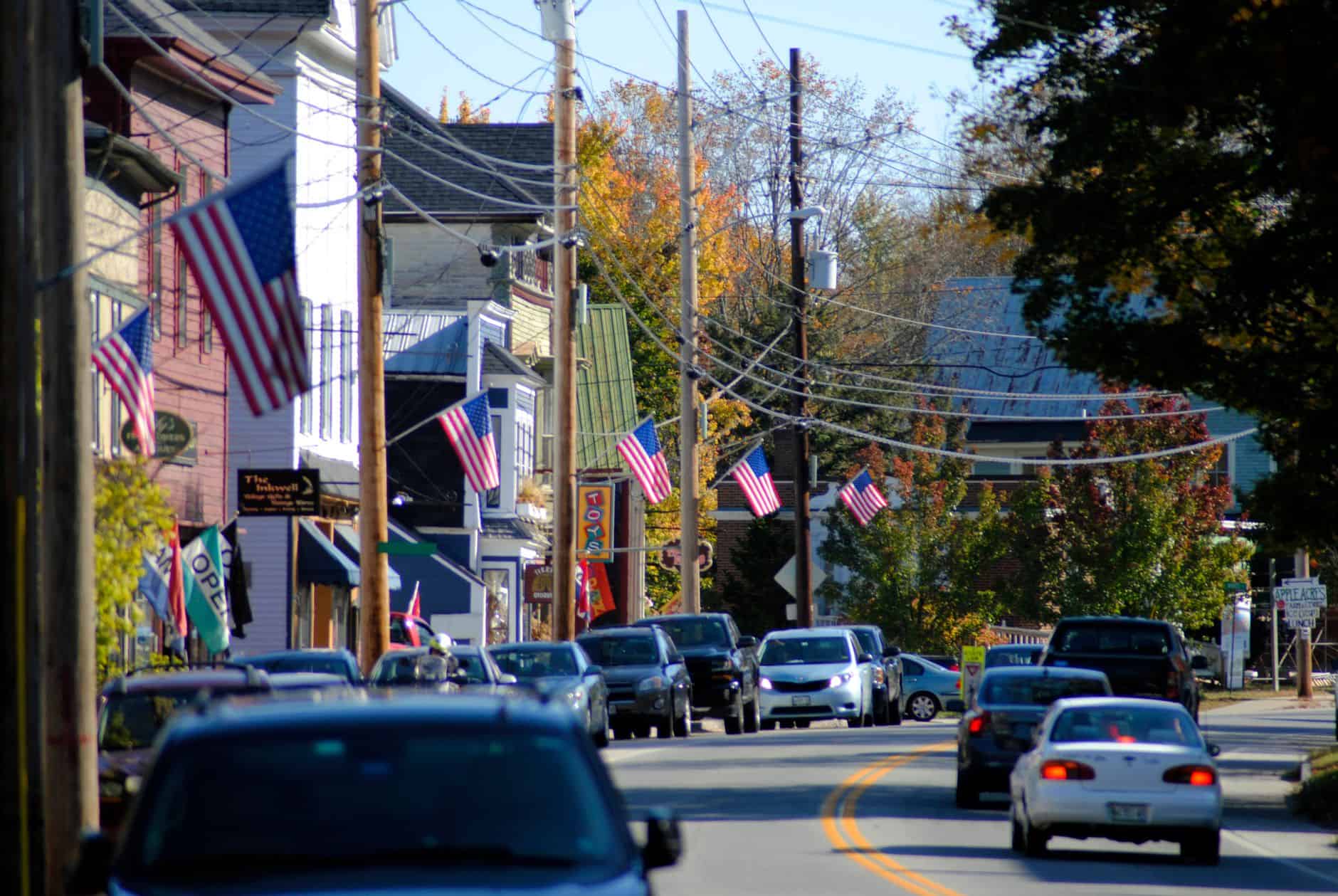
There’s an irony in July 4th travel that nobody quite says out loud: this holiday celebrating freedom, independence, and the open road produces some of the most regimented, predictable, congested movement in the American calendar.
Millions of people doing the same thing, at the same time, to the same places, because that’s what July 4th is. The freedom is real — nobody has to go anywhere. But the social gravity of the holiday pulls people into patterns that look, from above, like anything but freedom.
What the data ultimately shows is that Americans value continuity as much as adventure, and that a holiday with this much cultural weight tends to reinforce existing patterns rather than disrupt them. July 4th is when we go where we go. The data is boring. The traffic is not. And somewhere in that gap between the predictability and the gridlock, you find something true about how a country actually lives.