What Fireworks Tourism Does to a Small Town — The Economics, the Locals Who Love It, and the Ones Who Are Done
We may earn money or products from the companies mentioned in this post. This means if you click on the link and purchase the item, I will receive a small commission at no extra cost to you ... you're just helping re-supply our family's travel fund.
This article contains affiliate links. If you book through our links, we may earn a commission at no extra cost to you.
Somewhere in this country right now, a town manager is staring at a budget spreadsheet and trying to calculate whether the fireworks show is worth it. Not the cost of the shells — that’s the easy part. The hard calculation involves overtime for every department, portable toilet rental contracts, the road resurfacing that keeps getting delayed, and the informal cost of the dozen longtime residents who’ve told her personally that they’re thinking about selling.
Fireworks tourism is one of the most studied and least understood economic phenomena in American small-town life. Every summer, hundreds of small municipalities put on shows that function less as community celebrations and more as large-scale visitor attraction events, with all the complications that implies.
The towns that do it well have figured out a balance that takes years to calibrate. Many towns never find it.
How a Town Becomes Known for Its Fireworks
The origin stories are remarkably similar. Someone — usually a civic organization, sometimes a single enthusiastic donor, occasionally a chamber of commerce with ambitions — decides to do the fireworks bigger than usual one year. They spend more. The show is genuinely impressive. People come from neighboring towns. Then from neighboring counties. A local news segment runs. The show gets a reputation.
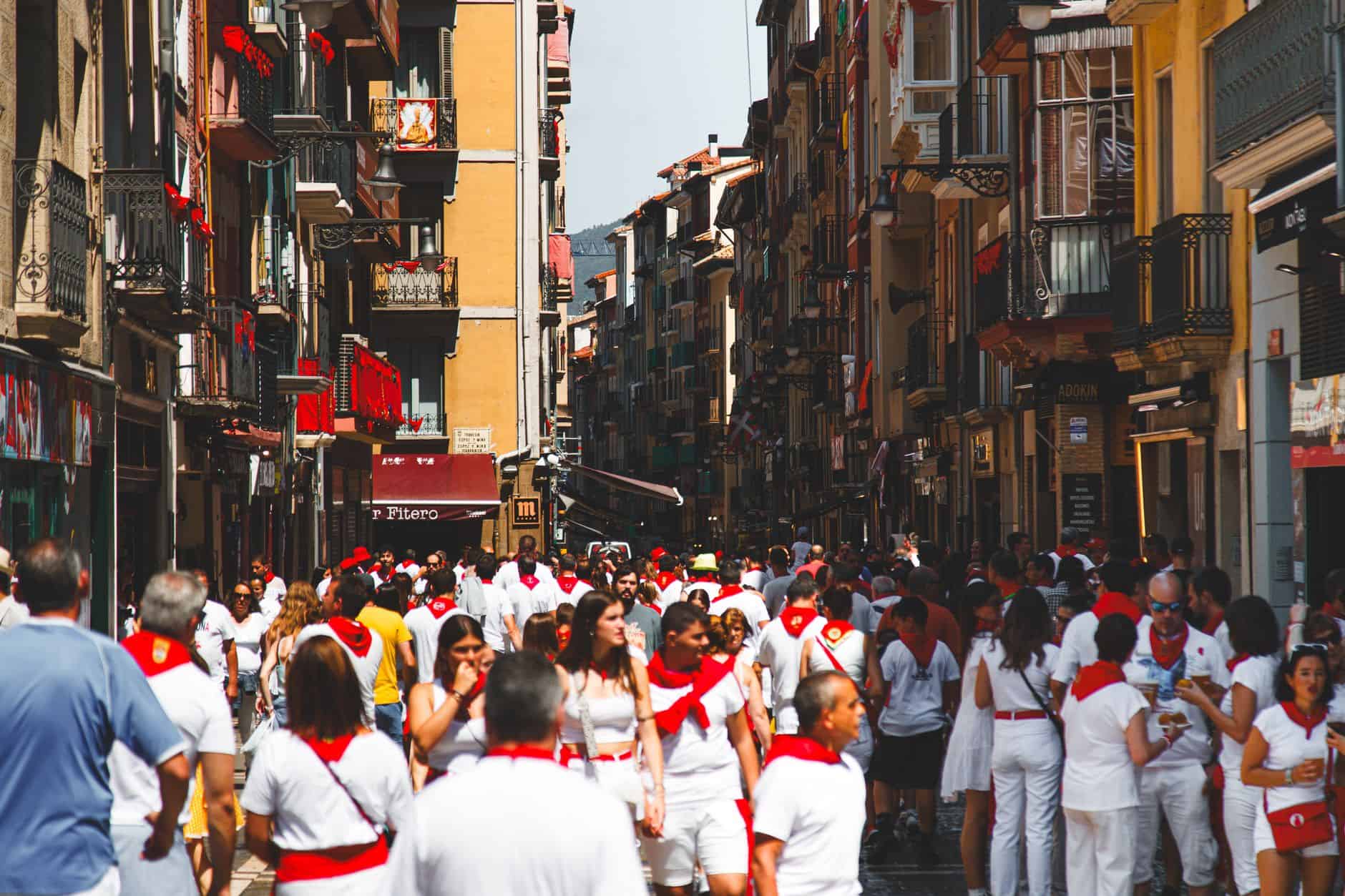
The next year, the crowd is noticeably larger. The pressure to maintain the quality increases. The budget grows. The crowd grows in response to the budget. Within a decade, what was once a community celebration has become a regional event, and the town is now in the business of hosting visitors whether it intended to be or not.
This is the pattern in places like Ogunquit, Maine, where the beach geography and a long-running show have made July 4th a genuine tourist event for the entire southern Maine region. It’s the pattern in small lake towns in Minnesota and Wisconsin, where the fireworks show over the water became the reason people started booking cabins specifically for that weekend. It’s the pattern in Addison, Texas, where what began as a suburb’s holiday event became one of the largest fireworks shows in the Dallas area.
The reputation, once established, is almost impossible to walk back. The show becomes part of the town’s identity, and scaling it back or canceling it produces a community reaction that makes it feel non-optional.
The Money That Flows In (and Where It Goes)

The economic case for a major fireworks show is real, and proponents make it confidently. A town that draws 40,000 visitors for a single July 4th event generates tax revenue — sales tax on restaurant meals, hotel occupancy tax, gas station purchases, parking fees — that can meaningfully fund municipal services.
In some cases, the math is striking. A tourism economist studying small beach towns found that July 4th weekend alone could represent 8 to 12 percent of a town’s annual sales tax receipts. For a town that’s always fighting over budget allocations, that’s not nothing.
But the distribution of that money within the community is uneven in ways the aggregate numbers obscure. The restaurants on the main drag have a great night. The bars do extraordinary business. The vacation rental owners capture a significant premium — July 4th weekend rates in fireworks destination towns regularly run two to four times the normal summer rate.
What’s harder to see is how much of that money leaves the town immediately. Chain restaurants send revenue to corporate. National vacation rental platforms take their percentage. Gas stations owned by regional operators send profits to regional offices. The locally owned businesses — the real beneficiaries of tourism economics — often represent a smaller share of the total visitor spending than the feel-good narrative suggests.
The Infrastructure Nobody Budgets For
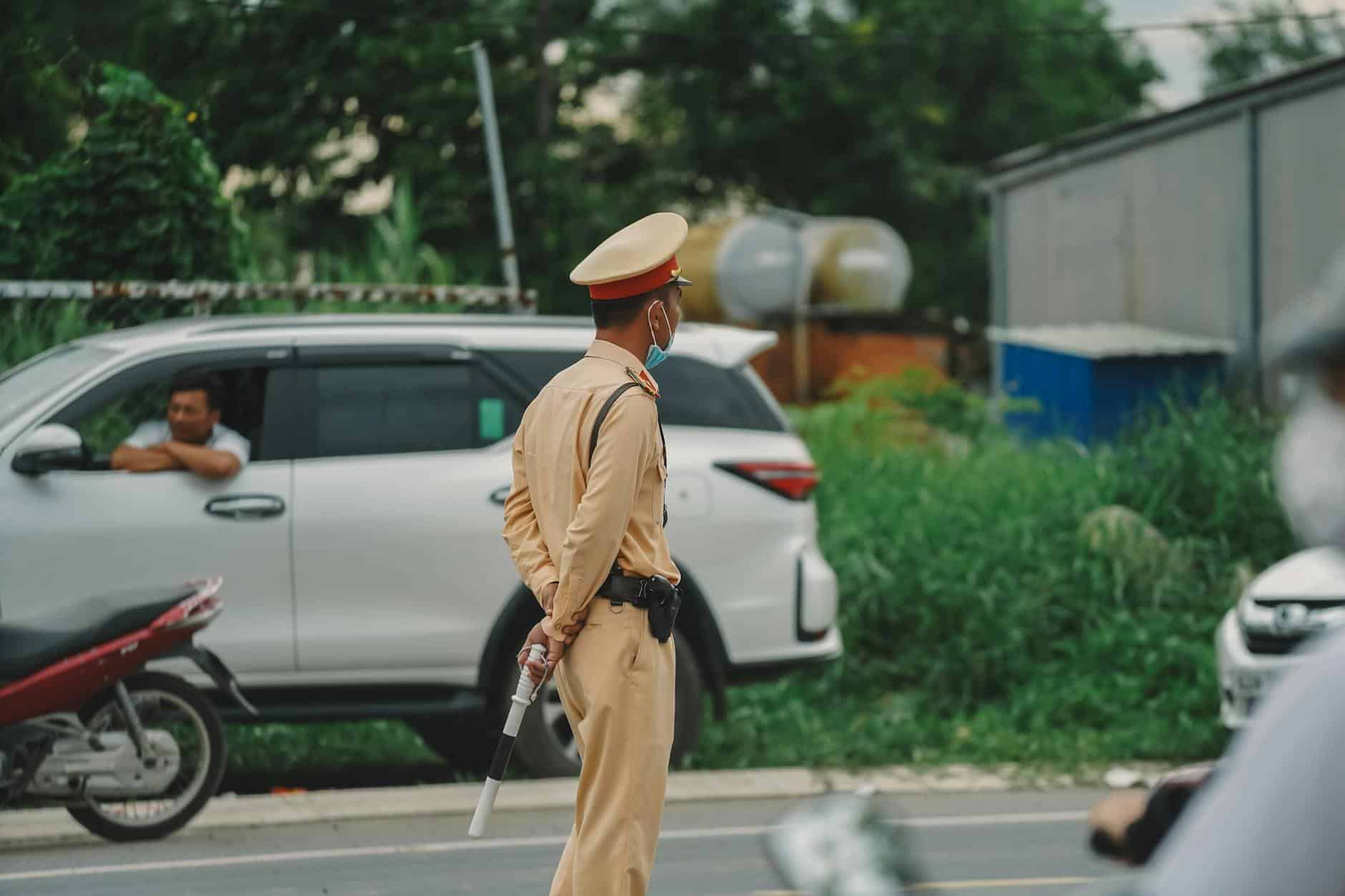
Every fire chief in a fireworks destination town has a version of this conversation: the budget for the show is approved, but the budget for managing the show is treated as a normal operational cost, when it absolutely isn’t.
Fireworks tourism requires: traffic management at a scale the town’s road system wasn’t designed for. Law enforcement presence at multiples of normal staffing. Emergency medical services on elevated alert. Waste management capacity that may require outside contractors. Portable sanitation infrastructure. Parking management. Crowd safety perimeters.
Some of these costs are recovered through vendor fees and parking revenue. Many are not. The shortfall gets absorbed into the general operating budget, which means it competes with road maintenance, school funding, and everything else the town needs to do.
In some towns, the net economic benefit of the fireworks show, when all costs are honestly accounted for, is significantly smaller than the gross revenue figures suggest. A few towns, after doing a rigorous accounting, have discovered they’re essentially subsidizing visitor entertainment at the expense of resident services.
The Locals Who Have Built Their Business Around It
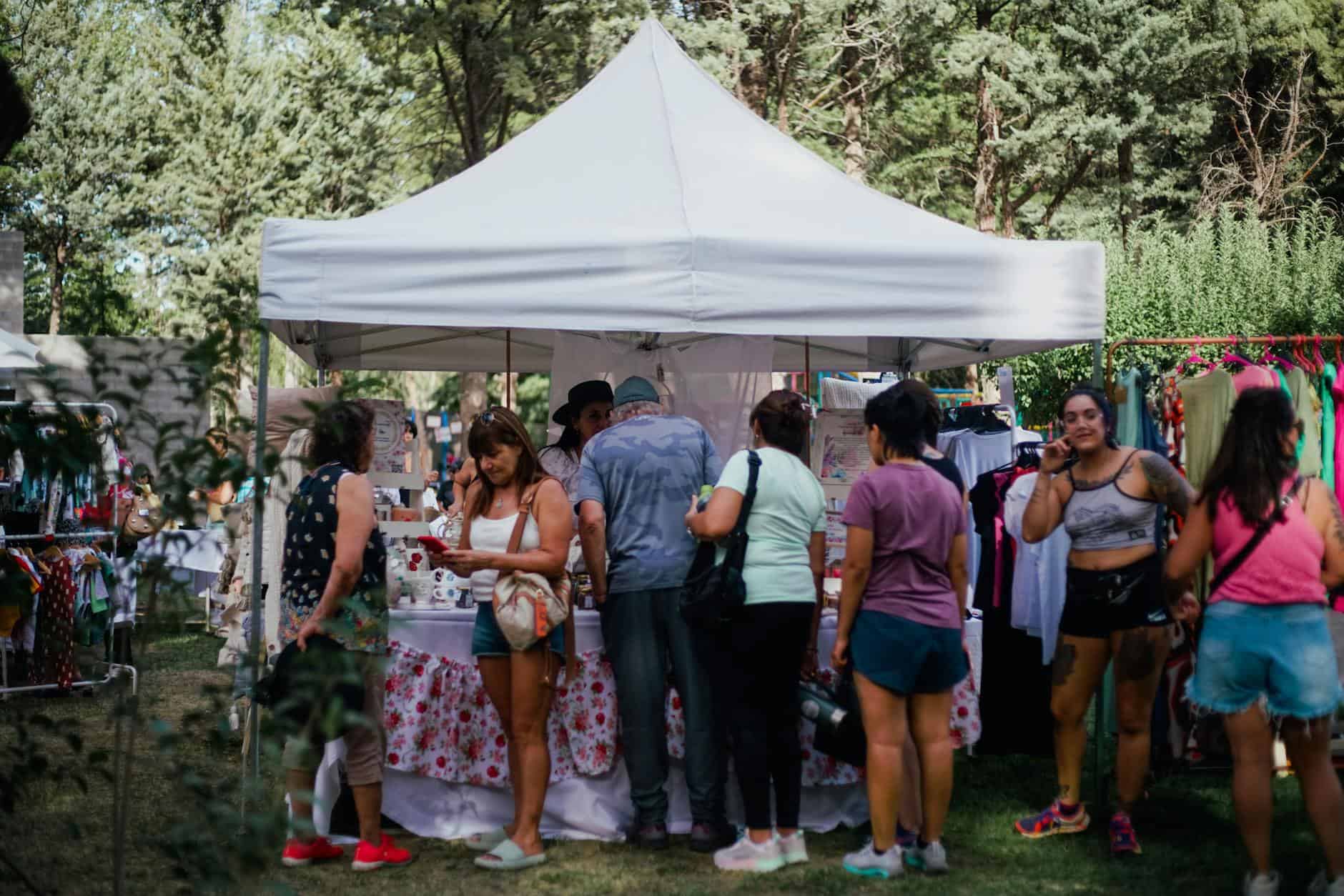
Not everyone in a fireworks destination town is ambivalent. For a specific category of local business owner, July 4th weekend is the event the entire year is organized around.
The marina operator in a lake town who books every slip for the week before and after. The ice cream shop owner on the parade route who does 30 percent of her annual revenue in 72 hours. The parking lot operator adjacent to the launch site who charges $40 per vehicle and fills every space three times over the course of the day. The fireworks-adjacent souvenir vendors, the food truck operators, the temporary stand operators who drive to fireworks destination towns specifically to work the crowd.
For these people, scaling back the show would be an economic catastrophe. They’ve built businesses — made capital investments, staffed accordingly, structured their operations — around the predictable summer surge that peaks on July 4th. Their voices in local politics are correspondingly loud.
There’s also a more diffuse local economy around the show. The family that rents out their driveway for parking. The woman who sells homemade lemonade from her yard every year. The kids doing car-watching service in residential neighborhoods. These informal economic actors are invisible in any formal accounting but real in the community.
The Residents Who Now Spend July 4th Somewhere Else

And then there are the people who leave.
In towns that have become significant fireworks destinations, there’s a pattern among long-term residents that sociologists who study tourism have documented in multiple contexts: as the event scales up, the people who’ve lived in the community longest start opting out of participating in it.
Some leave for purely practical reasons. You can’t get out of your driveway from noon until midnight. The noise is disruptive enough to affect pets, young children, and elderly relatives. The parking situation makes running basic errands impossible for 48 hours.
But some leave for reasons that are harder to articulate. The feeling that the town has become a stage set for visitors rather than a home for residents. The experience of watching tens of thousands of strangers treat your neighborhood as an amenity, leaving trash and taking up space and moving through without any sense of obligation to the place they’re visiting.
A longtime resident of a Lake Erie shoreline town described it this way: “I used to love the Fourth. Huge show, we’d do it every year. Then one year I realized I didn’t recognize anyone around me at the show. It had become something I was a backdrop for, not a participant in. Now I go to my sister’s in Columbus. She doesn’t have any fireworks. I’m fine with that.”
What Happens the Morning After
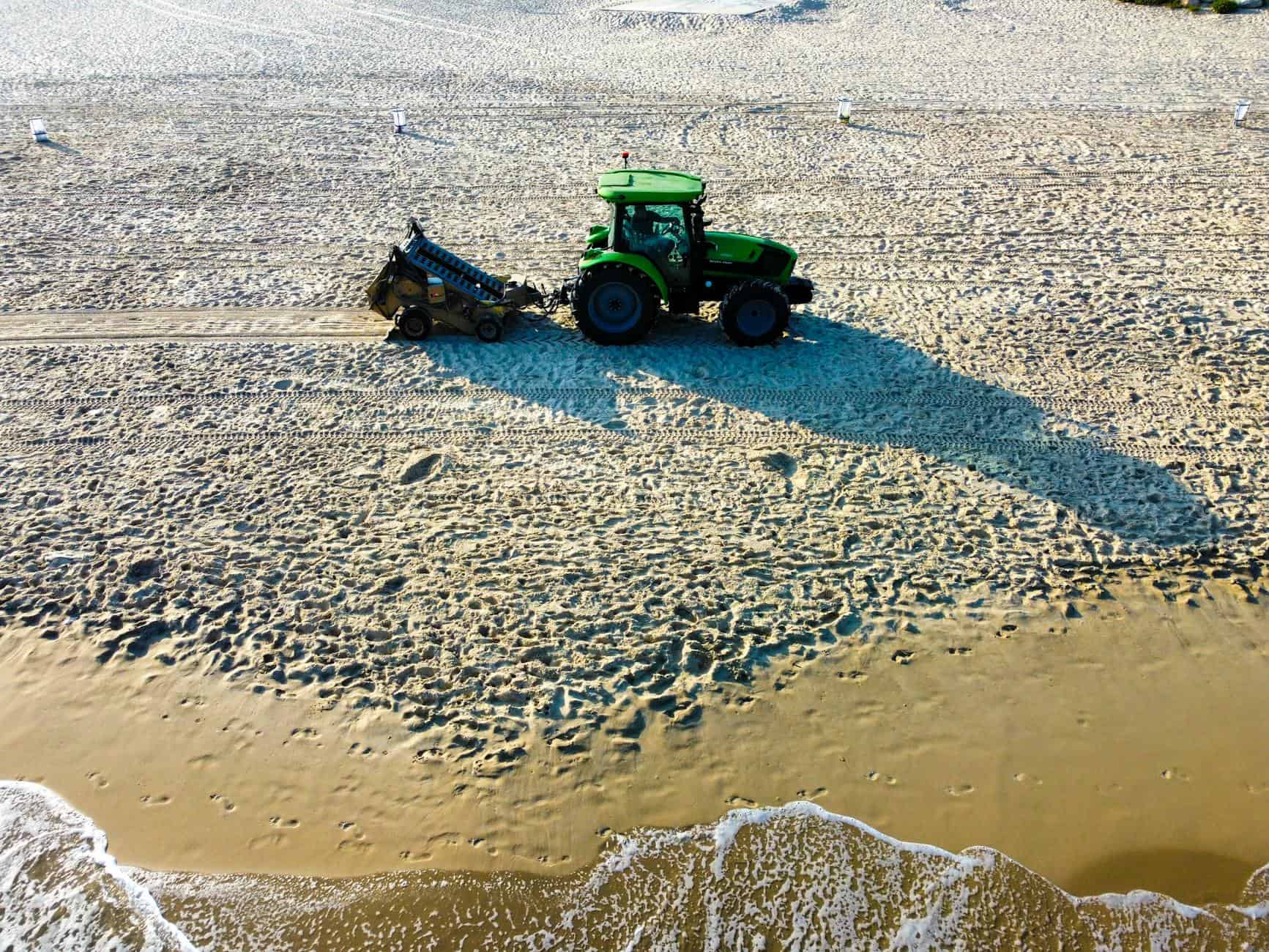
The July 5th morning in a fireworks destination town is something every resident knows and no visitor ever sees.
The trash. The volume of litter left behind at public viewing areas, parks, beaches, and roadsides is staggering in ways that the overnight volunteer cleanup crews only partially address. In some coastal towns, beach cleanup following July 4th is a multi-day operation requiring paid municipal workers and heavy equipment.
The damage. Firework remnants — not just the commercial show, but the consumer-grade fireworks that inevitably accompany any large gathering despite local ordinances — leave burn marks on grass, scorch marks on pavement, and occasionally structural damage to property.
The parking lot archaeology. Locals who live near major viewing spots sometimes photograph what they find in their yards and on their streets the morning of July 5th: lawn chairs abandoned, disposable coolers, bottles, food containers, articles of clothing, and in one resident’s widely shared photo, a child’s shoe that never got explained.
The cleanup burden falls on the community. The people who created the mess have already driven home.
The Towns That Scaled Back — and What They Lost and Gained
A small number of towns have made the decision to reduce or restructure their fireworks events, and their experiences offer a preview of the tradeoff.
When a town scales back a major show, the backlash from local businesses is immediate and vocal. The economic loss in the first year is real and measurable. Visitor traffic drops. Some hotels lose what was a guaranteed full-capacity weekend. Restaurant revenue contracts.
But some towns that have scaled back report an unexpected benefit: the visitors who still come tend to be more local, more community-integrated, and more considerate. The 50,000-person draws pull from a wide radius and attract a transient, anonymous crowd. The 15,000-person events draw people who have a relationship with the community and behave accordingly.
There’s also a civic benefit that’s hard to quantify. When the fireworks show is small enough that the crowd is recognizable, the event functions as an actual community celebration rather than a tourism event that happens to involve locals. The original meaning of the holiday reasserts itself.
Whether that’s worth the economic trade-off depends on what you think a town’s July 4th is actually for. That question, it turns out, is not as simple as it sounds.