What Flight Attendants Actually Think of Passengers — The Unspoken Judgments, the Things That Make Their Jobs Harder, and What They Wish You’d Stop Doing
We may earn money or products from the companies mentioned in this post. This means if you click on the link and purchase the item, I will receive a small commission at no extra cost to you ... you're just helping re-supply our family's travel fund.
There is a performance that happens at the aircraft door every single flight. A flight attendant stands there, smiling, greeting a parade of people who are tired, stressed, annoyed about their seat, fighting with a carry-on that doesn’t fit, or already on their second airport beer at 8am.
The smile is professional and real. The thoughts behind it are more complicated.
Flight attendants have been talking — anonymously in blogs, in books, in Reddit threads with thousands of responses, and to journalists who’ve written serious features about cabin crew culture. What emerges is not a portrait of bitter workers secretly hating passengers, but a remarkably consistent set of observations about specific behaviors, the passengers who make flights better or worse, and the things that would genuinely help if people understood them.
This is what they’ve said, compiled honestly.
The Professional Mask — and What’s Under It
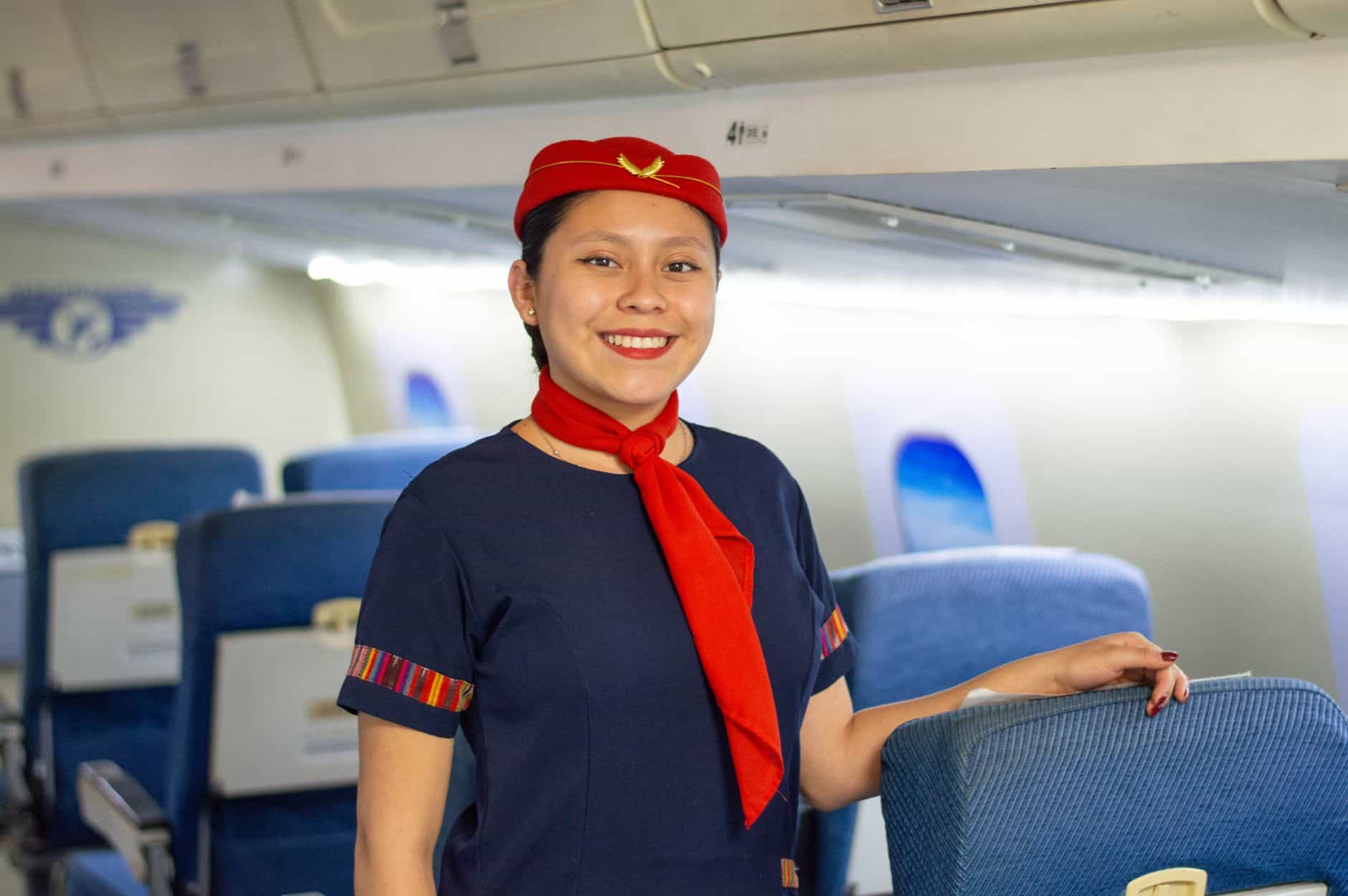
Flight attendants are, first and foremost, safety professionals. The service — the drinks, the snacks, the pillow requests — is real, but it exists alongside a primary function that most passengers never see: managing the cabin in an emergency, knowing where every piece of safety equipment is, doing headcounts, monitoring passenger behavior for security concerns, and being prepared for medical events that happen on flights with more regularity than most people realize.
The professional warmth flight attendants maintain is a trained skill, not a natural state. Most flight attendants describe learning, early in their careers, to genuinely detach their emotional reaction from what passengers do or say during a flight — because the alternative is exhaustion.
But detachment is not indifference. What goes unspoken is filed away. The passenger who was kind is remembered. So is the one who wasn’t.
The Passengers They Judge Immediately (and Why)
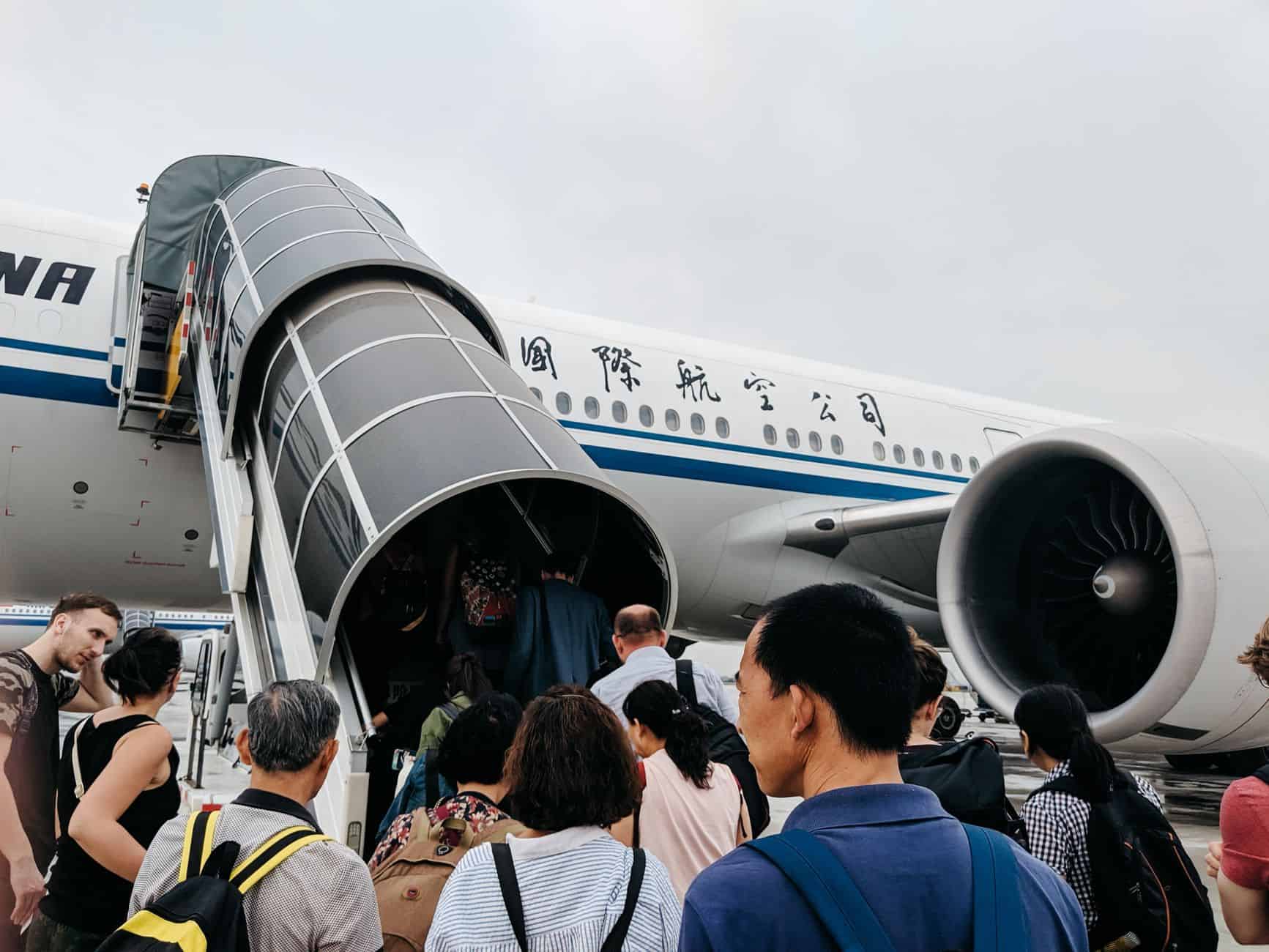
Cabin crew describe forming an immediate impression during the boarding greeting — and being right most of the time about which passengers will cause problems. The signs:
The Phone Non-Acknowledgment
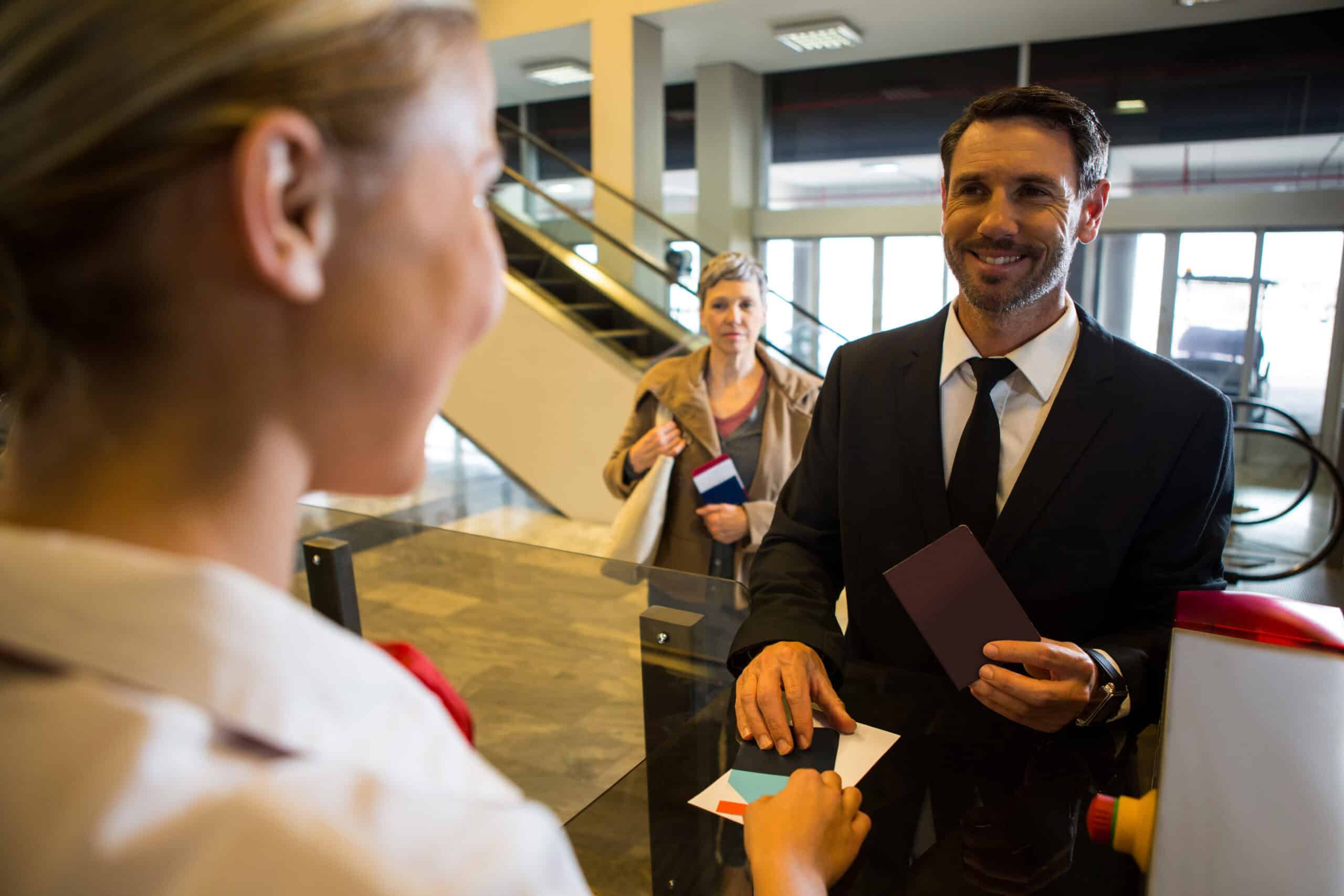
Not looking up from your phone when someone says good morning to you at the aircraft door. This is not about etiquette — flight attendants use the boarding greeting to assess passengers: are they coherent, are they sober, do they have mobility issues, are they anxious. Passengers who make no acknowledgment at all are logged as potential friction.
Visible Anger Before Sitting Down
Passengers who board already visibly irritated — muttering about the airline, sighing loudly, making commentary about seat assignments — are identified as likely to be more difficult for the rest of the flight. Not because the frustration isn’t sometimes legitimate, but because it signals that the person isn’t managing it.
The Overhead Bin Power Move
Putting a personal item in the overhead bin instead of under the seat in front of you, then refusing to acknowledge it when asked, is something flight attendants notice and remember. It’s not the act; it’s the deliberateness of it.
The Entitled Opener
Passengers who begin their first interaction with a demand rather than a request. “I need…” instead of “Could I have…” The content of the request can be completely reasonable. The framing communicates something about how the interaction is going to go.
The Things That Actually Make Their Job Harder
This is different from what’s rude — this is what physically and operationally complicates a flight crew’s job:
- Ignoring the safety demonstration and then asking questions that are covered in it. The crew is required to perform this demonstration. Being visibly checked out — AirPods in, phone up — and then asking where the nearest exit is when the seat pocket card covers it: this registers.
- Pressing the call button for things that should wait for the cart. The call button is for medical issues, security concerns, and things that genuinely can’t wait. Using it to ask for a specific brand of water or to request a blanket three hours before landing means a crew member leaves what they’re doing to respond.
- Reclining during meal service. When you fully recline during a meal service on a long-haul flight, the person behind you is eating with a tray angled toward their lap. Flight attendants spend significant time mediating the conflicts this creates.
- Bags in the aisle during boarding. Every bag left in the aisle during boarding slows everyone behind you. The crew sees who does this and the downstream effects on departure time.
- Asking to switch seats to a seat that isn’t available. The crew does not control seat assignments and cannot give you a seat in a different fare class, a bulkhead seat with extra fees, or an exit row with special requirements. They’ve explained this ten times today already.
- Trying to bring obviously oversized carry-ons past the gate. The crew didn’t make the carry-on size rules. They’re also not able to magically fit a 30-inch bag into an overhead designed for 22 inches.
The Passengers They Remember Years Later
Flight attendants talk about the difficult passengers, but the ones they actually remember the most fondly are specific and consistent:
- The person who noticed the crew was having a hard day and said something quiet and kind. Not performative — specific. “You’re doing a great job handling this.”
- The solo traveler who, without being asked, helped an elderly passenger with luggage during boarding
- The parent who immediately apologized for a screaming child and thanked the crew for their patience, unprompted
- The first-class passenger who treated the crew like humans during a multi-hour delay — not like they were personally responsible for the weather
- Anyone who said “thank you” when deplaning and meant it, making eye contact
Flight attendants who’ve worked 15–20 year careers describe remembering specific passengers’ names and faces from years ago — almost always because of something kind. The human moment stands out against the volume of professional transactions.
What They Think About Your Drink Orders
Some straight answers from flight attendant accounts on what goes through their minds at the cart:
- The complicated coffee order works on the ground because a barista is making it specifically for you. On an aircraft cart, the options are what the options are. Asking for a specific temperature, a specific ratio, or customizations that aren’t possible mid-flight is not going to produce the result you want.
- Ordering the same wine they just told you they’re out of — this happens more than you’d think. The answer is the same as two seconds ago.
- The tomato juice phenomenon is real and acknowledged: people order significantly more tomato juice on flights than on the ground. The lower cabin pressure and lower humidity change taste perception, making savory flavors more appealing. This is not a myth.
- Asking for a full can when the service is pouring is not rude — crews differ on this, but most describe it as a reasonable request, especially on longer flights. The ones who mind it are in the minority.
- Visibly intoxicated passengers are a legal liability. Flight attendants are required to cut off passengers who appear intoxicated, and they will. Starting with airport cocktails and then ordering on the plane is noticed from boarding. The crew is watching.
The Things You Do That Aren’t Rude — But Are
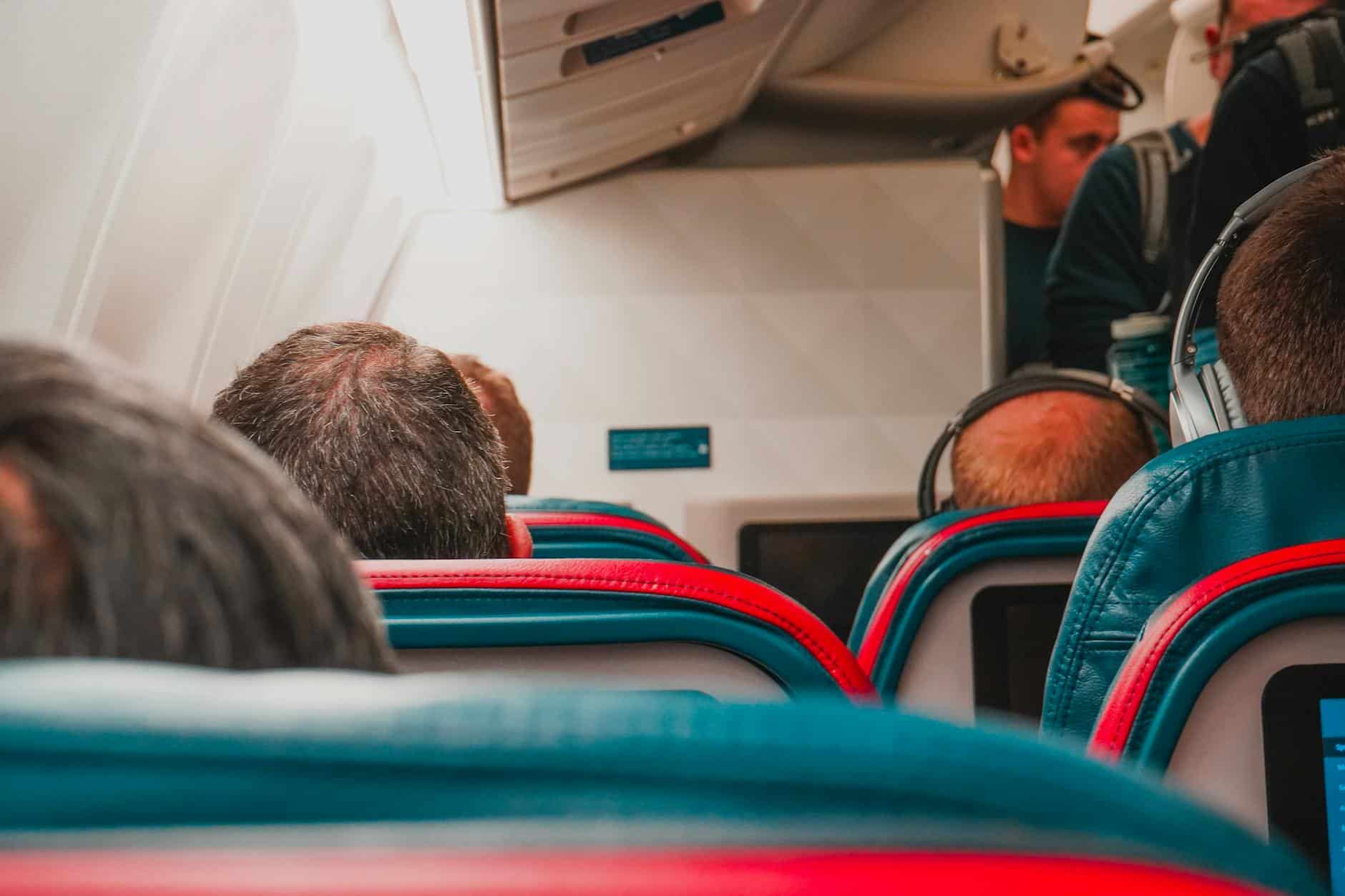
The category of unintentionally thoughtless passenger behavior:
- Tapping the back of the seat in front of you. The person sitting there feels every tap. It’s probably a reflex. It’s also maddening.
- Putting your bare feet anywhere except your own foot well. Flight attendants have seen things on flights that would change how you think about the footrest in front of you. Bare feet on bulkheads, on armrests, in the aisle, on seat backs — all of this is happening on every flight, and all of it is noticed.
- Standing in the galley area to stretch without asking. The galley is a work space, not a lounge. Standing there for 20 minutes while the crew is trying to prepare service creates a specific kind of obstacle. Ask first. Most crews will say yes when it’s not a busy service period.
- Handing trash to a crew member who is walking past. The crew is not a walking trash bin. Wait for the trash collection pass or take it to the lavatory.
- Leaning into the aisle during a cart pass. The cart has to get through. Looking up when you hear it coming and moving your arm, head, or belongings out of the aisle takes two seconds.
What Flight Attendants Wish Every Passenger Knew
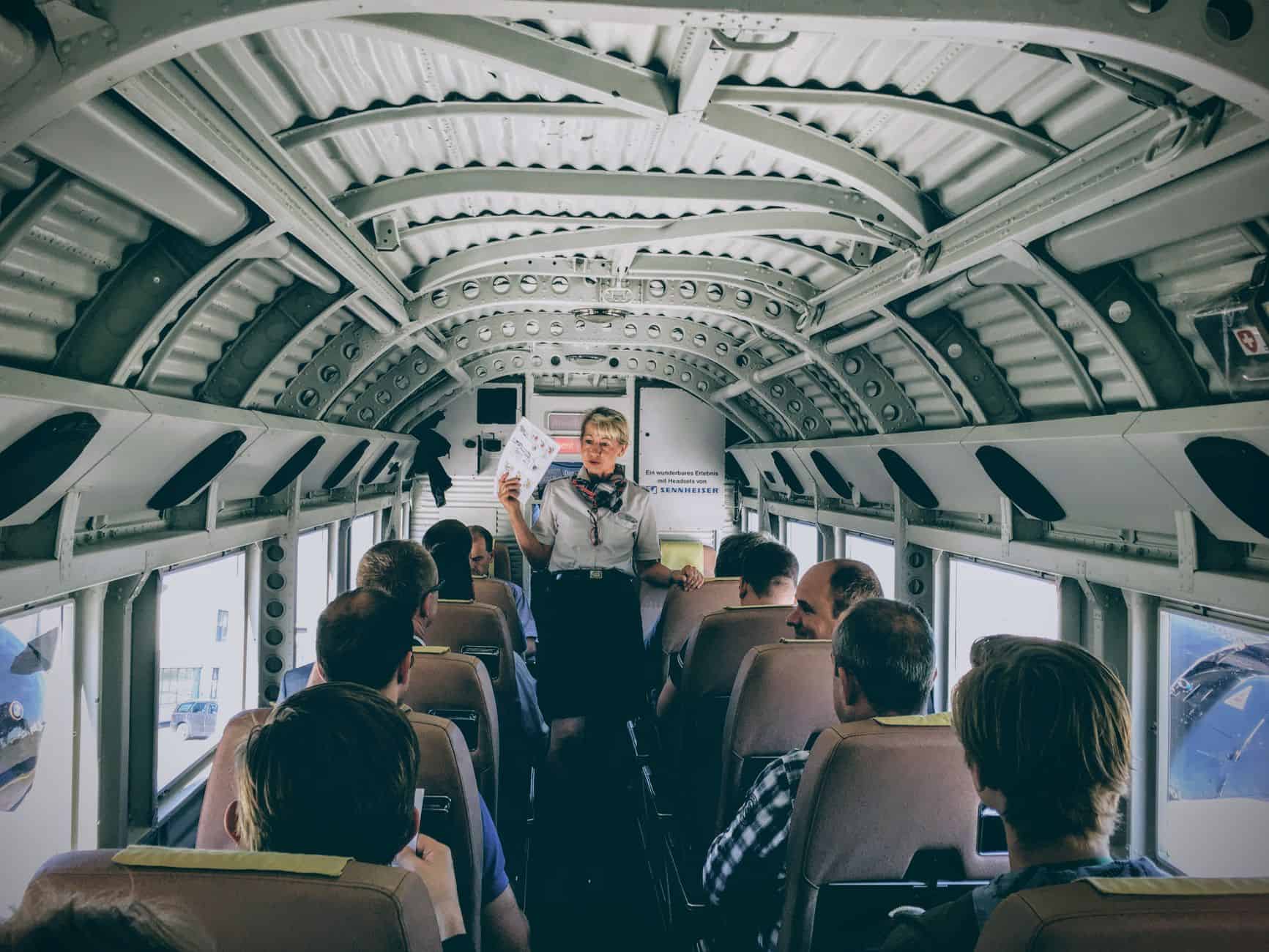
The things they consistently say, across many accounts and contexts:
- The job is primarily safety, not service. The drinks and snacks are there to make a long confinement more comfortable. The crew is there because emergencies happen. Treating them like restaurant servers misunderstands their role — and their training.
- The delay/cancellation/equipment issue is not their fault. Flight attendants do not control scheduling, maintenance, air traffic control, weather, or gate assignments. When they tell you there’s nothing they can do, they mean it. They’re in the same situation you are, and they still have to show up tomorrow.
- A greeting goes a long way. Saying hello when boarding, making eye contact, using “please” and “thank you” — this sounds so basic as to be embarrassing to say. But flight attendants report that a significant percentage of passengers board without any acknowledgment at all. The passengers who greet them are remembered positively all flight.
- The brace position is real. The safety briefing is not theater. The brace position reduces injury in survivable accidents. Paying half-attention to the briefing you’ve heard before is not the same as actually absorbing what to do.
- They remember everything. Who spilled and didn’t say anything. Who rang the call button seven times. Who was kind when the turbulence was bad. Who made a joke that was actually funny. The cabin is a small space for a long time. You are not anonymous to the people working in it.
None of this is a complaint. Flight attendants — the ones who’ve given long candid accounts — mostly describe their jobs with genuine affection. The variety, the travel, the controlled chaos of it, the deep bonds formed with crew you’ve worked 14-hour days with — they describe these things with specificity and warmth.
They just also wish you’d stop touching the seat in front of you.
And maybe say hello when you board. That one really does matter.