Florida’s East Coast Gets the Hurricanes and the Traffic. Retirees Increasingly Choose the Other Side for a Reason
We may earn money or products from the companies mentioned in this post. This means if you click on the link and purchase the item, I will receive a small commission at no extra cost to you ... you're just helping re-supply our family's travel fund.
Florida’s Gulf Coast — Sarasota, Naples, and Fort Myers specifically — has pulled ahead of the Atlantic coast as the preferred retirement destination for a growing share of relocating retirees, and the reasons go beyond the simple fact that Gulf beaches tend to have calmer, warmer water. The Gulf side benefits from a slightly less direct hurricane exposure historically, though recent storms including Hurricane Ian’s catastrophic 2022 landfall near Fort Myers have complicated that reputation considerably, alongside meaningfully less traffic congestion than the heavily built-up I-95 corridor running through Miami, Fort Lauderdale, and West Palm Beach on the Atlantic side.
What each Gulf Coast city actually offers retirees
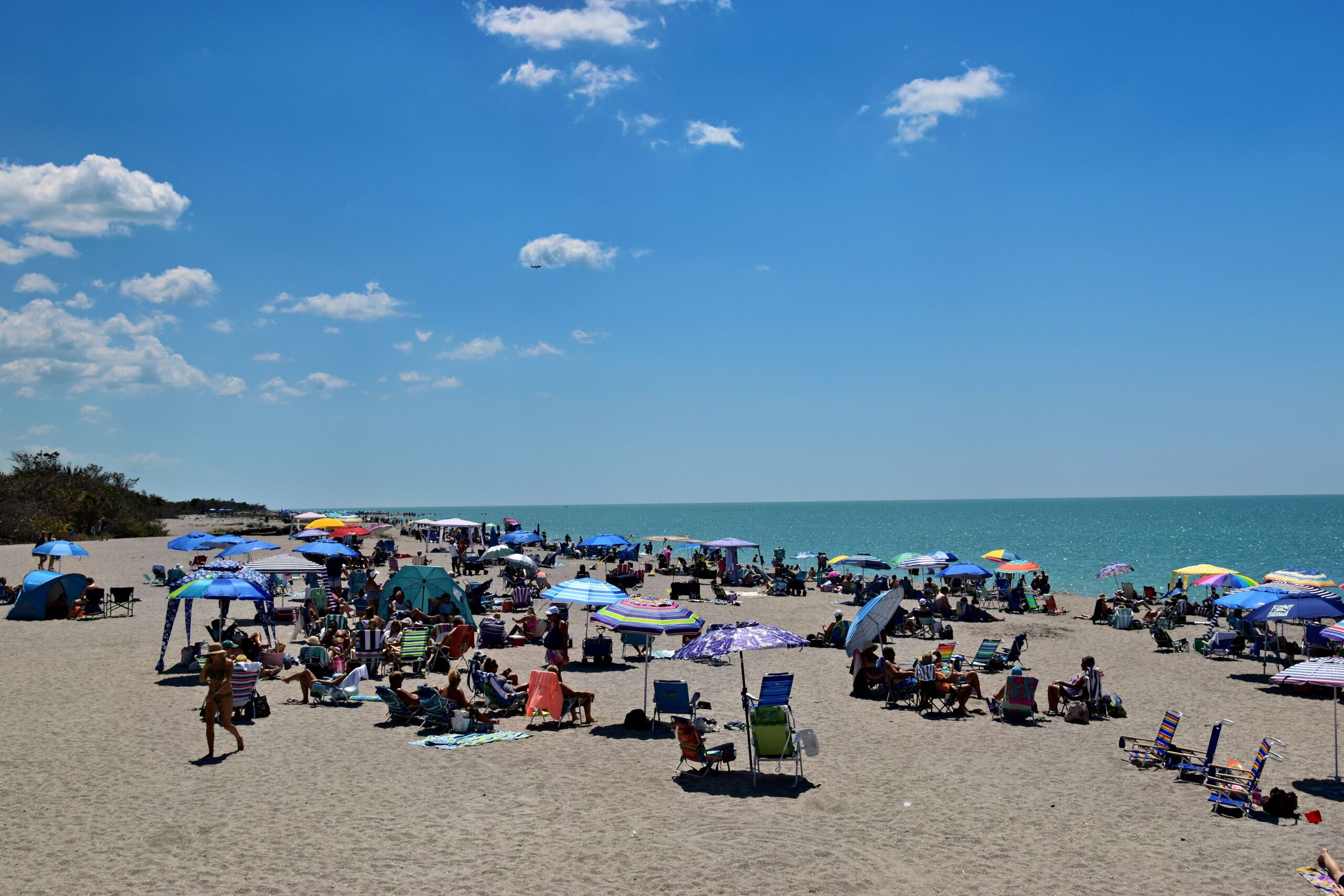
Sarasota has built a reputation as one of the more culturally rich retirement destinations in Florida, anchored by the Ringling Museum of Art, a genuinely significant art collection housed on the former estate of circus magnate John Ringling, plus a symphony, opera, and ballet scene disproportionate to the city’s size, drawing retirees specifically seeking cultural amenities that a purely beach-and-golf retirement community can’t offer. Naples occupies the wealthier end of the spectrum, with median home prices among the highest in the state and a downtown built around upscale shopping and dining on Fifth Avenue South, drawing a retiree demographic with the means to prioritize luxury amenities and championship golf courses over cultural institutions specifically. Fort Myers sits between the two in both price and character, offering a more moderate cost of living than Naples while still providing beach access via Fort Myers Beach and Sanibel Island, though Sanibel in particular suffered severe, still-visible damage from Hurricane Ian that took years to meaningfully repair.
The healthcare infrastructure argument that matters more than beaches
Retirees relocating specifically for retirement, rather than younger buyers chasing lifestyle or investment returns, weigh healthcare access more heavily than almost any other factor, and Florida’s Gulf Coast has built out a genuinely strong medical infrastructure over the past several decades specifically anticipating this demographic — Sarasota Memorial Hospital and NCH Healthcare System in Naples both rank well in regional quality comparisons, and the sheer density of specialists catering to an older population, from cardiology to orthopedics, has become self-reinforcing as more retirees move to the area and demand sustains an increasingly specialized medical economy.
Traffic congestion comparisons between the two coasts are not purely anecdotal — Interstate 95 running the length of the Atlantic side carries dramatically higher daily traffic volumes than the Gulf side’s comparable north-south corridor, U.S. 41, particularly through the dense urban stretches connecting Miami, Fort Lauderdale, and West Palm Beach, a corridor that regularly ranks among the most congested in the entire Southeast. Retirees who’ve spent decades commuting in congested metro areas before retirement frequently cite escaping exactly that kind of daily traffic stress as a specific, deliberate factor in choosing the comparatively calmer Gulf corridor for their retirement years.
The tradeoffs that keep this from being a universal answer
- Red tide algae blooms affect Gulf Coast waters periodically, creating air quality and beach closure issues the Atlantic side experiences less severely
- Naples and Sarasota have both seen home prices climb enough that the traditional “cheaper than the Northeast” retirement math has narrowed considerably
- Hurricane Ian demonstrated that Gulf Coast storm risk, while historically framed as lower than the Atlantic side, is not actually lower in a way retirees should assume
- Property insurance costs across all of Florida, Gulf side included, have climbed sharply enough to change the affordability calculation for many fixed-income retirees
Why the preference has held despite the tradeoffs
Golf course density plays a genuinely underrated role in the Gulf Coast’s retiree appeal, with Naples alone home to dozens of courses within a relatively small geographic area, a concentration that’s made the city one of the most golf-course-dense metros in the entire country relative to its population. That density supports an entire secondary economy of golf-focused retirement communities, country clubs, and instruction academies that Atlantic-side cities of comparable size generally can’t match, giving Gulf Coast retirees a specific recreational infrastructure advantage that factors heavily into relocation decisions for a demographic where golf remains a genuinely popular daily activity.
Even accounting for red tide, rising insurance costs, and the reminder from Hurricane Ian that Gulf hurricane risk is real, retirees continue choosing Sarasota, Naples, and Fort Myers over Atlantic alternatives at meaningfully higher rates, largely because the calmer beach conditions, less oppressive traffic, and strong cultural and healthcare infrastructure combine into a genuinely different day-to-day quality of life than the busier, more congested Atlantic corridor offers at a comparable price point. Florida’s overall lack of state income tax remains a constant across both coasts, so that specific financial driver doesn’t explain the Gulf preference on its own — the actual explanation comes down to a cumulative set of smaller lifestyle factors that, added together, make the Gulf side feel like a genuinely calmer version of Florida retirement than its Atlantic counterpart, even as both sides face the same escalating climate and insurance pressures reshaping the state’s real estate market broadly.
Cultural amenities beyond Sarasota’s Ringling Museum have also expanded meaningfully across the broader Gulf Coast retirement corridor, with Naples building out its own performing arts center and Fort Myers investing in a growing riverfront downtown district, giving retirees across all three cities more non-beach, non-golf options than the region’s reputation as a purely recreational retirement destination typically suggests.
Snowbird populations, retirees who split time between a Gulf Coast Florida home and a Northern residence rather than relocating permanently, remain a substantial and economically significant segment across Sarasota, Naples, and Fort Myers, filling seasonal rental demand each winter that helps sustain restaurant and retail businesses through months that would otherwise see considerably less local spending.