What Travel Actually Does to a Marriage — The Couples Who Came Back Closer and the Ones Who Didn’t Make It
We may earn money or products from the companies mentioned in this post. This means if you click on the link and purchase the item, I will receive a small commission at no extra cost to you ... you're just helping re-supply our family's travel fund.
This article contains affiliate links. If you book through our links, we may earn a commission at no additional cost to you.
Travel is regularly marketed as the thing that strengthens relationships. Couples’ retreats, anniversary trips, honeymoon packages — the travel industry sells the premise that getting away together is healing, bonding, restorative. And sometimes it genuinely is.
But experienced travelers and couples therapists will tell you something more complicated: travel is an amplifier. It makes good relationships feel better and struggling ones feel worse. The reason isn’t that travel has some magical relational quality — it’s that travel removes the comfortable routines that allow couples to coast past problems they haven’t addressed, and replaces them with twelve hours a day of unstructured time together in unfamiliar circumstances.
The Fantasy Version vs. The Stress Test
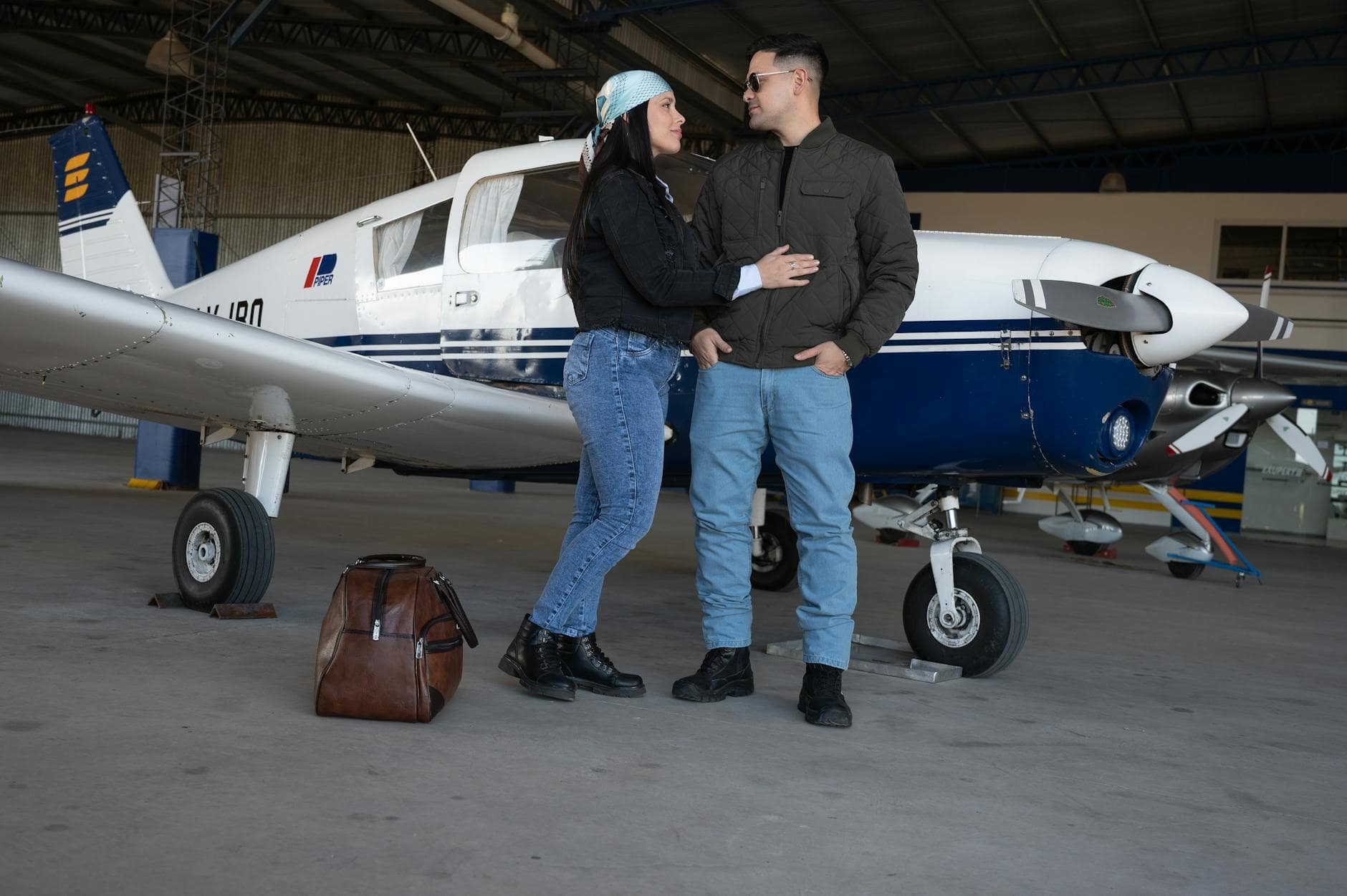
The travel industry’s version of couple travel is recognizable: golden light, two people at a scenic overlook, happiness that appears effortless. The marketing omits the airport delay where you snapped at each other, the hotel that was nothing like the photos, the disagreement about whether to eat here or find somewhere else that somehow became about something much larger.
Travel strips away the scaffolding that makes everyday life manageable. At home, you have a routine. You know where things are. You have your separate spaces and your separate activities and you come together on schedule. On a trip, you’re together constantly, in conditions you haven’t designed, making decisions you’re unprepared for, while tired and potentially hungry and in a place where neither of you has any social support beyond the other person.
This is not a criticism of travel. It’s a description of why it’s revealing. People show different things under conditions of low control and high uncertainty than they show when comfortable and familiar. A trip is a compressed window into how the other person actually is when they’re not performing their daily optimized self.
What Research Says About Couples Who Travel Together

The US Travel Association commissioned research finding that couples who travel together report higher relationship satisfaction and better communication than couples who don’t. This finding has been cited widely by travel companies who have financial interest in the conclusion and less widely interrogated for what it actually shows.
The methodological problem is selection bias: couples who travel together regularly are likely already functioning relatively well together. The travel may not be causing the relationship quality — it may simply be correlated with it. Couples in distressed relationships often stop traveling together as one of the early symptoms of the distress.
More useful is the research on novel shared experiences — a better-controlled area of relationship psychology. Studies consistently find that doing new things together — experiences that are genuinely uncertain and require collaboration — activates the same neurological reward system as early romantic attraction. This is the mechanism by which a good trip together can feel like falling in love again: the novelty and shared challenge create biochemistry that resembles it.
But this works only when the shared experience is genuinely positive, or at least shared in a productive way. An experience that is unambiguously stressful and that each person processes differently — one wanting comfort, one wanting to push through — doesn’t produce the bonding effect. It produces the opposite.
The Specific Scenarios That Break Relationships Open

Couple conflict while traveling tends to cluster around a few specific categories, which therapists who work with couples have documented:
Planning and decision-making asymmetries: One person researched and planned the trip; the other shows up and then has opinions. Or neither planned and neither wants to be the one deciding everything. Who decides where to eat for the ninth time on a trip is a question that carries the full weight of the couple’s underlying power dynamics.
Pacing mismatches: One person wants to see everything; the other wants to sit at a café. This is rarely just about travel preference — it’s often about whose needs and style the relationship generally organizes itself around. Travel just makes it visible.
Spending disagreements: One person wants the upgrade; the other thinks it’s wasteful. Or one wants to eat at every nice restaurant and the other is tracking the credit card balance. Money arguments travel poorly, and they happen more frequently when you’re spending money all day every day.
Alone time needs: Introverts traveling with extroverts face a specific challenge. The extrovert is energized by the social richness of travel. The introvert is depleted by it. At home, they have space to recharge separately. On a trip, that space disappears. By day five, the introvert may be struggling in ways the extrovert isn’t reading correctly.
What the Couples Who Come Back Closer Did Differently
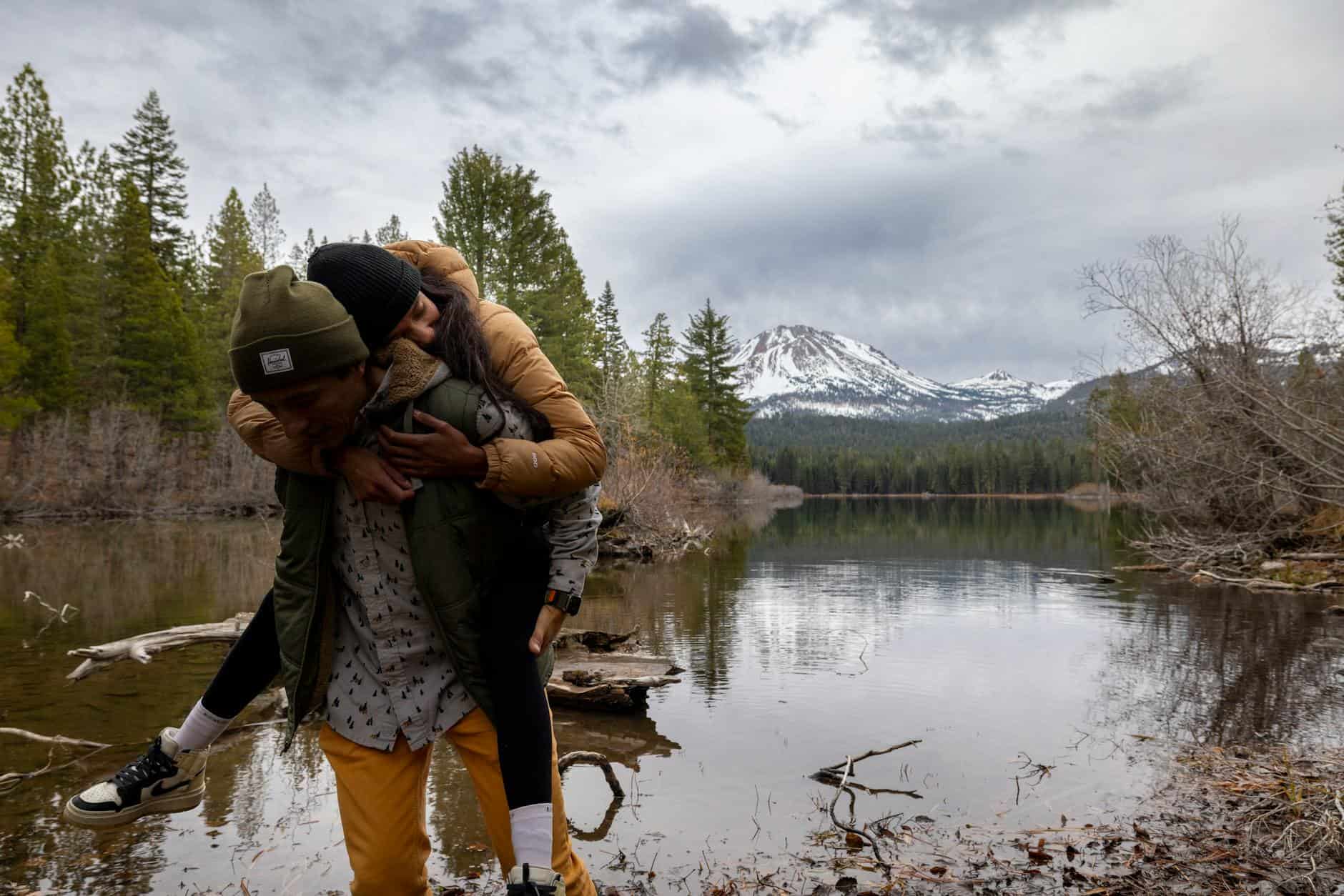
People who describe a trip as having genuinely strengthened their relationship tend to share some patterns:
- They discussed expectations before going — what each person wanted from the trip, what their non-negotiables were, where they were willing to be flexible
- They built in genuine alone time — not as a sign of failure but as part of the plan; one person reads at the hotel for a morning while the other walks; they reconvene refreshed rather than depleted
- They had a repair mechanism for conflict — a phrase or a practice for resetting after an argument, rather than letting a bad hour define a bad day define a bad trip
- They navigated at least one genuinely difficult situation together — a missed connection, a lost reservation, a city they got lost in — and handled it as a team rather than as adversaries
The last point comes up repeatedly. Couples who handled something hard together — who problem-solved in a crisis and didn’t turn on each other — consistently describe that experience as bonding in a way that a beautiful beach day wasn’t. The beach day was lovely. The missed train that they figured out together was the story they still tell.
How Decision-Making on the Road Mirrors Everything Else

There’s a couples therapist observation that travel reveals decision-making patterns with unusual clarity: within three days of a trip, you will know exactly who makes decisions in this relationship, how the other person feels about that, and whether it works.
The question of who decides — where to eat, when to leave, how long to stay somewhere, whether to follow the plan or improvise — is a microcosm of the relationship’s power structure. Couples who’ve developed a healthy negotiation process for everyday decisions tend to extend it naturally to travel decisions. Couples who haven’t find that travel makes the underlying friction inescapable.
The couple where one person makes all the decisions and the other resents it but doesn’t say so: the resentment compounds daily on a trip. The couple where both people want control and neither concedes: every decision becomes a negotiation that takes twice as long as it needs to. The couple that’s developed genuine fluency with “what do you want to do?” — who actually means it and actually listens to the answer — navigate travel with a ease that looks effortless from the outside.
The Trip That Revealed Something Unfixable

Some trips genuinely end relationships. Not because the trip was itself the problem, but because it removed the conditions that allowed a problem to stay invisible.
The patterns therapists describe most often:
- The trip that showed one person the relationship was inequitable in ways they’d been able to avoid seeing at home
- The trip where one person’s anxiety, anger, or emotional unavailability became impossible to navigate in an enclosed environment
- The trip that clarified incompatible values — about money, about how to spend time, about what a good life looks like
- The trip where one person realized, with disorienting clarity, that they were happiest on the days when they were apart doing things alone
These revelations feel like the trip broke something. More accurately, the trip revealed something that was already broken. The relationship didn’t fail on vacation; it failed before, and vacation just made it undeniable.
Long-Term Travel as Relationship Accelerator

Couples who take extended trips together — months traveling, living abroad, or long sabbaticals — report that the experience accelerates whatever trajectory the relationship was already on. Good relationships get very good, very fast. Struggling relationships tend not to survive the sustained pressure.
This is partly why the “quit our jobs and travel for a year” narrative produces such dramatic outcomes in both directions. Couples who do this and describe it as the best thing they ever did for their relationship tend to have been building something solid before they left. Couples who did it and separated during or shortly after tend to describe the trip as having made obvious what the comfortable routines of home had obscured.
The extended trip as relationship test has a high stakes quality that’s not present in a one-week vacation. A week of difficulty can be endured; a year of incompatibility is another matter.
What This Means for Anyone Planning a Trip Together
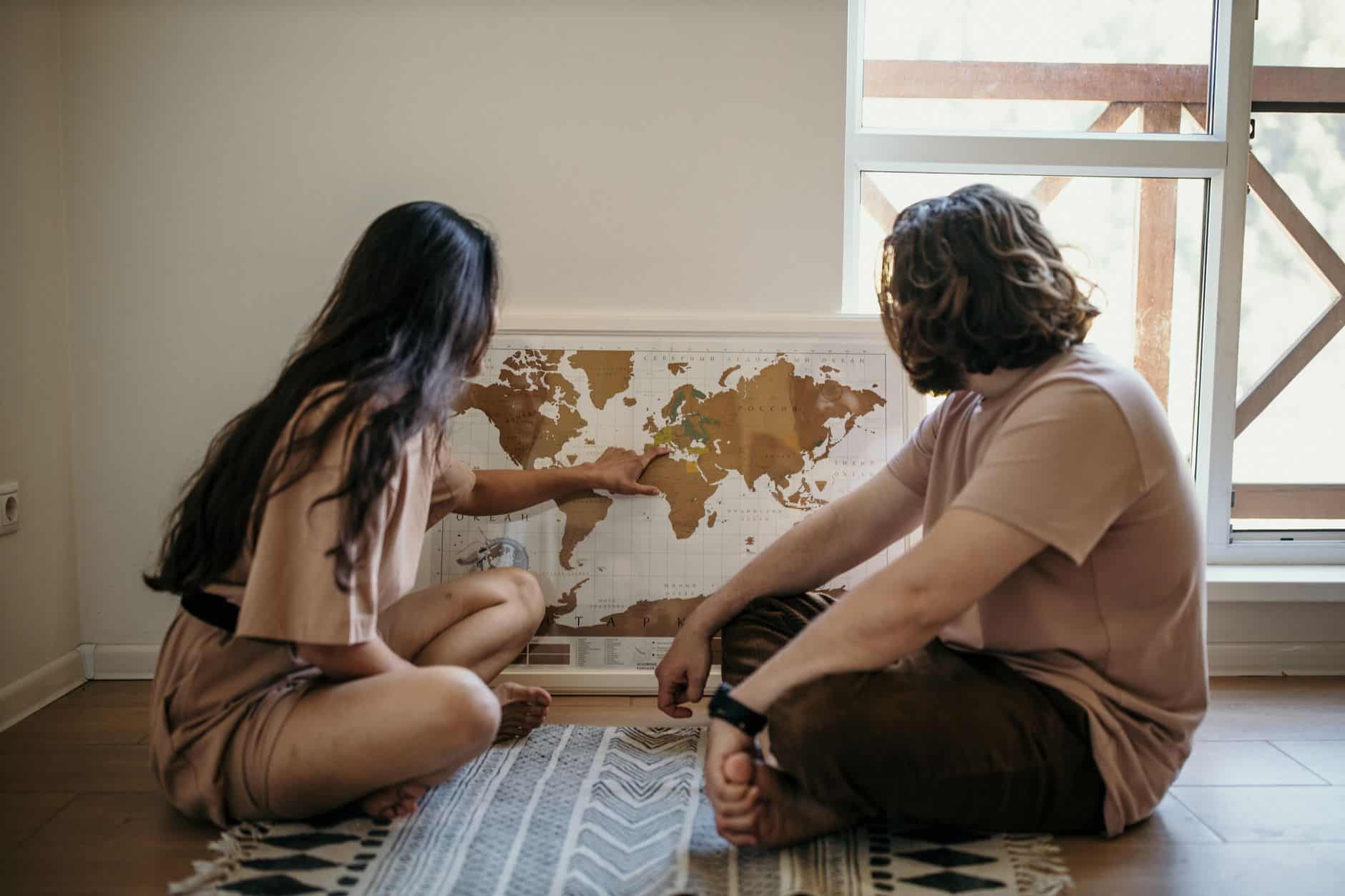
None of this means you should avoid traveling with someone you care about. It means you should go in knowing what travel actually is: a genuine test of partnership, not a vacation from partnership dynamics.
The couples who get the most out of traveling together tend to be the ones who are already working well together and who treat the trip as something they’re actively navigating as a team. They use it for what it’s actually good for: new experiences, shared memories, the particular intimacy of being two people figuring out an unfamiliar place together.
The couples who struggle are usually the ones who went hoping the trip would fix something, or who brought problems they hadn’t resolved and expected the beautiful backdrop to dissolve them. Beautiful places don’t do that. What they do is give you a clear, unambiguous view of what’s actually between you — which can be wonderful, or clarifying in a different kind of way.