Why Families Keep Returning to the Same Vacation Spot for 20 Years — The Psychology Is Stranger Than You’d Expect
We may earn money or products from the companies mentioned in this post. This means if you click on the link and purchase the item, I will receive a small commission at no extra cost to you ... you're just helping re-supply our family's travel fund.
This article contains affiliate links. If you purchase through our links, we may earn a commission at no extra cost to you.
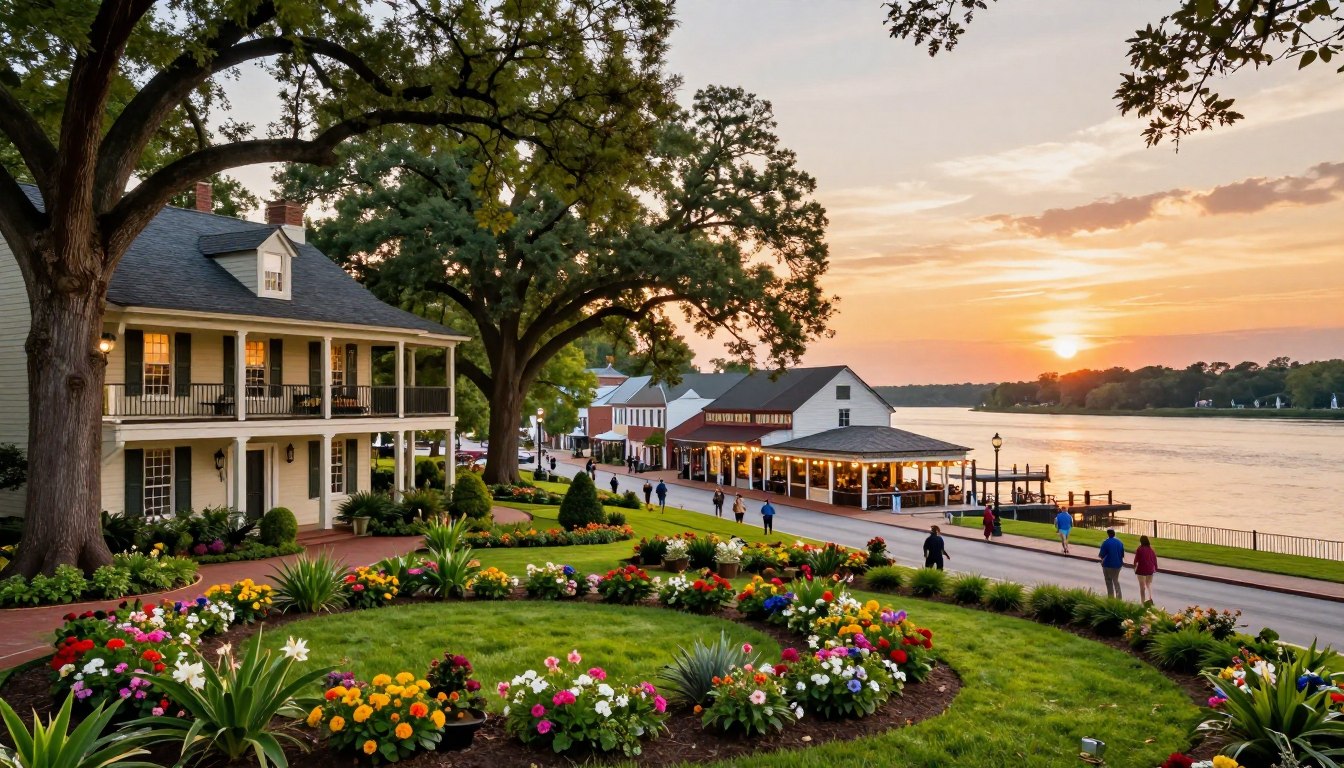
Somewhere in a beach town in Delaware, a family is checking into the same rental cottage they’ve booked every August since 1997. The grandmother knows where the coffee mugs are. The teenagers know which pier has the best crabbing. The dad has a photo of himself at age nine standing in the same spot where his son is standing now.
They’ve been to other places. They’ve had good vacations elsewhere. But they keep coming back here.
This pattern — the family that returns to the same destination year after year, sometimes for three or four generations — is one of the most common and least examined phenomena in travel. It looks like inertia from the outside. From the inside, it’s something much more complicated.
The Spot That Never Changes (Even When Everything Else Does)
Family life is defined by change. Kids get bigger. Parents get older. Marriages happen, and sometimes they end. Grandparents die. Teenagers become adults and bring their own children. The family unit is in a state of constant transformation.
The vacation spot, ideally, is not. It’s the place where time moves differently — where the same ice cream shop is still on the corner, where the same view is available from the same porch, where the rituals that started twenty years ago can still be performed in exactly the same way.
Psychologists who study attachment and identity point to this function as deeply meaningful. In a world where stability is hard to maintain, a physical place that stays reliably the same becomes an anchor — not just a memory, but a lived experience of continuity. You go back not just to relax but to confirm that something endures.
What Memory Science Says About Repeated Experiences
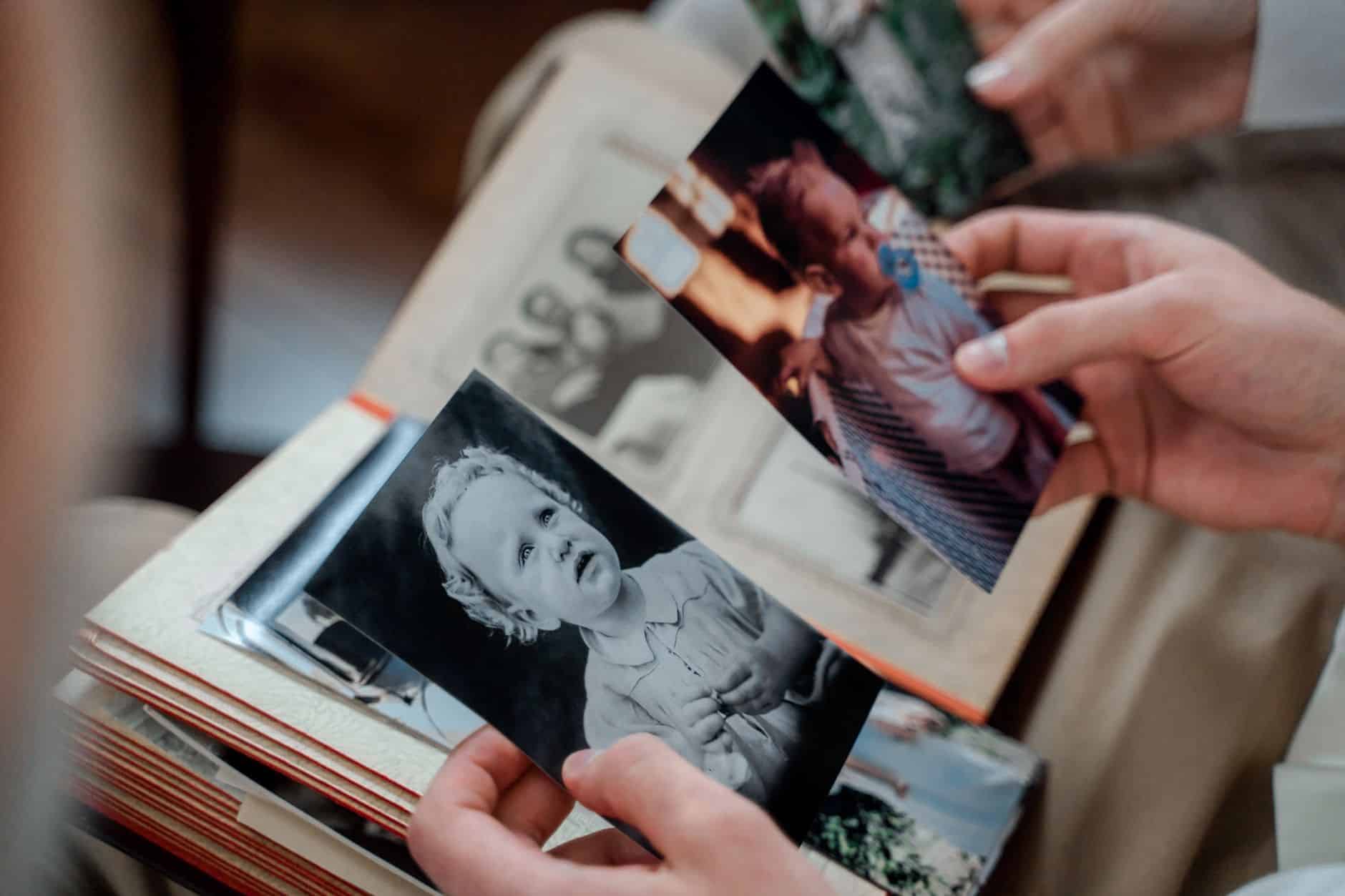
There’s a counterintuitive finding in memory research: we often remember repeated experiences more vividly than novel ones, not because they’re more memorable in the moment, but because they layer on top of each other over time.
When you return to the same beach for the fifteenth summer, you’re not just experiencing that beach — you’re experiencing fifteen summers simultaneously, in a kind of temporal compression. The smell of the salt air triggers all of them at once. This layering effect is what makes long-standing vacation traditions feel so emotionally potent. The experience becomes denser every year.
Novice travelers often assume novelty maximizes enjoyment. But studies on what psychologists call “anticipated memories” suggest that for many people, the richest travel experiences aren’t the most novel ones — they’re the ones embedded in an ongoing story they’ve been living for years.
The Ritual Is the Point — Not the Destination
Ask families who return to the same place what they love about it, and almost nobody talks about the destination’s objective qualities. They don’t say “the beach there is particularly pristine” or “the mountains are unusually scenic.”
What they say is: “We always get ice cream at that place on the first night.” Or: “We do a puzzle every rainy afternoon.” Or: “Grandpa always makes his fish chowder on Saturday.” Or: “The kids always sleep in the same order in the bunk room.”
The destination is the stage; the rituals are the show. The reason families return isn’t that the location is objectively superior to other locations — it’s that the location has accumulated a dense layer of personal tradition that can’t be transplanted. You can’t recreate Grandpa’s chowder ritual at a new rental house in a place you’ve never been.
This is why families will sometimes pay significantly more to return to their usual spot rather than switching to somewhere cheaper or newer. They’re not paying for the beach or the cabin. They’re paying for the accumulated meaning that lives there.
What the Kids Are Actually Absorbing
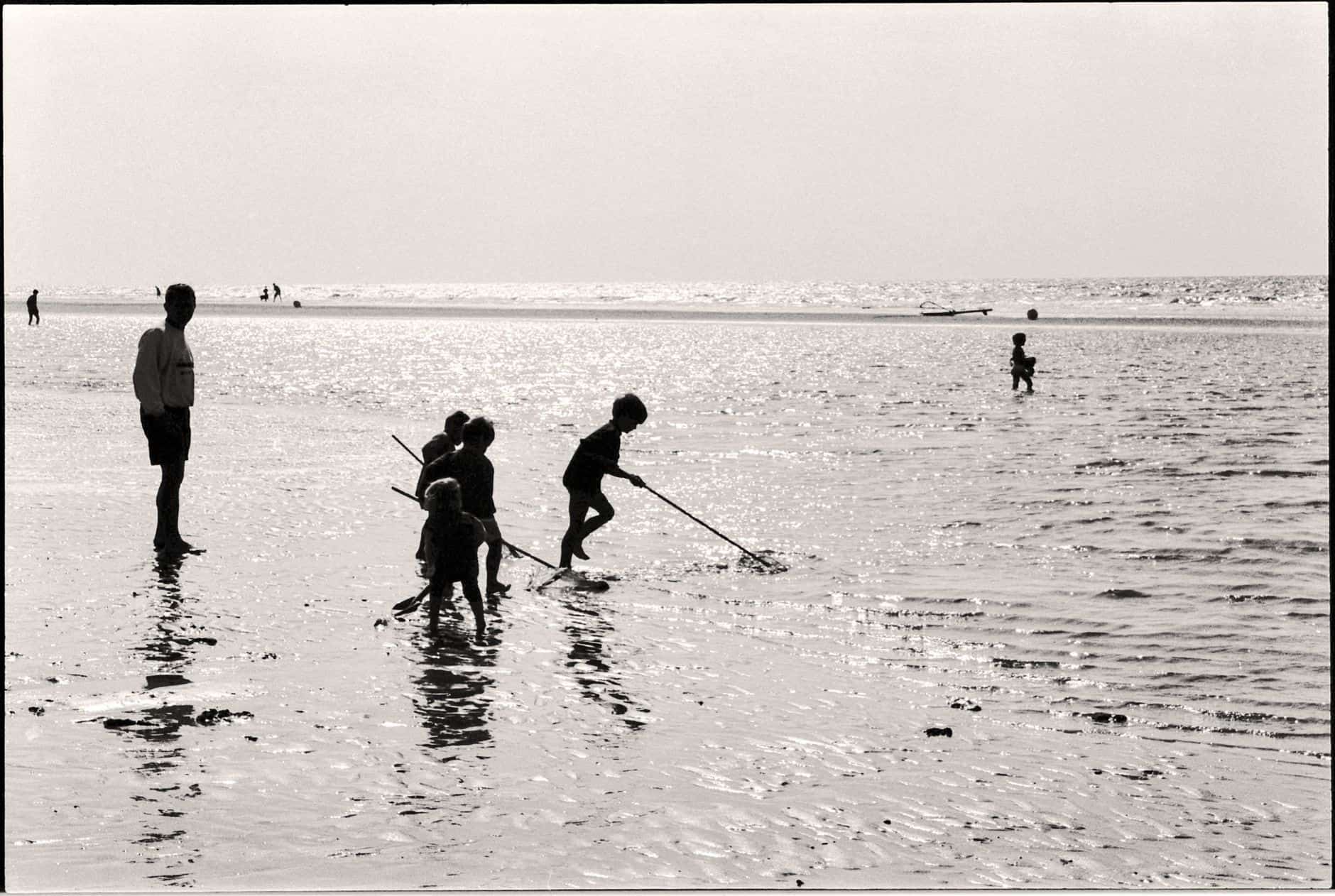
Children who grow up with a recurring family destination don’t just gain vacation memories — they gain something closer to a second geography, a place outside of home where they also know who they are.
Developmental psychologists who study family identity point to shared physical places as powerful anchors for a child’s sense of belonging and continuity. The child who has gone to the same lake every summer since she was three knows that lake differently than her parents do. She knows it at every age she’s ever been. The lake is a living record of her childhood.
As adults, many people report that their most vivid and emotionally significant childhood memories cluster around these recurring vacation spots — more than around their own home or school. The intensity of focused, unscheduled family time, compacted into one or two weeks a year in a fixed location, creates memory formation conditions that ordinary daily life doesn’t replicate.
When Someone New Joins the Trip
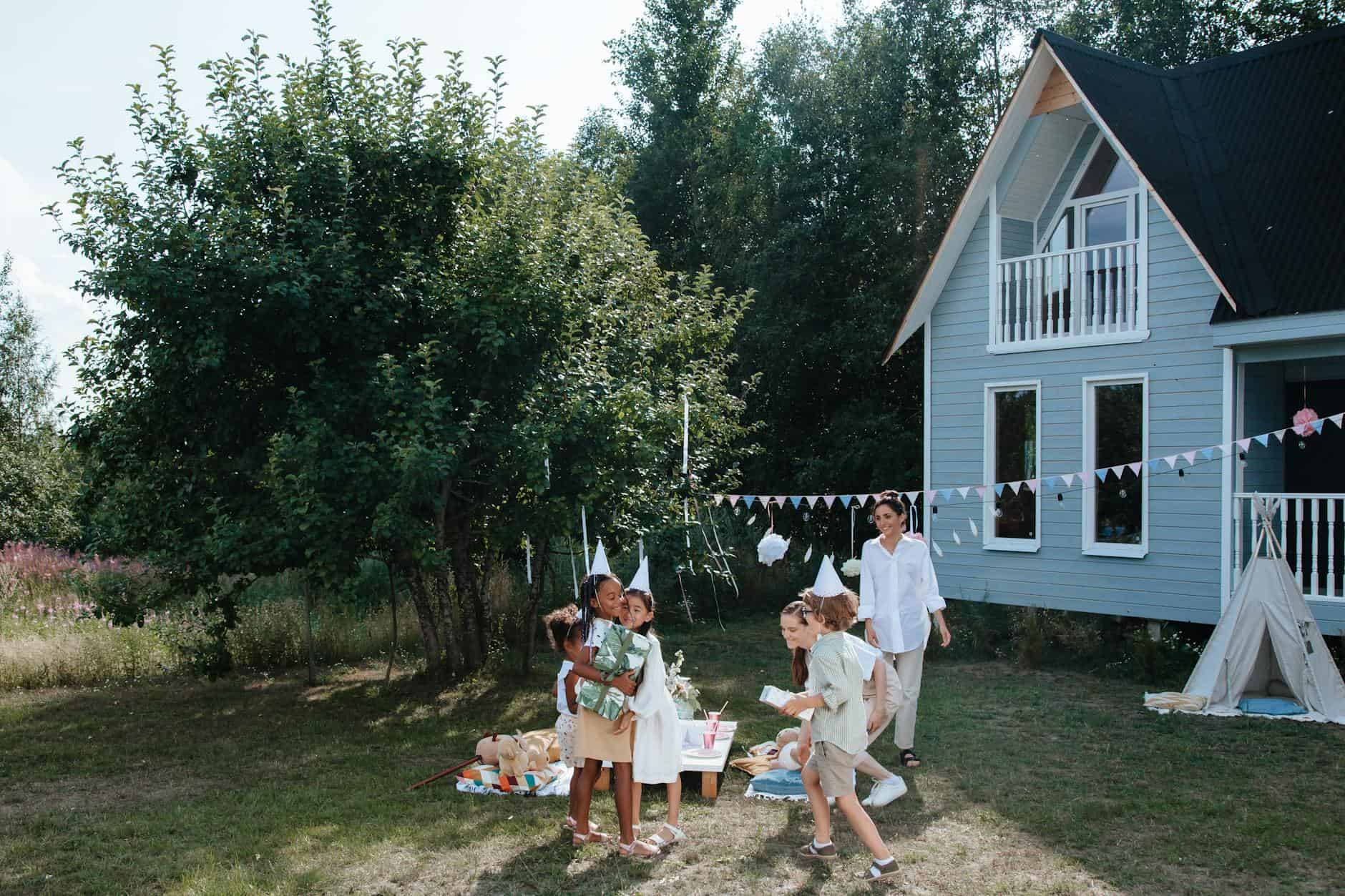
One of the most socially charged dynamics in the repeat-destination family is the introduction of a new member: a child’s first serious partner, a new spouse, an in-law seeing the tradition from the outside for the first time.
For the newcomer, the experience can be disorienting. Everyone else has twenty years of shared shorthand, private jokes tied to specific places, rituals that seem obvious to everyone but them. The returning family members don’t always realize how encoded the experience has become — how many things they do without explanation because explanation stopped being necessary a decade ago.
For the new person, the experience is something like being handed a book with twenty years of notes in the margins written by someone else. The welcome is often genuine and warm, but the belonging takes time. Some people describe feeling like a visitor at someone else’s religion — respected but not yet initiated.
Conversely, when someone who used to come is no longer there — after a divorce, a falling out, a death — their absence is felt with an unusual sharpness. The place holds their presence. The rituals point to where they used to stand.
When the Tradition Starts to Fracture
Repeat-destination traditions have predictable breaking points. The most common is when the next generation’s children become teenagers with social lives back home they resent leaving. The mandatory family vacation — the one that was unquestioned when they were eight — becomes contested when they’re fifteen.
Another fracture point comes when the original organizer (often a grandparent, or the family’s most enthusiastic planner) becomes unable to coordinate the trip or passes away. Without that person, the logistics suddenly fall to someone else, and the question of “do we still do this?” becomes real for the first time.
Families that survive these pressure points usually do so because someone explicitly chooses to carry the tradition forward — makes the bookings, sends the emails, absorbs the coordination costs. The tradition doesn’t continue on momentum alone; it continues because someone decides it matters enough to maintain.
The Economics of Loyalty: Why Families Keep Paying More
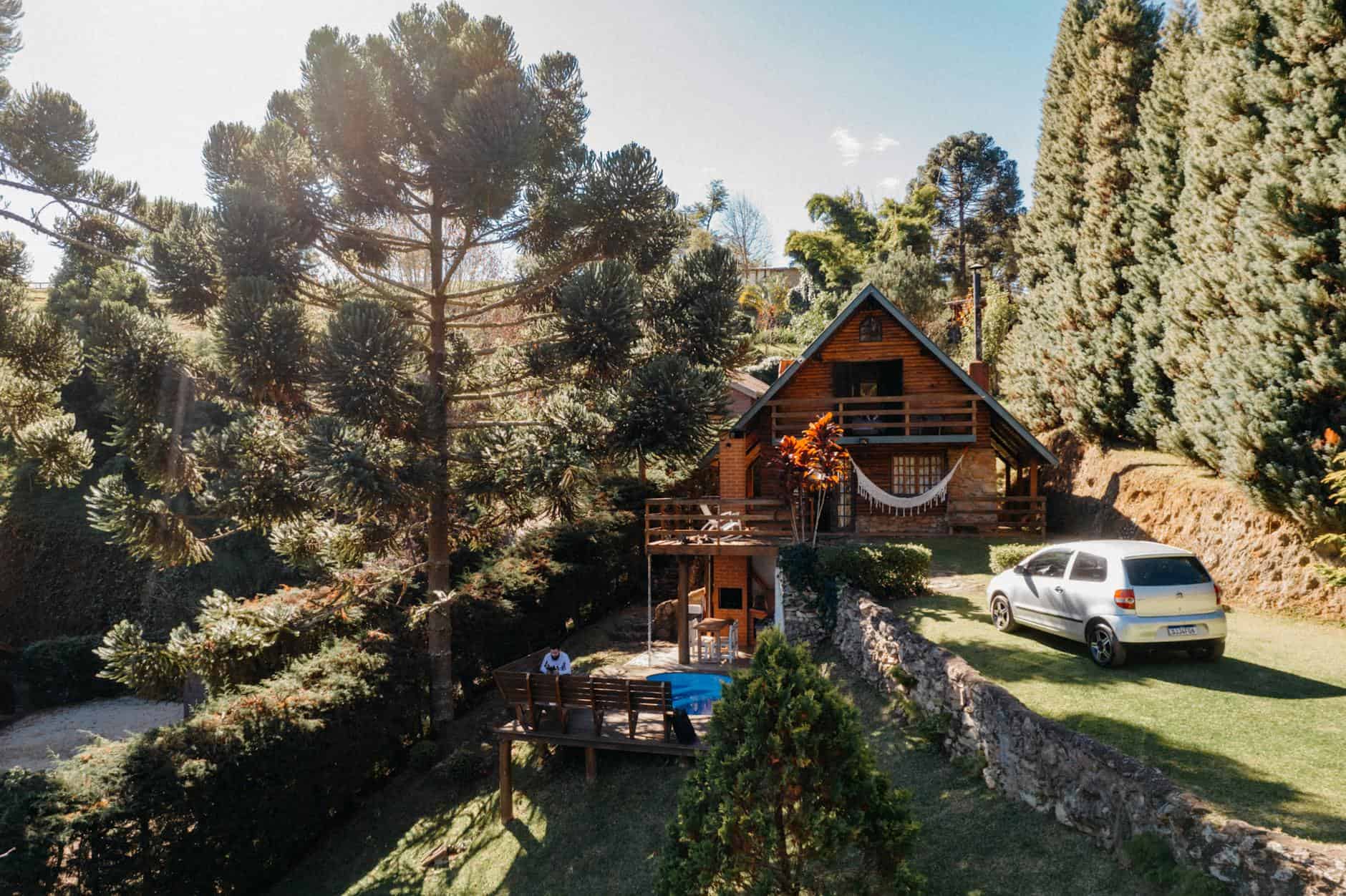
Repeat-destination loyalty is genuinely irrational from a pure value standpoint. The rental house your family has been going to for fifteen years has gone up in price by 70 percent. Other comparable properties exist that would cost less. You’ve never seriously considered switching.
Rental owners understand this dynamic and benefit enormously from it. Families who have deep sentimental attachment to a property are significantly less price-sensitive than new customers — they’ll absorb price increases that would drive away a first-time renter. This is why some vacation rental owners invest minimally in updating properties that have loyal repeat customers: they don’t need to compete on quality because the loyalty isn’t about quality.
The families who recognize this dynamic still often choose to pay. The premium feels like a fair price for what they’re getting — not just a rental house, but a continuation of something that has mattered for years. And objectively, the value they’re getting in terms of psychological and relational richness is real, even if it defies a simple cost-benefit calculation.
Why Some Families Can’t Go Back — And What That Costs Them
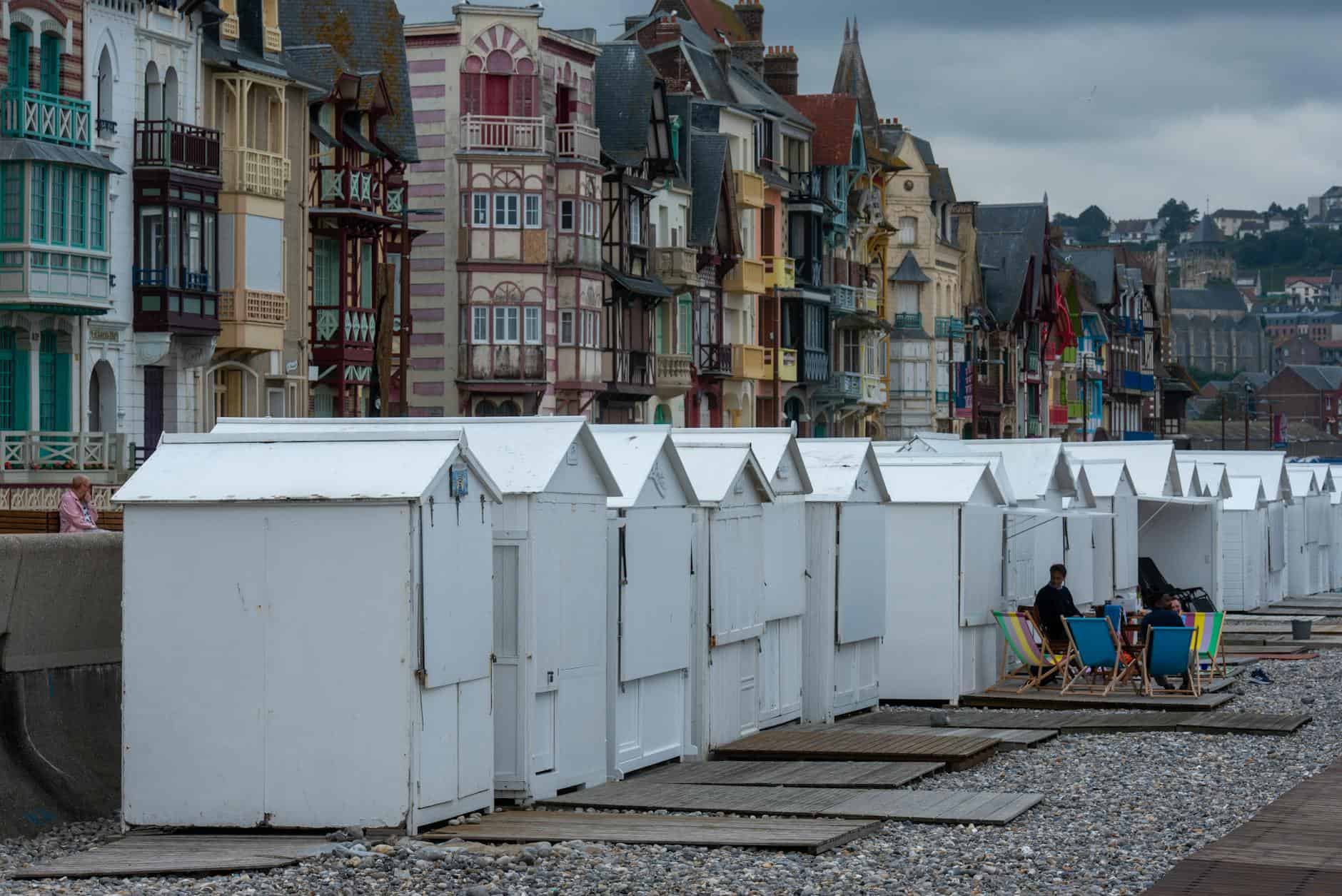
Sometimes the tradition ends not by choice but by circumstance. The owner sells the property. The rental is converted to a short-term listing that’s now unaffordably priced. A storm damages the area beyond recognition. The town changes so dramatically that the place you’ve been returning to effectively no longer exists.
Families who lose their recurring destination to these external forces often describe the loss as disproportionate to what it sounds like from the outside. It’s not just losing a vacation spot — it’s losing the place where the family’s shared story lived. It’s losing the possibility of going back to a place that knew you at every age you’ve ever been.
The grief tends to surprise people. It’s not as sharp as losing a person, but it’s stranger than losing a place you’d only visited once. Some families try to find a substitute location, and sometimes they do. But the first few years at the new spot feel like being a tourist somewhere you wanted to belong — and belonging takes years to build.