First Time in Japan? Here’s the Honest Guide Nobody Gives You Before You Go
We may earn money or products from the companies mentioned in this post. This means if you click on the link and purchase the item, I will receive a small commission at no extra cost to you ... you're just helping re-supply our family's travel fund.
Japan was the first place I ever traveled to where I felt, immediately and genuinely, that I had no idea what I was doing. Not in a scared way — in the best possible way. The signs were in Japanese. The machines dispensed things I didn’t expect. I didn’t know what I was eating or how to eat it or whether I was breaking some deeply held rule. I was delighted by every single minute of it. Here is everything I wish I’d known before that first trip, and everything I’ve learned since.
Entry Requirements in 2026: What’s Changed
Visa-Free Access (Still) for Americans
US citizens do not need a visa to visit Japan for stays of up to 90 days. This remains one of the most generous tourist arrangements in the world and is not expected to change in 2026. Bring your US passport, valid for the duration of your stay.
The Tourist Tax and Overtourism Measures
Japan is implementing — or has implemented in phases — a national tourist tax of ¥500 per person (~$3.50 USD) paid at departure. This is separate from your flight taxes and will be included in your departure airport fees. Additionally, some specific high-traffic areas have introduced their own entrance fees to manage visitor numbers.
- Fuji Yoshida (Mount Fuji climbing trail): ¥2,000 (~$14) per person per entry, with a daily visitor cap in effect
- Kamakura (for the Great Buddha approach): ¥200 environmental fee per person at some entry points
- Kyoto’s Gion district: photography restrictions and access limits in effect to protect residents from tourist intrusion
These measures are Japan’s response to genuine overtourism strain, and the honest advice is: lean into them. Follow the posted rules, pay the fees without complaint, and understand that Japan’s extraordinary experience depends on the country maintaining its culture and dignity.
Getting Around: The Definitive Transportation Guide
The JR Pass: Worth It Only If You Do the Math
The Japan Rail Pass is a comprehensive unlimited-use pass for JR trains including the shinkansen (bullet trains). It is expensive — approximately $450-550 for a 14-day pass — and it’s worth it ONLY if your itinerary includes multiple long-distance shinkansen trips.
Do this calculation before buying: look up the individual shinkansen ticket prices for every long-distance trip you plan (Tokyo–Kyoto is about ¥14,000 each way; Tokyo–Hiroshima about ¥19,000 each way). If the sum of your planned trips exceeds the pass cost, buy the pass. If you’re staying mostly in Tokyo or doing one round-trip to Kyoto/Osaka, the math usually doesn’t support the pass cost.
The IC Card: Load This at the Airport, Full Stop
Every traveler to Japan needs an IC card — specifically a Suica (Tokyo) or Pasmo card. These are contactless smart cards that work on essentially every train, subway, bus, and monorail in Japan, and at many convenience stores and vending machines. Load ¥3,000-5,000 at the airport arrival hall immediately upon landing. Tap to enter and exit the fare gate. The fare is automatically deducted. You will never fumble for coins or puzzle over a ticket machine for a local journey.
- Get the physical card at the airport — a digital Suica on an iPhone works too, but the physical card is foolproof
- Top it up at any convenience store (7-Eleven, FamilyMart, Lawson) or train station machine
- Keep ¥1,000+ on the card at all times — running out mid-journey requires using a ticket machine, which is time-consuming
Cash Culture: Japan Is Still a Cash Society
Outside of major city tourist areas and chain businesses, Japan still operates primarily on cash. Many restaurants, small shops, temples, and local businesses are cash only. Do not arrive in Japan relying solely on your card.
Where to Get Yen
- 7-Eleven ATMs and Japan Post ATMs are the most reliable for foreign cards — they accept Visa, Mastercard, and Maestro with minimal fees
- Airport currency exchange rates are acceptable but not ideal — get enough yen for your first two days at the airport, then use 7-Eleven ATMs for the rest
- Notify your bank before travel that you’ll be using your card in Japan to prevent fraud blocks
- Bring significantly more cash than you think you need — you will spend it
The Cultural Rules That Shock Americans

These are the rules that American travelers most frequently violate, usually with no malicious intent, and that matter genuinely in Japan.
- No eating while walking — eating food while walking in public is considered rude. Eat standing near the stall or sit down. Exception: festival foods eaten at the festival grounds are fine.
- No tipping — tipping is not just unnecessary in Japan, it can cause genuine offense. Exceptional service is a professional standard, not a transaction. Never tip.
- No phone calls on trains — put your phone on silent and do not make calls while on public transit. Quiet is expected and respected.
- Tattoo restrictions at onsen — most traditional Japanese hot spring baths (onsen) and sento (public baths) prohibit entry for people with visible tattoos, due to historical association with organized crime. Research tattoo-friendly onsen in advance if this affects you.
- Garbage cans are almost nonexistent — Japan’s streets are immaculately clean because Japanese people carry their own trash until they find a bin (usually at convenience stores). Carry a small bag or your coat pocket for wrappers and bottles.
Tokyo: What to Do and Not Miss
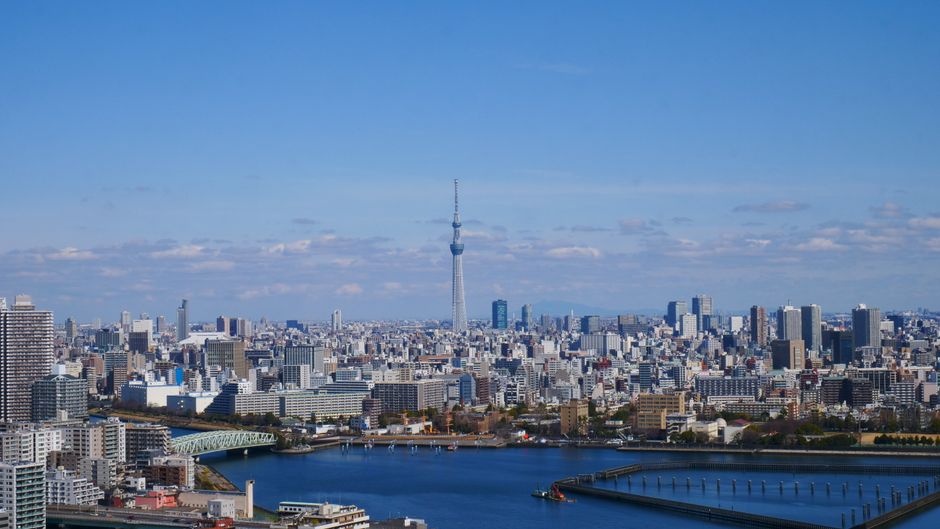
The Unmissable Tokyo Experiences
- Tsukiji Outer Market for breakfast — the world-famous fish market has moved (Toyosu), but the outer market of shops and food stalls remains open for the best sushi, tamagoyaki, and fish cake breakfast you’ll ever eat
- Shibuya Crossing at night — the world’s busiest pedestrian intersection, most dramatic after dark under the screens and lights
- Yanaka neighborhood — old Tokyo that survived bombing and earthquake, traditional shotengai shopping street, temples and cats and paper lanterns
- teamLab Borderless digital art museum — book weeks in advance; sells out constantly; genuinely unlike anything else on earth
- Day trip to Nikko — UNESCO shrines and temples 2 hours from Tokyo, spectacular fall foliage in November
- Day trip to Kamakura — giant outdoor bronze Great Buddha, 30 minutes from Tokyo, beautiful walking trails between temples
Kyoto vs. Osaka: How to Allocate Your Time
Kyoto: Temples, Bamboo, and Ancient Japan
Kyoto was Japan’s imperial capital for over a thousand years, and it shows — the city contains 17 UNESCO World Heritage Sites and more temples and shrines than you can visit in a week. Kyoto is where you go for: Arashiyama’s bamboo grove (arrive before 7am for the uncrowded experience), Fushimi Inari’s 10,000 red torii gates (walk all the way to the top — 2-3 hours — most tourists only go to the first level), Kinkaku-ji (the Golden Pavilion, deservedly famous), and the Gion district’s preserved machiya townhouses and occasional geiko sighting.
Budget: 3 nights minimum in Kyoto. Stay at a ryokan (traditional Japanese inn with tatami floors and kaiseki dinners) for at least one night — the experience is worth the cost of €80-150/night.
Osaka: Food, Nightlife, and Affordability
Osaka is Japan’s kitchen and its most irreverent, welcoming city. The food here — takoyaki (octopus balls), kushikatsu (skewered and fried everything), ramen, and the extraordinary Dotonbori restaurant district — is the reason people build entire itineraries around it. Osaka is also noticeably cheaper than Tokyo or Kyoto for accommodation.
Use Osaka as your base for Kyoto day trips (25 minutes by shinkansen), and explore Osaka’s food culture in the evenings. Don’t miss Osaka Castle and Kuromon Market.
Food Rules: Japan’s Entire Food Culture in Brief
- Convenience store food (konbini) is genuinely excellent — not a compromise. 7-Eleven onigiri (rice balls), FamilyMart chicken, Lawson cream bread, and seasonal items are legitimately good meals. Never skip a konbini breakfast or quick lunch.
- ¥100/plate conveyor belt sushi (kaiten-zushi) is a revelation — Sushiro, Hama-Sushi, and Kura Sushi chains rotate fresh plates at extraordinary value
- Ramen shops: order at the ticket machine (most have photos), take your ticket to the counter, sit down, eat, leave. The entire experience is designed for solo efficiency.
- Vending machines sell hot and cold coffee, tea, soup, energy drinks, and occasionally stranger things. Try the Boss Coffee. You’re welcome.
What to Pack
- Portable WiFi router or Airalo eSIM — loaded before you arrive. Japan’s cell networks are excellent but your home plan may not cover data reasonably.
- IC card (get at airport)
- Coin purse — Japan uses coins (¥1, ¥5, ¥10, ¥50, ¥100, ¥500) extensively. You will accumulate coins constantly. A small coin purse keeps you organized.
- Comfortable walking shoes — Tokyo requires 15,000-20,000 steps per day at minimum
- Layers — Japan’s weather varies dramatically by season and even by elevation. Spring and fall require a light jacket plus layers.
- Small backpack for day trips — your carry-on stays at the hotel, you need a day bag
Best and Worst Times to Visit
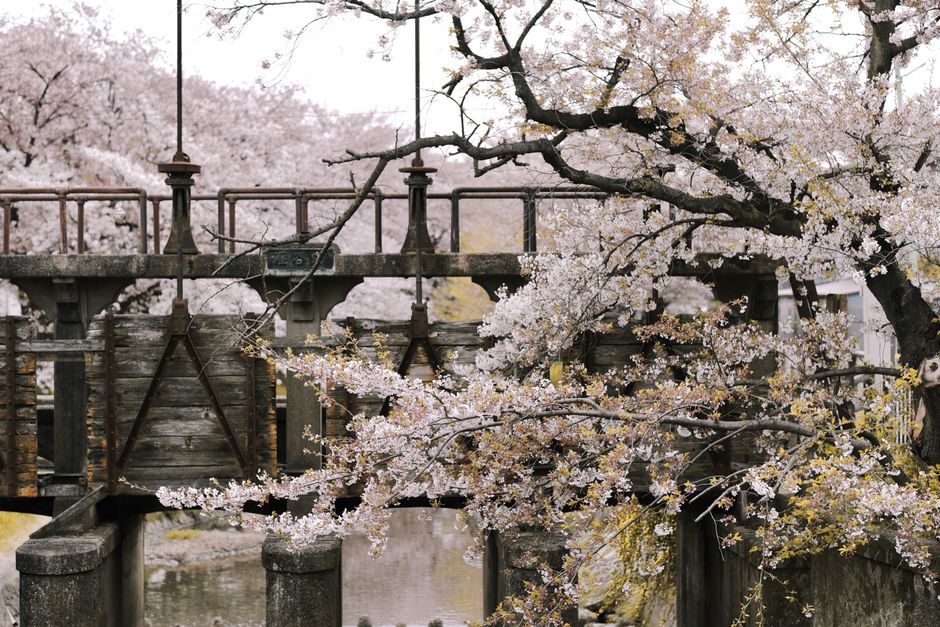
- March-April (cherry blossom season): Magical. Also the most expensive and crowded period of the year. If you go, book accommodation 6+ months in advance.
- October-November (fall foliage): Arguably the best time — koyo (autumn color) transforms temples and mountains, weather is perfect, crowds are lighter than spring, and prices are shoulder season.
- August: Brutally hot and humid. Not recommended unless you’re attending a specific summer festival.
- Golden Week (late April/early May): The entire country is on vacation simultaneously. Trains are fully booked, attractions are jammed, and prices surge. Avoid unless you’re a masochist.
Japan rewards the traveler who shows up with genuine curiosity, basic respect for local customs, and the willingness to try things they can’t read the label on. It is one of the safest, cleanest, most organized, most delicious places on earth — and it will make you better at traveling everywhere else.