How to Do Europe on $75 a Day Without Hostels, Misery, or Feeling Like a College Student
We may earn money or products from the companies mentioned in this post. This means if you click on the link and purchase the item, I will receive a small commission at no extra cost to you ... you're just helping re-supply our family's travel fund.
The phrase “budget travel in Europe” conjures images of 12-bed hostel dorms, instant noodles eaten on a bunk, and a general sense of suffering your way through one of the most beautiful continents on earth. That is not what I’m describing here. I’m describing how to do Europe comfortably — actual beds, actual restaurants, actual museums — for $75 a day per person without feeling like you’re camping or counting every euro.
This is not just possible. I’ve done it. Here’s exactly how.
The Grocery Store Principle: The Single Biggest Lever
Why This Matters More Than Anything Else
Food is the largest variable expense in European travel. A sit-down breakfast in Paris (coffee, croissant, juice) runs €12-18 per person at a café near a tourist area. That same breakfast bought at a Carrefour or Monoprix costs €3-4 — better quality bread, better fruit, and no one hovering to clear your table.
The principle is simple: buy breakfast and lunch from local supermarkets, eat one proper dinner out per day. Applied consistently, this strategy saves €40-60 per person per day versus eating all meals at restaurants. Over a 10-day trip, that’s €400-600 per person — enough to upgrade your accommodation significantly or fund several additional days.
The Best European Supermarket Chains by Country
- France: Carrefour, Monoprix, Franprix
- Spain: Mercadona, Lidl, Día
- Italy: Conad, Coop, Esselunga
- Germany/Austria: Lidl, Aldi, Rewe
- Greece: AB Vassilopoulos, Sklavenitis
- Portugal: Pingo Doce, Continente
Buy: crusty bread, local cheese, cured meats, fruit, yogurt. These are the same ingredients expensive restaurants use — you’re just cutting out the overhead.
Accommodation: Where to Put Your Money and Where Not To
Airbnb Apartments with Kitchens
An apartment with a kitchen isn’t just more spacious than a hotel room — it eliminates the need to eat out for every meal. A one-bedroom apartment in Lisbon, Valencia, or Budapest runs €50-80/night and gives you cooking facilities, a dining table, and a local neighborhood rather than a tourist-hotel corridor. For families, the math is even more compelling: a 2-bedroom apartment at €90/night beats two hotel rooms at €80/night each by a wide margin.
Small Local Hotels: The 2-Star Hotel Strategy
Major chain hotels in Europe are reliably overpriced relative to value. A family-run 2-3 star hotel in the same city — often just two streets back from the main tourist drag — will charge €45-70/night, have perfectly clean and comfortable rooms, breakfast that reflects actual local food, and an owner who gives you genuinely useful recommendations rather than a laminated list from corporate.
- Search for these on Booking.com using the star filter: 2-3 stars, Guest Score 8+, free cancellation
- Read reviews specifically for: cleanliness, staff helpfulness, location relative to transport
- Ignore the photos — small hotels often have terrible photography but excellent rooms
Free Entry Days at Major European Museums
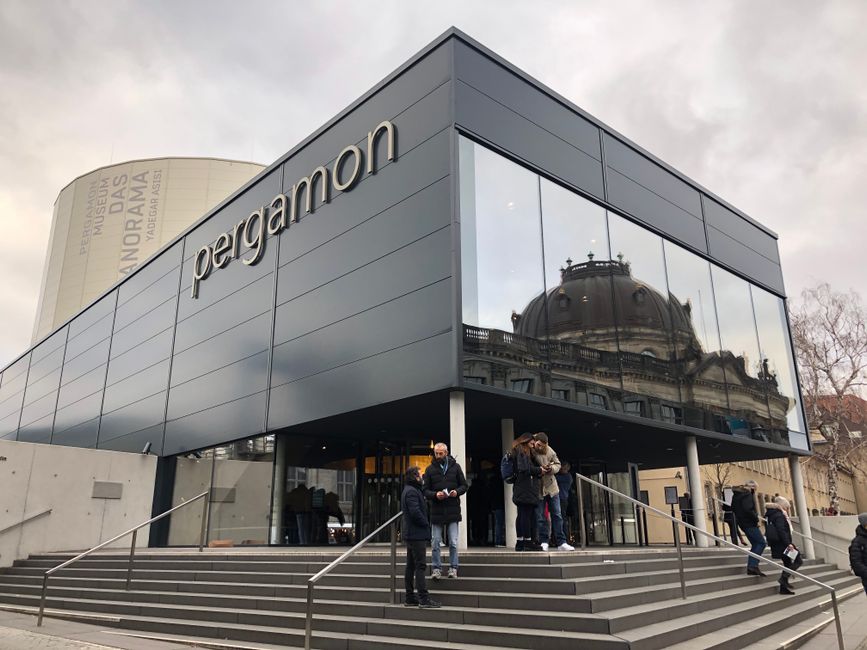
The most visited (and most expensive) museums in Europe offer free entry on specific days or times. Many travelers don’t research these in advance and pay full price unnecessarily.
- The Louvre, Paris: free first Sunday of every month (and for under-26s from EU countries always free)
- Uffizi Gallery, Florence: free first Sunday of every month
- British Museum, National Gallery, V&A, Natural History Museum, London: always free (permanent collections)
- Prado, Madrid: free Monday-Saturday 6-8pm and Sunday 5-7pm
- Musée d’Orsay, Paris: free first Sunday of every month
- Rijksmuseum, Amsterdam: no free days, but under-18 always free
Research the free days for every museum on your itinerary before you go. This alone can save €50-80 per person on a week-long trip.
City Tourist Cards: When They’re Worth It (and When They’re Not)
Do the Math Before You Buy
Tourist cards promise unlimited museum access and transit for a flat fee. They are worth it only if you’ll actually use enough of the included attractions to exceed the card’s cost. Here’s the honest math for several major cities:
- Paris Museum Pass (€62/2 days): covers Louvre (€22), Musée d’Orsay (€16), Sainte-Chapelle (€13), Versailles (€20). If you visit all four, the card pays for itself and adds free entry to 50+ more.
- Barcelona Card (€55/3 days): includes metro pass and discounts but not free entry to Sagrada Família (€26, must book separately regardless). Do the math on your actual plans.
- Vienna City Card (€29/24 hours): unlimited transit plus museum discounts. Worth it if you’re visiting multiple museums in one day.
The rule: list every attraction you plan to visit, add up the individual entry prices, and compare to the card cost. If the card saves you €20+, buy it. If not, don’t.
Transportation: Trains, Budget Airlines, and Walking
Trains Booked Early Are Cheap
European train travel feels expensive to Americans because they see the walk-up price. The walk-up price is not the right price — booking 60+ days in advance cuts most European train fares by 50-70%. A Paris to Barcelona high-speed train booked 8 weeks out costs €29-49 one way. Booked the day before, it costs €89-139.
- Book via Rail Europe, Omio, Trainline, or directly through national rail operators (SNCF for France, Trenitalia for Italy, Renfe for Spain)
- For overnight trains (Paris to Barcelona, Venice to Vienna), the berth costs more upfront but saves a night of accommodation — factor this into the comparison
Budget Airlines Within Europe
Ryanair and easyJet connect almost every European city for €15-40 if you book 6-8 weeks out with carry-on only. The catches are real — fees for everything, remote airports, no frills whatsoever — but if you follow the rules (travel light, book early, check in online), they work.
- Always include the “carry-on only” fare — checking a bag can double the cost
- Factor in airport distance: Ryanair Dublin-Barcelona lands at Girona, 90 minutes from Barcelona center. Add €15-25 bus fare and 2 hours to your travel time.
- Google Flights shows these budget carrier options alongside mainline carriers
Eating Well Without Spending Much: The Insider Rules
Stand at the Bar in Italy and Spain
This is one of the best food tips in European travel and almost no American knows it. In Italy, if you stand at the bar to eat or drink, the price is significantly lower than sitting at a table. A coffee and cornetto standing at the bar: €1.50. The same order sitting at a table outside: €5-8. This pricing differential is legal and universal throughout Italy and much of Spain. Stand up, save money, watch the locals, live your best life.
The Menú del Día in Spain
Spain’s menú del día is one of the great values in food anywhere in the world. At lunchtime (1-4pm), most Spanish restaurants offer a three-course set menu — starter, main course, dessert, bread, and often a glass of wine or water — for €10-14. This is a full, proper meal cooked that day, not a tourist-targeted bargain platter. The afternoon meal is the main meal in Spain. Eat it. Skip the expensive dinner.
Eat Where the Locals Are
The restaurants on the main square facing the famous landmark charge 40-60% more than a restaurant 2 streets away. Walk away from the landmark, look for handwritten menus in the local language, find the place with no English on the signage and a line of local workers eating lunch. That is where the food is both better and cheaper.
The Filtered Water Bottle: €200 Saved in Two Weeks
European tap water is safe to drink in virtually every major city — London, Paris, Rome, Madrid, Lisbon, Amsterdam, Vienna, Prague. Buying bottled water at €2-4 per bottle when you’re out sightseeing adds up to €5-10/day per person. A filtered water bottle (LifeStraw ($20), Grayl UltraPress ($80)) eliminates this entirely. Fill at a public fountain, fill at the hotel tap, fill anywhere. Over two weeks, two people save €80-140 in water purchases alone.
A Real $75/Day Budget Breakdown
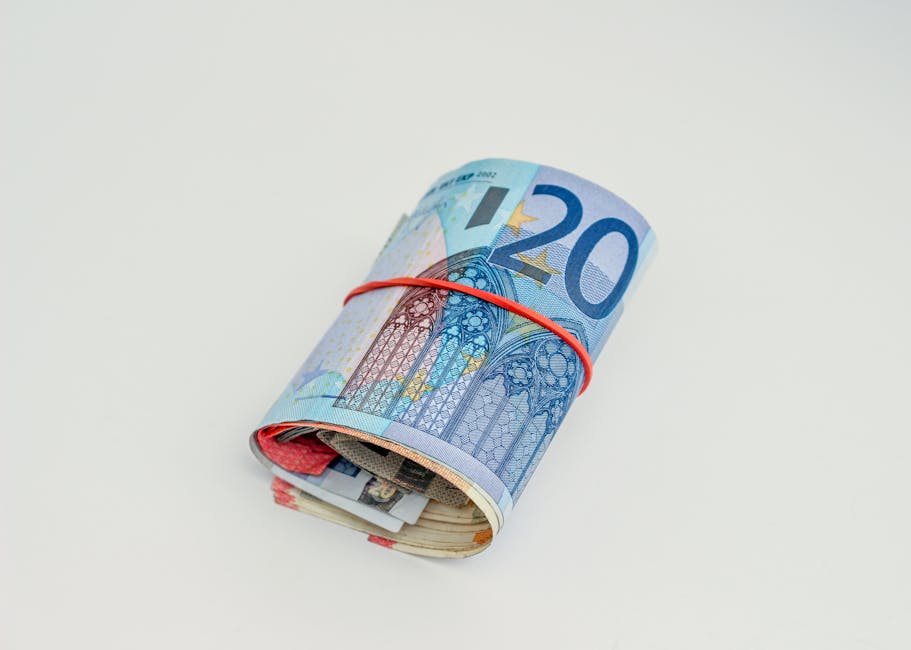
Here is what $75/day per person actually looks like — not a college backpacker budget, a legitimate comfortable-adult travel budget:
- Accommodation: €35 (your share of a €70/night apartment or local hotel, for two people)
- Breakfast: €3 (from the supermarket — bread, cheese, fruit, coffee from a café)
- Lunch: €5 (market lunch, supermarket, or standing at the bar in Italy/Spain)
- Dinner: €15 (one real sit-down dinner at a genuine local restaurant, wine included)
- Transportation: €8 (day transit pass or bicycle rental, walk as much as possible)
- Activities: €9 (one paid activity, taking advantage of free museum days for others)
- Daily total: €75 (~$80)
This is not deprivation. This is intentional spending — putting money where it creates memories and cutting it where it doesn’t. You’re still eating at real restaurants, staying somewhere comfortable, and seeing the museums. You’re just not paying tourist tax on every meal and every museum in every city every day. That is the entire difference.