What International Tourists Are Shocked to Discover When They Visit the US for the First Time
We may earn money or products from the companies mentioned in this post. This means if you click on the link and purchase the item, I will receive a small commission at no extra cost to you ... you're just helping re-supply our family's travel fund.
This article contains affiliate links. If you book travel through our links, we may earn a commission at no extra cost to you.
America is the most consumed cultural export in human history. Before most international visitors ever set foot on American soil, they have watched thousands of hours of American movies and television, absorbed American music, used American technology products, and formed fairly detailed mental models of what the country is like.
And then they get here and discover that none of that preparation quite covered it.
The comments sections of travel forums where international visitors debrief their American trips are endlessly instructive — not for the complaints (which exist and are predictable) but for the things that genuinely surprised people, the things so normal to Americans that they’ve stopped seeing them entirely.
The Size Problem Nobody Warned Them About
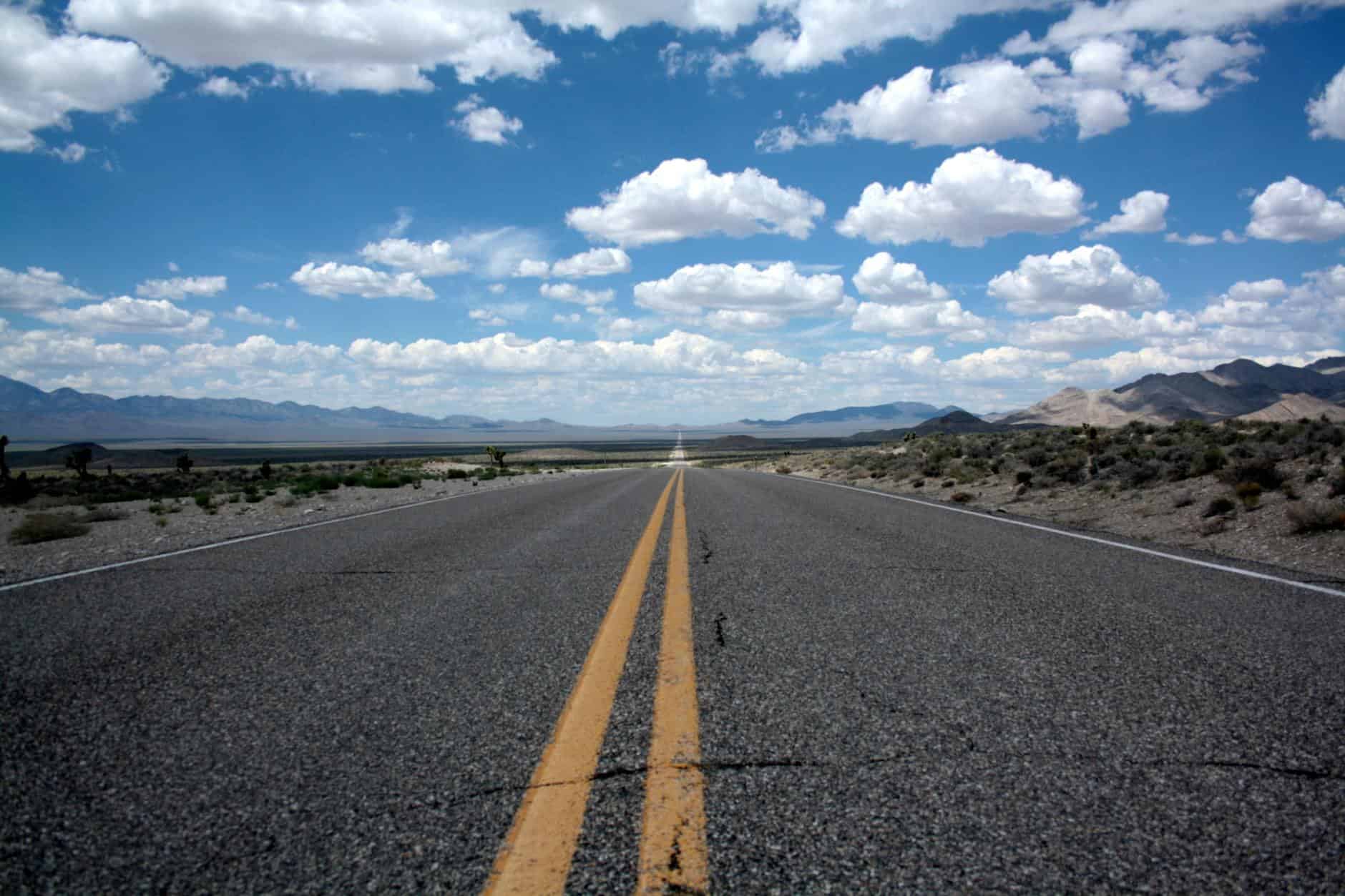
This is the most universal first reaction, and it comes up in every language. American scale is genuinely incomprehensible until you experience it, and even people from large countries (Australia, Canada, Russia) report being unprepared for what American size means in practice.
A French visitor who flies into New York and decides to take a road trip to “see more of the country” discovers that the distance from New York to Los Angeles is roughly the same as Paris to Tehran. The German tourist who wants to “do the West” in a week is looking at distances that would cover the entire European continent. The Japanese visitor from Tokyo — itself a vast city — is stunned by the scale of American suburban sprawl, which extends in every direction without apparent boundary or logic.
But the size surprise is not just geographic. Everything is physically larger: the cars, the roads, the portion sizes, the houses, the stores, the distances between things within a city, the width of the lanes, the size of the parking lots. International visitors from compact, walkable countries frequently describe America as a place that seems to have been designed specifically to be experienced by car, from a distance, at speed. This is largely accurate.
What They Were Not Prepared For in American Grocery Stores
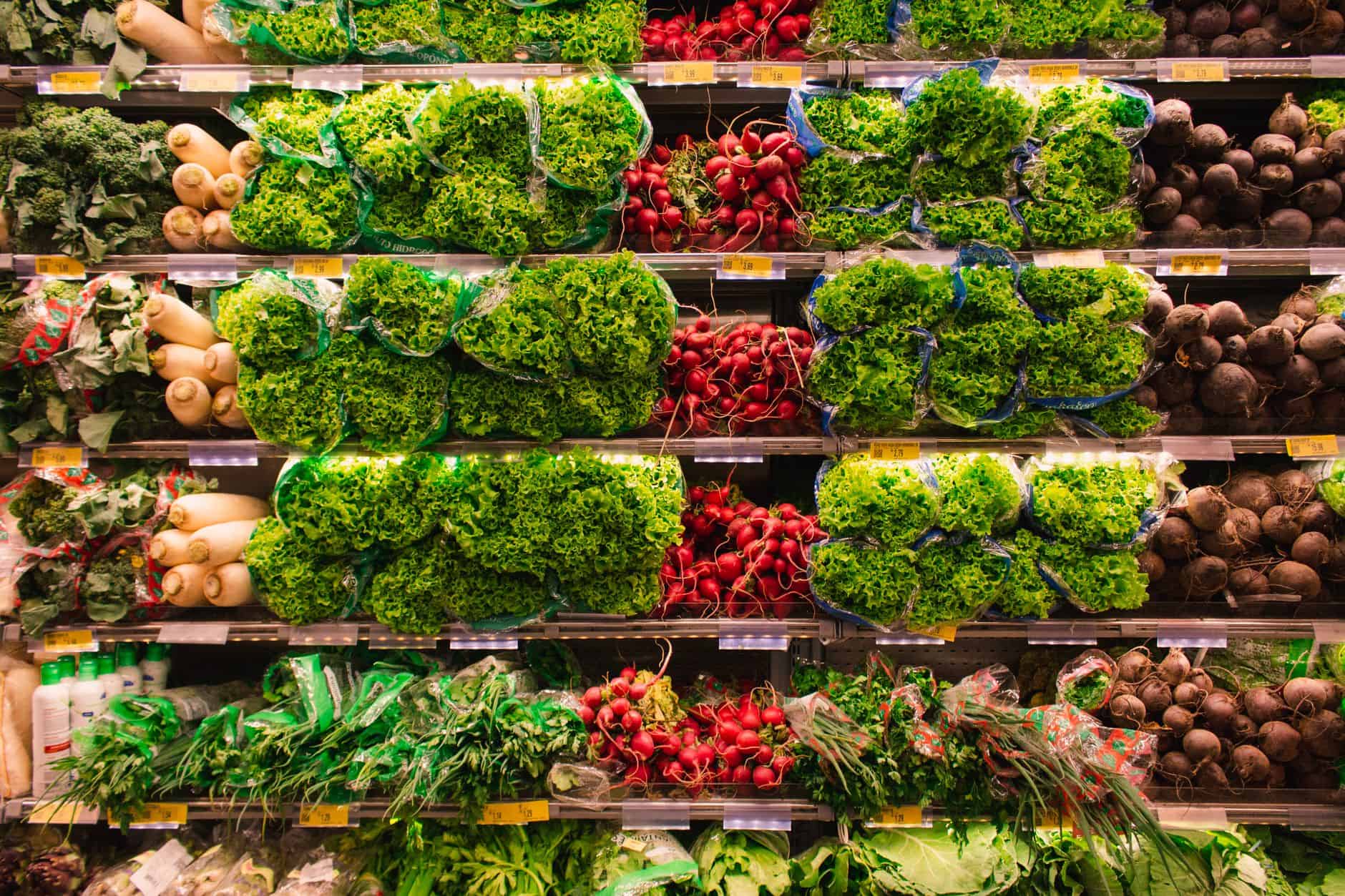
American supermarkets are a reliable shock. Not because they’re extraordinary by American standards — Americans take them completely for granted — but because the combination of size, variety, and the specific visual abundance of American retail food culture is genuinely unlike anything in most of the world.
The cereal aisle alone generates comments. Visitors from countries where three or four cereal brands are available, occupying four feet of shelf space, are confronted with a 50-foot aisle featuring 200 distinct products, half of which appear to be variants of the same five base recipes with different promotional characters on the box. This pattern repeats across every category: 40 varieties of salad dressing, 60 flavors of chips, a yogurt section that covers more ground than an entire dairy department in a medium-sized European grocery.
British visitors frequently remark on the tomatoes. This seems minor but it isn’t: UK and European tomatoes, grown for flavor rather than shipping durability, taste noticeably different from American commercial tomatoes. British visitors who were expecting American food to be delicious based on American food media are sometimes confused to find that the raw ingredients can be inferior to what they have at home.
The pharmacy section inside the grocery store is another common point of culture shock. Visitors from countries with single-payer healthcare and pharmacy pricing regulation are confronted with American drug prices that are, in many cases, 10 to 20 times higher than what the same medication costs in their home country, sitting on open shelves with no prescription required, next to greeting cards and seasonal candy.
The Tipping System Causes Genuine Distress

International visitors to the United States report more consistent anxiety about the tipping system than about any other practical aspect of the trip. Not anger — anxiety. The fear of getting it wrong, of accidentally insulting someone, of doing the math wrong, of facing the rotating card terminal with its suggested 20, 25, and 30 percent prompts in a context where tipping doesn’t feel warranted.
European visitors are particularly flummoxed because the European system — service included, tips genuinely optional — is explicit. American tipping feels mandatory but is technically voluntary, and the social and interpersonal stakes of not tipping correctly are communicated through implication rather than stated outright. International visitors describe spending significant mental energy on the tipping question throughout their trips, second-guessing every transaction, and occasionally tipping in contexts that didn’t call for it out of ambient tip-anxiety.
The larger cultural observation that international visitors often make, gently: the tipping system reveals something about how American society has structured the problem of paying service workers. Visitors from countries where restaurant servers earn a living wage from their employer find the entire architecture strange — not just the tip calculation, but the embedded logic that the customer is responsible for supplementing worker income.
The Healthcare Conversation

International visitors who get sick in the United States — even mildly sick, even just needing a prescription — encounter the American healthcare system for the first time in a context that is clarifying.
The cost of an urgent care visit, the price of a standard antibiotic prescription, the complexity of the insurance question when you have no American insurance — these things are genuinely alarming to visitors from countries where healthcare operates differently. Canadian, British, German, Australian, and Japanese tourists who have never thought about what an emergency doctor visit costs discover the approximate answer very quickly, and it changes how they understand certain American conversations they’d been aware of from the outside.
The travel insurance market for Americans visiting other countries is robust. The travel insurance market for international visitors to the US is equally robust, and for similar reasons that run in reverse: America is one of the most expensive healthcare destinations in the world, and visitors know it.
How American Friendliness Confuses Everyone

American warmth — the ready smile, the “how are you?” from the cashier, the readiness of strangers to give directions and opinions and enthusiastic restaurant recommendations — is universally noted by international visitors, and it creates a specific confusion.
Visitors from Northern European countries (Germany, Finland, Sweden, the Netherlands) where interpersonal warmth with strangers is not the cultural norm report finding American friendliness genuinely pleasant but slightly difficult to parse. They can’t quite tell if the person talking to them is a friend, a service worker, someone who needs something, or simply being culturally American. The warmth doesn’t map to any relational category they have.
The more sophisticated observation, which comes up in accounts from visitors who spent longer in the US, is about the distinction between friendliness and friendship. Americans are extraordinarily friendly. They are also, international visitors often find, harder to develop actual friendships with than their initial warmth suggests. The easy conversation doesn’t automatically progress to a real relationship in the way it might in countries where strangers don’t talk to each other but people who do connect tend to connect deeply.
The Roads and the Driving Culture
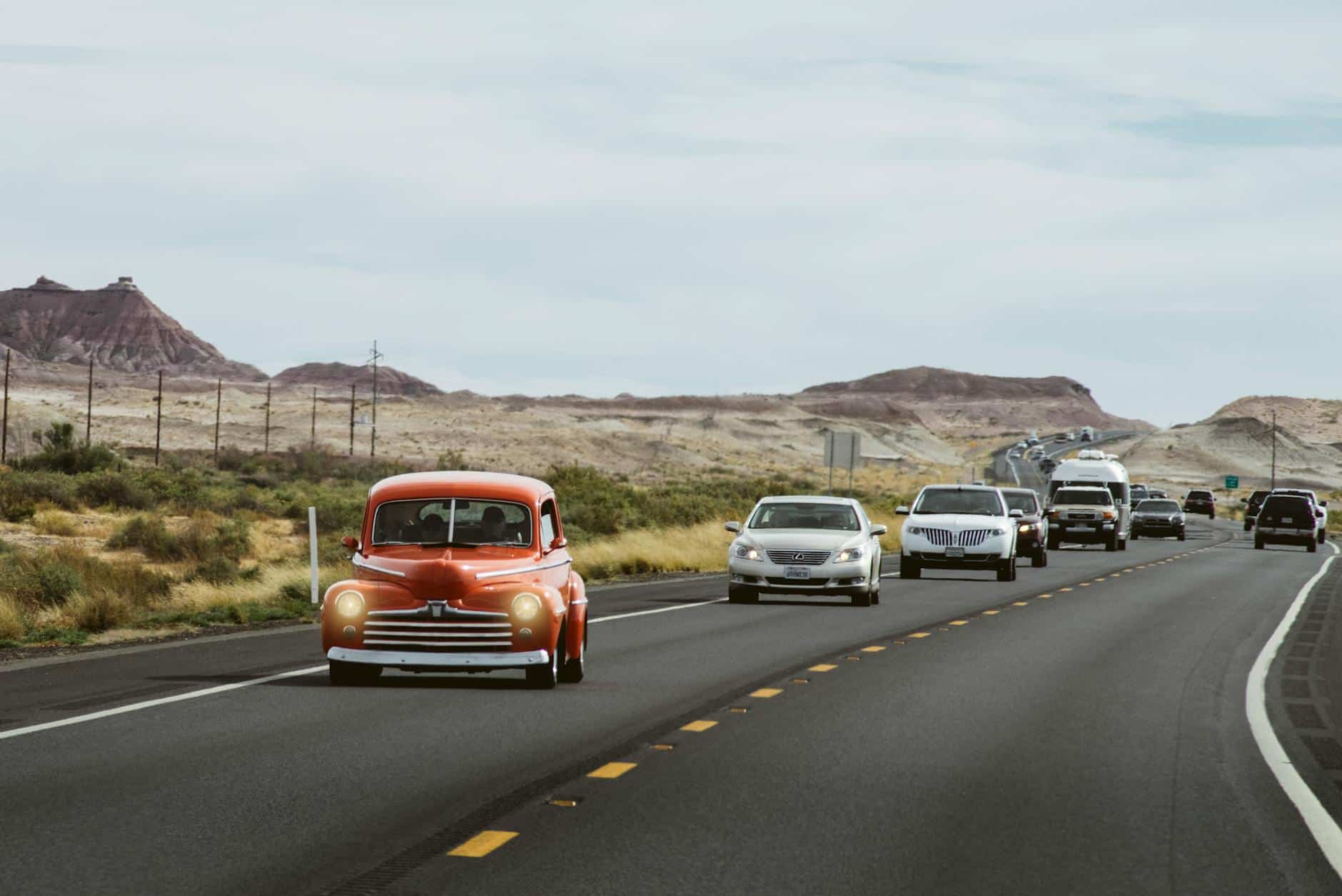
Visitors from cities with developed public transit — London, Tokyo, Paris, Seoul — are struck by the American relationship with the car not just as transportation but as cultural identity and practical necessity. In most American cities outside of New York, a car is not an option; it is the infrastructure. Visitors who planned to use public transit quickly discover that in most American metros, public transit covers a fraction of the geography at a fraction of the frequency that they’re accustomed to.
The physical experience of American roads — the width of the lanes, the scale of the highway interchanges, the distances between points of interest, the sheer square footage devoted to parking — communicates something about the organizing principles of American urban development that is hard to understand from the outside. European visitors in particular, coming from cities where roads are narrow and parking is scarce, experience American suburban design as something between banal and surreal.
American drivers’ tendency toward orderliness and rule-following is also noted by visitors from countries with more improvisational driving cultures. Italian, Indian, and Brazilian visitors frequently remark that American drivers are more disciplined and less creative than they expected. No one runs red lights. Lane discipline is real. The honking is minimal compared to virtually anywhere else.
What They Actually Think About American Food
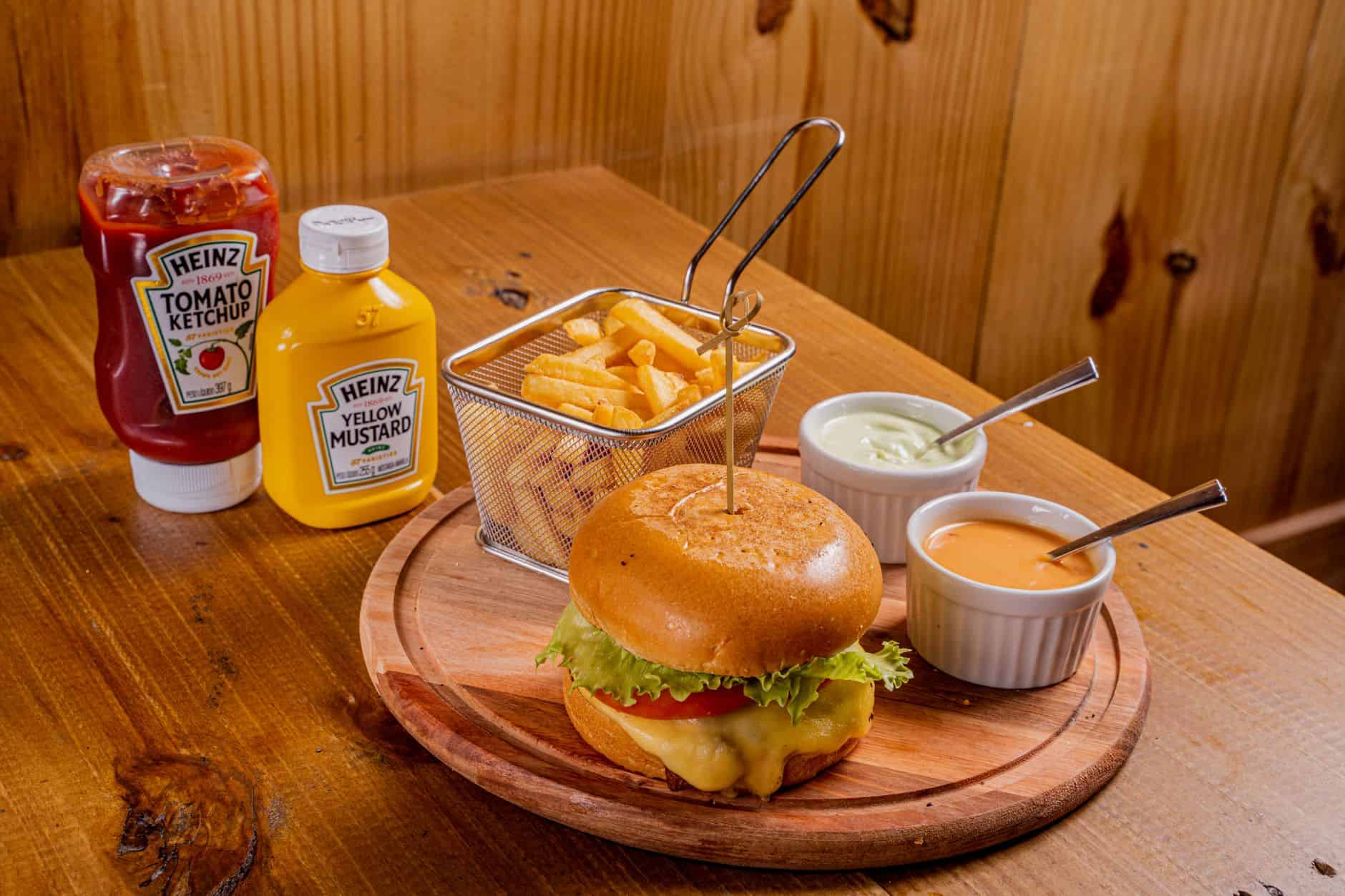
The reputation of American food internationally oscillates between two poles: the aspirational (American restaurants, American barbecue, American craft food culture) and the critical (fast food, portions, processed ingredients). What international visitors find is usually more complicated than either.
The high end of American food culture — the farmers markets, the regional cuisines, the craft brewery and natural wine scenes, the serious restaurant culture of cities like New York, San Francisco, Chicago, New Orleans, and Nashville — genuinely surprises visitors who expected all American food to resemble fast food. It’s a discovery that American food culture is far more varied and sophisticated than the export version suggests.
The portions issue is real and consistent. European and Asian visitors are frequently unable to finish American restaurant servings, which tend to be substantially larger than what they’re accustomed to. This is often described with a combination of delight and distress: the abundance is impressive; the implied expectation of consumption is not.
The Profound Absence of Walking Infrastructure
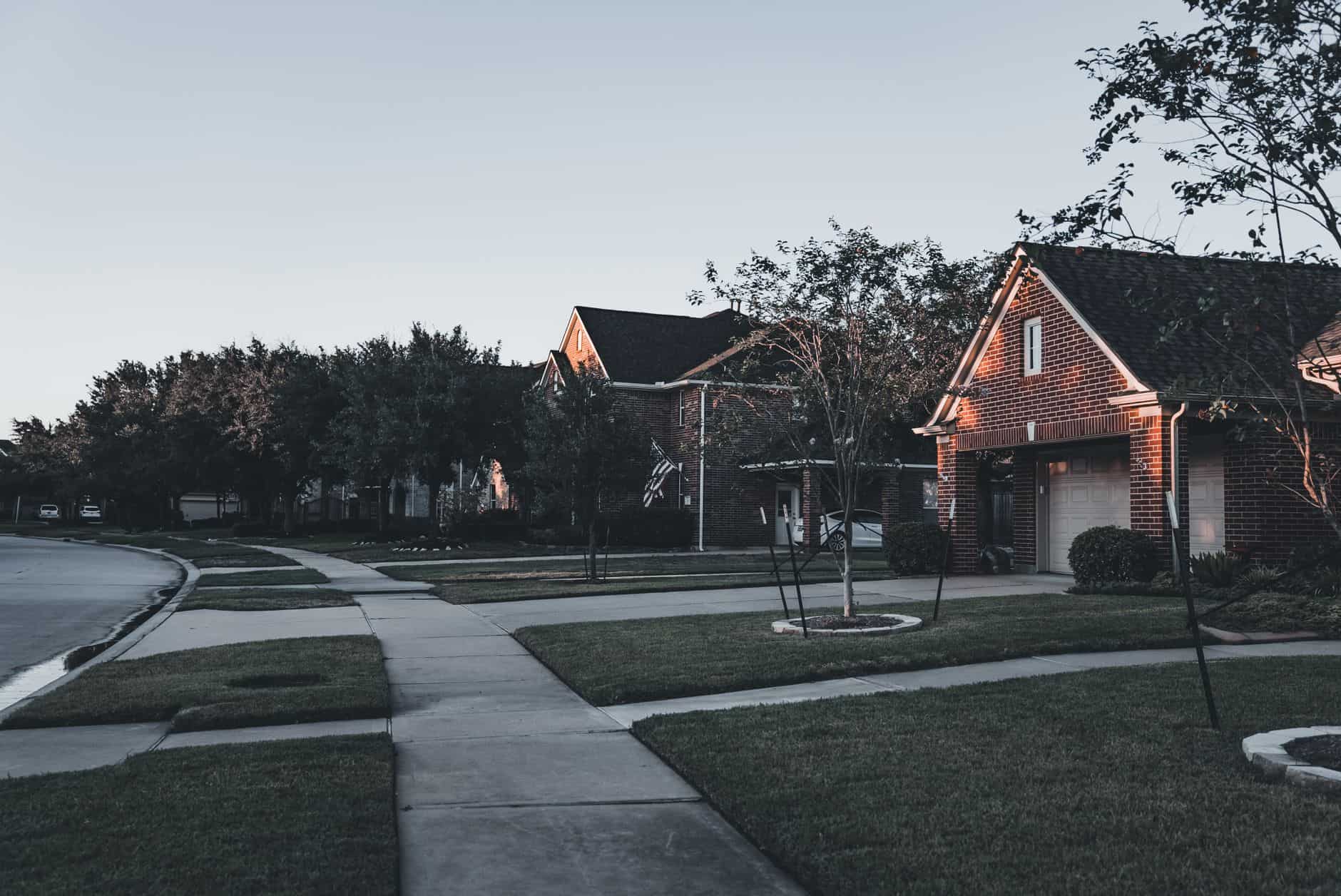
This generates some of the most consistent commentary from international visitors, particularly Europeans and East Asians accustomed to cities built around pedestrian movement. In most American cities outside a handful of walkable urban cores, the experience of trying to walk anywhere reveals an infrastructure designed entirely for cars.
Sidewalks that end without warning. Strip malls surrounded by acres of parking with no pedestrian access from the street. Distances between destinations that are listed on Google Maps as “11 minutes” but that require crossing a six-lane highway with no crosswalk. The experience of being a pedestrian in suburban America, visitors report, produces a specific kind of alienation — the feeling of being in a human-made environment that was not designed for humans to move through on foot.
Visitors from the Netherlands, Japan, Denmark, and other countries that have invested heavily in pedestrian and cycling infrastructure find this particularly striking. In Amsterdam, a 15-minute walk through a neighborhood is a rich sensory experience. In a comparable American suburb, it’s an exercise in navigating parking lots.
Things They Loved That They Didn’t Expect To

The international tourist experience of America is not predominantly negative — far from it. The things that genuinely surprise visitors with their quality and scale are equally worth noting.
National parks consistently produce awe in international visitors who were not prepared for the physical scale of American wilderness. Yosemite, the Grand Canyon, Yellowstone, Glacier, the Smokies — these places operate at a visual scale that has no equivalent in most countries, and the accessibility of them (you can, genuinely, drive up to the edge of the Grand Canyon) is something that visitors from countries with more restricted wilderness access find remarkable.
The customer service culture, while culturally confusing, is also genuinely appreciated. The ability to return things easily, to have complaints addressed, to be treated as someone whose business is wanted — this is not universal globally, and visitors from countries with more indifferent service cultures often remark on it positively.
And the diversity of American cities — the specific, chaotic, accidental diversity of a country assembled from immigration waves over 400 years — is something that visitors who live in more monocultural countries describe as the most unexpectedly moving thing about being here. The fact that you can eat Korean food next to a Somali restaurant next to a Cuban bakery in a single American city block is, to many international visitors, the thing about America that all the movies failed to adequately represent.