What Flying Business Class on Points Actually Feels Like — A Step-by-Step Account for People Who’ve Never Done It
We may earn money or products from the companies mentioned in this post. This means if you click on the link and purchase the item, I will receive a small commission at no extra cost to you ... you're just helping re-supply our family's travel fund.
If you’ve spent any time in the travel points community, you’ve heard the phrase “flying business class for free on miles.” It sounds abstract until you’ve actually done it. The first time you sit down in a business class seat that cost you 60,000 points instead of $4,500, something shifts in how you think about credit card rewards.
But before you get there, you have a lot of questions that the points bloggers don’t always answer directly, because they’ve done it so many times it feels obvious. This is the article for the person who has accumulated some miles, found an award, and is genuinely trying to understand what they’re walking into.
This is what the experience actually looks like, step by step.
The Check-In Moment (And Why It Feels Different)
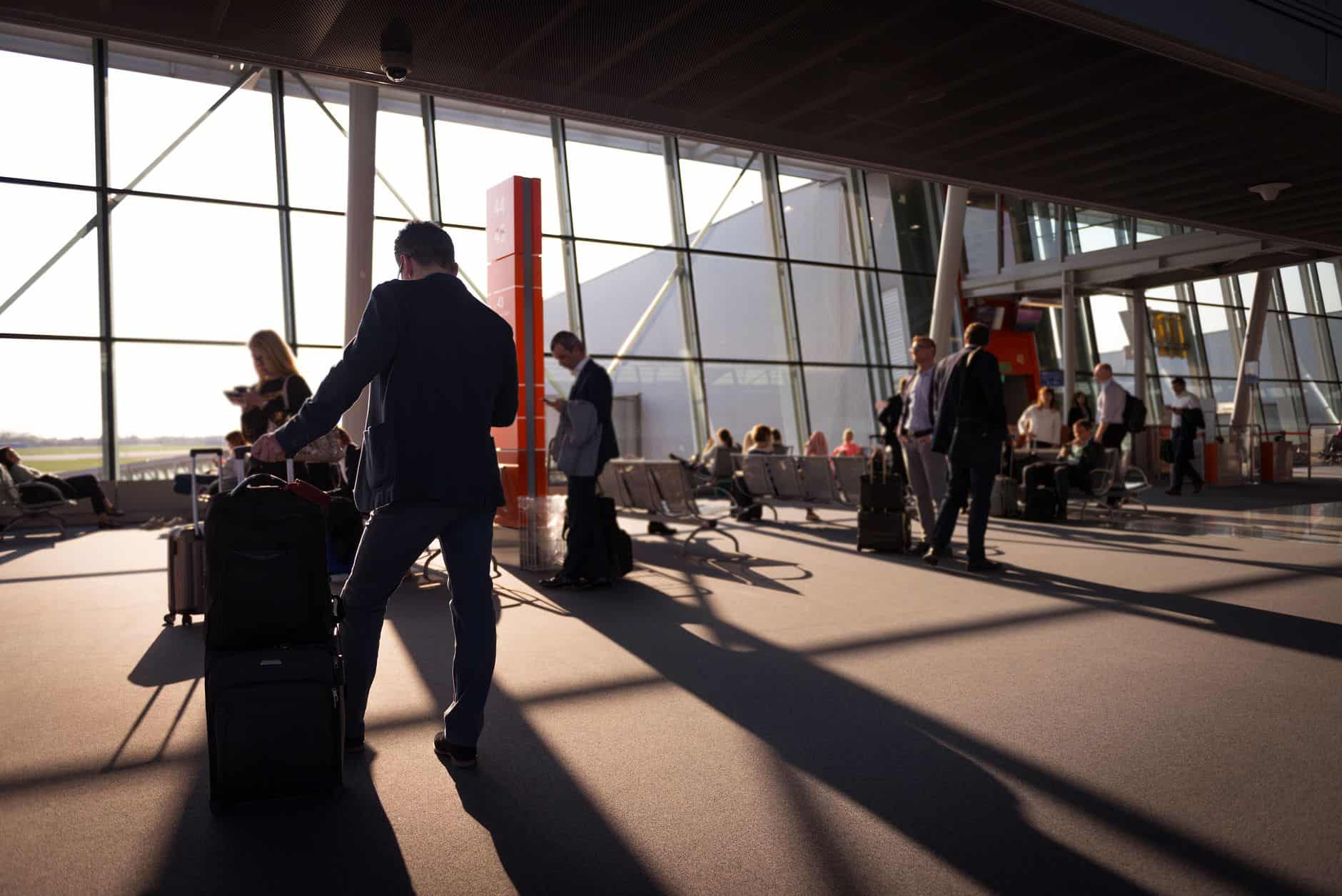
You arrive at the airport with your business class boarding pass — either printed, digital, or on your phone — and the experience starts diverging from economy immediately.
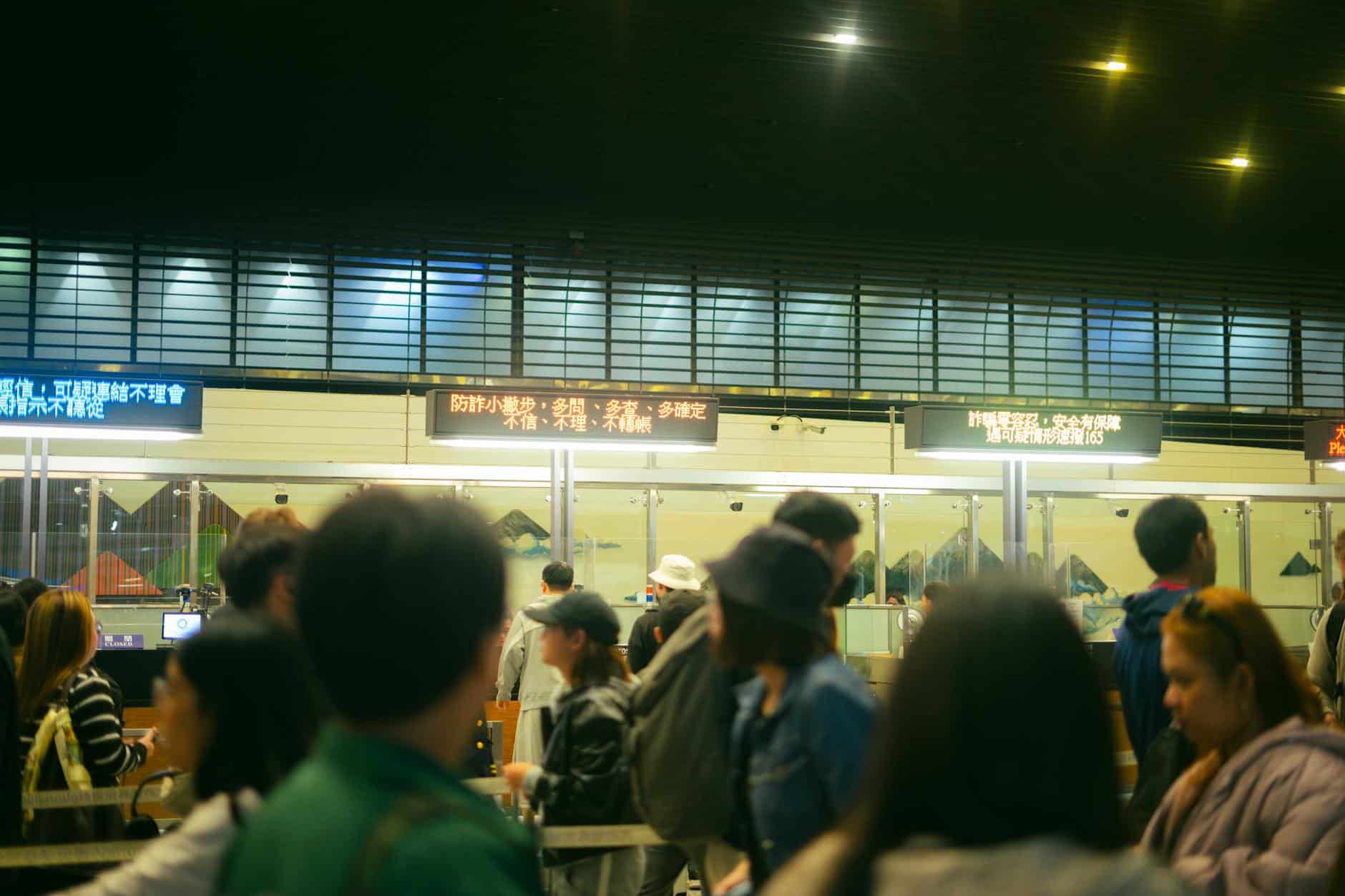
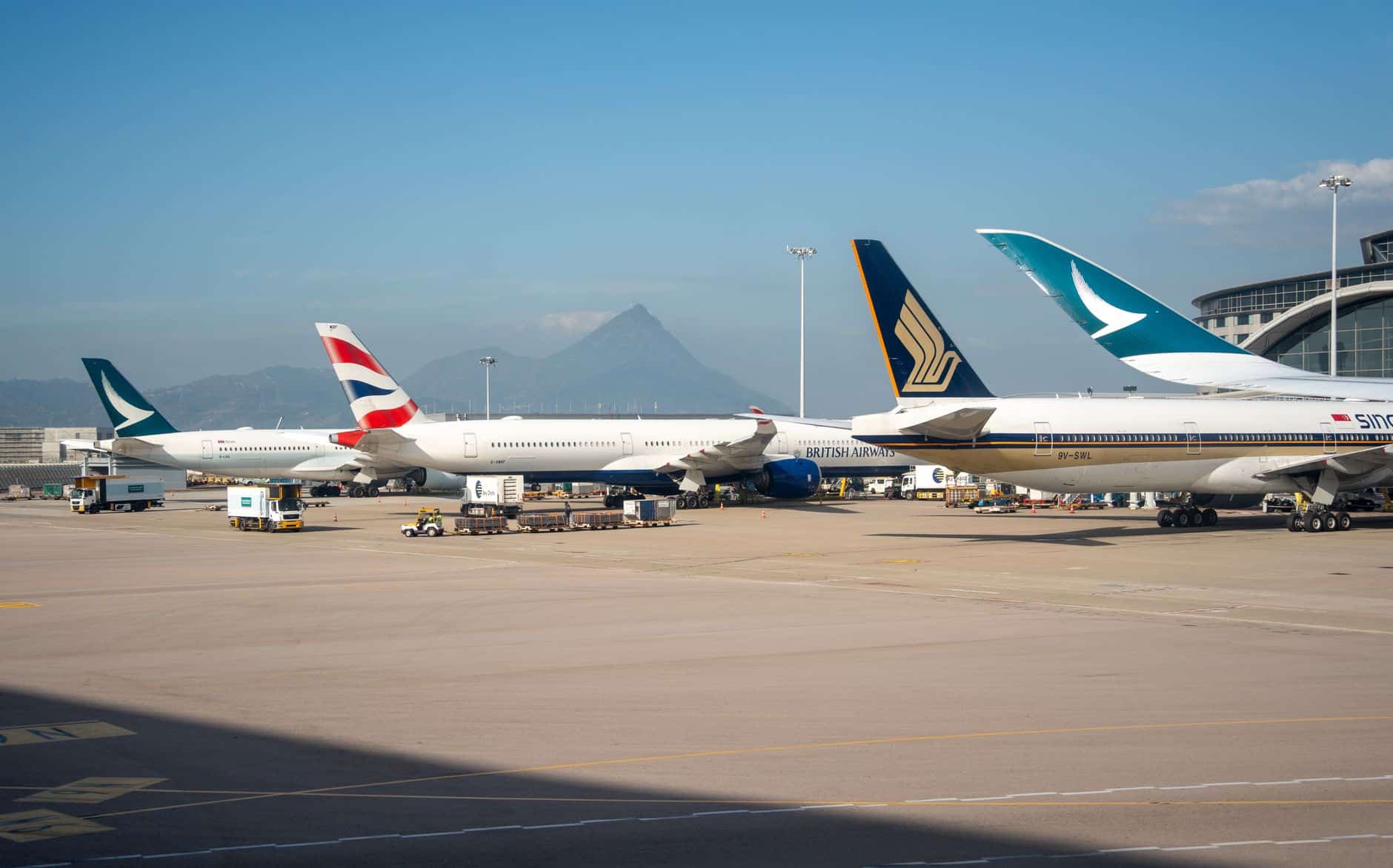
At most major international airports, business class passengers have a dedicated check-in lane. At some airports, this is a separate check-in area entirely, not just a shorter line. At Heathrow Terminal 5, British Airways has a separate building for first and business class check-in. At Changi Airport in Singapore, Singapore Airlines business class check-in is in a dedicated hall with individual check-in pods.
American airports are more variable. At JFK Terminal 4, international airlines have tiered check-in areas but they’re in the same terminal. At LAX, the Qantas and Singapore Airlines international terminals have dedicated premium lanes that genuinely move faster.
What changes at check-in:
- Checked baggage allowances are higher — typically 2–3 bags at higher weight limits (32kg per bag for many carriers vs. 23kg in economy).
- If you have a bag to check, the wait is shorter. Often significantly shorter.
- The check-in agent is typically less rushed and more attentive. This sounds small but it sets a psychological tone for the rest of the experience.
Before you even clear security, the experience is measurably different.
The Lounge — What It Is and Isn’t
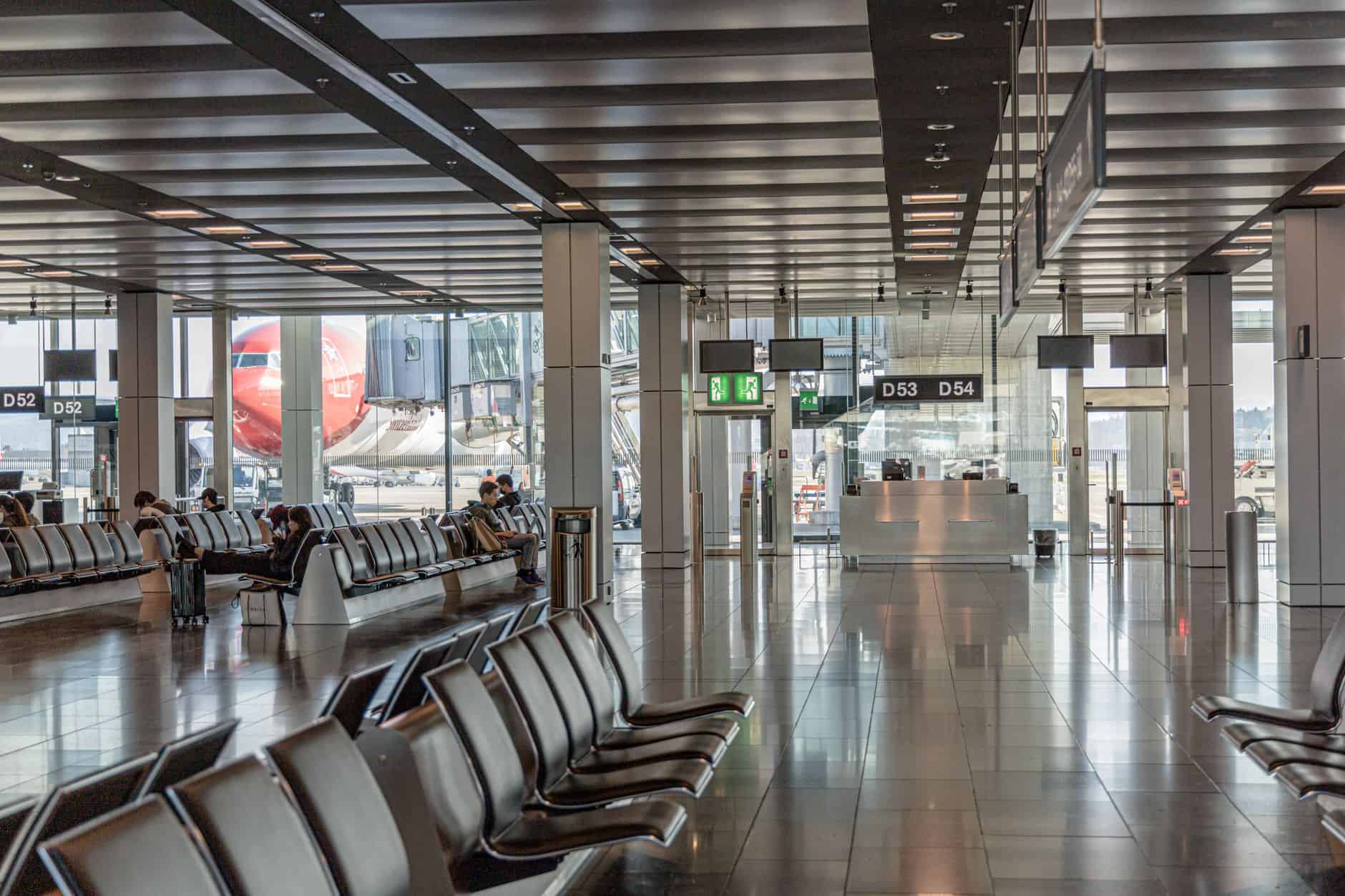
Business class tickets on almost all international carriers include lounge access. This is the part of business class travel that has the most mythology around it.
What airport lounges actually are:
- A quieter, less crowded space to wait for your flight
- Complimentary food — which ranges from a salad bar and packaged snacks to full restaurant-style hot meals depending on the carrier and airport
- Open bar — wines, beer, and spirits, plus soft drinks and specialty coffee
- Reliable, fast Wi-Fi
- Showers at some lounges (particularly for long-haul departures)
- More comfortable seating than the terminal
What airport lounges are not:
- Glamorous destinations in themselves — the best ones are pleasant and functional; they’re not spas or restaurants
- Universally the same quality — there is an enormous range from a windowless room with stale pretzels (some US domestic carrier lounges) to the Singapore Airlines SilverKris Lounge in Singapore with à la carte dining cooked to order
- Guaranteed to have what you need — some lounges are crowded, noisy, and under-resourced, particularly at peak times
The practical value of the lounge is most significant on long-haul trips. If you have a 3-hour layover in Frankfurt before a 12-hour flight, being able to eat a real meal, shower, and sit somewhere calm is genuinely restorative in a way that changes how you arrive.
For a 90-minute domestic connection, the lounge is a nice perk but not a life-changer.
Boarding and What Happens When You Find Your Seat
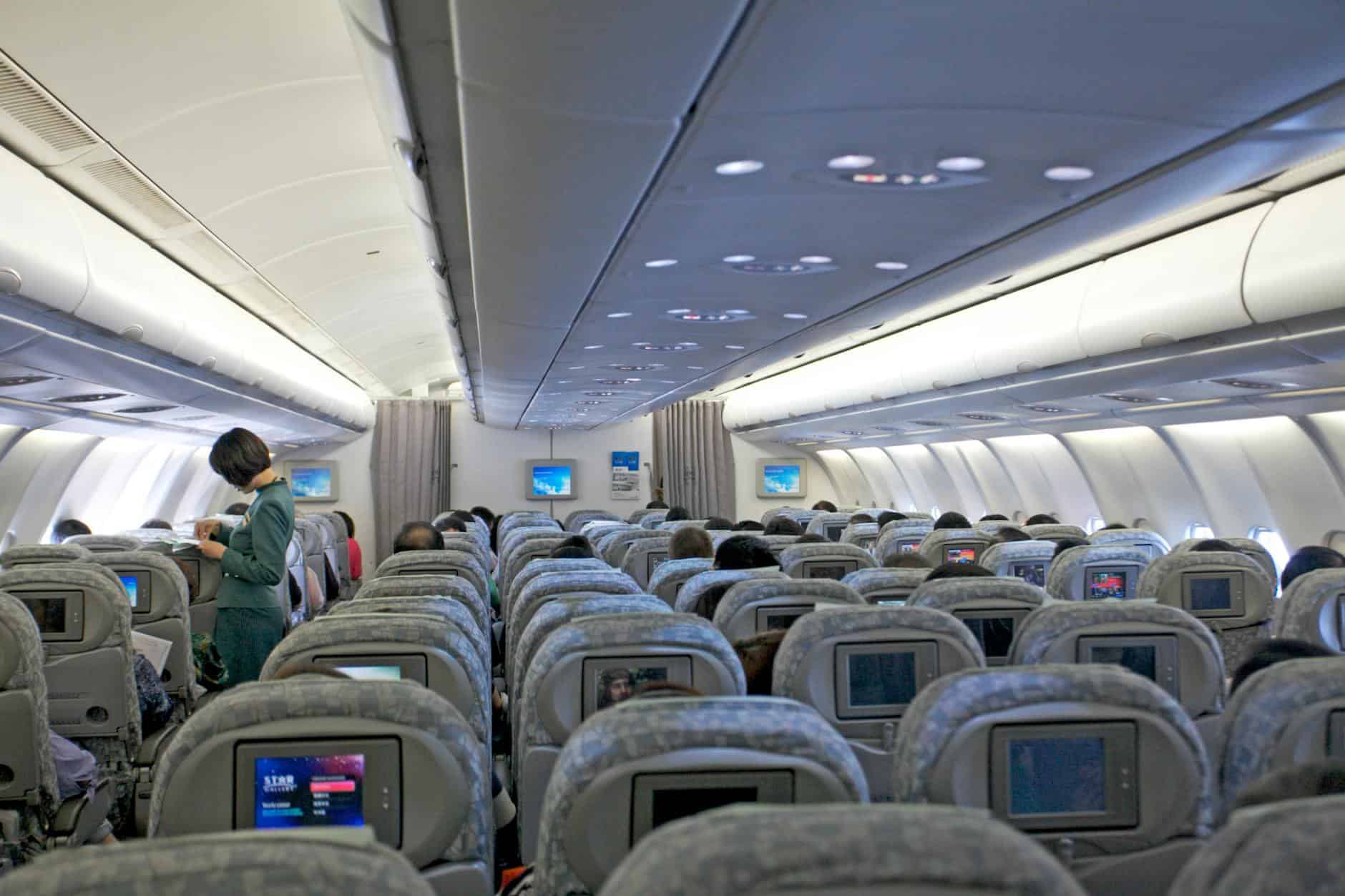
Business class passengers board first or second (after pre-boarding for families and people who need assistance). You will walk past the people waiting at the gate.
This is a small thing and also a weirdly significant one. The implicit status of the experience is real, and it takes some getting used to if you’re not accustomed to it.
You board the plane, turn left instead of right, and find your seat. And this is the moment where the experience either delivers or doesn’t, depending on the aircraft and the carrier.
The best international business class seats in the world — Singapore Airlines Suites, Qatar Airways Qsuites, ANA The Room — are genuinely extraordinary. They have full lie-flat beds with direct aisle access, privacy doors, substantial storage, and service that feels individual rather than industrial.
The worst business class products still flying — certain older aircraft with angle-flat seats that recline to about 170 degrees rather than 180 — are significantly better than premium economy or economy, but they’re not the experience you see in the glossy photos.
When you sit down in a good modern business class seat, a flight attendant typically comes by with:
- A welcome drink — champagne, water, juice, a cocktail
- A warm towel
- The menu for the flight
- Information about entertainment and connectivity
You will probably take a photo of your seat. Everyone does.
The Food — What It’s Actually Like
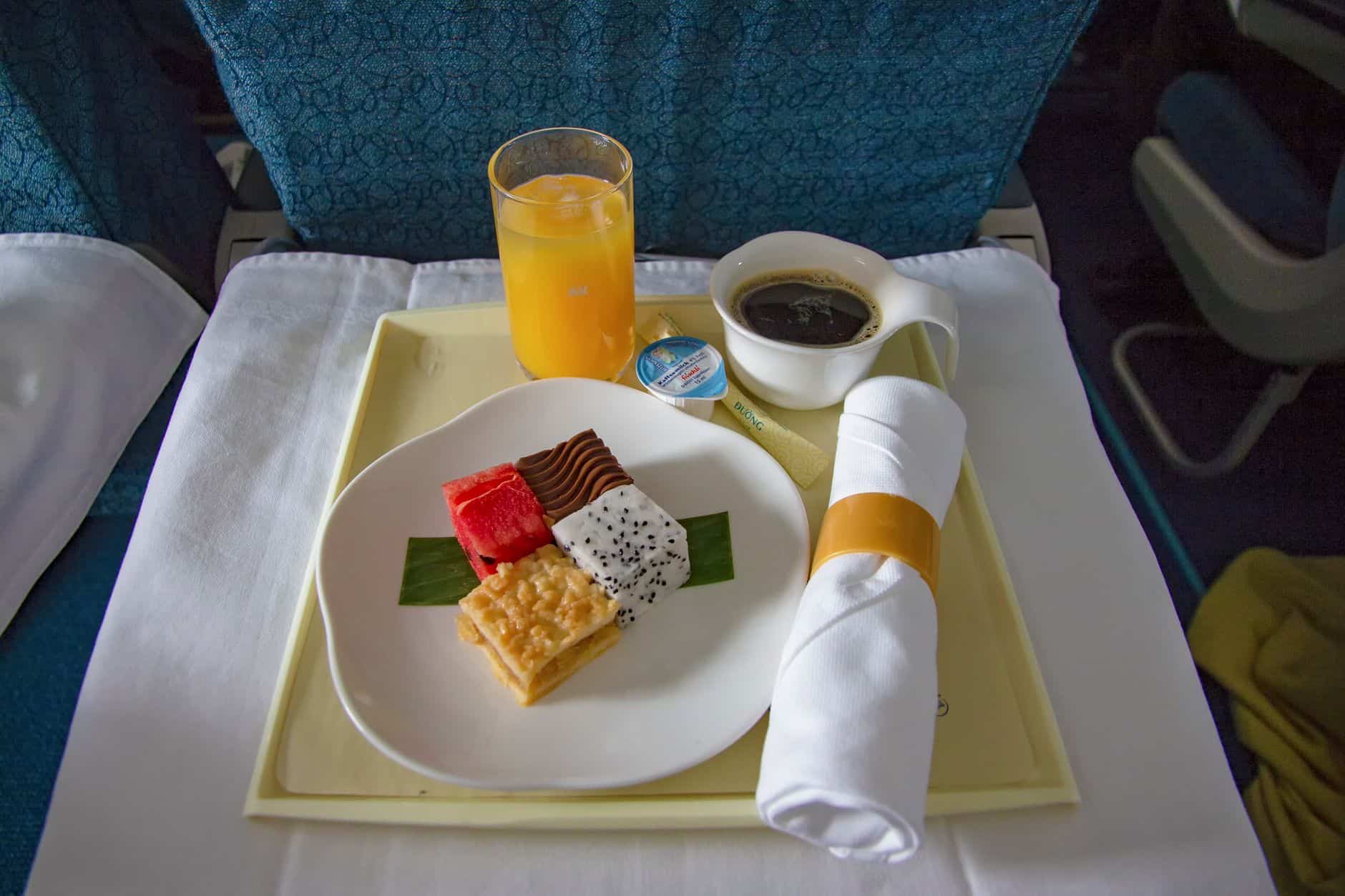
Airline food in business class varies enormously by carrier, and this is where the difference between a good and mediocre points redemption becomes apparent.
The carriers with genuinely exceptional food:
- Singapore Airlines — Partners with celebrity chefs, offers pre-flight dining, Book the Cook for certain routes allows you to order in advance from a premium menu
- Qatar Airways — Strong food quality, good Middle Eastern and Western options
- ANA — Exceptional Japanese cuisine options on flights to and from Japan
- Cathay Pacific — Consistently high-quality, with strong regional menu options
The carriers with serviceable but unremarkable food:
- Most American carriers (United Polaris has improved; American and Delta are fine but not destination-worthy)
- Some European carriers on certain routes
What the food experience is actually like:
- A starter course — typically salad or cold appetizer
- A bread basket with real bread, not wrapped crackers
- A main course — usually 3–4 options, often including a regional option and a lighter option
- A cheese course on some carriers
- Dessert
- Coffee and chocolates
This sounds indulgent and it is. The courses are smaller than a restaurant would serve, the galley limitations are real, and some dishes travel better than others. But the actual experience of being served a multi-course meal on real plates with metal cutlery at 35,000 feet is genuinely pleasant in a way that’s hard to convey without doing it.
The wine list is real and typically includes 3–5 options, sometimes curated by a wine consultant for the airline.
The Seat and the Sleep
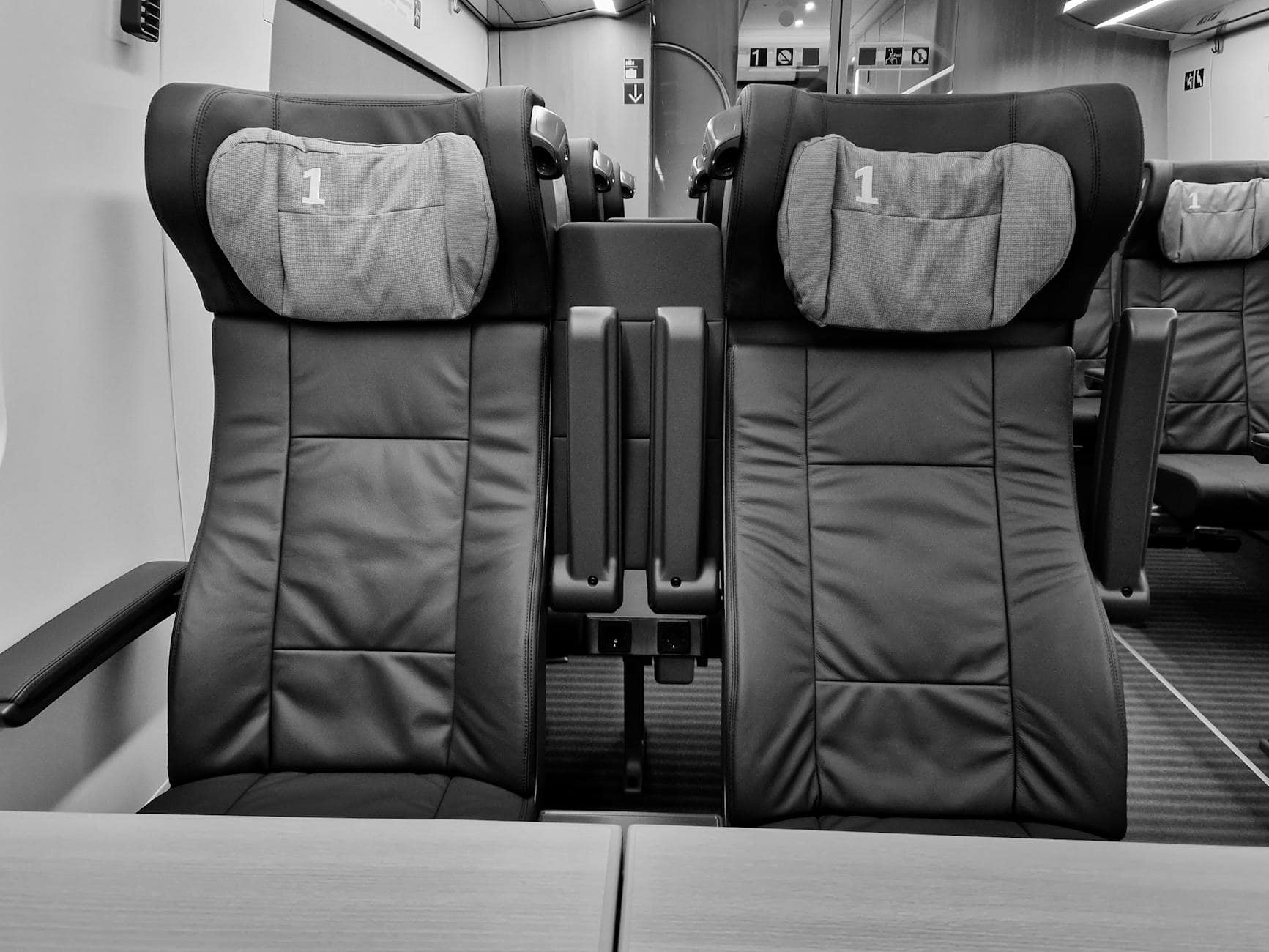
This is the reason people use points for long-haul business class rather than economy: sleep.
The lie-flat seat — on modern wide-body aircraft from most major international carriers — extends to a fully flat sleeping surface of roughly 6 to 6.5 feet. There’s a mattress topper, pillow, and blanket that are airline quality (good) rather than economy middle-seat quality (miserable).
For a flight of 8 hours or longer, the ability to sleep horizontally changes everything about how you feel when you land.
Here’s the honest math on this:
- In economy on a 12-hour flight, most people get 2–4 hours of fragmented, uncomfortable sleep and arrive exhausted.
- In business class with a lie-flat seat, most people get 5–7 hours of reasonable sleep and arrive functional.
If you’re arriving somewhere for a significant event — a wedding, a business meeting, a family occasion — arriving rested vs. wrecked has real value beyond the luxury factor.
For a short-haul flight (under 4 hours), the seat advantage is minimal. The lie-flat option isn’t as relevant for a flight you’ll spend mostly awake. This is why business class redemptions make the most financial and experiential sense on long-haul routes.
The Points Math — What ‘Free’ Actually Costs You
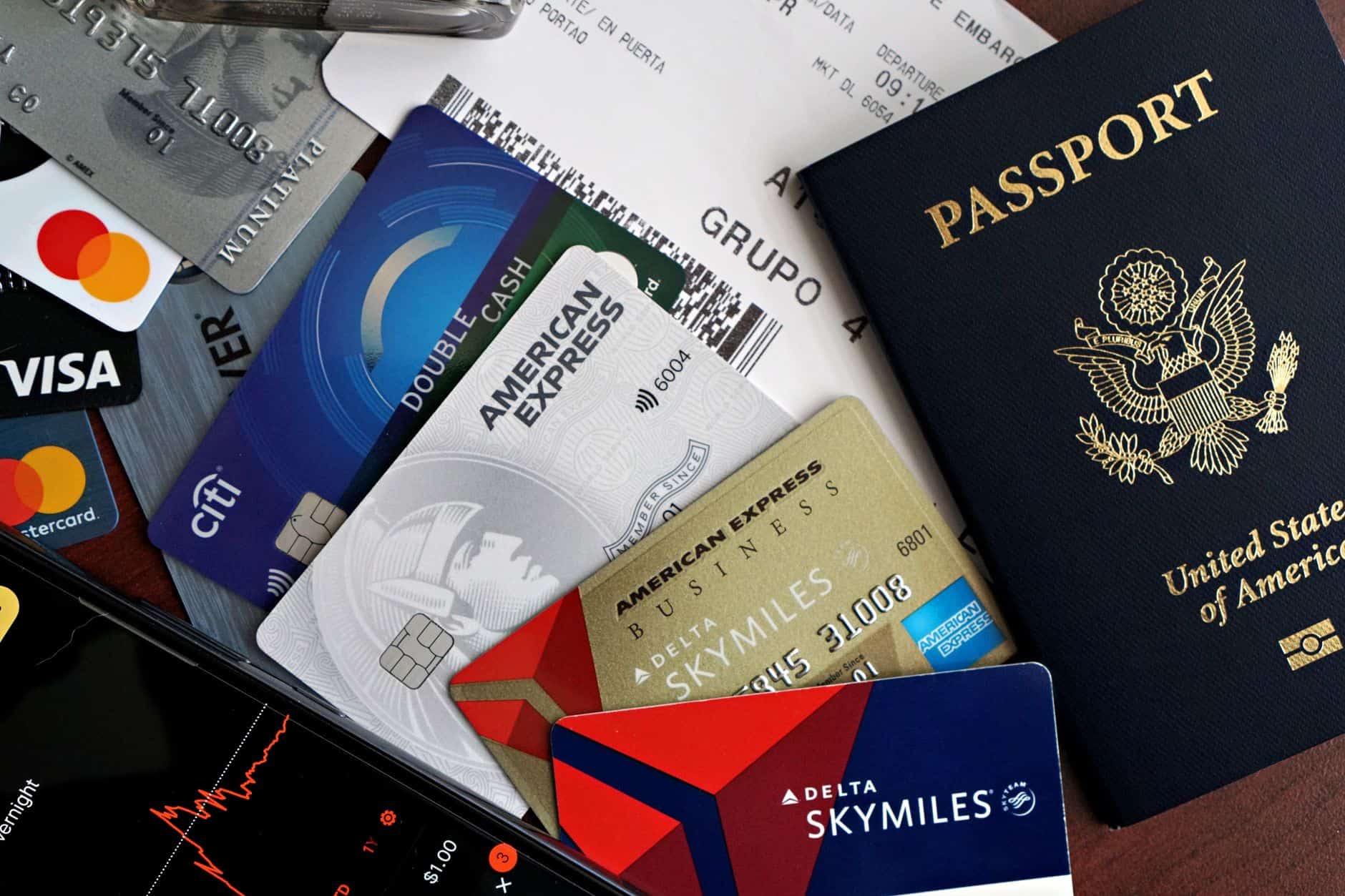
The word “free” in the travel points world requires qualification. Here’s what you’re actually spending:
- The points themselves have value — Points aren’t free to accumulate; they come from spending money on credit cards, staying at hotels, or flying. Chase Ultimate Rewards points are typically valued at 1.5–2 cents each by the points community. 60,000 points represents $900–$1,200 of value.
- Taxes and fees — Award tickets are never completely free. Taxes and carrier surcharges on international business class can range from $30 on some routes to $800+ on certain carriers (British Airways is notorious for high fuel surcharges). On a $4,500 ticket, you might pay $400 in fees with points. That’s still a 90% discount, but it’s not $0.
- Transfer bonuses and credit card annual fees — The cards that earn the best points (Chase Sapphire Reserve, Amex Platinum) carry annual fees of $550–$695. If you value the points you’re earning against that fee, the math changes.
The honest assessment: a business class seat that retails for $4,500 can typically be booked for 60,000–80,000 points plus $50–$400 in fees, depending on the carrier and route. If your points are worth 1.5 cents each, 70,000 points = $1,050 of points value + $200 fees = $1,250 equivalent. For a $4,500 seat, that’s real savings. The trip isn’t free, but it’s a significant discount on an experience you’d otherwise never buy.
What Nobody Tells You Before Your First Time
- You’ll feel out of place for about 20 minutes — This is normal. Business class cabins are smaller and the passengers tend to be business travelers who’ve done this hundreds of times. Nobody is looking at you, but it takes a little while to feel like you belong there.
- Ask for whatever you want — The cabin crew is there to serve you. Ask for a second dessert, ask for the menu earlier, ask about what’s on the wine list. You’re not being demanding; this is what the experience is for.
- Use the lounge strategically — Don’t eat a full meal in the lounge right before a flight where you want to eat the food. Pace yourself. The food on good long-haul business class is genuinely one of the pleasures of the experience.
- The pajamas are real — Many carriers (Qatar, Singapore, ANA, Cathay) provide pajamas and an amenity kit in business class. Changing into them before a night flight genuinely improves sleep quality.
- You may never want to fly economy long-haul again — This is the dark side of the first business class experience. Once you’ve slept flat on a 14-hour flight, the prospect of folding yourself into a 31-inch pitch seat for the same duration becomes significantly more painful. This is both the benefit and the cost of the experience.