These American Towns Exist Because of One Thing — and When That Thing Left, So Did Everything Else
We may earn money or products from the companies mentioned in this post. This means if you click on the link and purchase the item, I will receive a small commission at no extra cost to you ... you're just helping re-supply our family's travel fund.
Drive through enough of rural America and you start to recognize a specific kind of town. There’s a main street with several empty storefronts and one or two holdouts — a gas station, a dollar store, maybe a diner. There’s a school that’s clearly been there a long time and is maybe slightly too big for the current enrollment. And somewhere on the edge of town, there’s either a large building that’s humming with activity, or a large building that isn’t.
These are the single-industry towns. They exist because of a decision made by a government or a corporation decades ago — put a prison here, build a base there, site the plant in this county because the land was cheap. The town built itself around that decision. And when the decision gets revisited, the town finds out exactly how precarious the whole arrangement was.
These places are part of the real American landscape that most travel writing ignores. Here’s what’s actually happening in them.
The Prison Town Economy — How It Works and Why It’s Fragile
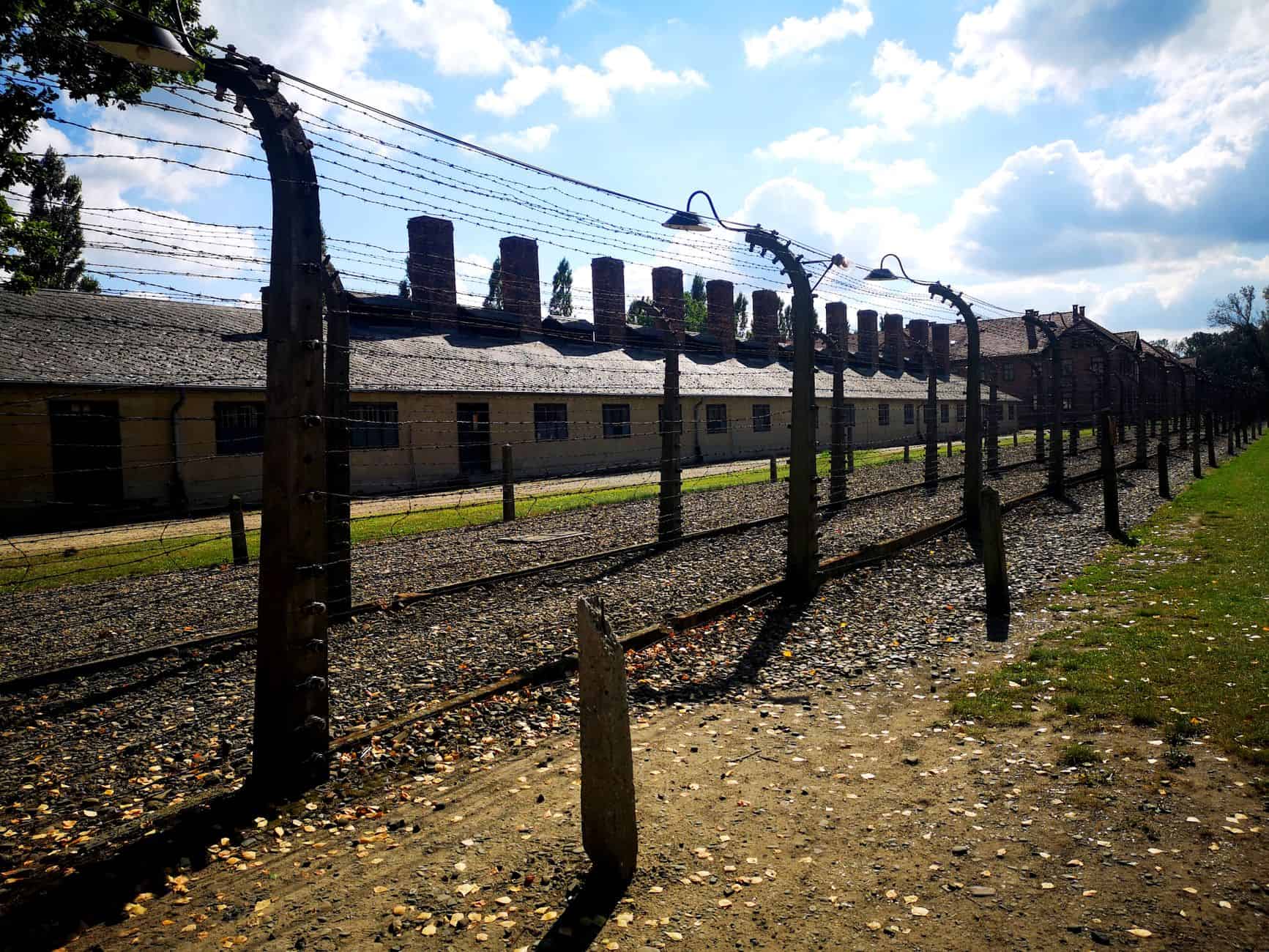
In the 1980s and 1990s, as mass incarceration expanded the US prison system, hundreds of rural communities lobbied hard for the right to host a new correctional facility. The pitch made sense at the time: a prison was a large, recession-proof employer that required significant support infrastructure. Guards, administrators, food service workers, maintenance staff — all steady jobs with government benefits in counties where manufacturing was already leaving.
Small towns across New York, Texas, rural California, and the upper Midwest built their economic models around prisons. Malone, New York (population ~6,000) has two prisons. The town of McFarland, California fought hard for a state prison and got one. Corcoran, California has two state prisons and a federal prison, and at one point employed more people in corrections than in any other sector.
Here’s the fragility:
- Prison populations are policy-dependent — When California implemented Proposition 47 in 2014, reducing penalties for nonviolent offenses, prison populations fell and facilities were closed or consolidated. Communities that had built their entire economies around those facilities faced sudden job losses with no alternative employer.
- The economic multiplier is weaker than expected — Research on prison economies has found that corrections facilities generate less local economic activity than projected. Prison staff often commute from larger towns. The inmates don’t shop locally. The local multiplier effect is modest.
- It inhibits other development — Towns labeled as “prison towns” find it harder to attract other businesses. The brand damage is real. No tech company or boutique retailer wants to set up shop in a town whose economic identity is built around incarceration.
When New York State began closing prisons under Governor Andrew Cuomo between 2011 and 2021, closing 19 facilities, the communities affected received transition assistance but the long-term outcomes were difficult. Towns like Ogdensburg and Chateaugay saw significant population loss in the years following closures.
Military Towns and What Base Realignment Actually Does to a Community
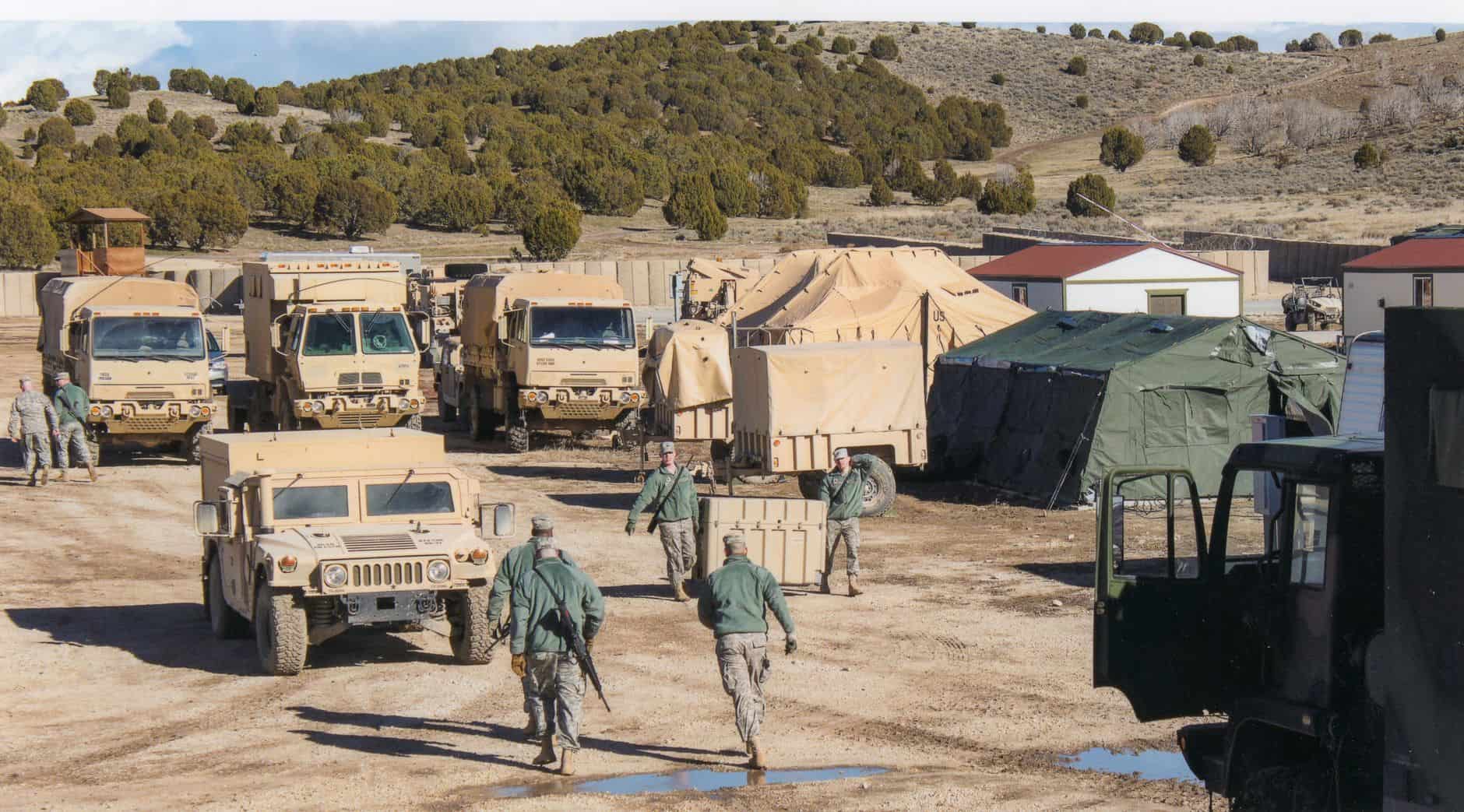
Base Realignment and Closure — BRAC — is the federal process by which the military closes, consolidates, or relocates its facilities. There have been five official BRAC rounds since 1988, and each one left a specific trail of economic disruption in communities that had built themselves around a military presence.
The towns that lost a base
Sacramento, California — specifically the city of North Highlands and areas around McClellan Air Force Base — experienced the closure of McClellan AFB in 2001 after BRAC. At its peak, McClellan employed 13,000 workers, both military and civilian. The closure took years and the recovery required significant reuse planning. McClellan is now a business park that houses hundreds of smaller employers, but it took over a decade to reach anything like its pre-closure employment level.
Baumholder, Germany — a small German town that hosts US Army forces — offers a different but instructive example. When US force levels in Germany were reduced post-Cold War, Baumholder lost significant population and commercial activity. The local economy had been so dependent on US service members and their families spending money in local businesses that the partial drawdown created visible commercial vacancy.
In the US, towns like Loring, Maine (Loring AFB, closed 1994) and Myrtle Beach, South Carolina (Myrtle Beach AFB, closed 1993) had to reinvent themselves. Loring became an industrial park and commercial airfield. Myrtle Beach had the advantage of existing tourism infrastructure, which gave it a path that many military towns don’t have.
The towns that still have a base
Fort Huachuca in Sierra Vista, Arizona; Fort Bragg in Fayetteville, North Carolina; Camp Lejeune in Jacksonville, North Carolina — these communities have organized their entire economies around a military presence and are keenly aware of what happens if the base footprint shrinks.
Jacksonville, NC is particularly instructive. With Camp Lejeune employing more than 55,000 military and civilian personnel, the local housing market, restaurant scene, retail economy, and school system all function in relation to military cycles. When units deploy, local businesses see revenue drops. When units return, they see spikes. The town’s economic heartbeat is external.
The Factory Towns That Never Recovered
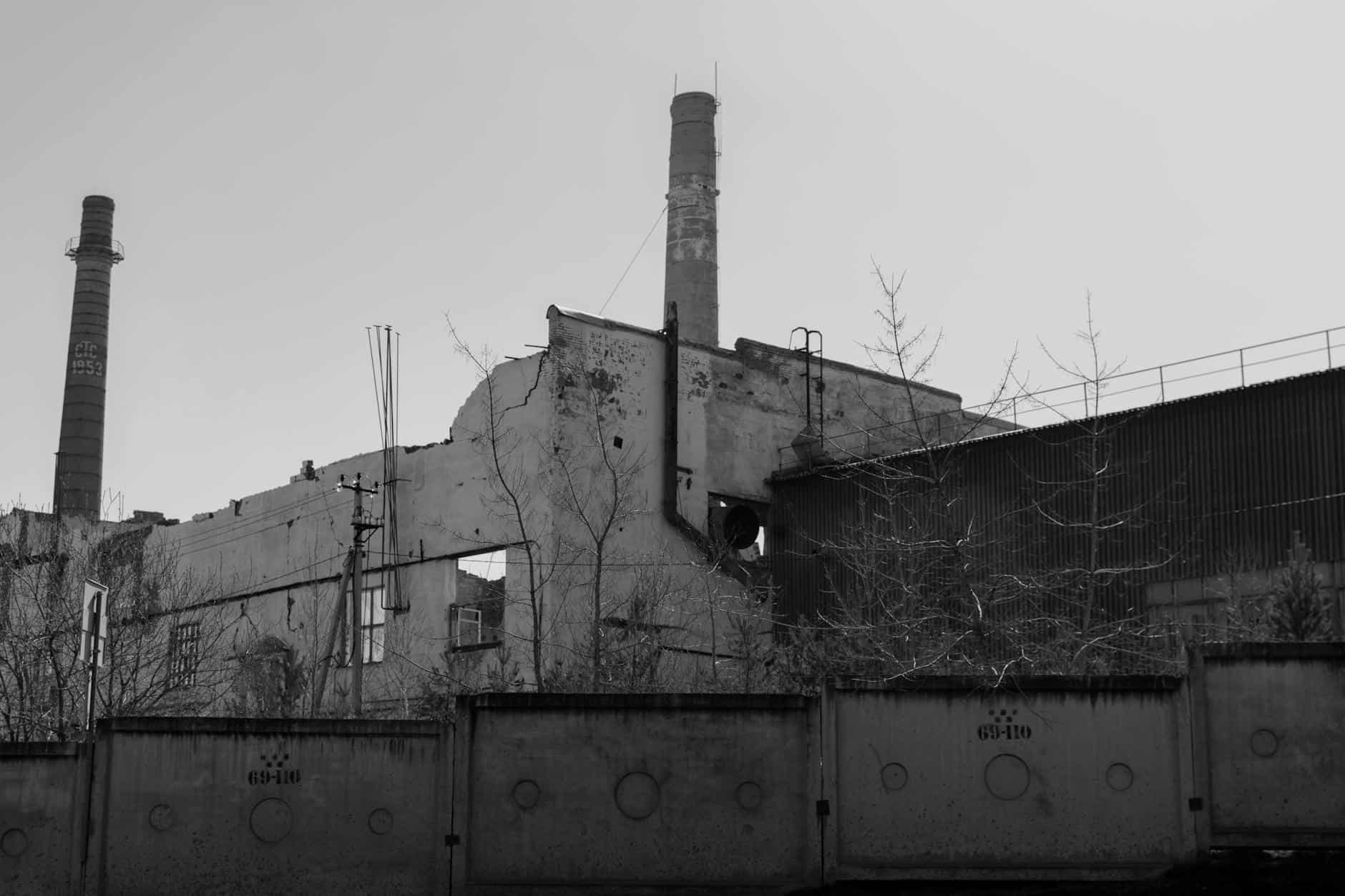
The rust belt narrative is familiar, but the specific mechanics of single-factory-town decline are worth understanding in detail:
- Lordstown, Ohio — The GM Lordstown Assembly plant employed up to 10,000 workers at its peak and anchored the economy of Trumbull County. When GM idled and then shuttered the plant between 2018 and 2019, the town and county faced a crisis. The plant was eventually taken over by Ultium Cells for EV battery production in 2022 — a genuine recovery story — but the intervening years caused significant economic damage and population loss.
- Kannapolis, North Carolina — This town was built by and for Pillowtex Corporation, once the largest towel and linen manufacturer in America. When Pillowtex declared bankruptcy and closed in 2003, laying off 4,800 workers in a single day, Kannapolis was effectively without an economic engine. The recovery required massive investment from North Carolina Research Campus and anchor employers in biotechnology and food science — a deliberate, expensive reinvention that not every town can undertake.
- Coffeyville, Kansas — Built around oil refining and later a Walmart distribution center, Coffeyville has experienced multiple cycles of economic disruption as both industries reduced their footprints. The city of roughly 9,000 people has struggled to maintain basic services through these cycles.
The Towns That Found a Way Through
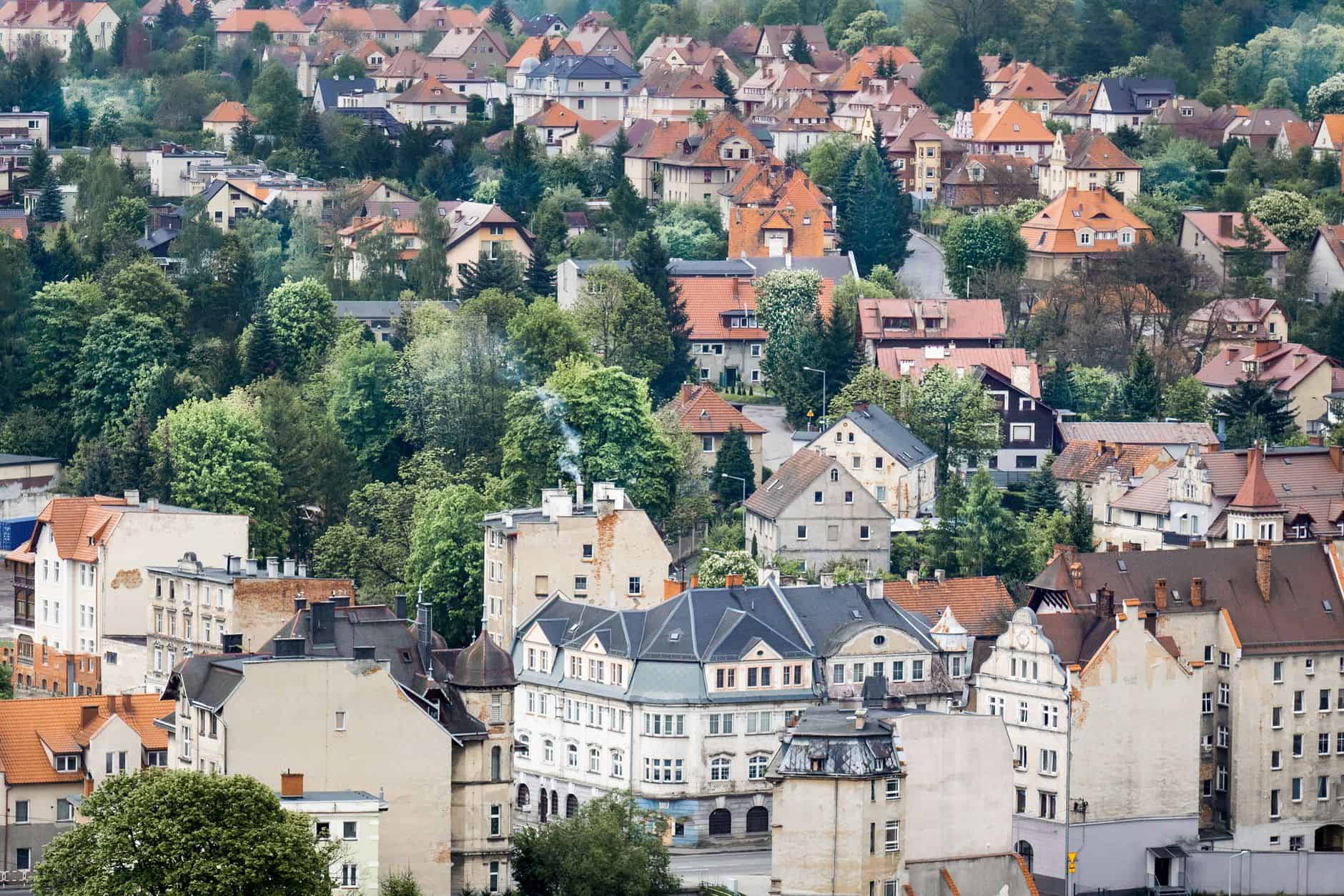
Not every single-industry town declines when its anchor departs. Some manage genuine reinvention:
- Greensburg, Kansas — After being destroyed by a tornado in 2007, Greensburg could have simply not been rebuilt. Instead, the community chose to rebuild as a model sustainable city, powered by renewable energy. The town became a destination for sustainability tourism and attracted a different kind of economic activity.
- Braddock, Pennsylvania — A steel town that lost its mill, Braddock has become a case study in urban homesteading and arts-based revitalization. The mayor (later Pennsylvania’s Lieutenant Governor) ran a high-profile effort to attract young creatives and entrepreneurs with cheap real estate. Results are mixed but it’s more populated and economically active than pure decline would have predicted.
- Bentonville, Arkansas — Built entirely around Walmart’s headquarters, Bentonville has used Walmart’s wealth and the Crystal Bridges Museum of American Art (funded by the Walton family) to build a genuine tourism and arts economy alongside the retail giant. It’s an unusual example of a company town that has diversified its identity.
What These Towns Look Like From the Outside — and the Inside
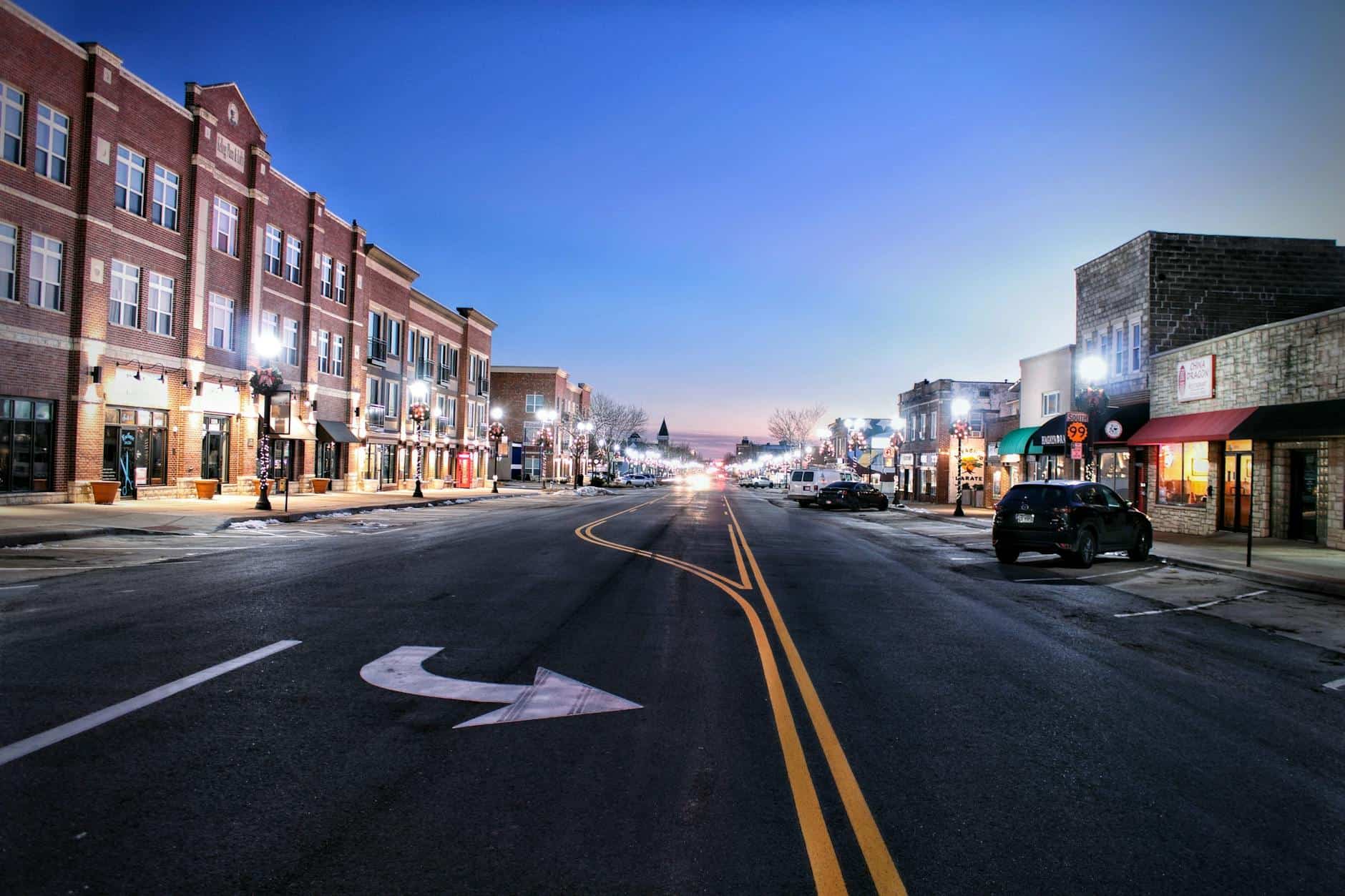
As a traveler passing through or visiting, a single-industry town has a specific texture:
- The main street will have a mix of thriving businesses near the anchor employer and declining ones further away
- The housing stock will be age-uniform — everything built at the same time, when the industry arrived
- The school name is often sponsored by or named after the dominant employer
- The local newspaper, if one still exists, will have covered the same employer extensively for decades
- Residents will have sharply divided opinions about the employer — the gratitude of dependence and the resentment of it coexist
The Ones Worth Visiting (and What You’ll Find There)
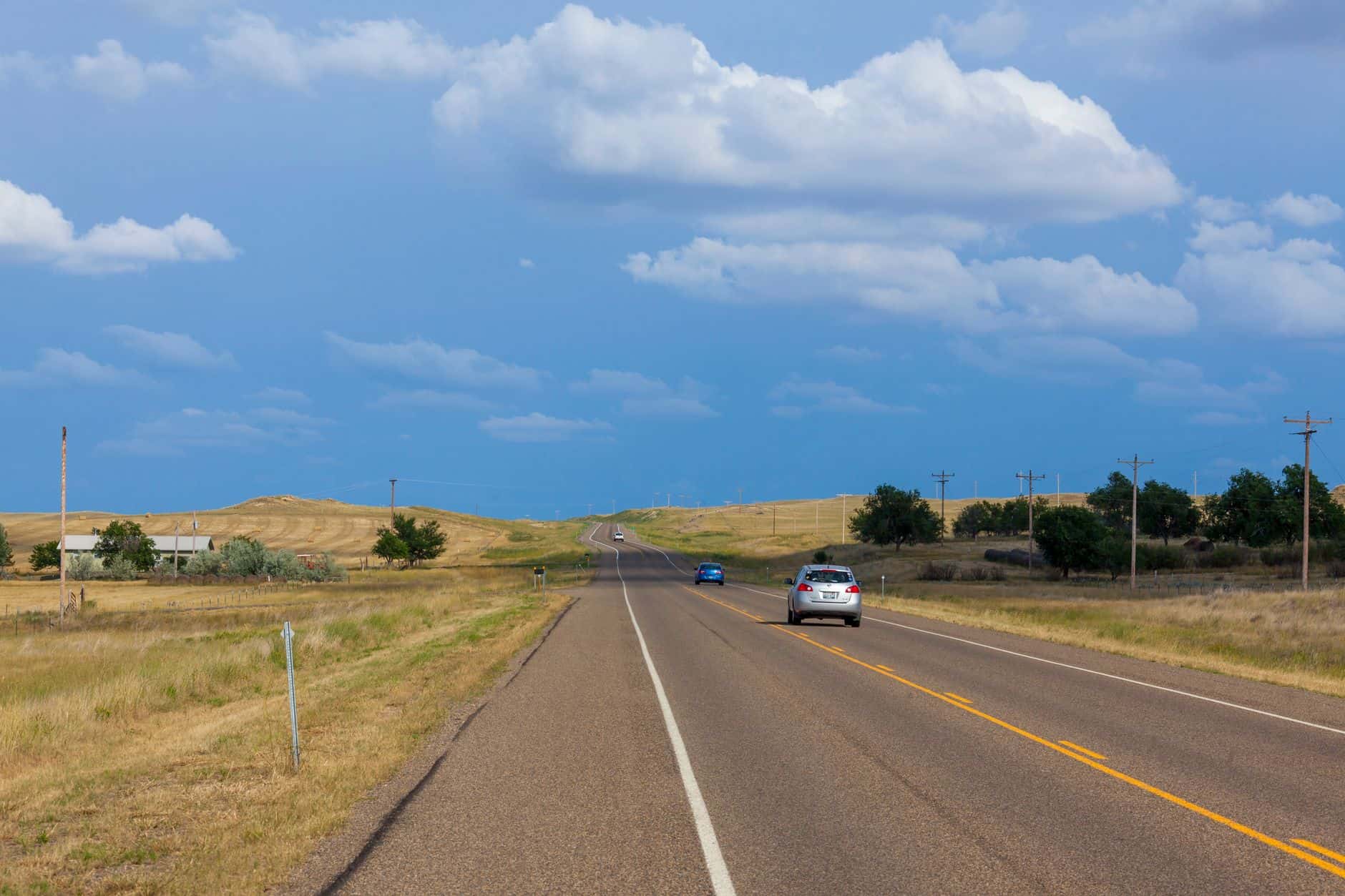
If you’re driving through America and want to understand the real economic geography of the country, these towns are worth a detour:
- McKeesport, Pennsylvania — Once the “Tube City” of US Steel. The remnants of industrial infrastructure along the Monongahela River are historically significant and photographically striking.
- Centralia, Pennsylvania — A coal mining town where an underground fire has been burning since 1962. Most residents were relocated; the town is essentially abandoned and has become a dark tourism destination with a ghost-town atmosphere.
- Corbin, Kentucky — Known primarily as the birthplace of Kentucky Fried Chicken (the original Harland Sanders restaurant is there), but also a good example of an Appalachian town that has navigated deindustrialization with mixed success.
- Bentonville, Arkansas — Worth visiting specifically because of how it has used Walmart money to build something culturally interesting. Crystal Bridges Museum is genuinely world-class.
These towns tell you something about America that the national parks and destination cities don’t. The forces that shaped them are real, ongoing, and human in scale.