What Do the French Really Think of American Tourists? 11 Candid Truths
We may earn money or products from the companies mentioned in this post. This means if you click on the link and purchase the item, I will receive a small commission at no extra cost to you ... you're just helping re-supply our family's travel fund.
Worried the French secretly dislike American tourists? You are not alone. From fears of being judged for speaking English to concerns about cultural missteps, many travelers stress about visiting France. We spoke with locals and experienced visitors to uncover what the French really think. These ten candid truths reveal how Americans are truly perceived and offer insight into what makes them welcome guests in France.
The French Actually Like American
Americans are still some of the most liked tourists in France. Locals appreciate their friendliness, curiosity, and energy. Shop owners and guides often mention how their enthusiasm feels refreshing. While big smiles and upbeat greetings may feel excessive at first, they are usually received warmly. Americans’ genuine excitement for French culture leaves a positive impression that outweighs stereotypes.
They Don’t Judge You for U.S. Politics

French people are highly aware of U.S. politics but do not hold tourists accountable for it. They separate a country’s policies from its citizens. Locals may ask about political issues out of curiosity, not judgment. Travelers are rarely blamed for leadership decisions. Instead, conversations often become thoughtful exchanges where Americans share perspectives, making politics a talking point rather than a source of conflict.
Loud and Demanding? That’s a Sore Spot
Volume and entitlement are frequent complaints. Americans often speak loudly in cafés or rush service at restaurants. Requests for custom dishes can frustrate staff. Yet these are seen as cultural differences rather than personal flaws. Small changes help: lower your voice, greet staff politely, and adapt to slower service. These gestures ease friction and show respect for local customs.
Parisians Are Nicer Than Expected
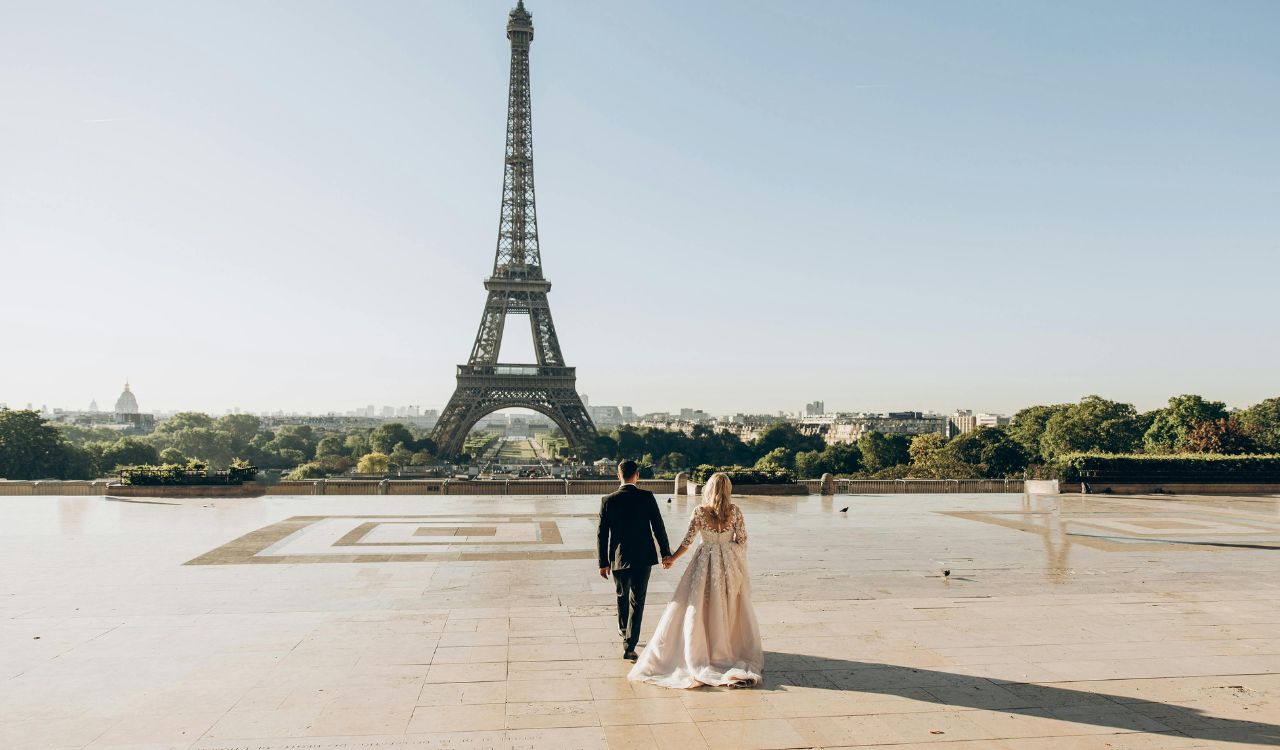
Many Americans expect rudeness in Paris but are surprised to find kindness. Locals can seem reserved, but they warm quickly when approached respectfully. Travelers often report helpful shopkeepers and patient waiters. Smiling, using greetings, and attempting basic French phrases make a big difference. Far from cold or hostile, Parisians often reward politeness with friendliness, overturning the myth of the perpetually rude Parisian.
The Pace of Life Is Different

French culture values leisure and balance. Meals are unhurried, weekends are work-free, and coffee is enjoyed seated. For Americans used to constant movement, this can feel slow, but it is intentional. Visitors often learn to enjoy this shift, embracing café afternoons and long strolls. Adapting to France’s slower rhythm not only reduces stress but also deepens appreciation for its relaxed lifestyle.
Basic Manners Go a Long Way
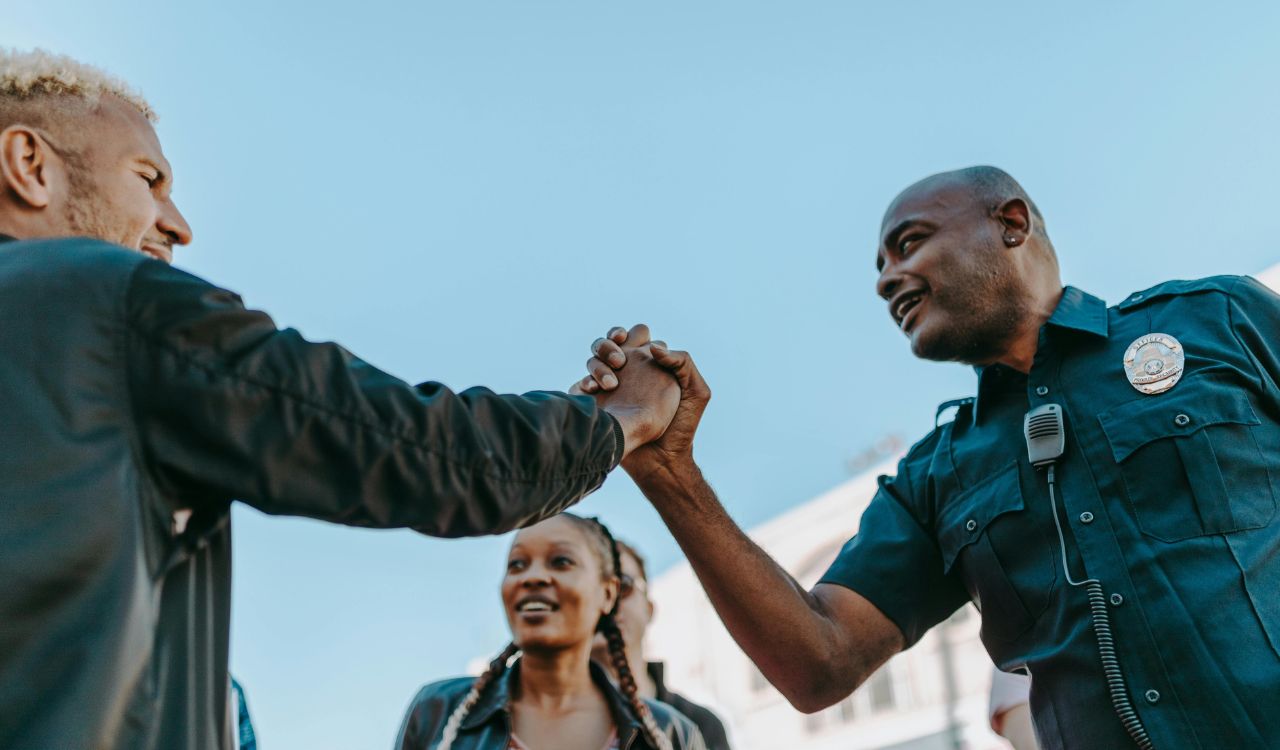
Simple courtesies make a big impact. Learning just a few phrases such as bonjour, merci, and s’il vous plaît helps enormously. Greeting shopkeepers before speaking is customary and signals respect. Even broken French is welcomed because it shows effort. Locals respond warmly to polite travelers. Small gestures like these create smoother interactions and demonstrate that you value French culture and etiquette.
Stop Trying to Do Paris in Three Days
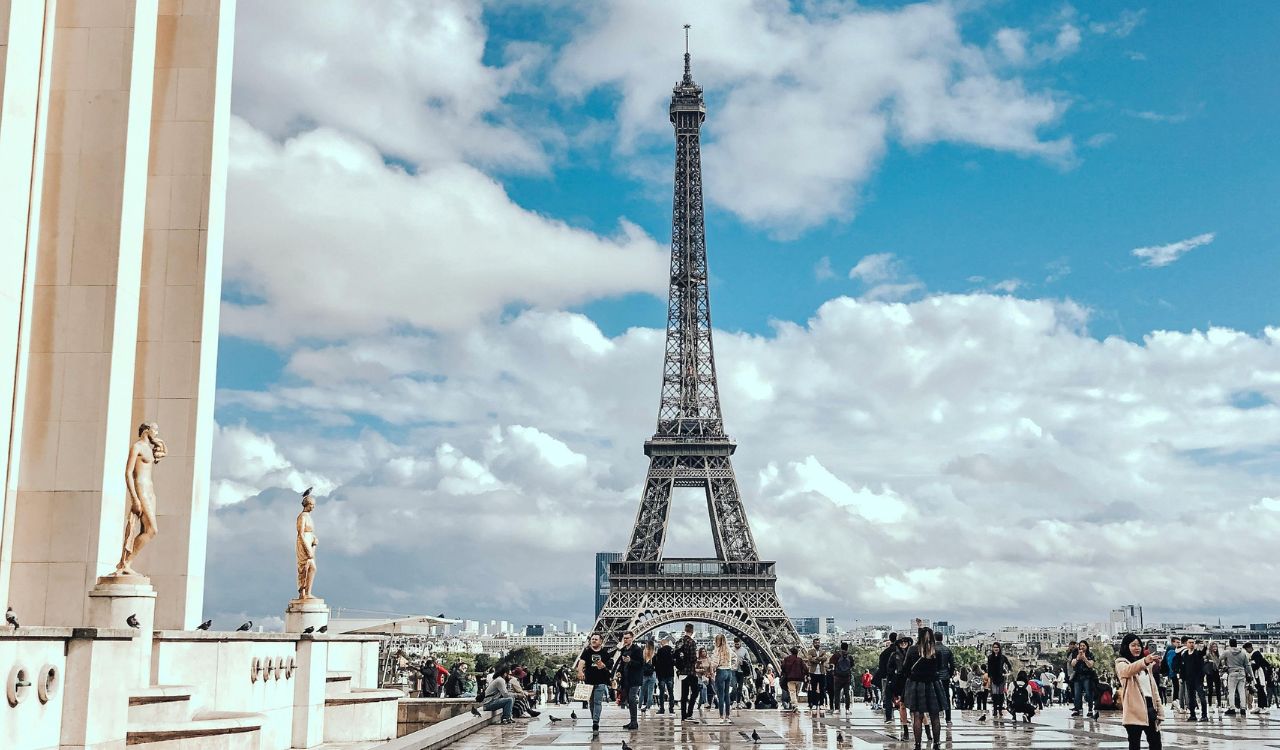
Paris cannot be fully explored in a single trip. Many visitors try to cram in every landmark, only to feel exhausted. Locals and repeat travelers recommend focusing on fewer neighborhoods and slowing down. Savor moments in cafés, enjoy hidden corners, and take time to watch life unfold. A slower pace allows for deeper connections and a more rewarding experience.
Older Travelers Often Feel Valued
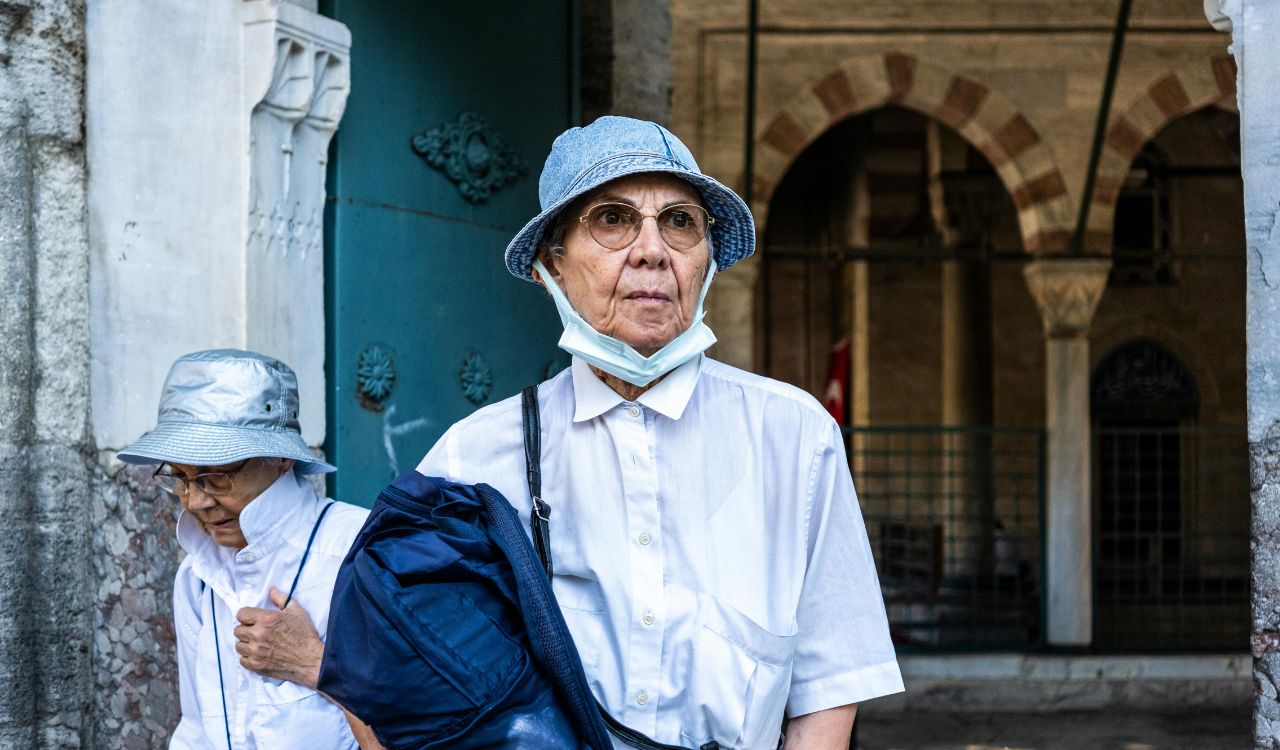
France is very welcoming to older visitors. Many senior travelers report receiving extra kindness, especially in restaurants, hotels, and museums. Politeness and patience from locals create a positive atmosphere for them. In a culture that values respect for age, older tourists often feel especially comfortable and cared for, proving that travel in France is enjoyable and accessible at any stage of life.
Your Mindset Matters Most

Your attitude greatly shapes your experience. Travelers expecting rudeness often notice it, while those approaching locals with openness are met with kindness. France reflects what you bring. If you engage with curiosity and patience, most interactions are positive. Expecting connection rather than conflict makes travel richer and helps bridge cultural gaps, creating more genuine and enjoyable encounters throughout your trip.
Americans Are Definitely Still Welcome
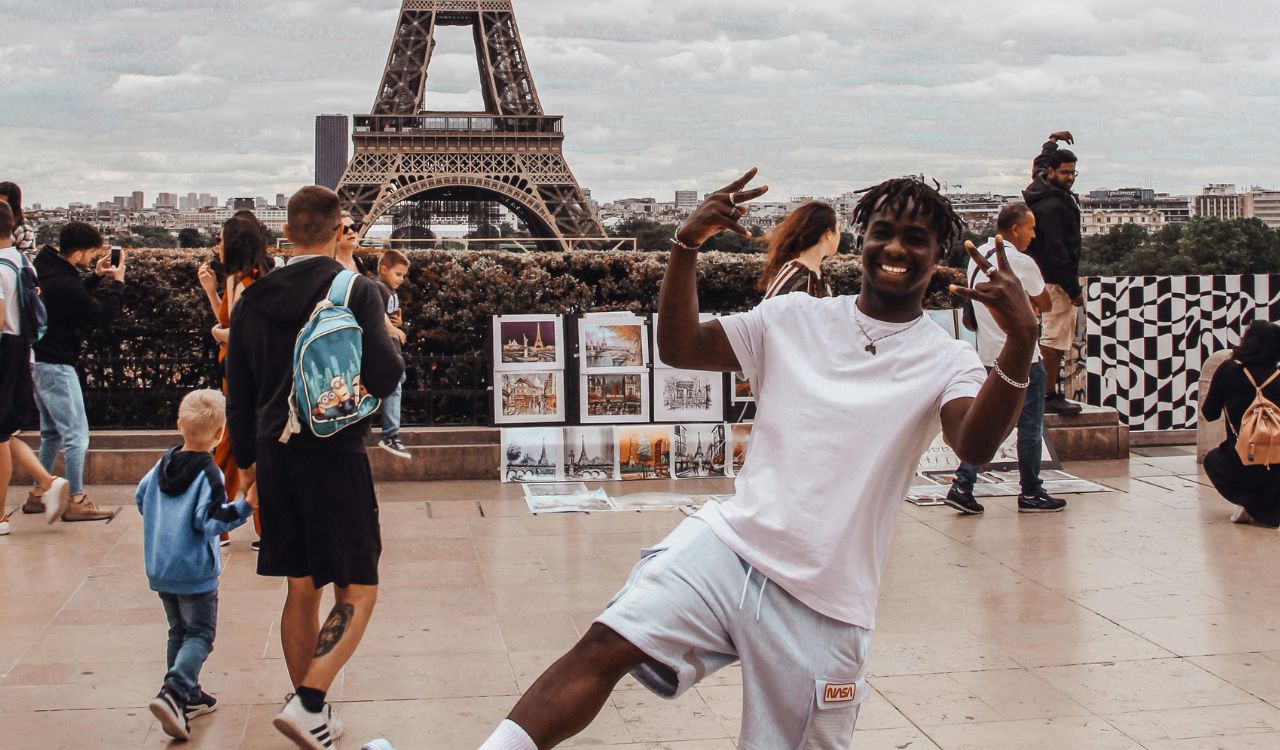
Despite stereotypes, Americans remain warmly received. Locals often prefer them over other tourists because they arrive eager to explore and learn. While lowering your voice and showing patience helps, friendliness matters most. The French value visitors who respect their culture. With humility, politeness, and interest in local life, Americans are embraced not just as tourists but as welcome guests in France.
Learn a Few Handy Phrases

A short toolkit of essentials makes interactions smoother: start with Bonjour when entering, follow with s’il vous plaît for requests, and close with merci, bonne journée on the way out. Even simple efforts lower defenses and invite warmer help, and most locals gladly switch to English after a polite French opening.
Most Locals Appreciate Cultural Curiosity
Asking thoughtful questions about food, art, history, or daily life is viewed as respectful and engaging. French people enjoy conversations with visitors who show curiosity about how things work, why certain customs matter, or where locals love to spend their time. You don’t need perfect French to create meaningful exchanges. Showing interest in small details, traditions, or regional specialties makes locals feel seen and valued. That openness often leads to memorable conversations, insider tips, and warmer hospitality.