What Other Countries Think ‘American Food’ Is — And Why It Barely Resembles What We Actually Eat
We may earn money or products from the companies mentioned in this post. This means if you click on the link and purchase the item, I will receive a small commission at no extra cost to you ... you're just helping re-supply our family's travel fund.
There’s a restaurant in Tokyo that serves something it calls a “California Burger.” It has a patty, a bun, and a slice of what appears to be processed cheese. It also has teriyaki sauce, a fried egg, and what the menu describes as “fresh vegetables” — a single piece of iceberg lettuce. It’s not bad. It has nothing to do with California.
This is the experience of American food abroad, and it’s one of the more revealing travel observations you can make. The way other countries imagine, reconstruct, and market “American food” tells you a great deal about what America means to them — the mythology, the gaps in the information, and the ways that American culture exports its image more effectively than its actual cuisine.
Here’s a country-by-country, dish-by-dish look at what happens to American food when it crosses the ocean.
The American Burger Abroad — What It Gets Right and Wrong
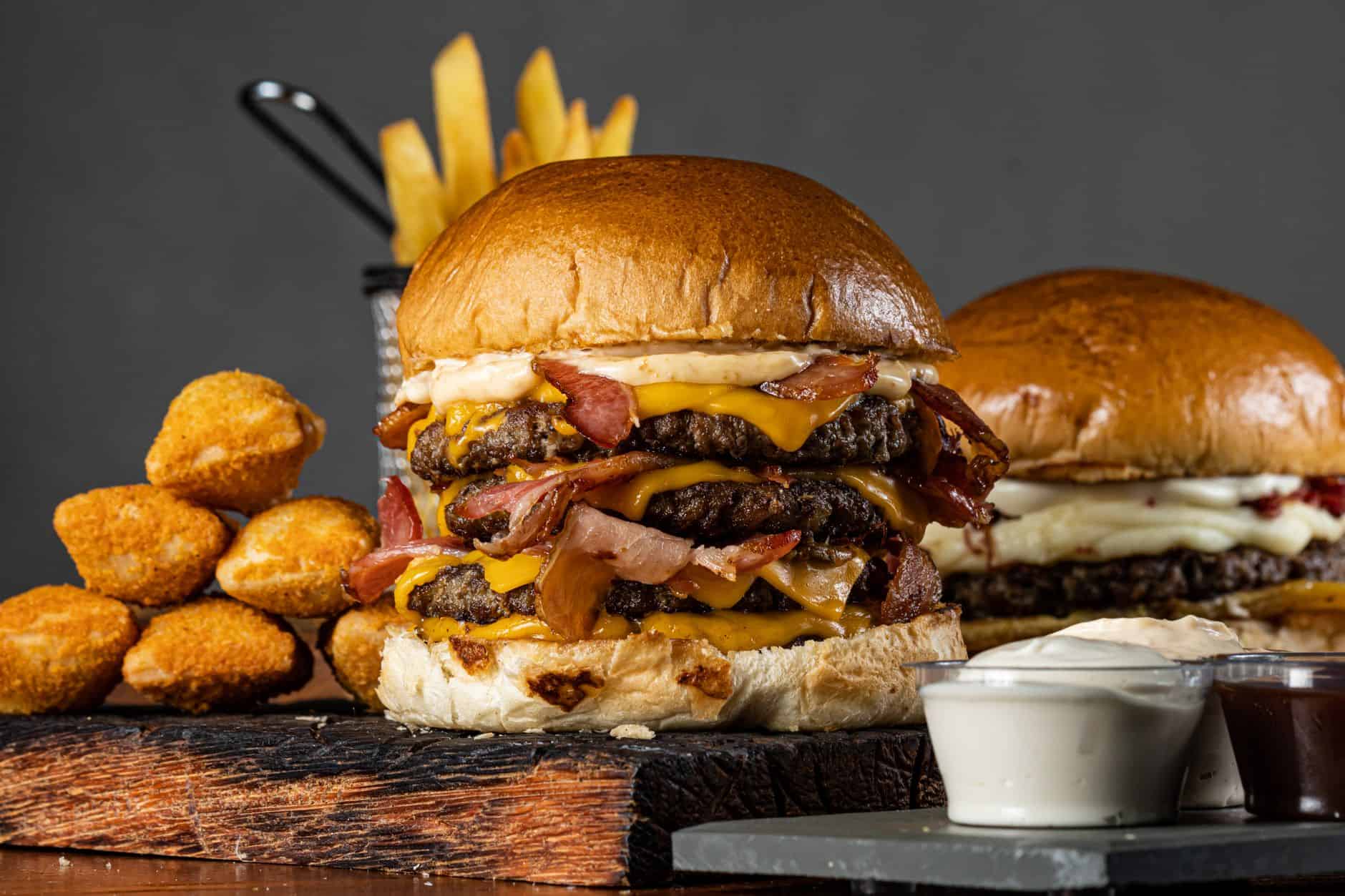
The hamburger is the most globally recognizable American food and therefore the most globally misinterpreted.
Japan
Japan has embraced the American burger with a kind of reverent perfectionism that often produces something technically excellent but culinarily Japanese. The cheese is often not American cheese — it’s Japanese processed cheese, which has a slightly sweeter, milder flavor. The bun may be a milk bread bun (shokupan-style), which is fluffier and sweeter than an American brioche bun. Toppings frequently include teriyaki glaze, fried egg, or tonkatsu sauce.
What’s missing: American-style bacon, real diner-style burgers smashed on a flat griddle, and the general greasiness that Americans accept as a feature, not a bug.
What’s better: The beef quality is often excellent. The bun quality is frequently superior. The overall execution is careful in a way that fast-casual American burgers often aren’t.
Germany and much of Central Europe
Germany has developed a robust burger culture, and the versions found in German burger chains are fairly close to American originals. The exception: portion sizes are often smaller, the default condiment is frequently a house sauce rather than ketchup, and the fries are almost always thinner than American-style.
The most notable deviation is the prevalence of non-American toppings. German burgers frequently feature jalapeño peppers, guacamole, or BBQ sauce as standard options — items that American burgers include regionally but not universally.
India
McDonald’s India offers the McAloo Tikki — a spiced potato patty burger — instead of beef or pork. This is not a compromise; it’s an excellent sandwich. But it represents the localization challenge of American food globally. The American burger is, at its foundation, a beef product. In countries where beef is restricted culturally or religiously, the “American burger” becomes something structurally American but substantively different.
The Barbecue Problem
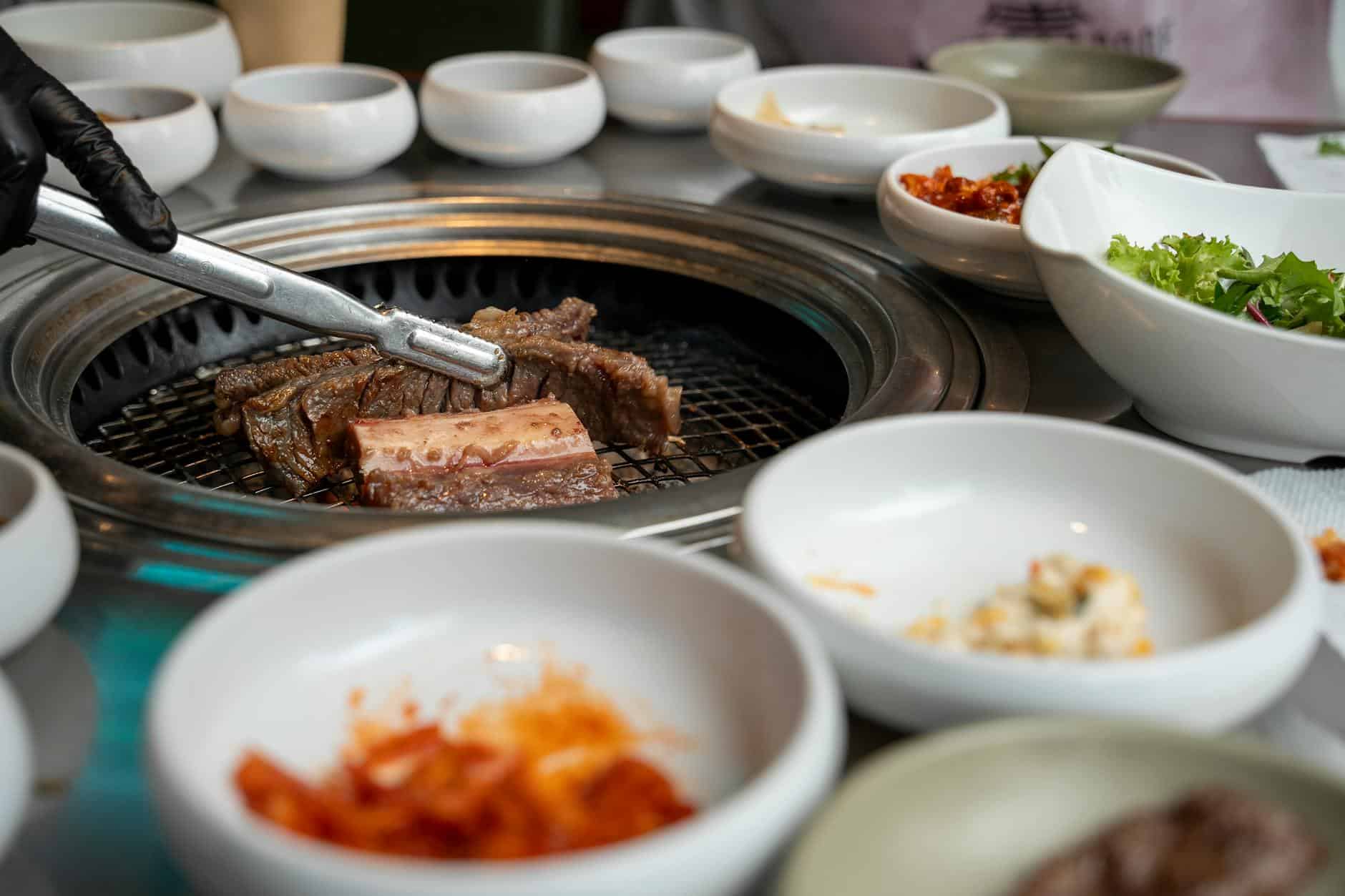
American BBQ is probably the single hardest American food to export accurately, and the international versions of it are consistently the most divergent from the original.
American BBQ is not a single thing — it’s four or five regional traditions (Texas brisket, Carolina pulled pork, Kansas City ribs and sauce, Memphis dry rub) that differ significantly from one another. Internationally, “American BBQ” gets collapsed into a single imagined thing, usually involving:
- Ribs with a sweet, thick sauce
- Pulled pork (sometimes)
- A smoky flavor that often comes from liquid smoke or sauce rather than actual smoke
- Sides that may or may not bear any resemblance to American BBQ sides (coleslaw sometimes survives; mac and cheese rarely does; hush puppies almost never do)
In the UK, “American BBQ” restaurants are a genuine genre with dedicated chains. Most serve something that approximates the look and sauce profile of American BBQ but has been adjusted for British ingredient availability and taste preferences. The meat quality varies. The smoke is often absent. The sides have been anglicized — you may get chips (fries) instead of cornbread.
In Southeast Asia, “American BBQ” often means ribs with a soy-based or hoisin-adjacent sauce that is marketed as BBQ sauce. The flavor profile is recognizably Asian, the presentation is American. It’s genuinely its own cuisine at this point.
American Breakfast Outside America

The “American breakfast” — eggs, bacon or sausage, toast, hash browns or home fries, and pancakes or French toast if you’re going big — is one of the more transportable American food exports in concept, but the execution reveals a lot about what local ingredients and habits shape food culture.
The bacon question
In most countries outside North America, “bacon” means something different. UK back bacon is a specific cut with a round of lean meat and a strip of fat — not the strip bacon Americans default to. In continental Europe, what’s called bacon is often closer to what Americans would call lardons or pancetta. The American-style strip of bacon (from the pork belly) is genuinely unusual outside of North America and is often the element of an “American breakfast” that’s most obviously off when served abroad.
The egg preparation issue
Over easy eggs — the American diner default — are not common outside North America. In many countries, “fried egg” means a fully cooked, no-runny-yolk egg. Asking for over-easy in a UK café will get you a confused look or, more often, a fully cooked egg with an apology. The sunny-side-up vs. over-easy distinction is an American specificity that doesn’t travel.
The pancake situation
American pancakes (thick, fluffy, served in stacks with butter and syrup) have been exported successfully to many markets, but the syrup situation varies. American maple syrup is expensive outside North America. Many international “American pancake” dishes are served with golden syrup (UK), fruit compote (Europe), or condensed milk (Southeast Asia). The result looks like an American pancake dish and tastes distinctly local.
The Countries That Do American Food Surprisingly Well
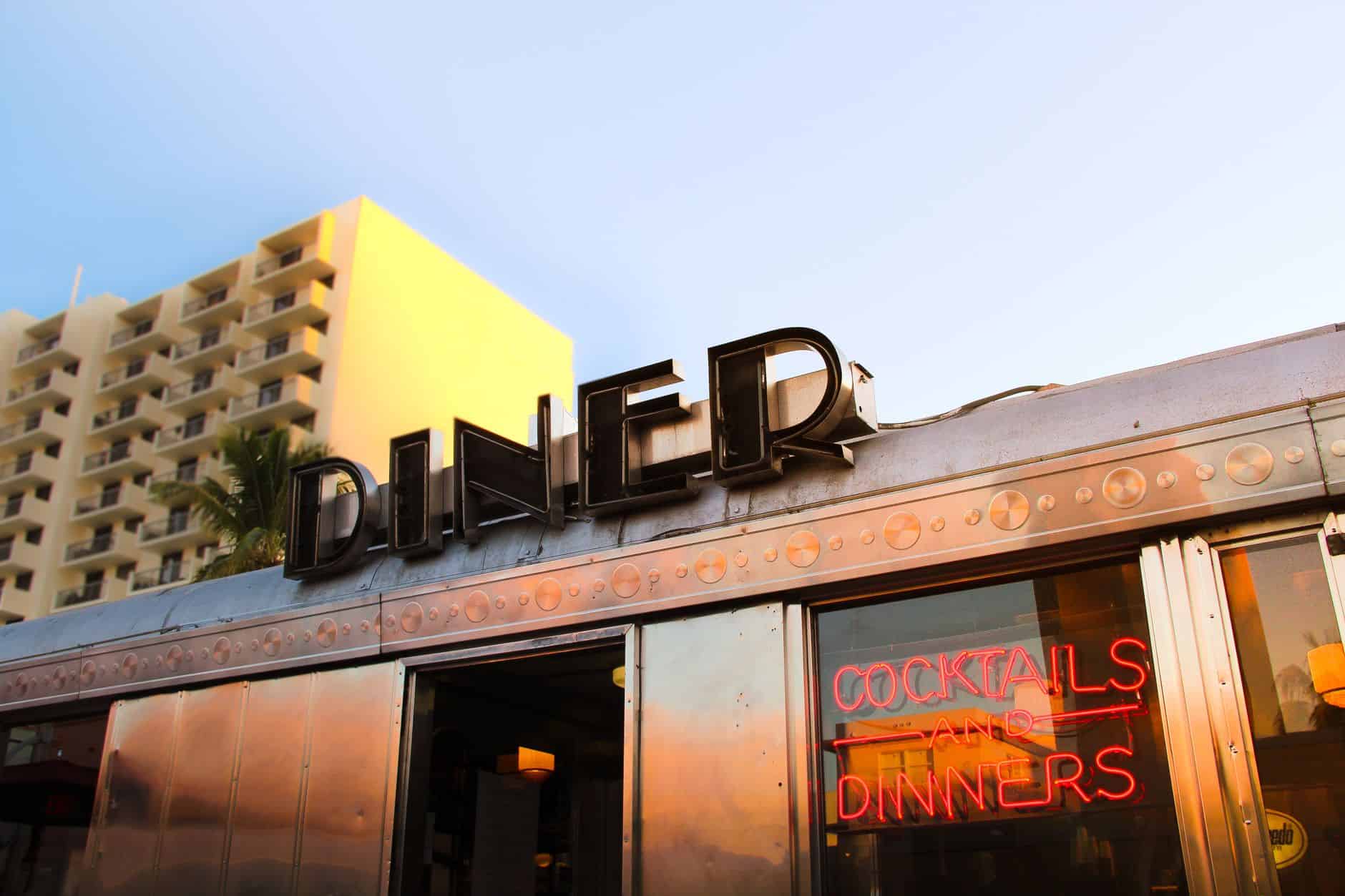
Not all international American food is an approximation. Some places have genuinely nailed it:
- South Korea — Korean-American food culture has produced some of the most faithful American burger and fried chicken executions outside the US. The presence of US military in South Korea for decades has meant that American food culture was imported directly, not filtered through intermediaries. Seoul has excellent diner-style restaurants and burger joints that feel genuinely American.
- Philippines — Another country with significant US military history and ongoing American cultural influence. Jollibee’s “Chickenjoy” is its own thing, but American-style fast food in the Philippines adheres closely to its origins. Many Filipino families have relatives in the US, and food culture has followed.
- Canada — Obviously. But worth noting that Canadian interpretations of American food are close enough that the differences are minute — the ketchup chips, the poutine, the butter tart don’t count as misinterpretations; they’re Canadian additions to a shared continent-wide food culture.
- Germany (specific regions) — The German state of Bavaria has a particular love for American-style food that seems to have produced genuinely good approximations. Munich has several diner-style American restaurants that would pass muster back home.
Why American Food Gets So Distorted in Translation
The distortions of American food abroad aren’t random — they follow predictable patterns:
- Ingredient substitution for local availability — American-style cheese is specifically processed; local cheeses are substituted. American strip bacon is rare; local cured pork products are used. American-style white bread is different from European bread; local buns are used. Each substitution shifts the flavor profile.
- Sweet calibration differences — American food is significantly sweeter than most world cuisines. When other countries try to approximate American food, they often dial back the sweetness to local preferences. American BBQ sauce abroad is usually less sweet. American pancake syrup is often replaced with less-sweet alternatives. The result tastes “healthier” to an American but less authentic.
- Information filtered through media rather than experience — For many markets, the reference point for American food is movies and TV, not actual American restaurants. The idealized American diner of a 1950s movie set has shaped international expectations of American food as much as any actual food export.
- The fast food exception — McDonald’s, KFC, Burger King, and Pizza Hut have successfully exported consistent American-adjacent food globally. But these companies locally source and locally adapt — the McSpicy in Singapore, the Maharaja Mac in India, the Tsukimi Burger in Japan are all adaptations to local markets. They export the American brand, not the American food.
What American Food Actually Reveals About How the World Sees Us
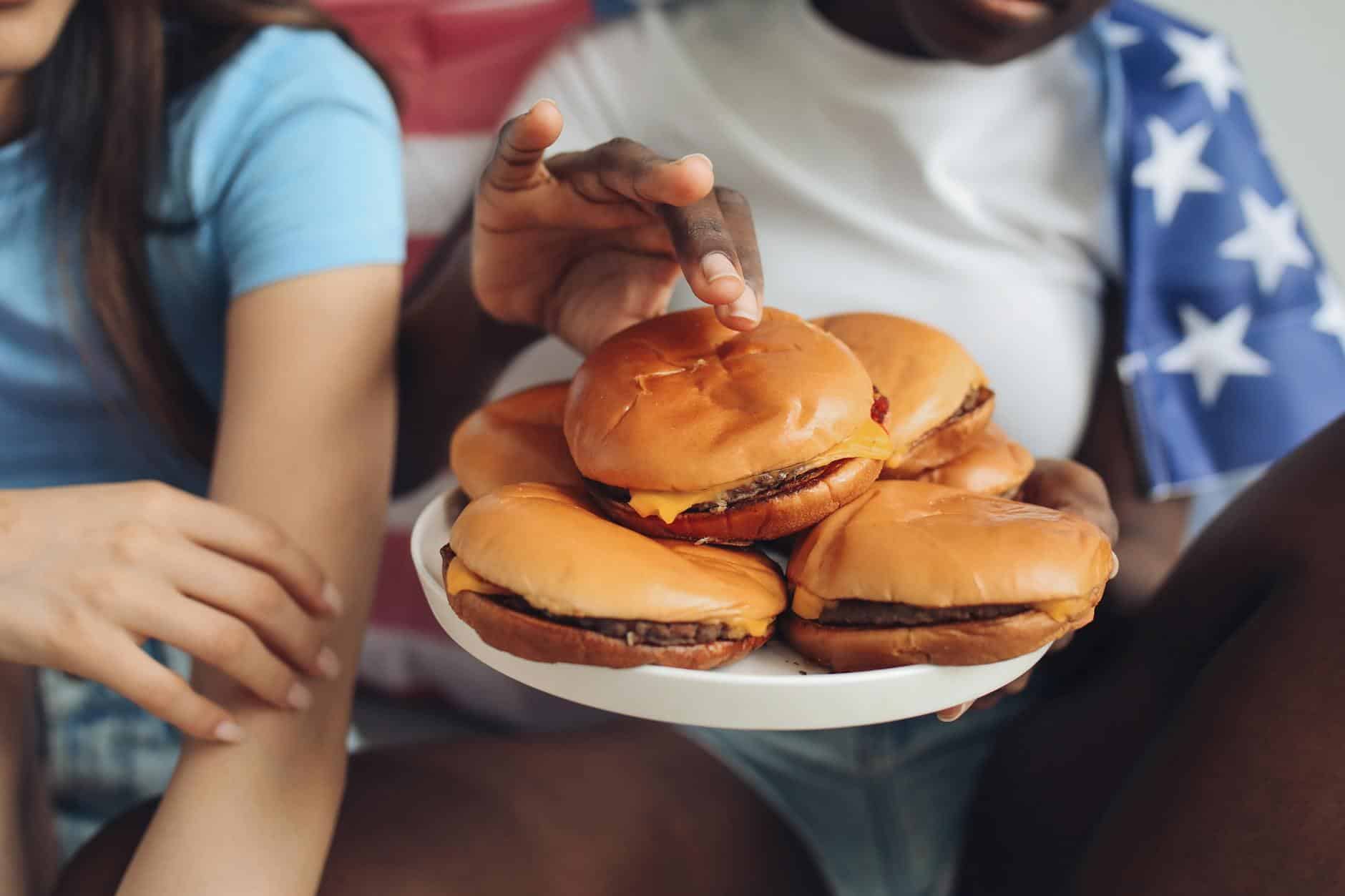
The international version of American food is a mirror held up to America’s cultural exports, and it reflects back something interesting.
The world sees American food as:
- Big (portion sizes are exaggerated internationally — “American portions” is a phrase used to mean comically oversized)
- Meat-forward and protein-heavy
- Sweet and sauce-dependent
- Informal and democratic — diner culture, not fine dining
- A symbol of abundance and prosperity, even when the specific dishes being served don’t quite match the original
What gets almost entirely lost in translation:
- The regional diversity — the difference between Texas BBQ and Memphis BBQ, between a New York deli sandwich and a California fish taco, between New England clam chowder and Louisiana gumbo — is essentially invisible internationally. “American food” is a single category in most global food cultures.
- The immigrant roots — American food is the product of Italian, Jewish, German, Mexican, Chinese, West African, and dozens of other culinary traditions. The international version extracts the most recognizable surface elements without the cultural depth.
The best travel experiment when you’re abroad: find the local American food restaurant, order something familiar, and pay attention to where it diverges. You’ll learn more about the country you’re in from the deviations than from the similarities.