What a Year of International Travel Actually Costs — Not What the Gap Year Instagram Posts Say
We may earn money or products from the companies mentioned in this post. This means if you click on the link and purchase the item, I will receive a small commission at no extra cost to you ... you're just helping re-supply our family's travel fund.
The gap year travel content ecosystem has a financial mythology problem. The popular budgets circulated in blog posts and YouTube videos consistently underestimate actual costs, and they do so in predictable ways: they assume perfect execution, zero emergencies, consistent budget choices, and a gap year that stays in low-cost regions the entire time.
Real gap years don’t look like that. People visit Europe when their friends get married in Berlin. They get food poisoning in Lima and spend $400 on a doctor visit and a hotel room they don’t leave for three days. They book a last-minute flight to Bangkok when a cheap SE Asia flight opens up, at exactly the wrong time for their budget cycle.
Here is what a realistic year of international travel actually costs, broken down honestly.
The Numbers People Quote vs. The Numbers That Are Real

The most common figure cited for a year of budget travel is $20,000 to $25,000. This figure originated from several influential early travel bloggers and has been repeated so often it has become accepted wisdom.
Here’s what that figure assumes:
- Spending the majority of the year in low-cost regions (Southeast Asia, Central America, parts of South America and Eastern Europe)
- Staying in hostels or guesthouses throughout, rarely in private rooms, never in hotels
- Eating street food and local restaurants almost exclusively
- Using budget airlines and slow overland transport rather than quick premium options
- No major medical expenses
- No expensive tours, experiences, or bucket list activities (safaris, diving certifications, etc.)
- No significant shopping or souvenir purchases
Here’s what the same figure typically doesn’t account for:
- The flights to start and end the year, which can run $1,500–$3,500 depending on departure city and routing
- Flights between major regions (SE Asia to Central America, South America to Europe, etc.), which are frequently $600–$1,200 each
- Travel insurance for a full year (typically $800–$1,800 depending on coverage level and destination countries)
- Gear replacement — things break, get stolen, or wear out over a year of continuous travel
- The first and last month of the trip, which are typically more expensive because arrival logistics are always inefficient
- Visa fees across multiple countries, which add up to several hundred dollars over a year
A more honest starting estimate for a year of genuine budget travel is $28,000–$35,000. Comfortable budget travel (occasional private rooms, some nicer restaurants, meaningful experiences) is $40,000–$55,000.
Southeast Asia: The Cheapest Region With Hidden Costs

Southeast Asia is the default recommendation for budget gap year travel because it is genuinely affordable on a day-to-day basis. Thailand, Vietnam, Cambodia, Laos, Indonesia, and the Philippines all offer accommodation, food, and transportation at prices that feel extraordinary compared to Western countries.
Realistic daily costs in SE Asia by category:
- Budget (hostel dorms, street food, local transport): $25–$40/day in Thailand, Vietnam, Cambodia; $20–$35/day in Indonesia and Laos; $30–$45/day in the Philippines (islands require more boat transport)
- Mid-range (private guesthouse rooms, sit-down restaurants, some activities): $50–$80/day in most of the region; $60–$100/day in Bali or touristy Thailand areas
Monthly totals at budget level: $750–$1,200/month
Hidden costs specific to SE Asia:
- The island-hopping problem — The Philippines and Indonesia require internal flights or boats to reach islands, which adds transport costs that are hard to avoid if you want to see the places everyone comes for. An Airpass within the Philippines can help but still costs money.
- The party trap — Full Moon Party in Koh Phangan, nightlife on Bali, drinking streets in Hanoi. These are culturally authentic experiences that cost money in a region where everything else is cheap. Budget travelers frequently blow their accommodation savings on one expensive bar night.
- The diving and adventure activity costs — A PADI Open Water diving certification in Thailand costs approximately $300–$400. A day trip to see Komodo dragons in Indonesia is $150–$250. These are worth doing but they’re not reflected in daily budget numbers.
Central and South America: The Mid-Range Reality
Central and South America offer a wider cost range than SE Asia, and the difference between countries is significant:
- Guatemala, Nicaragua, Bolivia, Peru (budget regions): $30–$50/day at budget level; genuinely affordable and worth prioritizing for budget-conscious travelers
- Colombia, Ecuador, Mexico: $45–$70/day at budget level; great value and increasingly popular with long-term travelers
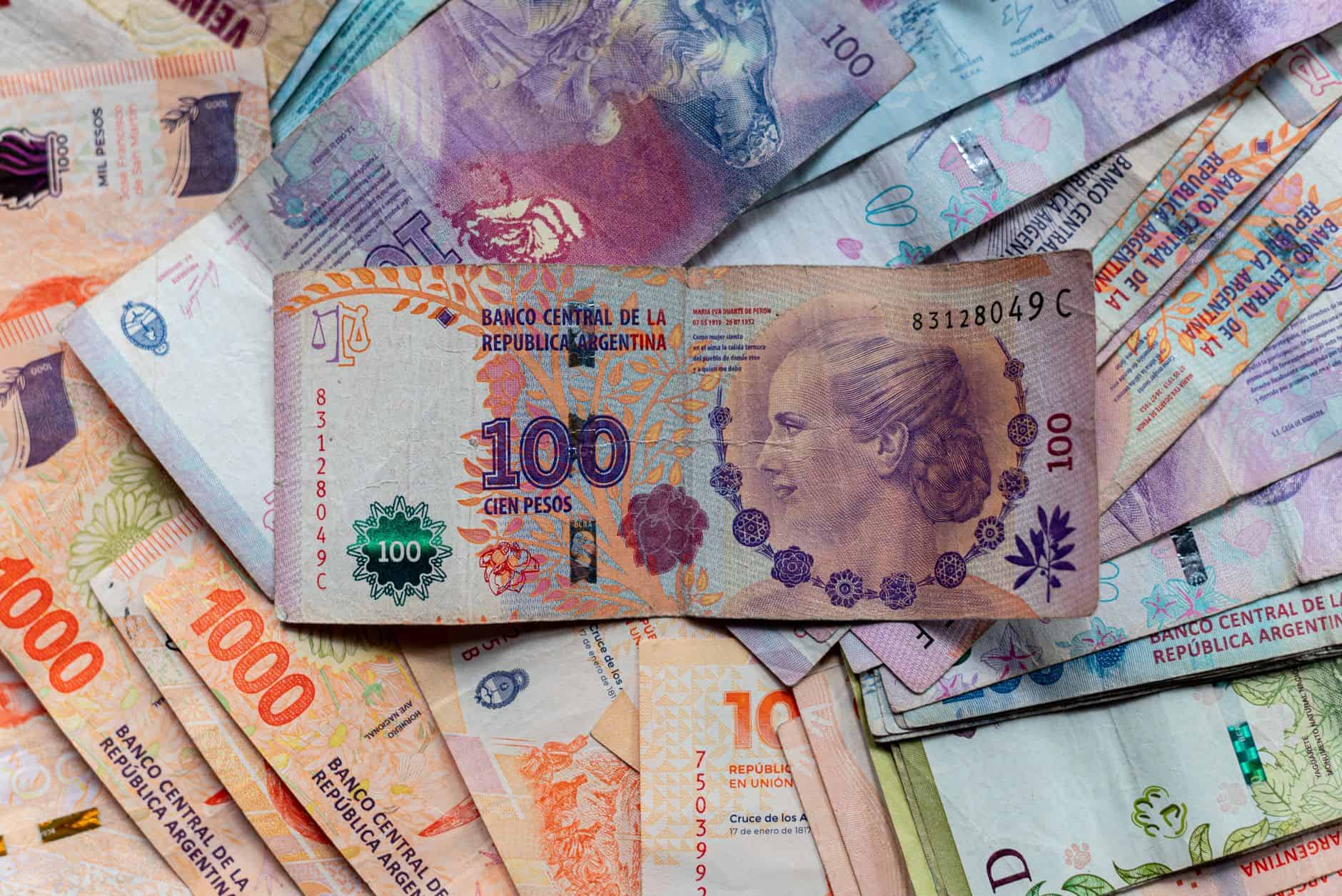
- Argentina: Historically variable due to exchange rate volatility; the blue dollar rate has historically offered significant savings for travelers exchanging cash, but this changes constantly and requires research at time of travel
- Brazil: $60–$90/day at budget level; significantly more expensive than neighboring countries, especially in São Paulo and Rio
- Chile: $70–$110/day at budget level; the most expensive country in South America for travelers
The major cost issue in Latin America is transport between countries. The continent is large, overland buses between major destinations can take 24–36 hours, and budget flights between South American cities are not as cheap as they were pre-pandemic. Budget $150–$300 per major flight within the region.
Europe: Where ‘Budget Travel’ Goes to Die

Europe is included in many gap year itineraries because it’s accessible, fascinating, and culturally significant. It is also dramatically more expensive than every other region covered in gap year travel content.
Realistic costs:
- Western Europe (UK, France, Germany, Switzerland, Scandinavia): Budget travel is $100–$150/day minimum. Hostels in London, Paris, and Amsterdam cost $40–$70/night for a dorm bed. Street food and market eating costs $15–$25/meal. Transportation within cities is expensive.
- Southern Europe (Spain, Portugal, Italy, Greece): More accessible at $70–$110/day with careful management. Portugal remains the most affordable major Western European destination.
- Eastern Europe (Czech Republic, Poland, Hungary, Romania, Balkans): $45–$75/day; the genuinely budget-friendly part of Europe, and culturally rich.
For a gap year traveler spending two months in Europe at an average of $90/day, that’s $5,400 for two months — significantly more than the same time in SE Asia would cost.
The Costs Nobody Budgets For (But Everyone Hits)

These are the categories that reliably blow gap year budgets:
- Medical expenses — Budget travelers get sick. Traveler’s diarrhea, respiratory infections, skin infections from water, and the occasional more serious illness are statistical realities of a year of international travel. Travel insurance covers serious incidents, but small medical costs (a doctor visit in Lima, antibiotics in Thailand) come out of pocket. Budget $300–$600/year for minor medical.
- Gear replacement — A quality backpack lasts a year. Camera batteries die. Sandals wear out. Laptop screens crack. Budget $300–$600 for gear replacement and repair over a year.
- Overstaying your visa — It happens. The fine for overstaying a Thai visa, for example, is 500 baht/day. Not catastrophic, but real. More seriously, overstaying in the wrong country can result in a fine of $100–$500+ and can complicate future entry.
- Emergency flights — Family emergency, a medical evacuation, or just a good fare that lets you skip a grinding overland journey. Emergency flights purchased last-minute are expensive. Budget at least one for the year at $500–$1,500.
- The “bucket list tax” — Machu Picchu entry is $65+. Safari day trips in Kenya are $150–$400. Halong Bay cruises in Vietnam are $100–$300. Patagonia trekking permits and tours add up. These are the experiences people travel for, and none of them are in the daily budget numbers.
The Full Year Math — What a Realistic Budget Actually Looks Like

Here’s a sample itinerary and realistic cost breakdown for a year of travel:
- 3 months in Southeast Asia (Thailand, Vietnam, Cambodia): $3,000–$4,500
- 1 month in Japan or Australia (expensive outlier): $3,000–$4,500
- 3 months in Central/South America: $4,500–$6,000
- 2 months in Europe (mix of Eastern and Southern): $4,500–$6,000
- Intercontinental flights (3–4 major legs): $3,000–$5,000
- Travel insurance (full year, comprehensive): $1,000–$1,800
- Visa fees, border fees, and entry permits: $300–$600
- Gear, medical, emergencies buffer: $2,000–$3,500
Total range: $21,300 (aggressive budget, SE Asia-heavy, minimal Europe) to $37,900 (realistic comfortable budget with standard itinerary)
Most people who don’t restrict themselves severely end up spending $30,000–$40,000 for a genuine year of international travel.
What You Can Cut and What You Absolutely Cannot

Legitimate places to cut costs
- Accommodation is the biggest variable — Hostels vs. private rooms can save $15–$40/night, which compounds significantly
- Food choices — Street food vs. restaurants is a real cost lever, especially in SE Asia and Central America
- Transport — Slow buses vs. flights, walking vs. taxis, local trains vs. tourist shuttles
- Alcohol — This sounds obvious but a gap year with consistent nightlife spending is a gap year that runs out of money in month 8
Things you should not cut
- Travel insurance — A medical evacuation from remote Southeast Asia or South America can cost $50,000–$200,000. A year of comprehensive travel insurance is $1,000–$1,800. This is not optional math.
- Emergency fund buffer — Keep $2,000–$3,000 in reserve that you do not touch for non-emergencies. Things go wrong.
- The experiences that are the point of the trip — Don’t budget cut so aggressively that you skip the things you came for. Watching the sunset at Angkor Wat, hiking to Machu Picchu, snorkeling in the Philippines — these are not luxuries, they’re the itinerary.