These Cities Are Begging You to Stop Coming — and These Ones Are Desperate for You to Show Up
We may earn money or products from the companies mentioned in this post. This means if you click on the link and purchase the item, I will receive a small commission at no extra cost to you ... you're just helping re-supply our family's travel fund.
In June 2024, Venice began charging a €5 day-tripper fee for visitors entering the historic center during peak hours. It was a modest amount — almost symbolically small — but it was the first time a major world city had directly charged for access to its streets.
The reaction split predictably: some called it a necessary step toward sustainable tourism. Others called it a tax on the poor that lets wealthy tourists continue unchanged. Both sides have a point. What neither side disputes is that the underlying problem is real and getting worse.
The same week Venice announced its fee, reports emerged from Machu Picchu about visitor limits being routinely exceeded, from Santorini about locals who can no longer afford to live in the town they grew up in, and from Amsterdam about a red-light district campaign explicitly telling young male British tourists that they are not welcome.
This is the overtourism reality in 2024 and 2025. But the discussion almost always focuses on the places being overwhelmed, not the places being ignored. Here’s both sides of the story.
The Cities That Have Crossed the Breaking Point
Venice, Italy
Venice receives approximately 20 to 25 million visitors per year in a city with a permanent population of around 50,000 residents in the historic center — a number that has been declining for decades precisely because of tourism’s effect on the cost of living and quality of life. The ratio of tourists to residents on a peak summer day is roughly 140:1.
Residents can’t afford to live there. Local businesses have been replaced by tourist shops and souvenir stands. The water taxis and gondolas serve tourists almost exclusively. Venice is becoming a theme park version of itself.
Santorini, Greece
The permanent population of Santorini is around 15,000. Annual visitors exceed 2 million. In summer, the caldera villages of Oia and Fira are so crowded that moving through them on foot becomes genuinely uncomfortable. Housing prices have driven local Greeks out of the market — the homes that used to house fishing families now house Airbnbs.
Amsterdam, Netherlands
Amsterdam has run explicit campaigns to discourage tourists in its red-light district — including a direct social media campaign targeting young British men with the message “Stay Away.” The city has banned new hotel construction, is relocating cannabis shops away from the historic center, and has raised the tourist tax to among the highest in Europe.
Barcelona, Spain
Barcelona’s residents have been loudly protesting tourism for years. In 2024, residents of the Barceloneta neighborhood — the beach district — organized significant protests against short-term rental apartments and tourist behavior. The city has been blocking new tourist apartment licenses since 2015 with limited effect.
Kyoto, Japan
Kyoto has implemented restrictions in the Gion geisha district where tourists photographing and harassing geisha led to a ban on photography in certain alleyways. The city has raised transit prices for tourists and is considering additional access restrictions to major temple complexes.
What Overtourism Actually Does to a Place
The effects are specific and documented:
- Housing displacement — Short-term rental platforms have converted residential housing to tourist accommodation in historic centers, raising rents and pushing out long-term residents. In Dubrovnik, the population of the old city has fallen from ~5,000 in 2000 to under 1,500 today.
- Commercial monoculture — Local businesses that serve residents (grocery stores, pharmacies, hardware stores) are replaced by businesses that serve tourists (souvenir shops, restaurants with laminated picture menus, luggage storage). The authentic neighborhood disappears.
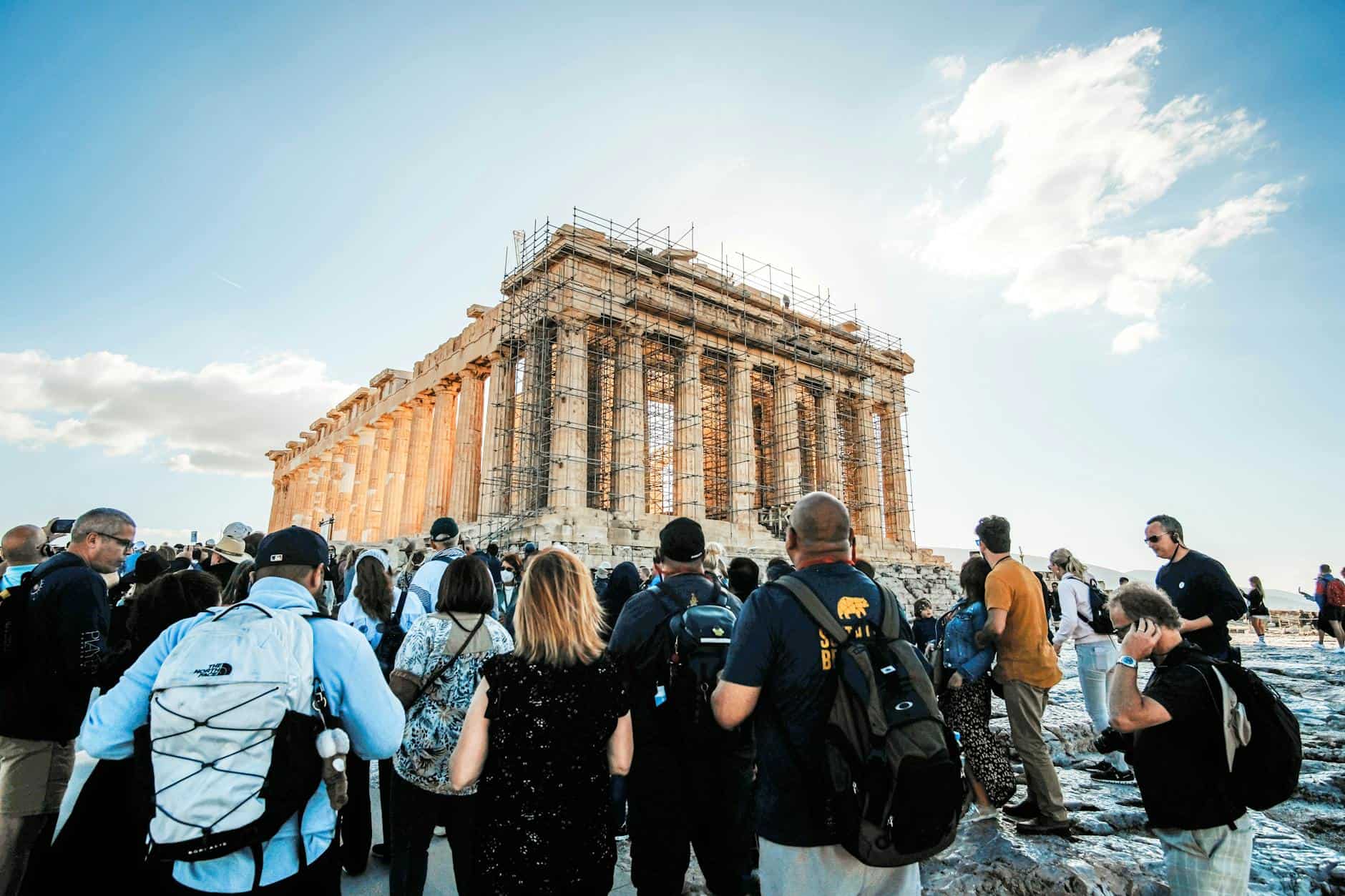
- Physical wear — Some sites are literally being worn away. The Acropolis in Athens shows measurable wear from foot traffic. Venice’s foundations are damaged by wave action from motor tourist boats. The trails leading to popular destinations erode with use volumes beyond their capacity.
- Cultural commodification — When an activity exists to be photographed by tourists rather than to be experienced by locals, it loses its meaning. The geisha of Kyoto are a living cultural practice that is being converted into a photo opportunity through tourist demand.
The Specific Policies Being Tried (And Whether They Work)
- Tourist taxes — Effective at raising revenue for tourist infrastructure but generally not sufficient to reduce visitor numbers. Venice’s €5 fee is not deterring the 20 million annual visitors. Higher fees might — but the political will to set them high enough is rare.
- Reservation requirements — The US National Park system has moved several parks to reservation-required entry. Zion Canyon’s shuttle system has meaningfully controlled vehicle congestion. These work when enforced but create their own inequities (those who plan ahead and those with time flexibility benefit most).
- Access restrictions — Closing specific areas, limiting opening hours, and routing visitors away from sensitive zones has had mixed success. The Gion photography ban is enforced unevenly. Acropolis visitor limits exist on paper and are frequently exceeded.
- Short-term rental regulation — New York’s strict 2023 regulations on short-term rentals dramatically reduced Airbnb listings in the city and returned some housing stock to residential use. Whether other cities follow this model remains to be seen.
The Places That Are Desperately Under-Visited
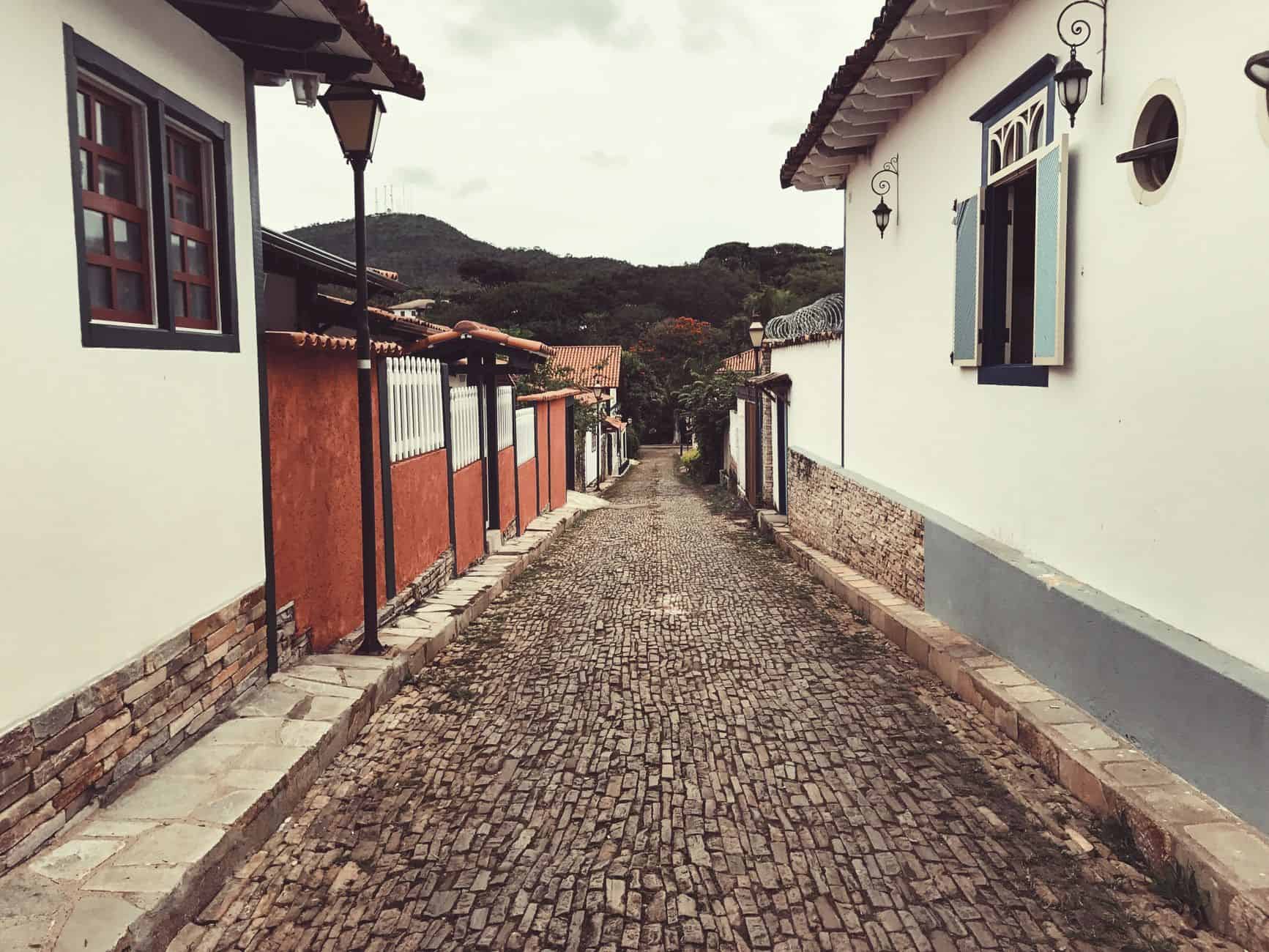
For every Venice, there’s a city with comparable cultural richness and almost no crowds. Here are specific examples:
- Plovdiv, Bulgaria (instead of Prague or Vienna) — The second-largest city in Bulgaria, one of Europe’s oldest inhabited cities, with a magnificent old town of colorful Ottoman and National Revival architecture, a thriving arts scene, and almost no tourist crowds. Entry to museums that would cost $20 in Prague costs $3. Plovdiv was European Capital of Culture in 2019 and has never been overwhelmed by tourism.
- Lecce, Italy (instead of Venice or Rome) — Known as the “Florence of the South,” Lecce has extraordinary Baroque architecture, excellent food, summer temperatures more bearable than Rome, and crowds that are a fraction of the major Italian cities. It requires more effort to reach (fly to Brindisi or Bari), which is exactly why it’s uncrowded.
- Matera, Italy — Actually becoming somewhat discovered but still far from overwhelmed. Matera’s sassi (ancient cave dwellings, many of which are now hotels and restaurants) represent one of the most remarkable urban environments in Europe. It’s a UNESCO World Heritage Site with 60,000 visitors per year; Rome gets 40 million.
- Chefchaouen, Morocco — Wait, this is becoming popular. Try Azrou or Midelt instead — Middle Atlas towns with traditional Berber culture, cedar forests, and almost no Western tourist infrastructure.
- Tbilisi, Georgia — The Georgian capital has excellent food (arguably some of the most interesting cuisine in Europe’s neighborhood), remarkable wine culture (Georgia is one of the world’s oldest wine-producing regions), distinctive architecture mixing Soviet and medieval, and a genuinely warm welcome for visitors. Tourism has grown but remains manageable.
- Medellín, Colombia (instead of Cartagena) — Medellín’s transformation from one of the world’s most dangerous cities to a model of urban innovation is a genuine story. The city has world-class public transit, excellent coffee, vibrant neighborhoods, and a fraction of the tourist crowd of Cartagena’s colonial old town.
How to Choose Between Popular and Under-Visited

Some honest criteria for making this decision:
- Is the famous site something you will genuinely experience, or will you experience the crowd around it? — Standing in the Piazza San Marco in Venice in August is not experiencing Venice; it’s experiencing 50,000 other tourists experiencing Venice. The actual Venice exists in neighborhoods you won’t stumble onto by following the cruise ship trail.
- Is there a shoulder season version of the trip? — Most overtourism problems are peak-season problems. Venice in November, Santorini in April, Kyoto in February — all dramatically different experiences than peak summer. The site is still there; the crowd isn’t.
- Is there a near-equivalent that isn’t crowded? — If you want Italian hill towns with medieval architecture, you don’t need to go to San Gimignano (crowded) when Volterra (magnificent, quiet) exists an hour away.
The Practical Guide to Visiting a Beloved Place Without Being the Problem
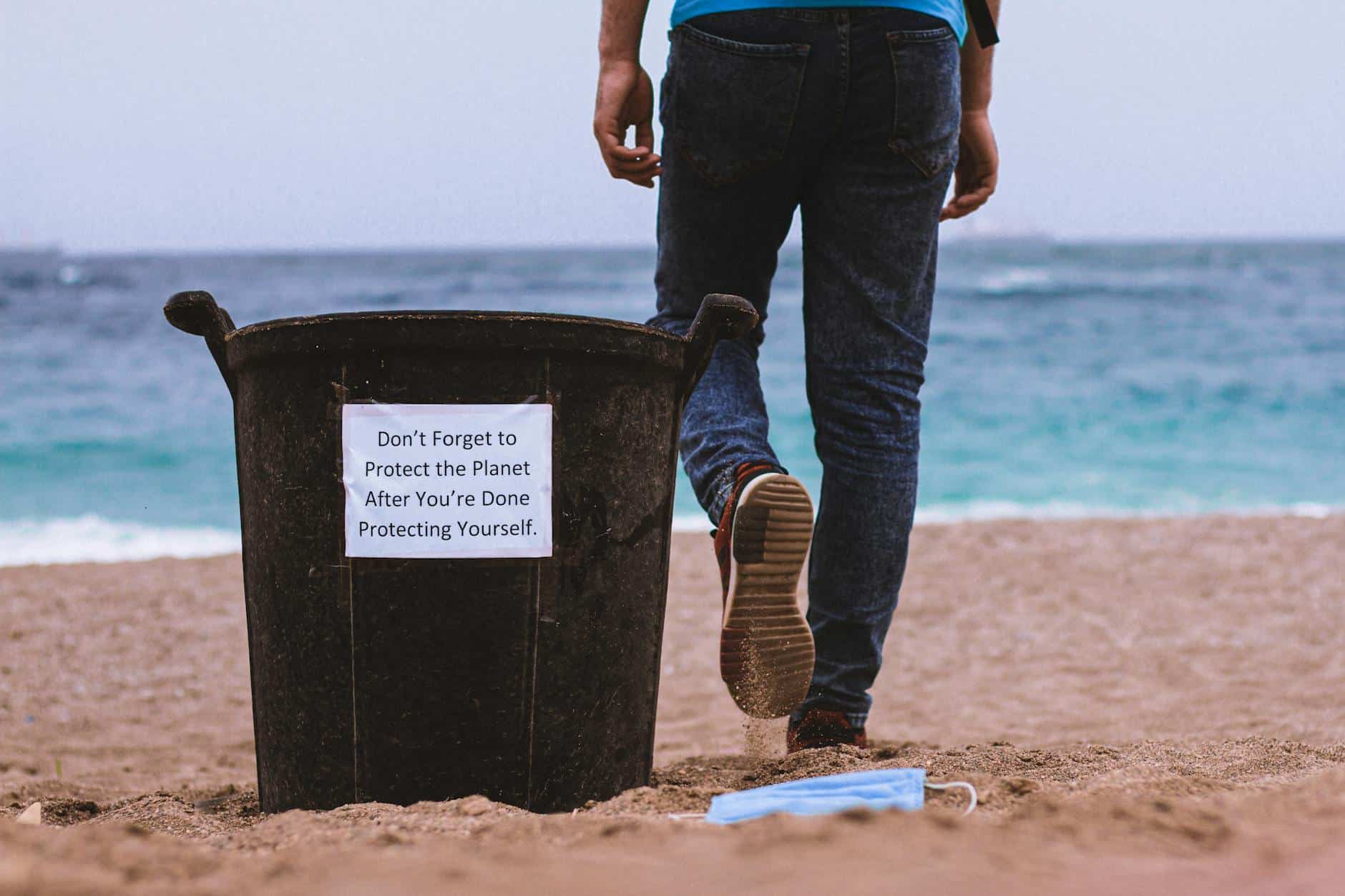
If you’re going to the famous place anyway — and there are good reasons to — here’s how to visit responsibly:
- Stay, don’t day-trip — The most damaging tourist is the cruise ship passenger or day-tripper who arrives, crowds the sites, and leaves without contributing meaningfully to the local economy. Staying in locally owned accommodations (not chain hotels, not large cruise ships) puts money into the local economy.
- Eat and shop locally — Skip the restaurant with the translated laminated menu outside the major attraction. Walk two streets away and eat somewhere that has local customers.
- Go at off-peak times — Most major attractions in Europe have significantly smaller crowds in the morning shortly after opening and in the early evening. The midday and mid-afternoon period is consistently the worst for crowds.
- Respect stated restrictions — If a sign says no photography, the sign is there for a reason. If an area of Kyoto has restricted tourist access, it’s restricted because the alternative was worse.
- Consider that the alternative might be better — Not as a sacrifice, but as genuine travel. The places nobody goes to are often the places where the best travel experiences happen, because the experience is between you and the place — not you and the crowd.