Hotels That Are Secretly Worse Than the Airbnb Next Door — The Red Flags That Experienced Travelers Spot Before They Book
We may earn money or products from the companies mentioned in this post. This means if you click on the link and purchase the item, I will receive a small commission at no extra cost to you ... you're just helping re-supply our family's travel fund.
I want to tell you about a hotel I booked in Rome that I am still angry about.
The photos showed a sun-drenched courtyard, marble floors in the lobby, and a rooftop terrace with what appeared to be a view of the Forum. The listing said “panoramic terrace available to guests.” It had 8.2 on Booking.com. It was in the historic center.
The reality: the courtyard was a 6-by-8-foot interior light well. The marble was lobby-only; the room had linoleum floors. The rooftop terrace existed, was available to guests, and had a view of a concrete apartment building and the top of a distant church spire that you could see if you stood at exactly the right corner and craned your neck.
I was not deceived by outright lies. I was deceived by selective photography and technically accurate language. This is the hotel industry’s most refined art form.
Here is how to see through it.
Red Flag #1: The Photo That’s All Lobby and Zero Room
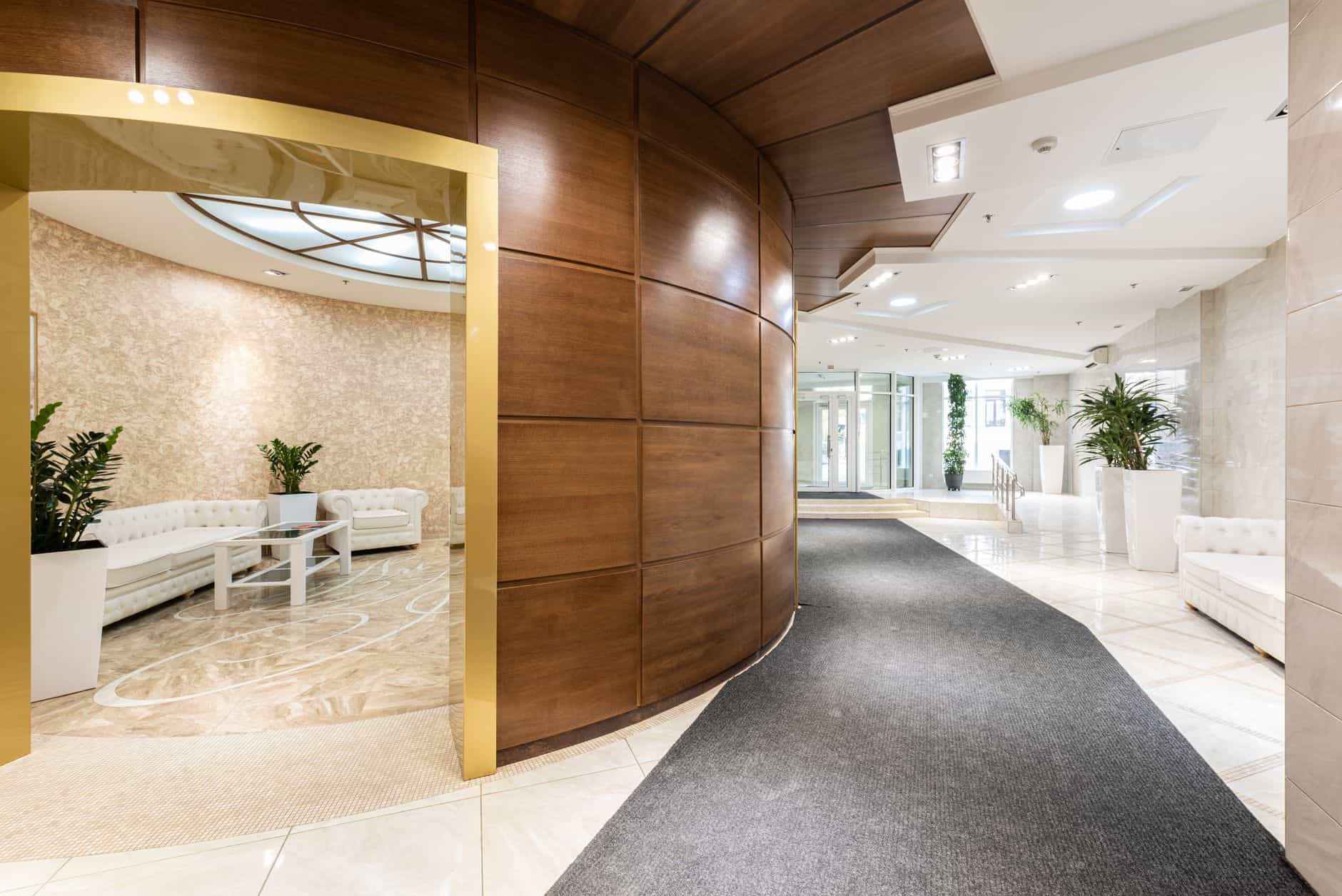
This is the single most reliable red flag in hotel photography. Count the photos and categorize them:
- How many photos show the lobby, exterior, or public spaces?
- How many show the actual guestroom?
- How many show the bathroom, specifically?
A legitimate mid-range hotel should have 6–10 photos of the actual room. If a hotel listing has 15 photos and 11 of them are the lobby, bar, pool, and exterior — and exactly 2 blurry wide-angle shots of the room — the room is the problem they’re not showing you.
The wide-angle lens trick is equally important. Hotel photographers routinely use extreme wide-angle lenses (sometimes called fisheye adjacent) that make a 120-square-foot room look like it sleeps six adults comfortably. If the bed appears to be roughly the size of a queen mattress in the photo, verify actual room dimensions in the listing specs. Under 180 square feet for a “standard room” is tight. Under 150 is cramped.
The fix: look at the hotel on Google Maps Street View, find guest-uploaded photos on TripAdvisor (these are unfiltered and brutally honest), and search the hotel name plus “room” on Instagram to see what real guests actually photographed.
Red Flag #2: The Star Rating That Means Nothing
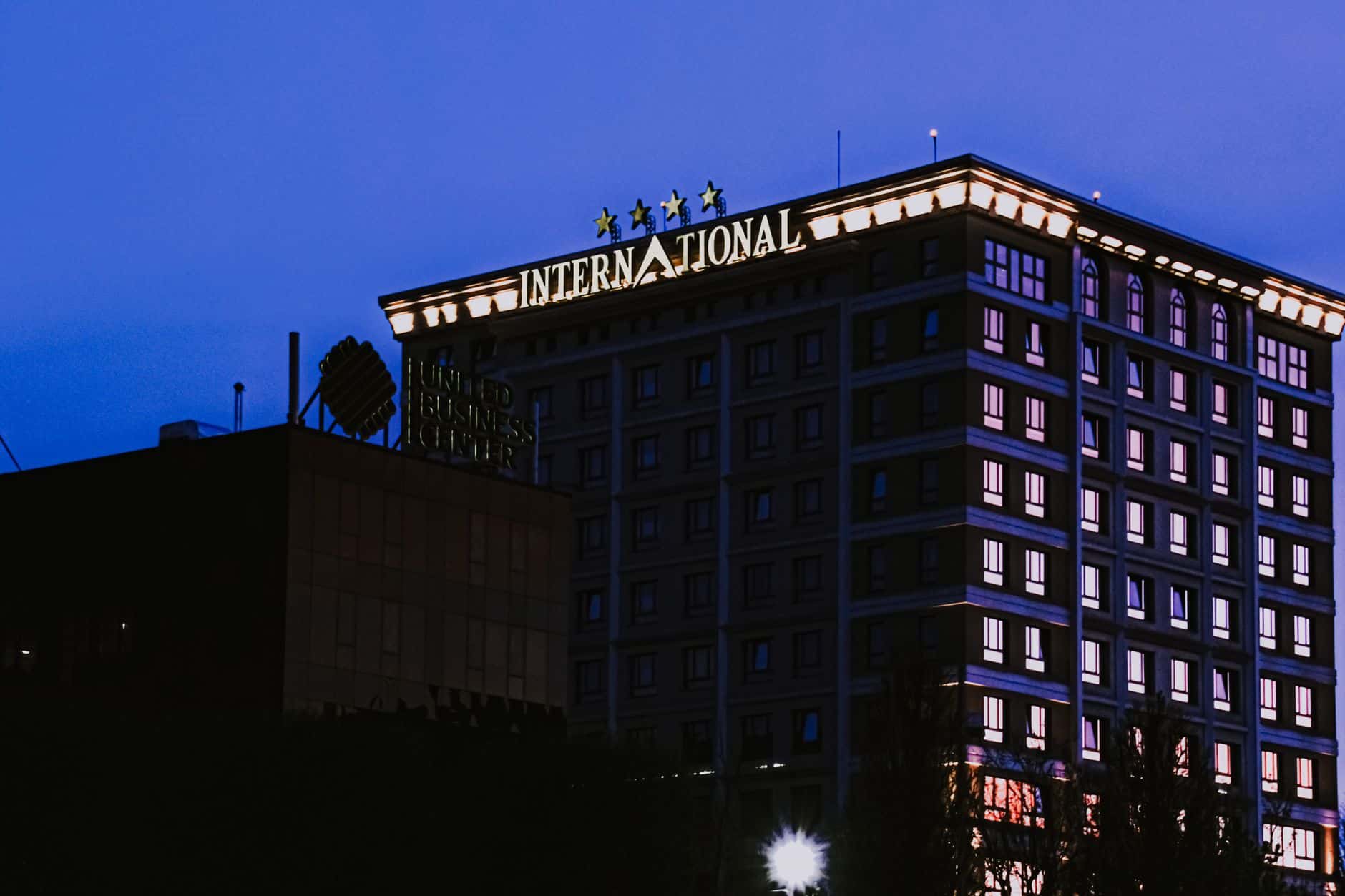
Hotel star ratings are not federally regulated in the United States. There is no single national authority granting stars. Hotels can self-identify as “3-star” or “4-star” on most booking platforms, and some do so with remarkable creative license.
In Europe, star ratings are more regulated and more meaningful. A 4-star hotel in Germany has met specific criteria around room size, amenities, and service. A “4-star” hotel in a mid-size American city may have added the label itself because it has a fitness center and a bar.
The more reliable metric: look at the specific review score on Booking.com or Hotels.com, and filter by the most recent reviews rather than the overall score. Booking.com’s 8.0+ for “Good” and 9.0+ for “Exceptional” are actually meaningful benchmarks relative to the platform’s user base. TripAdvisor rankings within a specific city are also genuinely comparative.
- Overall score below 7.5 on Booking.com: low bar, often indicates real problems
- Star rating higher than the review score implies: usually means the physical facility is nice but service and maintenance fall short
- Property that hasn’t been reviewed in six months: either very new or very dead — look for recent reviews specifically
Red Flag #3: The Location Description That Requires a Map and a Prayer
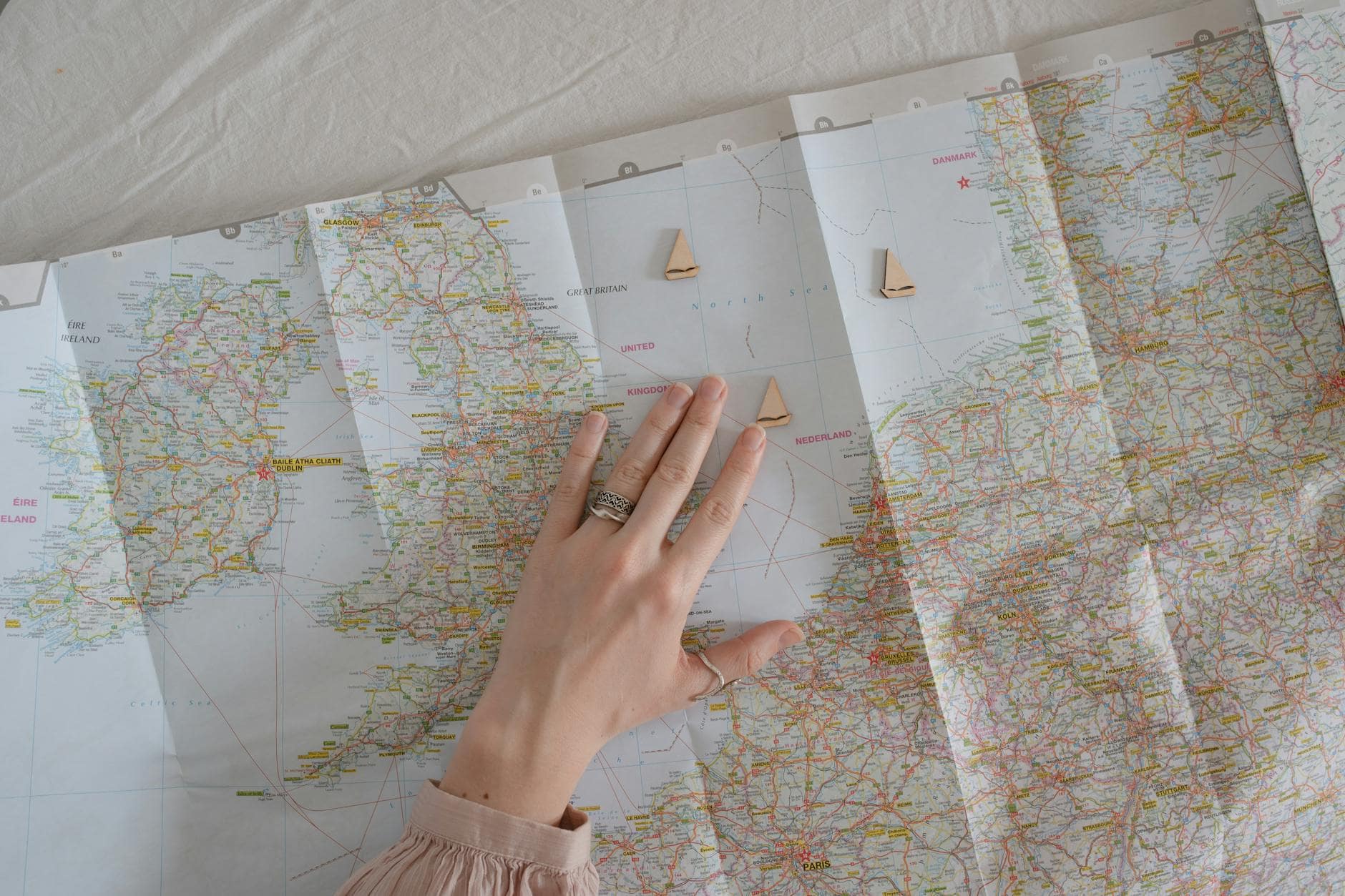
Hotel location descriptions are an exercise in creative geography. “Steps from the beach” can mean 1,200 steps over a coastal bluff. “Minutes from the city center” can mean 25 minutes if you have a rental car and there’s no traffic. “Near the Eiffel Tower” can mean a 40-minute Metro ride from the 15th arrondissement.
Specific red flag phrases:
- “Easy access to public transportation” — look up actual public transit from the specific address before you rely on this
- “City center adjacent” — pull up Google Maps and measure it yourself
- “Quiet residential neighborhood” — sometimes true and lovely; sometimes “we are 45 minutes from everything you want to do”
- “Near the airport” — this is almost never a selling point unless you have a 6am flight
There is no substitute for opening Google Maps, finding the exact hotel address, and measuring the walking distance to the specific things you plan to do. Booking platforms show a map, but they rarely convey what “14 minutes on foot” means when it involves a hill, a highway crossing, or a neighborhood you’d rather not walk through at night.
Red Flag #4: The Amenity List That’s Technically True but Practically Useless

The amenity list is where hotels excel at technically accurate fiction.
- “Pool” This can mean a full resort pool complex or a 10-by-15-foot concrete rectangle on the roof shared by 200 guests. Always look for photos of the pool specifically.
- “Fitness Center” Can mean a real gym with weights and cardio equipment, or a repurposed closet with two treadmills and a broken elliptical. Search TripAdvisor reviews for “gym” to see what guests actually encountered.
- “Free Breakfast” The difference between a full American breakfast with eggs made to order and a continental breakfast that is a basket of rolls and instant coffee is enormous. Read reviews that mention breakfast specifically.
- “Free WiFi” In 2026, WiFi quality varies enormously even within the same hotel — stronger in the lobby, almost unusable in room 312. Search recent reviews for “wifi” or “internet” to see current reports from guests who actually worked from the room.
- “Air Conditioning” In older European hotels especially, this can mean a single wall unit that struggles to cool the room below 76°F on a summer day. Reviews from summer months will tell you the truth.
Red Flag #5: The Review Pattern That Tells the Real Story

This is the most underused technique for hotel research.
Don’t read the average score. Read the 1-star and 2-star reviews. Specifically:
- What do multiple negative reviews complain about? If five separate reviewers mention thin walls and noise issues, that is a structural fact about the building, not a one-off bad experience.
- Are there clusters of negative reviews at a specific time period? This might indicate a recent ownership change, renovation disruption, or staff turnover.
- How does the hotel respond to negative reviews? A management response that dismisses, argues with, or gaslight reviewers is a significant red flag about the service culture you’ll encounter in person.
- Are the positive reviews suspiciously generic? “Great hotel, would come again!” repeated across dozens of five-star reviews with no specifics can indicate review manipulation.
Booking.com’s review system is somewhat more trustworthy than TripAdvisor’s for this purpose, as Booking.com only allows reviews from verified guests who actually stayed.
When the Airbnb Next Door Actually Wins
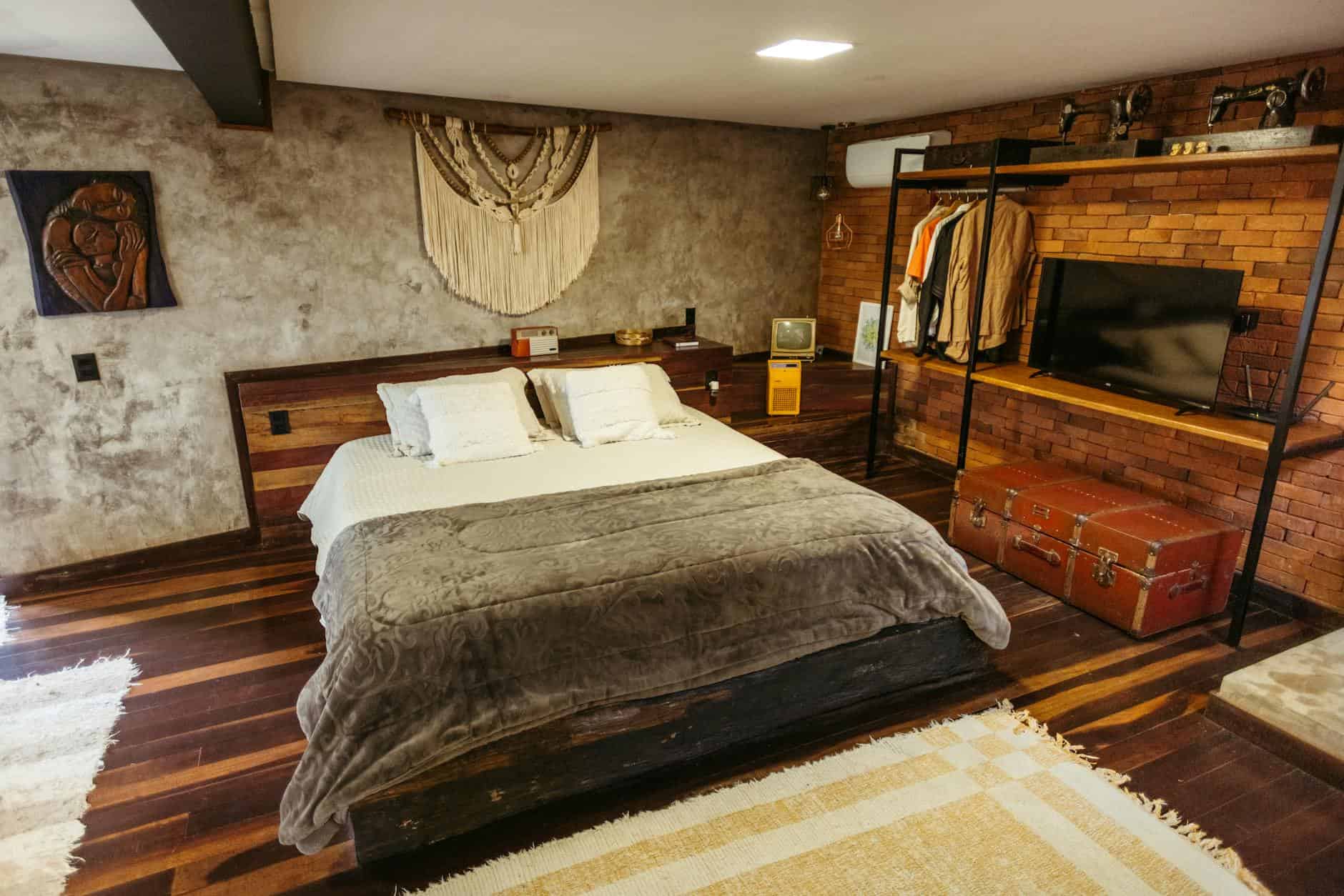
There are categories of trips where the Airbnb comparison genuinely favors the apartment:
- Stays longer than 5 nights The kitchen access, the laundry, the ability to keep real groceries — these compound in value as the trip lengthens. Hotels are optimized for short stays. Apartments are optimized for living.
- Families or groups A three-bedroom apartment in Florence for the same price as two hotel rooms, with a kitchen and a living room and the ability to put children to sleep and still have a glass of wine in a different room — this is not a close comparison.
- Neighborhoods that hotels haven’t colonized The most interesting neighborhoods in most cities — where locals eat, drink, and shop — have few hotels. A well-chosen Airbnb in the Eixample in Barcelona or the Pigneto neighborhood in Rome puts you inside the city in a way that most hotels don’t.
- Budget trips where space matters A $90/night hotel room in a major European city is going to be small and possibly sad. A $90/night Airbnb in the same city might be a perfectly comfortable private room in a real apartment in a real neighborhood.
The comparison is never universal. A well-run boutique hotel with genuine hospitality, great location, and honest photography beats an Airbnb every time for a short business trip or a romantic weekend. But the due diligence required to find that hotel is more work than the industry wants you to know.