The One Thing Americans Do at the Airport That Every Other Country Finds Completely Bizarre
We may earn money or products from the companies mentioned in this post. This means if you click on the link and purchase the item, I will receive a small commission at no extra cost to you ... you're just helping re-supply our family's travel fund.
I was in Amsterdam’s Schiphol Airport on a layover last year, standing in the security line, and watched an American family approximately six people ahead of me begin the ritual.
Off came the shoes. Off came the belt. Out came the laptop, the iPad, the portable charger, the liquids bag, the jacket, the hoodie worn under the jacket, and — I swear this is true — a mesh bag of toiletries that appeared to have been organized specifically for the security bin experience. The family took approximately four minutes to deconstruct themselves. The Dutch family behind them watched with polite, fascinated bewilderment.
In Schiphol, you do not take off your shoes. In most European airports, in most Asian airports, in most airports outside the United States, removing your shoes for security is not a requirement and is in fact slightly unusual. The shoe removal ritual is a distinctly post-9/11 American TSA invention that the rest of the world’s security systems largely did not adopt.
But the shoes are just the beginning.
The Shoes-Off Rule and the Ritual That Built Around It
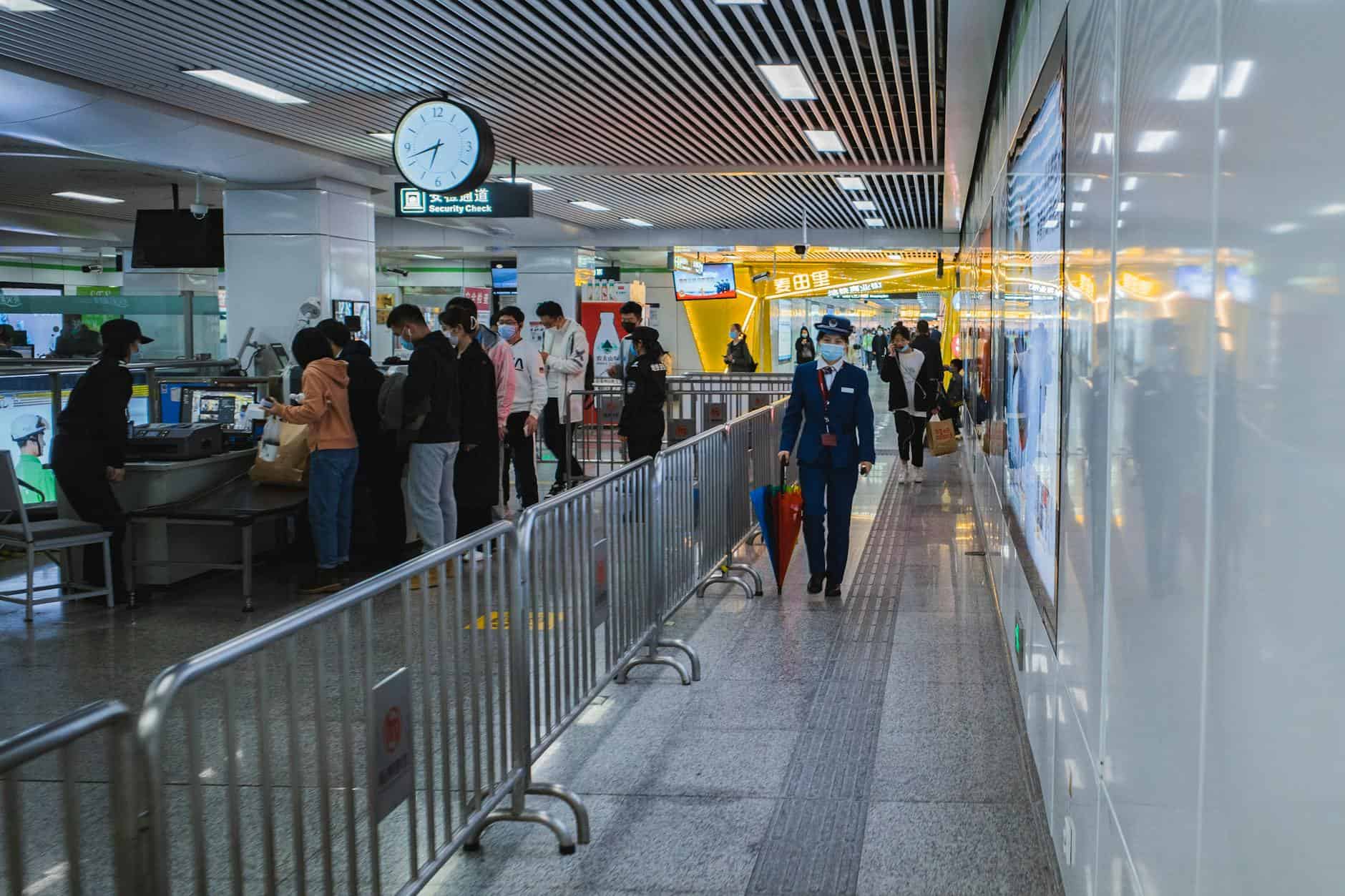
The origin story is well-documented: in December 2001, Richard Reid attempted to detonate explosive material hidden in his shoes aboard American Airlines Flight 63. The TSA responded by implementing mandatory shoe screening in 2002. Every other major country’s aviation authority evaluated the same threat and reached a different operational conclusion: the risk did not justify the systemic inconvenience.
Twenty-plus years later, the United States is essentially alone among major travel nations in requiring all passengers to remove shoes at security. PreCheck holders can skip this step, which has created a two-tier airport experience that is itself distinctly American.
What fascinates international travelers is not the rule itself — it’s the adaptation culture around it. Americans now:
- Wear slip-on shoes specifically to airports
- Own “airport outfits” optimized for the security line
- Have developed specific techniques for moving the bins efficiently
- Carry everything in their jacket pockets specifically to put it in one bin
A British travel journalist writing for The Guardian described watching an American couple in Atlanta coach each other through the bin process with what she called “the choreographic precision of two people who had rehearsed this many times.” She meant it as an observation. Most of us would recognize it as a compliment.
The Tipping at the Airport Bar at 7am Phenomenon
This is the one that gets the most international attention on travel forums and Reddit threads.
Americans tip. This is known. The American tipping culture is vast and complex and its own entire essay. But the particular airport version — tipping at the bar before a 7am flight, tipping at the coffee cart in the terminal, tipping at the Dunkin’ Donuts inside security — this is not something that happens in other countries, and it is not something that travelers from those countries are prepared for.
The automatic 18-20-25% tip prompt that appears on the touchscreen after buying a $6 airport coffee has become a source of genuine confusion, mild resentment, and deep cultural analysis from non-American travelers. A German travel blogger described it as “an interface designed to make you feel guilty for not paying more for something that has already been priced to include labor costs.”
The American perspective, of course, is different: the tip is part of a service worker compensation system that long predates the iPad tablet revolution. Neither perspective is wrong. They are the product of completely different labor and wage structures.
But the specific scenario of a tourist from Denmark being presented with a mandatory tipping prompt for a bottle of water inside JFK — while running for a gate — is a legitimate cultural collision that plays out thousands of times a day.
The 3-Hour Arrival Time That Causes Genuine Confusion Abroad
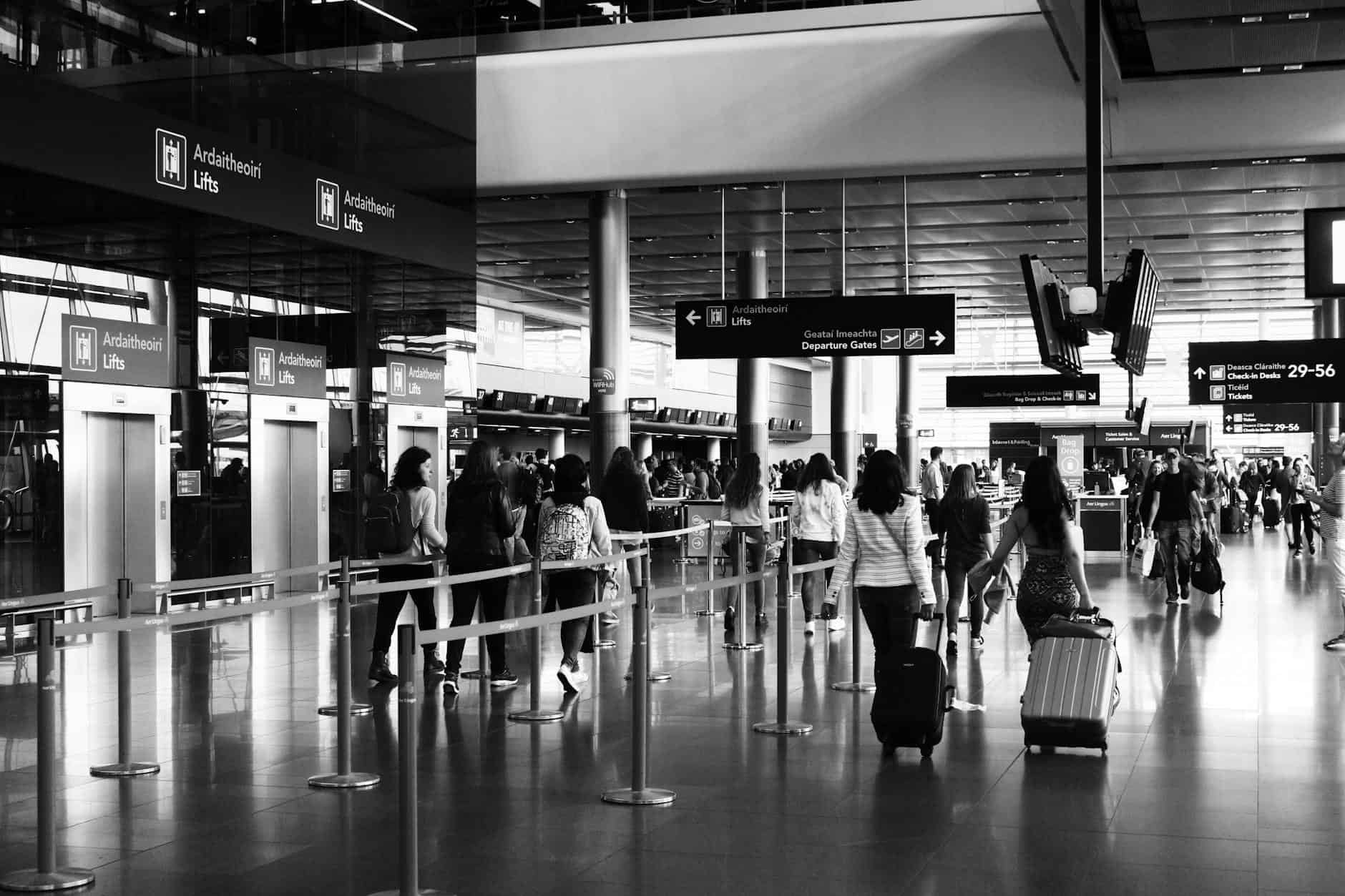
American conventional wisdom says: arrive 2 hours early for domestic flights, 3 hours early for international. This guidance was refined after 9/11 security changes and has remained airport common knowledge ever since.
In many other countries, 90 minutes before a domestic flight is considered generous. 45 minutes is considered ambitious but not reckless. Some European budget airport terminals are sized and staffed specifically for the assumption that passengers will arrive at the last possible moment.
The result is that American travelers abroad often arrive at foreign airports with an enormous amount of time to kill in terminal environments that were not designed for 3-hour pre-flight dwelling. Meanwhile, locals cruise through 30 minutes before boarding while Americans have already eaten two meals and watched a movie on their laptop.
This isn’t wrong, necessarily — TSA lines in American airports genuinely can take 45 minutes — but it creates a specific kind of American airport refugee experience that is not universal.
The American Relationship With Oversized Luggage
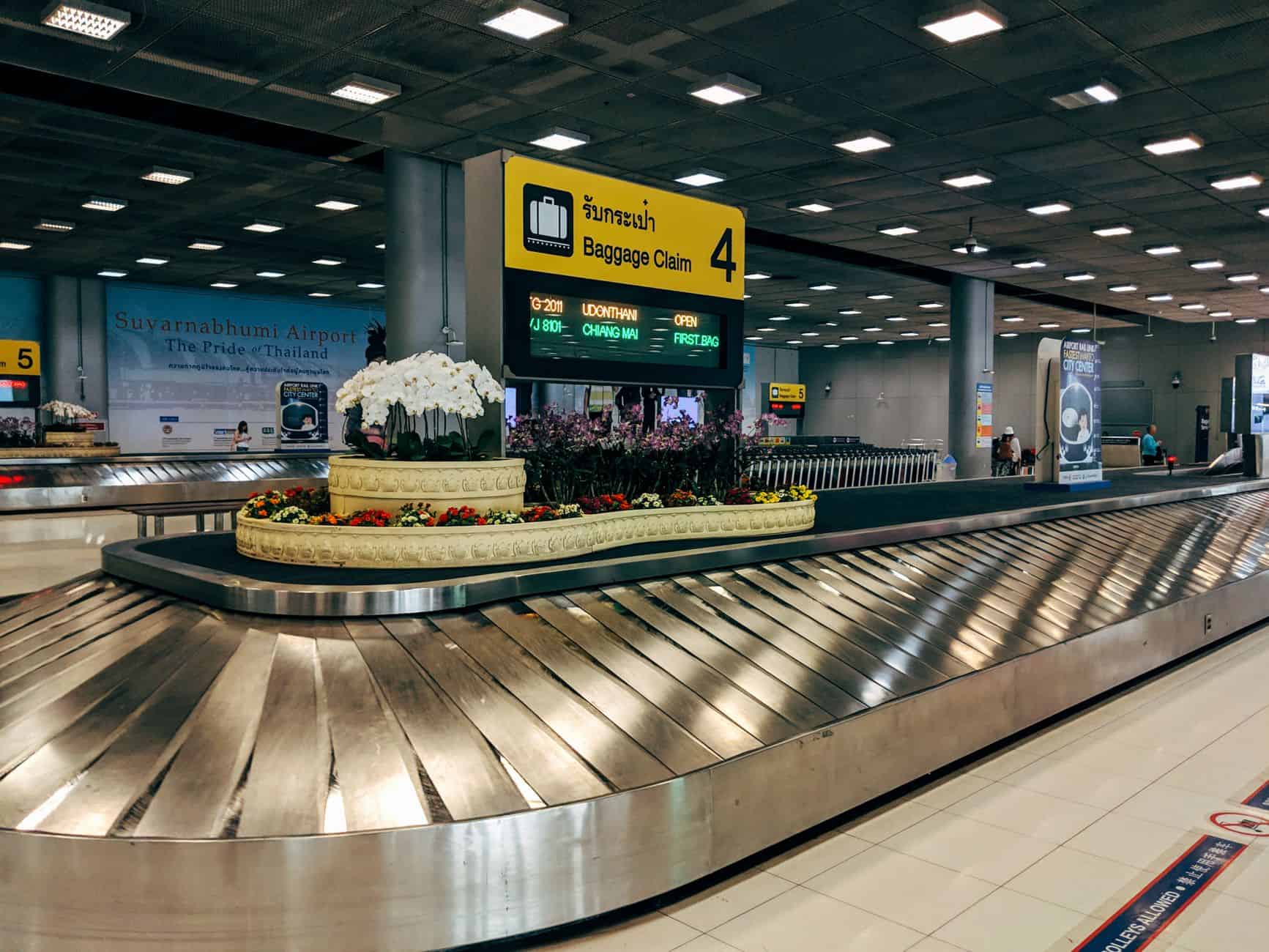
International travelers are, on average, statistically documented to travel with lighter and fewer bags than American travelers. The rise of carry-on-only travel culture has been stronger in Europe than in the United States, partly because European budget carriers (Ryanair, EasyJet, Wizz Air) charge aggressively for checked bags and partly because European trips often involve more city-hopping that makes heavy luggage impractical.
The American checked-bag ratio remains high. American airports have more oversized baggage issues, more checked-bag counters, and more baggage claim congestion than many comparable airports internationally. This is not a character flaw — American trips are often longer, involve more climate variation, and families travel with children who require equipment. But the optics of the American baggage carousel versus a European one are noticeable.
The Gate-Area Meal Culture That Other Countries Do Not Have
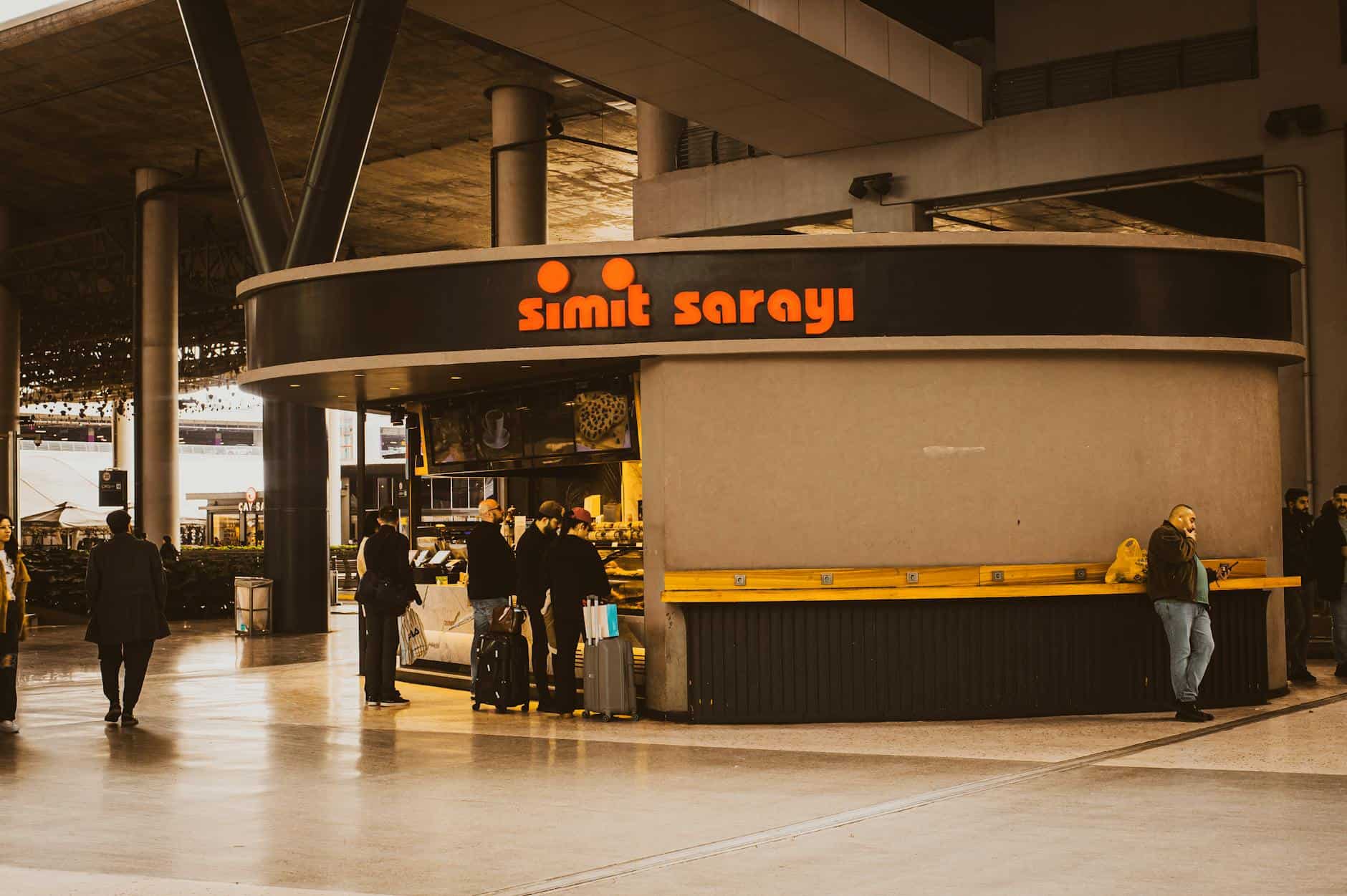
Americans eat full meals in gate areas. Hot food, sometimes with multiple courses. Sometimes at 6am. Sometimes with utensils brought from the airport restaurant. This is not unusual behavior in American airports because the airport restaurant/gate relationship was designed around this norm.
In Japanese airports, eating while walking is considered rude. In most European airports, the norm is to eat at a table in a restaurant, not to carry a clamshell container of pasta to your gate. The combination of eating a full airport restaurant meal while sitting directly next to strangers who are trying to read or sleep is a specifically American way of experiencing the transition time before a flight.
This is not a criticism — American airports have done a genuinely good job in the last decade of improving terminal food options, and eating before a flight is a perfectly reasonable thing to do. It is simply a behavior pattern that reads differently to passengers from cultures where food consumption is more spatially and contextually bounded.
The Full-Volume Phone Call in Every Public Space
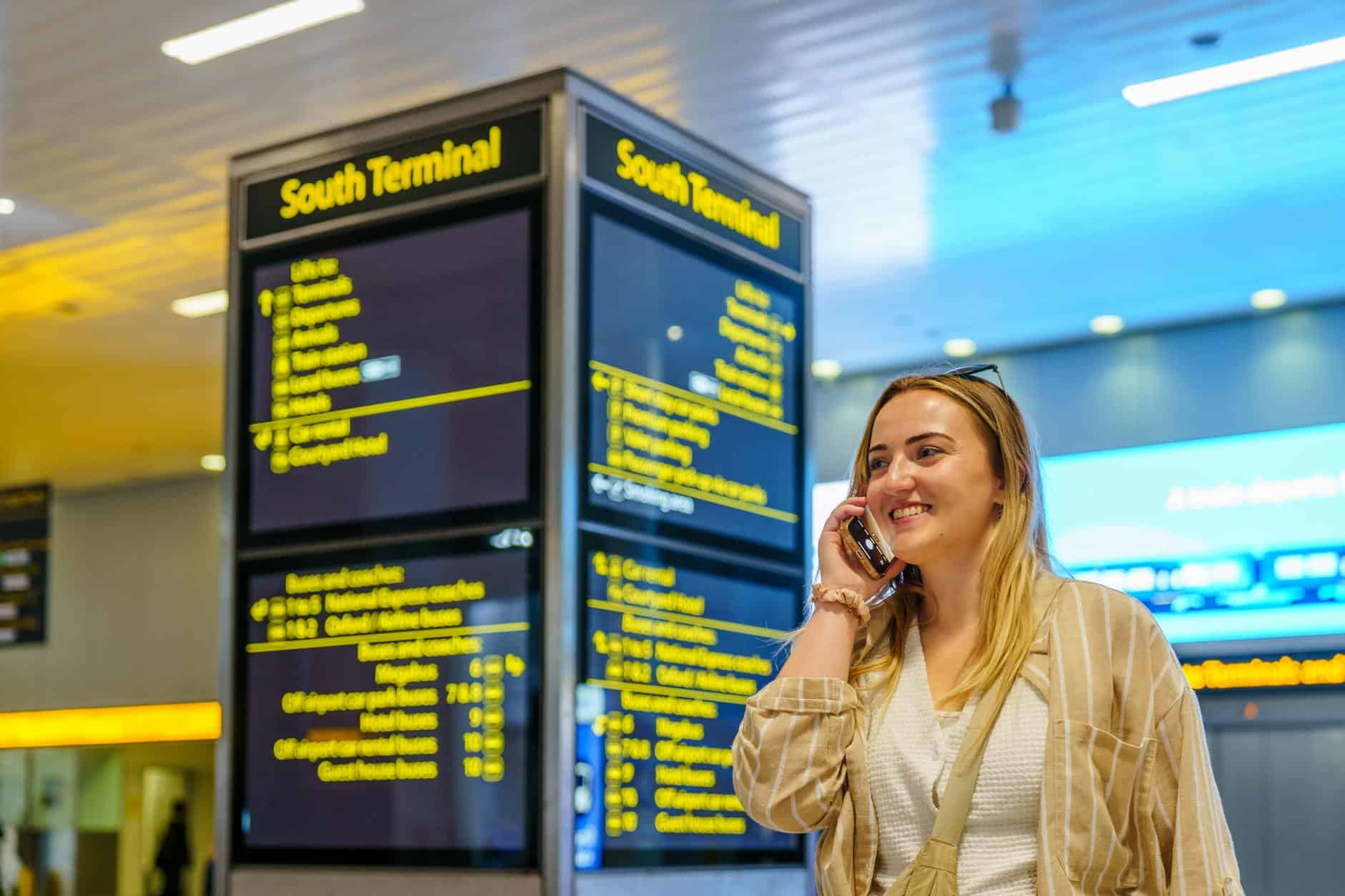
This is, by some margin, the behavior that generates the most commentary from international travelers about Americans specifically.
Loud phone calls in shared public spaces — gate areas, lounges, trains, waiting rooms — are broadly understood in American culture as acceptable background behavior. In Japan, South Korea, the UK, France, Germany, and most of Asia and Northern Europe, a phone call conducted at conversational speaking volume in a public shared space is considered a social transgression.
The specific combination of an American conducting a conference call on speakerphone in an airport gate while eating takeout and occasionally commenting on the boarding delay to no one in particular is, by international standards, a genuinely remarkable display of comfort with communal space.
There is no definitive fix recommended here. These are cultural norms, not moral failures. But if you’ve ever wondered why the person next to you on an international flight was visibly wincing at your pre-departure call home — now you know.