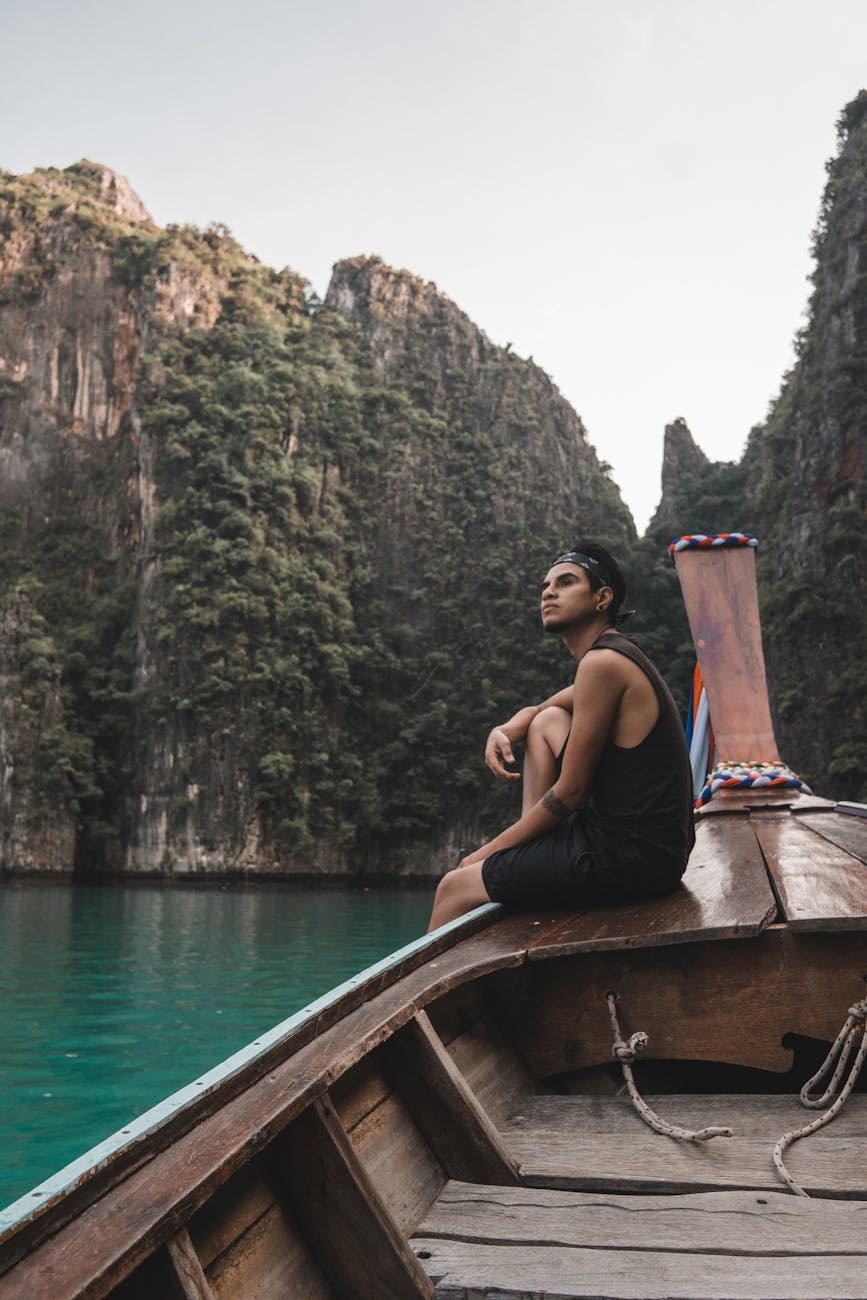
Tourists Are Complaining That Bali Is Not Paradise Anymore
We may earn money or products from the companies mentioned in this post. This means if you click on the link and purchase the item, I will receive a small commission at no extra cost to you ... you're just helping re-supply our family's travel fund.
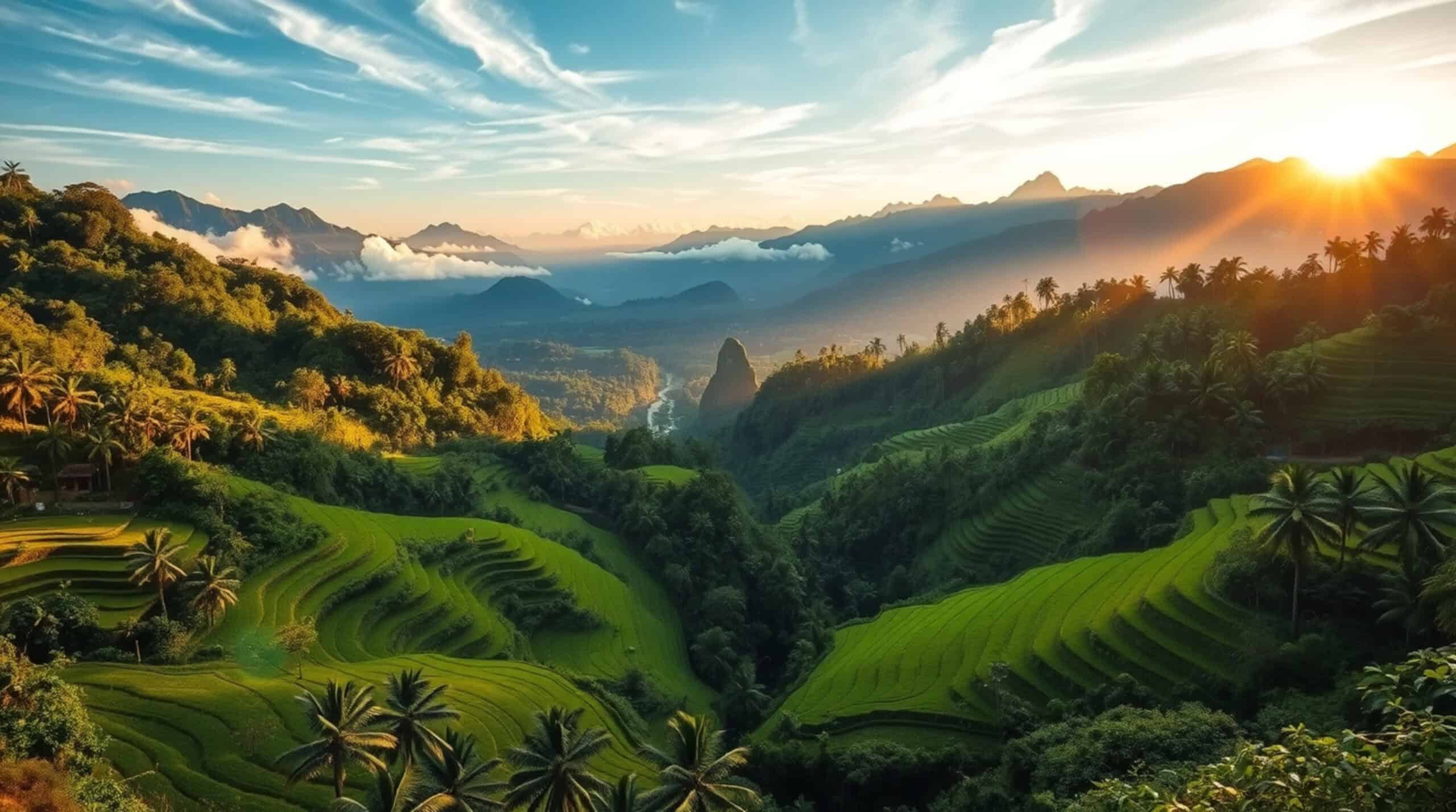
Bali has long lived in the global imagination as an easy kind of beauty, where rituals, landscapes, and daily life move in quiet harmony. That image still exists, but it now shares space with something more complicated. Crowds press into once-peaceful corners, prices rise, and the island feels stretched between tradition and demand. Travelers still arrive chasing the same dream, yet many leave noticing the tension beneath it. What once felt effortless now asks for patience, awareness, and a willingness to see Bali as it is today.
Overcrowding Is Changing The Experience
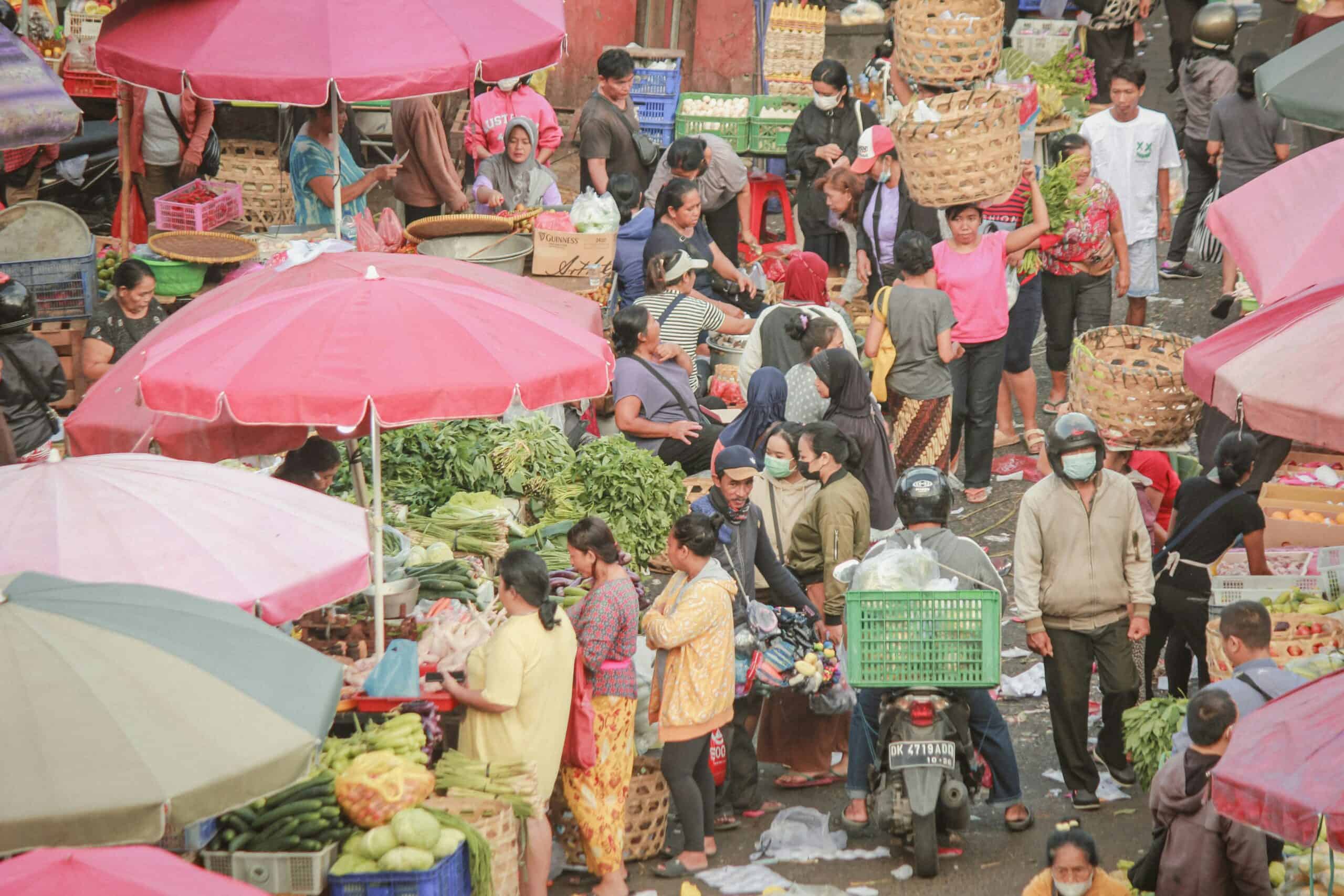
What once felt open and unhurried now feels tightly packed, especially in Ubud and Canggu. Roads fill with scooters and cars from morning to night, turning short trips into slow crawls that test even patient travelers. Sunrise viewpoints and temples that once offered calm now draw steady lines of visitors. The shift changes more than convenience. It reshapes how the island feels, replacing quiet moments with constant motion and making it harder to slow down and take things in.
Social Media Has Reshaped Expectations

The Bali many travelers picture is built online, shaped by curated images that highlight perfection while leaving out everything else. Iconic spots now come with lines, time slots, and a quiet pressure to recreate the same shot. That gap between expectation and reality can feel sharp. Instead of discovery, the experience often feels rehearsed, where the focus shifts from being present to capturing proof of being there.
Rising Prices Are Frustrating Visitors
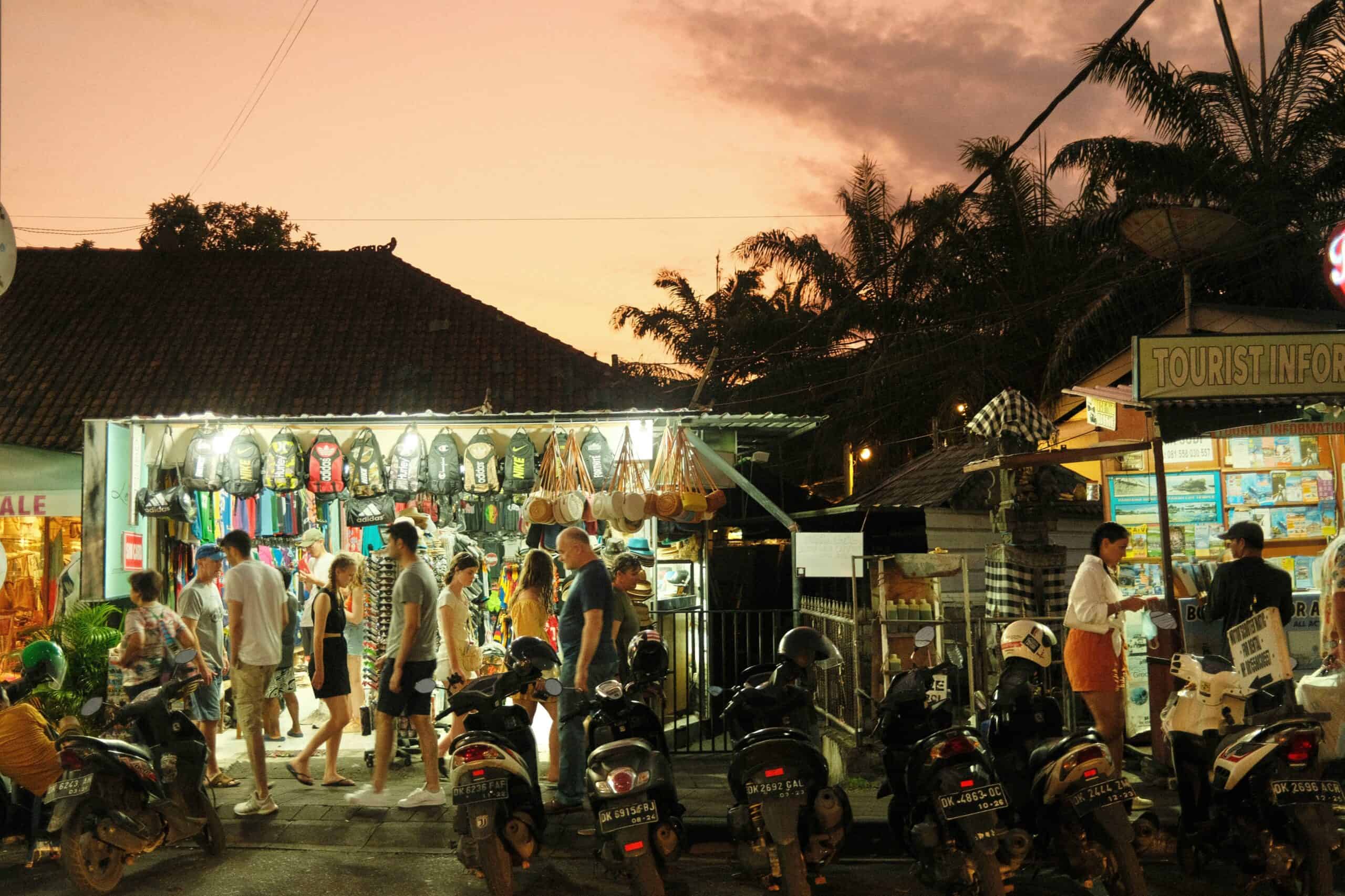
Bali still offers value, but its reputation as a low-cost escape has shifted in noticeable ways. Popular areas now reflect global pricing, especially for villas, trendy cafés, and private transport. Returning travelers feel the change immediately, while first-time visitors often express surprise. The island is no longer the effortless bargain it once seemed, and that shift alters expectations around how far a travel budget can really go.
Environmental Strain Is Becoming Visible
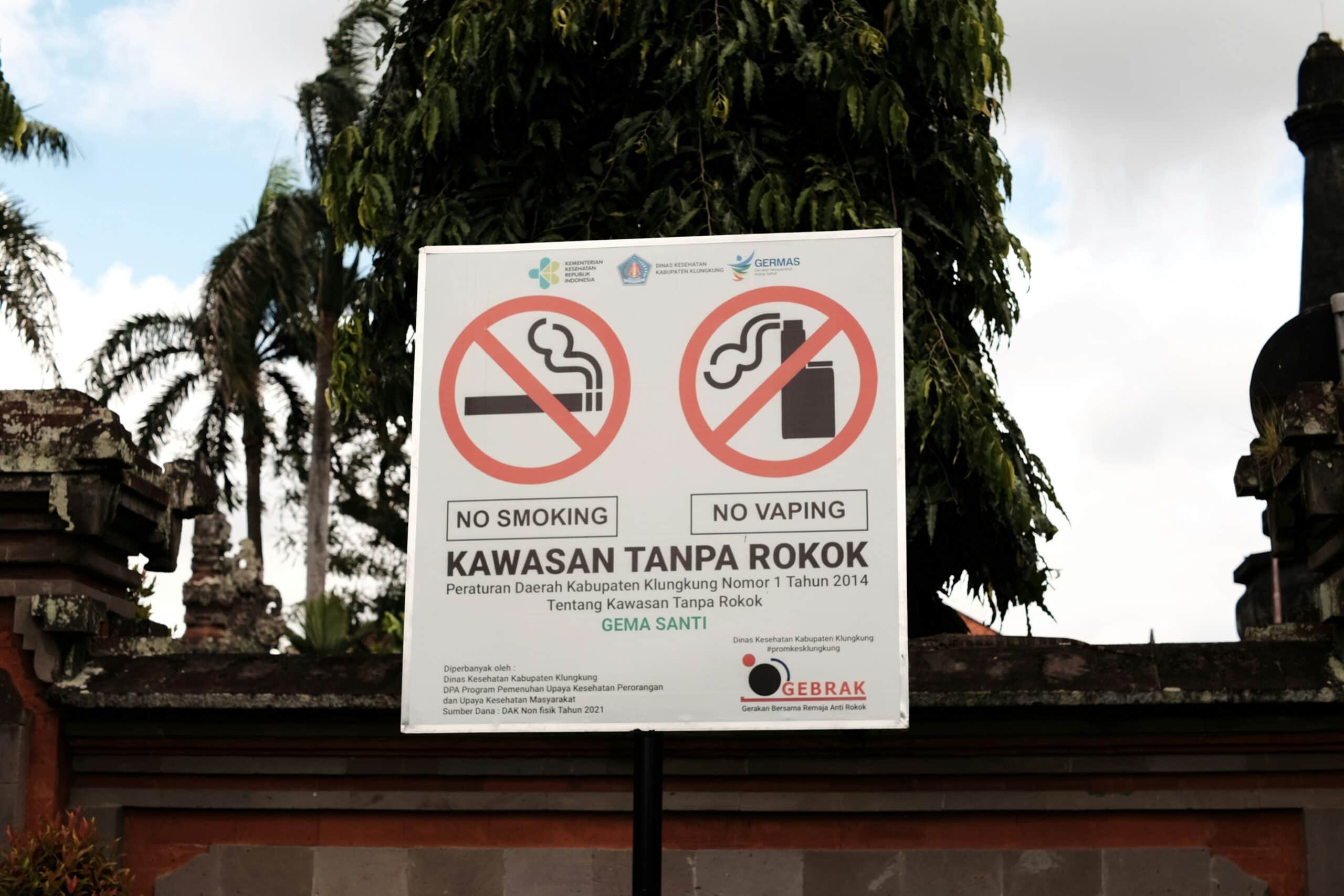
Tourism’s impact is no longer hidden behind postcard views. During certain seasons, beaches collect plastic waste carried in by tides and worsened by local systems under pressure. Water usage has also become a concern in areas dense with villas and resorts. These issues do not erase Bali’s beauty, but they interrupt it. They serve as a reminder that rapid growth has consequences, many of which are now visible to anyone paying attention.
Traffic And Infrastructure Lag Behind Growth
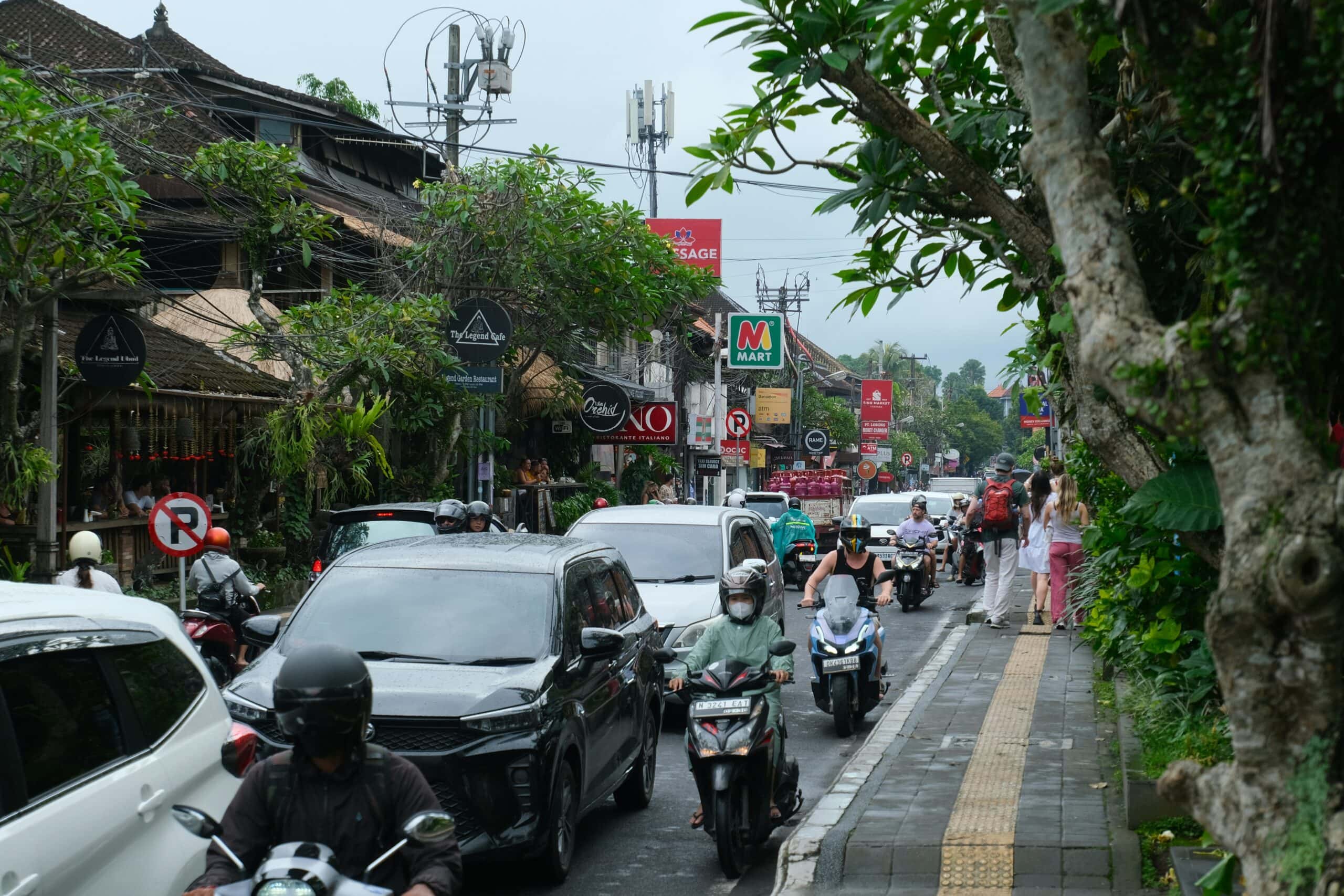
Infrastructure has struggled to keep pace with Bali’s rising popularity, and the result shows up daily on its roads. Traffic builds quickly and lingers, especially in high-traffic corridors where development has surged. What looks like a short distance on a map can take far longer in reality. That constant delay shapes each day, adding friction to simple plans and making movement across the island feel less fluid than expected.
Cultural Tensions Are Quietly Rising
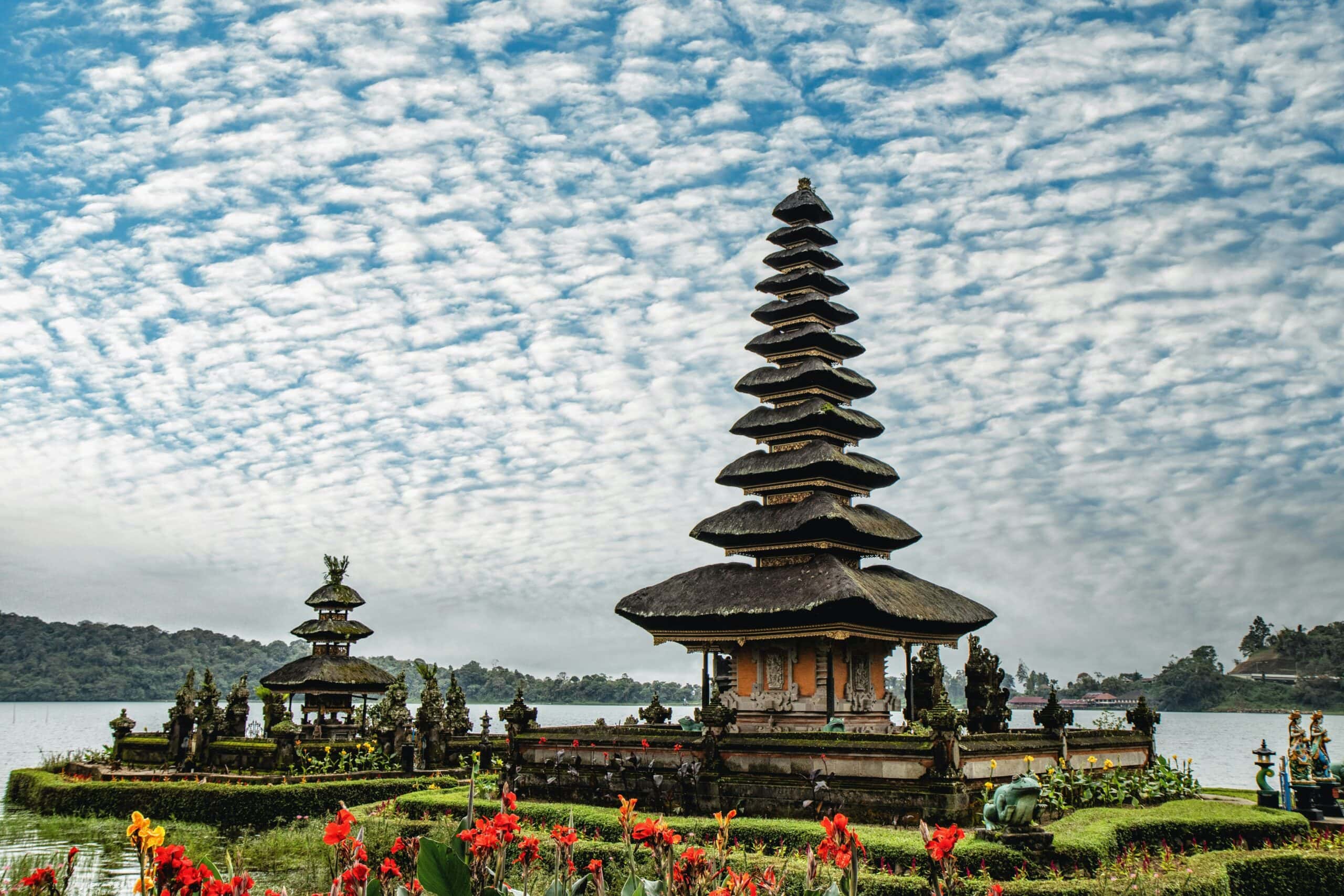
Bali’s traditions remain deeply rooted, but they are being tested in subtle, visible ways. Reports of tourists ignoring temple etiquette or behaving carelessly in sacred spaces have created frustration among locals. Ceremonies continue to take place daily, yet there is a growing effort to protect what they represent. The tension is not loud, but it exists, reflecting the challenge of balancing respect, tourism, and cultural preservation.
Digital Nomad Culture Is Transforming Communities

Remote workers have reshaped parts of Bali, especially in areas like Canggu where cafés and coworking spaces now define entire neighborhoods. This shift brings economic opportunity, but it also changes the local atmosphere. For some residents and returning visitors, the sense of place feels diluted. Familiar rhythms are replaced with something more global, where the island’s identity begins to blend with influences from elsewhere.
Beaches Are Not Always As Pristine As Expected
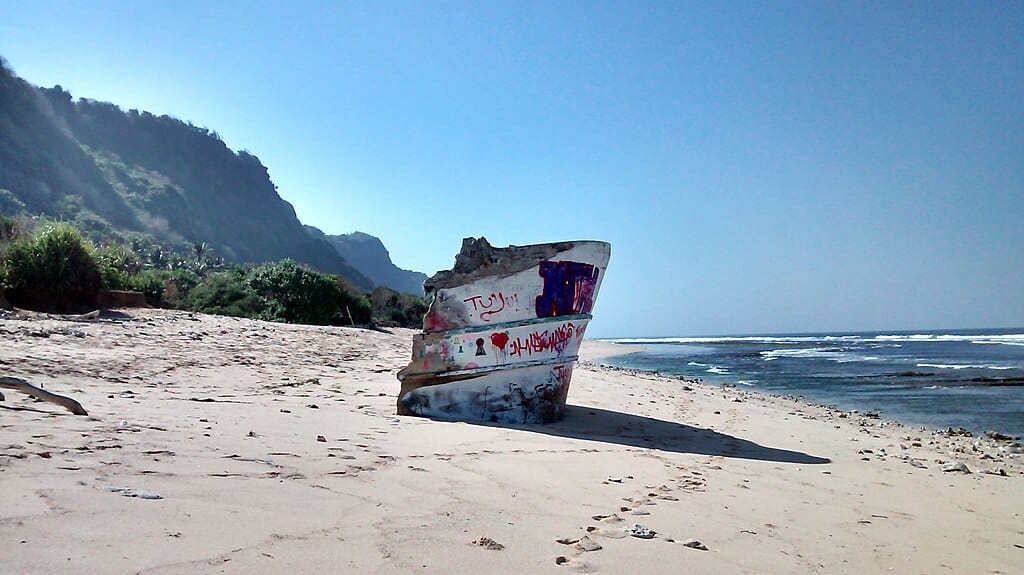
Bali’s coastline still offers striking beauty, but it is no longer consistent across every stretch. Some beaches remain clean and peaceful, while others show the effects of crowding and seasonal waste. Development has also moved closer to the water in many areas, altering the natural feel of the shore. Visitors expecting untouched scenery everywhere often find a mix instead, where beauty and impact exist side by side.