Travel Experts Know These Exact Shoulder Season Windows — The Weeks When Popular Destinations Cost Half as Much and Have None of the Crowds
We may earn money or products from the companies mentioned in this post. This means if you click on the link and purchase the item, I will receive a small commission at no extra cost to you ... you're just helping re-supply our family's travel fund.
In late September 2024, a friend of mine flew to Italy and paid $380 for a round trip from New York. She stayed in a four-star hotel in Florence’s historic center for $89 a night. The Uffizi had a wait of twenty minutes. The streets around the Duomo were walkable. The restaurants were happy to see her.
Six weeks earlier, those same flights were $890. The same hotel was $210. The Uffizi had a two-hour wait and an advance booking requirement. The streets were shoulder-to-shoulder.
The weather difference? About 7 degrees Fahrenheit and slightly shorter days.
This is not a coincidence. It is the shoulder season, and it is the single most reliable travel hack that exists — not a credit card trick, not a mistake fare, not a secret airline code. Just timing.
Europe’s Best Shoulder Season Windows (With Exact Weeks)

Europe has two shoulder seasons: late spring (mid-April to late May) and early fall (mid-September to late October). For most Mediterranean destinations, fall shoulder is better because the sea is still warm and the light is extraordinary.
- Italy The magic window: September 15 – October 20. After summer crowds clear and before October half-term brings British families. Tuscany in mid-October has harvest festivals, no tour bus gridlock, and restaurant owners who have time to talk to you. Flights to Rome or Florence from U.S. cities in this window are typically 30–50% cheaper than July or August.
- Greece Window: September 10 – October 10. Sea temperature is still above 75°F (warmer than most of the summer for northern Europeans, who represent the bulk of summer visitors). Hotels on Santorini that are $400/night in August are $150–$180 in late September. The iconic caldera views have actual space around them.
- Portugal Window: October 1 – November 15. Portugal’s mild Atlantic climate means October is genuinely comfortable — average highs of 68–72°F in Lisbon. The Algarve beaches are nearly empty by mid-October despite the weather remaining excellent. Lisbon flights from the East Coast in October are among the cheapest transatlantic fares available.
- Spain Window: Late September – November 1 for Barcelona and Madrid; March–May for the Costa del Sol. Spring in southern Spain before British holiday season begins is criminally underused.
- France / Paris Window: First two weeks of September (before French school term ends and expats return from summer holidays) and first three weeks of November. Paris in November is not for everyone — it’s gray and occasionally cold. But it is also gorgeous, uncluttered, and priced for Parisians rather than tourists. Museums have actual space around the art.
The Caribbean’s Hidden Sweet Spot That Isn’t Hurricane Season
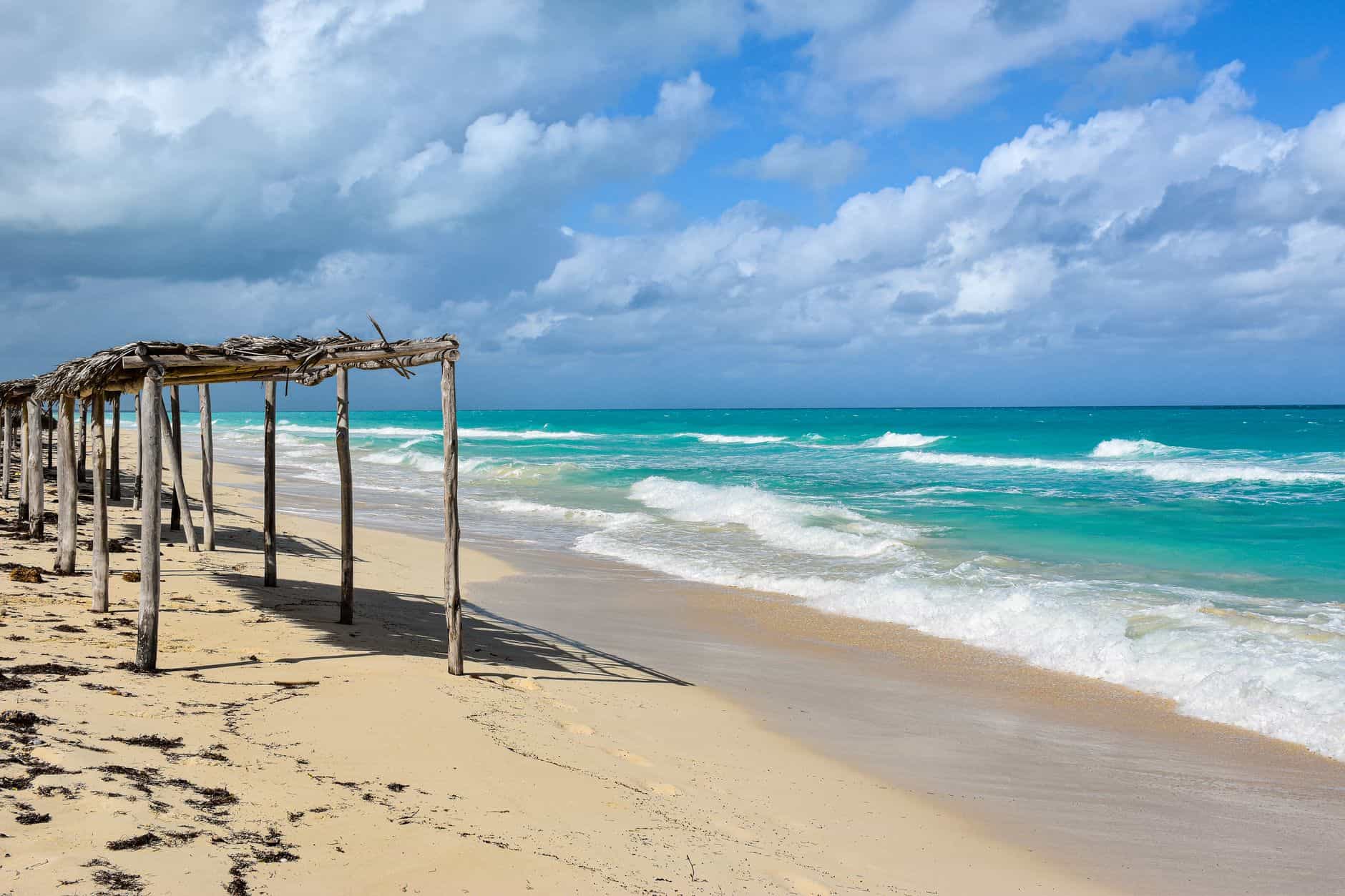
The Caribbean shoulder season gets a bad reputation because it overlaps with hurricane season (June 1 – November 30 officially). This causes most travelers to avoid the region entirely in summer and fall, which is precisely what makes it appealing.
The nuance that matters:
- The statistical peak of hurricane activity is mid-August through mid-October
- Most hurricane activity affects specific corridors (the Gulf of Mexico, the Windward and Leeward Islands) more than others
- The ABC Islands (Aruba, Bonaire, Curaçao) sit south of the hurricane belt and have historically had very limited hurricane exposure
The best windows:
- Late April – June 1 Post-spring break, pre-hurricane season. Hotel rates in the Caribbean drop 25–40% in May. The weather is excellent — temperatures in the low 80s, lower humidity than peak summer, and water clarity that rivals the high season.
- November 15 – December 15 Before Christmas holiday pricing kicks in. The end of hurricane season has passed, prices remain lower, and the islands are quiet. One of the most underrated travel windows in the Western Hemisphere.
Southeast Asia: The Windows Nobody Talks About

Southeast Asia is complicated because “shoulder season” varies dramatically by country and region — the monsoon patterns move across the continent in waves, so different countries have different optimal timing.
- Thailand The crowds at Chiang Mai peak during the Yi Peng Lantern Festival (November) and at the beaches during December–February. The shoulder window is late September – early November, between the tail of the monsoon and the surge of European winter travelers. Prices drop noticeably, the north has just been cleaned by rains, and the heat is more manageable than the dead of summer.
- Vietnam The country’s north-south geography creates a rolling optimal season. Hanoi and the north are best September–November and March–April. Hoi An and central Vietnam are best February–May. The shoulder edges on these windows — early March, late October — offer the conditions with lower demand.
- Bali Peak months are July, August, and the Christmas/New Year period. The shoulder windows are May–June and September–early October. Late September Bali has warm dry days, lower accommodation rates, and the rice terraces at their most photogenic after the rains have finished.
National Parks: The Weeks Between the Chaos

American national parks now require advance reservations for popular entry windows — Yosemite, Yellowstone, Zion, and Arches among them — because summer demand has become so extreme.
The shoulder windows:
- Yellowstone September 10 – October 10. The crowds from August have dissolved. The elk rut happens in September — one of the most spectacular wildlife experiences on the continent. Hotels in the park drop from $350+ to $150–$200. No reservation required for most areas after Labor Day.
- Zion National Park March 15 – April 15 and October 15 – November 15. Zion in mid-October has fall color, temperatures in the 60s, and a fraction of the summer crowds. The Narrows wade is cold but doable with the right gear. Lodges in Springdale go from sold-out to available on short notice.
- Glacier National Park September 1–30 is the sweet spot. Most Going-to-the-Sun Road conditions are excellent, fall color is beginning, and the crowds that make August miserable have largely departed. This is arguably the best single month in any U.S. national park.
- Acadia National Park First two weeks of October. New England fall foliage combined with the dramatic coastline. Still warm enough to hike Cadillac Mountain comfortably. Bar Harbor has good restaurant availability and lodging at non-peak prices.
Japan: The One Time of Year Every Tourist Arrives at Once (And When Not to Go)
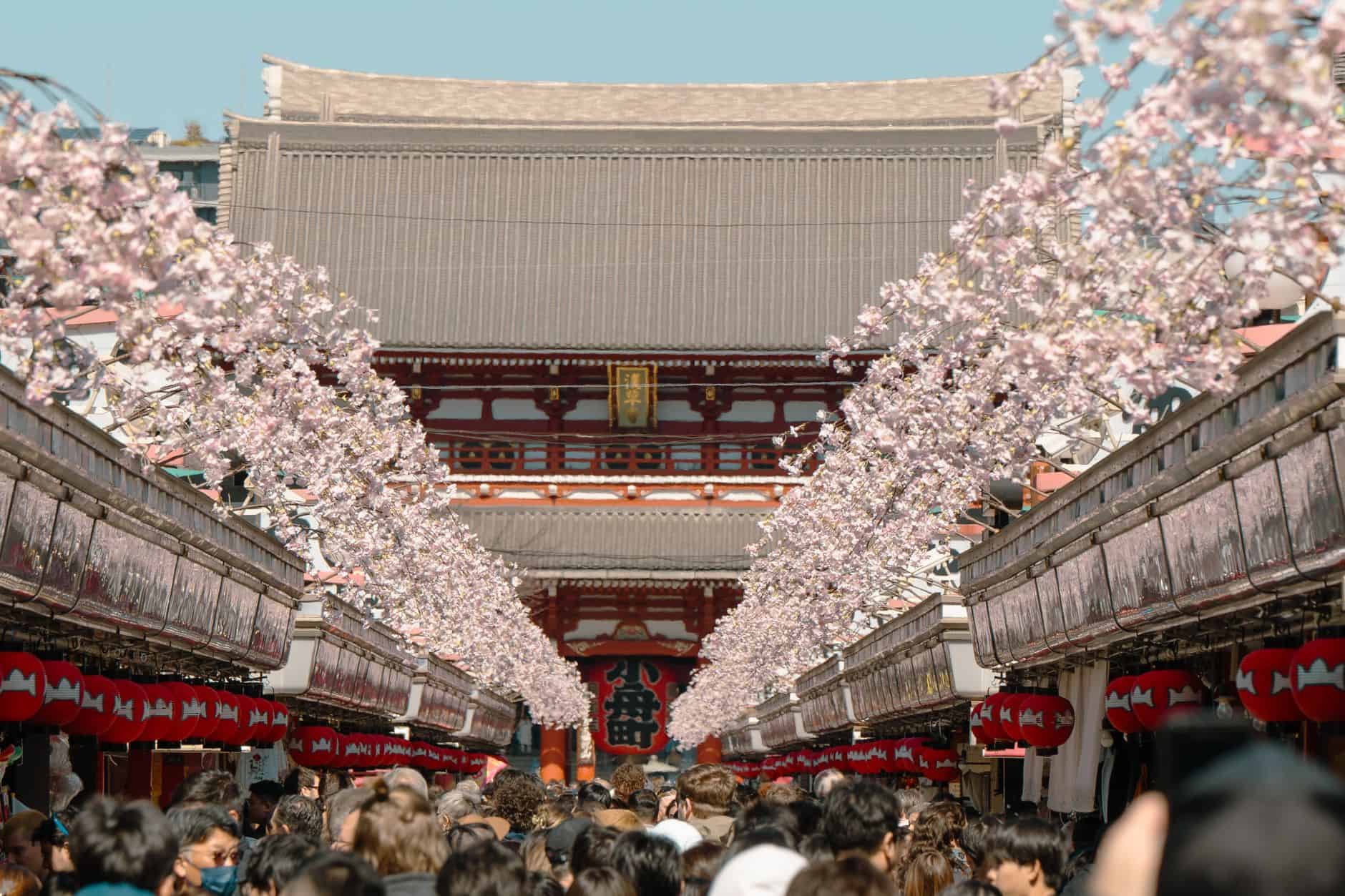
Japan is the most extreme case of peak-vs.-shoulder divergence in all of international travel. Cherry blossom season (late March through mid-April) and autumn foliage season (mid-November through early December) are extraordinary but now overwhelmed with tourists at a level that borders on unpleasant.
Kyoto in late March 2024 had wait times of 45 minutes at popular temples — temples that are free to enter, but now so crowded that queuing is required. Hotel rates in peak weeks can exceed $500/night for a mid-range property.
The shoulder windows:
- Early June Just after peak cherry-blossom tourism ends. Rainy season is beginning (which some people like and some don’t) but crowds have dropped dramatically. Hydrangeas are blooming. Prices are significantly lower.
- Late September – mid-October Before autumn color peaks. Still warm, lower humidity than summer, domestic tourism lower than either peak season. This is among the most pleasant times to be in Tokyo — still no crowds, comfortable temperatures.
- January – February The most underrated Japan travel window. Winter in Japan means possible snow in Kyoto (magical), hot springs season at their most appealing (soaking in an onsen during snow is a transformative experience), and Tokyo hotels at their most affordable. Yes, it’s cold. Pack accordingly.
How to Book Shoulder Season Travel Without Getting Burned

- Check weather data, not just crowd data. Google “[destination] average weather by month” and look at the historical averages, not just the best-case projections. Some shoulder seasons are cheap for good reason — the weather is genuinely not pleasant.
- Book flights first, then accommodation. Flight prices change more rapidly than hotel prices. Lock in airfare when you find a good shoulder-season price, then shop accommodation.
- Check school holiday calendars for the destination country — not just the U.S. A Greek island hotel might be empty for Americans in late September but still crowded with German and British families during their October half-term break.
- Use Google Flights’ price calendar view. Select a month and see prices for every day — the shoulder windows are visually obvious when you look at a full month’s pricing grid.
- Check cancellation policies carefully. Shoulder season flexibility is part of the value — book refundable rates when the price difference is minimal, so you can adjust if a weather window looks bad two weeks out.
The shoulder season is the open secret of people who travel a lot. They don’t go to Paris in August. They go in November and pay half the price and see all the same things without sharing them with half of Ohio.