What a Cruise Actually Costs in 2026 — The Full Honest Number After Every Add-On They Don’t Tell You About
We may earn money or products from the companies mentioned in this post. This means if you click on the link and purchase the item, I will receive a small commission at no extra cost to you ... you're just helping re-supply our family's travel fund.
Let me give you a real number.
A couple I know booked a 7-night Caribbean cruise on Royal Caribbean’s Navigator of the Seas in early 2026. Their advertised stateroom rate: $798 per person, $1,596 total. By the time they were done paying for everything — every single thing that the cruise experience requires — they had spent $5,340.
That is 3.3 times the advertised price.
This is not unusual. This is approximately normal.
The cruise industry is structurally optimized to show you the lowest possible number in the advertisement and recapture revenue at every subsequent step. This is not a secret — it is a documented business model discussed openly in cruise industry investor presentations. The base ticket is the acquisition mechanism. The add-ons are the profit center.
Here is every component, with current 2026 pricing where available.
The Advertised Price: What You Think You’re Paying
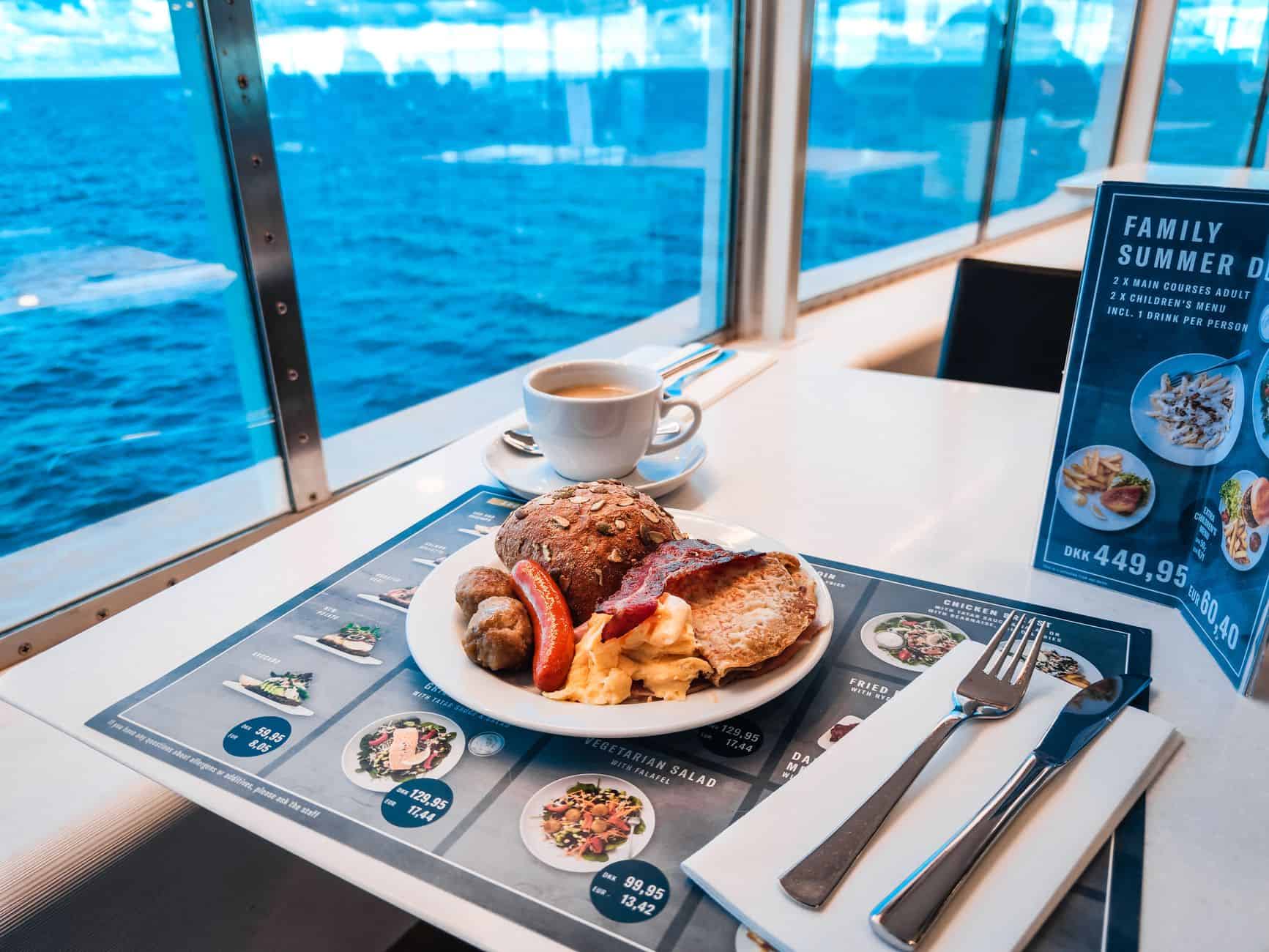
The headline number in cruise advertisements covers one thing: your cabin for the duration of the cruise. It includes your berth, access to most public ship spaces (pool, entertainment, buffet), and that’s broadly it. It does not include:
- Taxes, fees, and port charges
- Gratuities/service charges
- Alcoholic beverages of any kind
- Most specialty dining restaurants
- Shore excursions
- Spa treatments
- Most fitness classes beyond standard gym access
- Internet/WiFi (increasingly critical)
- Laundry
- Photos taken by ship photographers
- Most beverages that aren’t water and basic coffee/tea
The advertised rate is, in cruise industry terminology, the “cruise fare.” Everything else is “onboard revenue” — and onboard revenue is how cruise lines make the majority of their profit margin per passenger.
Taxes, Fees, and Port Charges: The First Surprise
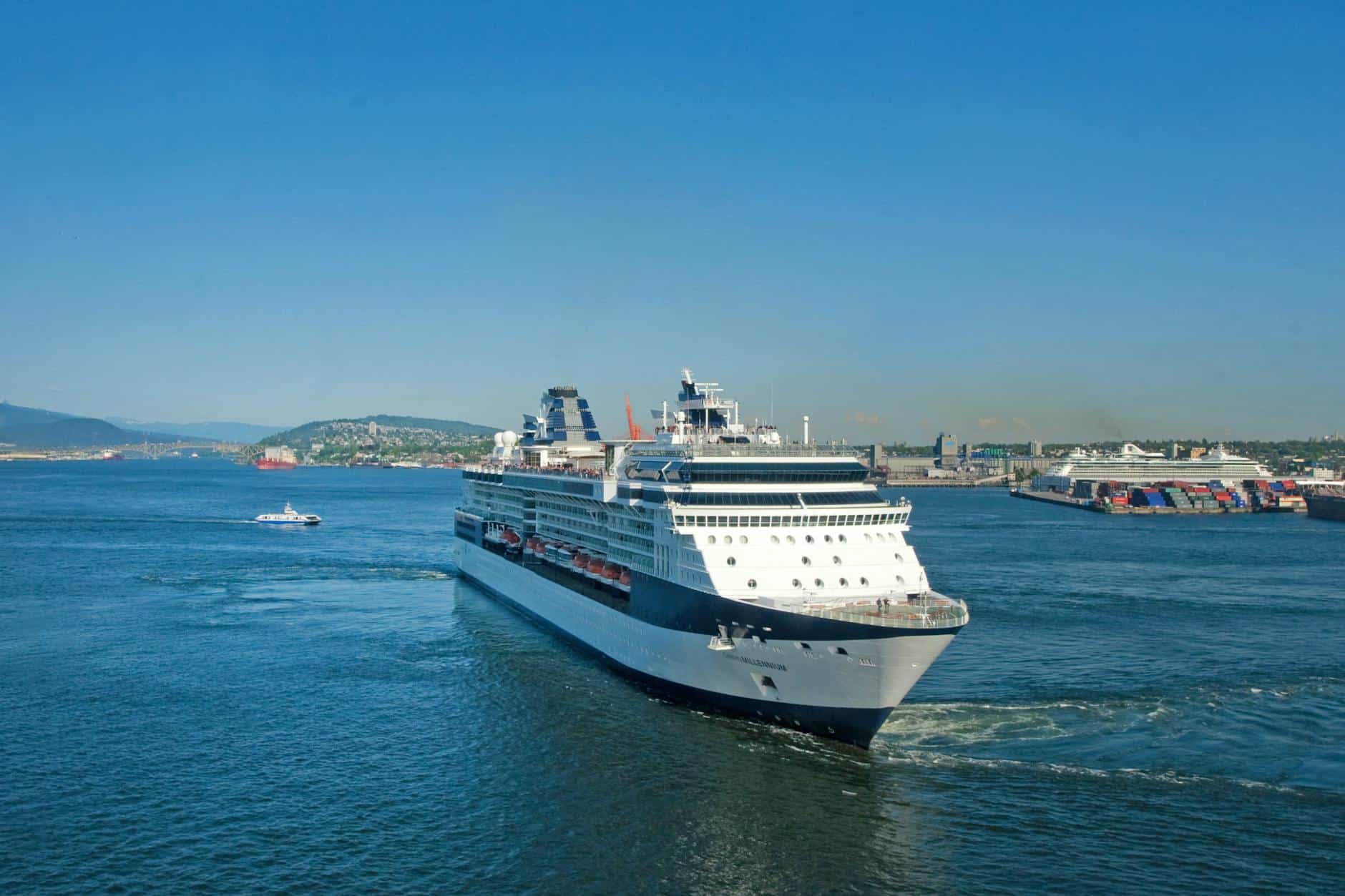
Added at checkout, typically, after you’ve already emotionally committed to the itinerary.
Taxes, fees, and port charges are not negotiable and are not optional. They vary by itinerary — Caribbean sailings from Florida typically run $150–$250 per person for a 7-night cruise. Alaska sailings can run $300–$400 per person due to higher port fees at Juneau, Ketchikan, and Skagway. European river cruises can have port charges of $500–$800 per person.
On a 7-night Caribbean cruise, budget:
- Taxes, fees, and port charges: approximately $200 per person
The Gratuity System: Mandatory Tips You Didn’t Know Were Coming
This is the one that generates the most passenger frustration, and arguably the most important thing to understand before you book.
All major cruise lines charge an automatic daily gratuity (sometimes called a “service charge” or “daily crew appreciation”). In 2026, these rates are:
- Royal Caribbean: $18.50–$20.50/person/day depending on cabin category
- Carnival: $16–$18/person/day
- Norwegian: $20/person/day (and often included in their “Free at Sea” promotional packages)
- Celebrity: $18–$23/person/day depending on cabin
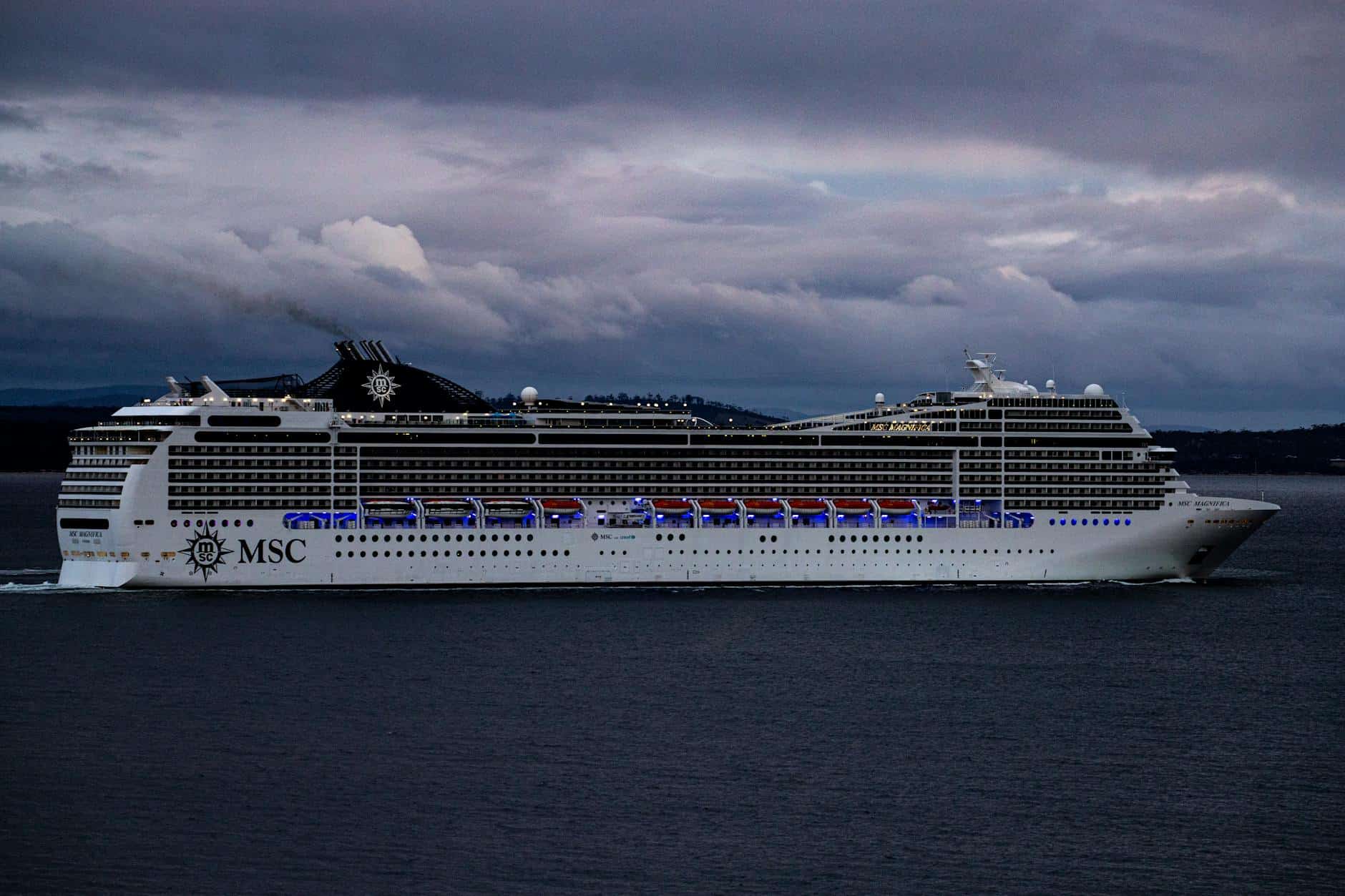
- MSC: $15/person/day
On a 7-night cruise with two passengers:
- Carnival: approximately $224 total
- Royal Caribbean: approximately $259–$287 total
- Celebrity: approximately $252–$322 total
This charge is added daily to your onboard account. You can, technically, remove or reduce it by visiting guest services — but this redirects tips away from the workers who served you throughout the cruise. The ethical framework around cruise gratuities is genuinely complicated, because cruise ship workers earn base wages structured around the expectation of these service charges.
Budget $18–$20/person/day as a minimum.
The Drink Package Gamble: Do the Math Before You Buy
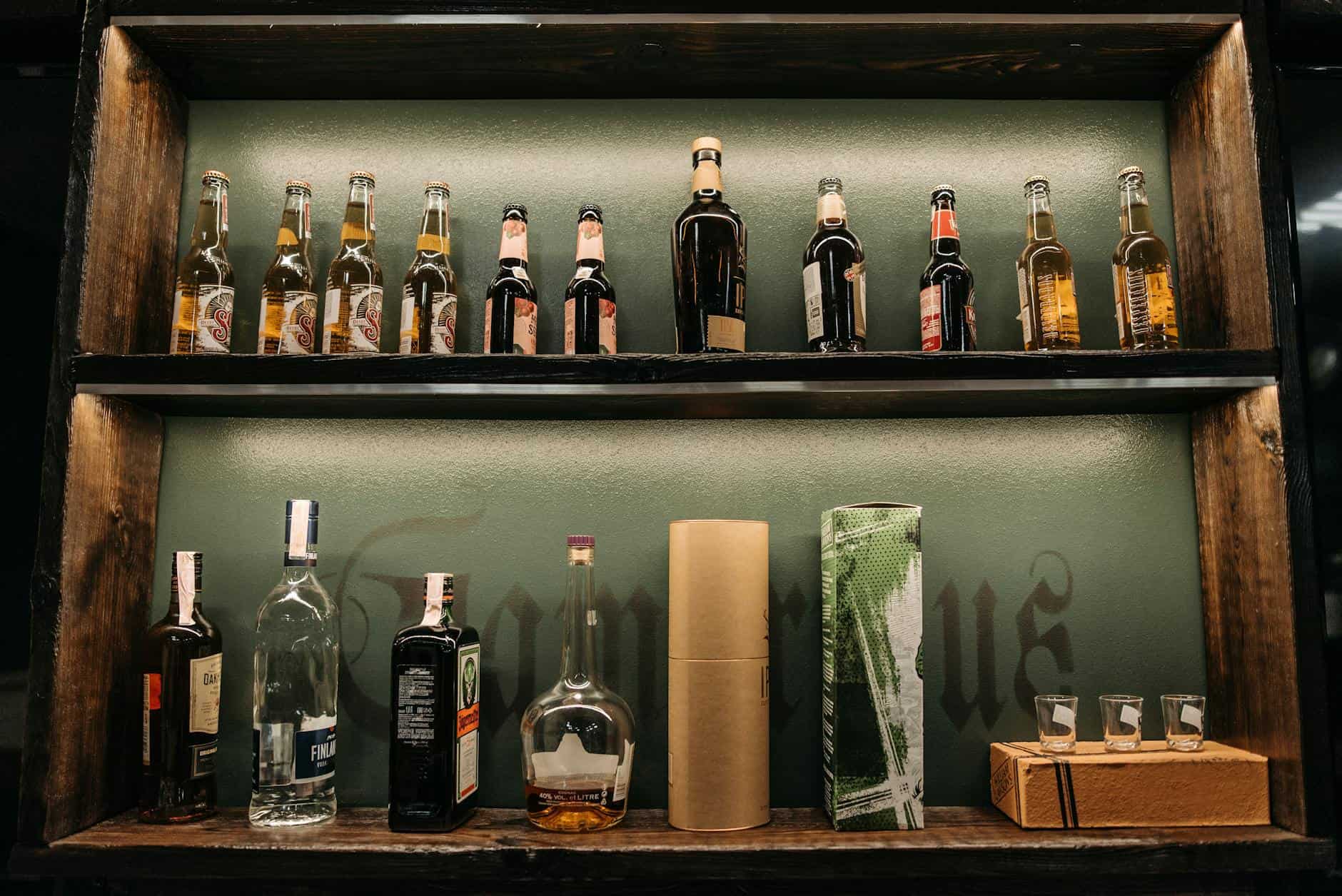
Drink packages are one of the most analyzed financial decisions in cruise travel. Here is the arithmetic.
Royal Caribbean’s “Deluxe Beverage Package” (unlimited alcoholic drinks up to $15 value, sodas, specialty coffees) costs approximately $75–$100/person/day in 2026, depending on when you purchase it (pre-cruise online is cheaper than buying onboard).
For a 7-night cruise, that’s $525–$700 per person, or $1,050–$1,400 for two.
The break-even point: you need to consume approximately 5–7 paid drinks per day to justify the package. A glass of wine runs $12–$16. A cocktail runs $13–$18. A specialty coffee is $5–$8.
For heavy drinkers who plan to be at the bar consistently: the package pays for itself. For moderate drinkers (2–3 drinks a day): the math generally doesn’t work. For non-drinkers or light drinkers: skip it entirely.
The trap many people fall into: buying the package because it feels like a deal and then feeling obligated to drink more than they actually want to in order to “get their money’s worth.” This is cruise line math working exactly as intended.
Key considerations:
- Norwegian Cruise Line often includes a drink package in promotional fares — check what’s included before adding it
- If one person in a cabin buys a package, most lines require both adults in the cabin to buy one
- The packages have limits — typically $14–$15 per drink maximum; premium liquors and some cocktails exceed this and you pay the difference
Excursions: The $300-Per-Person Day That Adds Up Fast
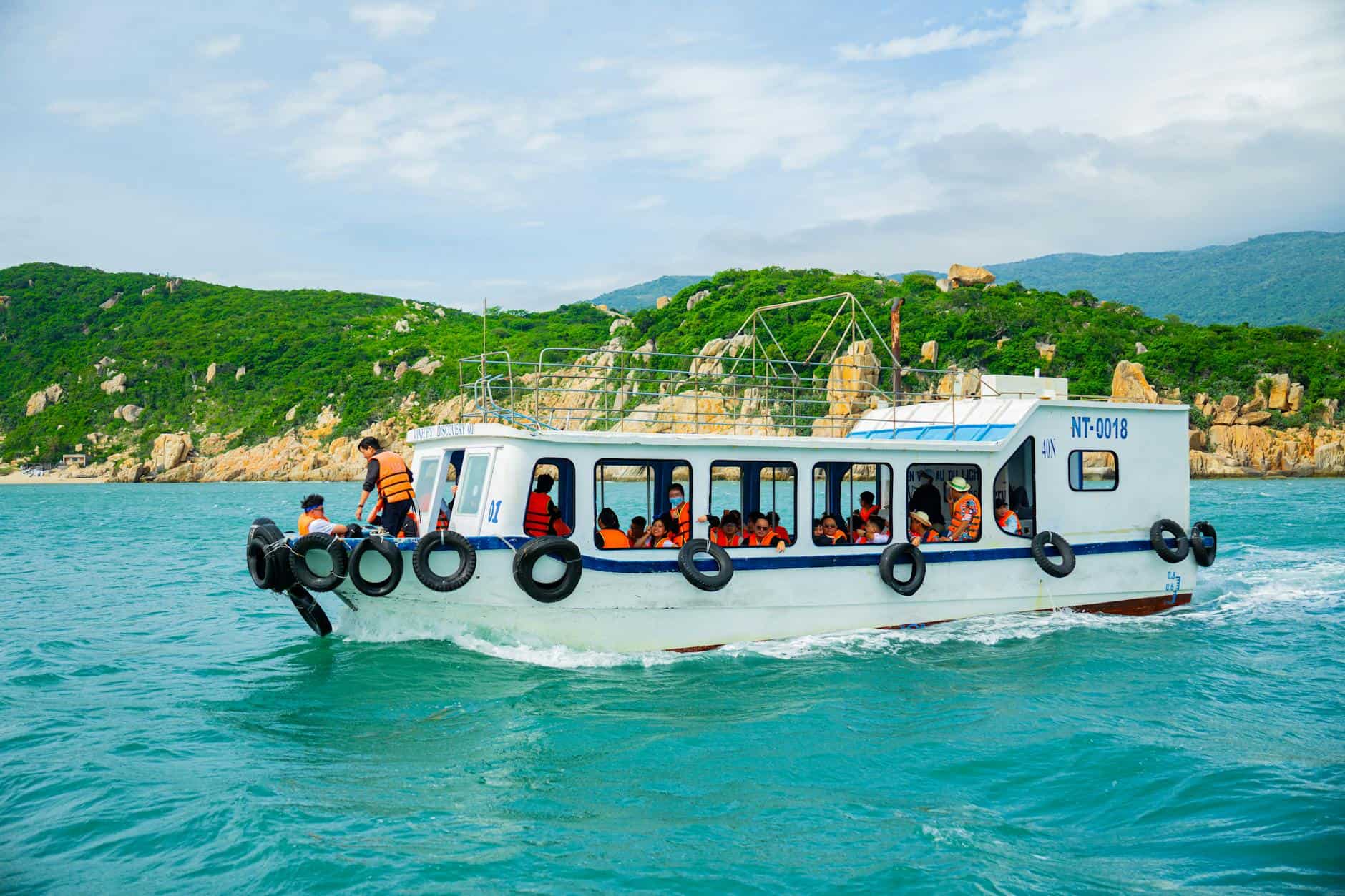
For a 7-night Caribbean cruise, you typically have 4–5 port days. Shore excursions are entirely optional, but staying on the ship at every port is a waste of the itinerary.
Cruise line-organized excursions — snorkeling tours, catamaran trips, zip lines, historical tours, beach clubs — typically run $80–$200 per person per excursion. Premium experiences (private helicopter tours, exclusive beach club access, swim-with-dolphins experiences) run $200–$400+ per person.
For two people doing two excursions each at a port (common on popular Caribbean stops like Cozumel, Nassau, or St. Thomas):
- Conservative (2 ports, 1 excursion each, $100/person): $400 total
- Moderate (4 ports, 1 excursion each, $120/person): $960 total
- Enthusiastic (5 ports, mix of activities, $150/person average): $1,500 total
The workaround that experienced cruisers use: book independent excursions through local operators rather than through the cruise line. You can typically find the same snorkeling trip in Cozumel for $45/person that the cruise line sells for $120. The tradeoff: if you miss the ship because an independent tour runs late, the ship leaves without you (this does happen). Cruise line excursions have a ship-holds-for-you guarantee that independent operators don’t.
The Real Total: What a 7-Night Cruise Actually Costs Per Person in 2026
Here is a fully loaded estimate for two adults on a 7-night Caribbean cruise:
- Base fare $798/person (advertised interior cabin, Caribbean, major cruise line) = $1,596
- Taxes, fees, port charges ~$200/person = $400
- Gratuities $19/person/day × 7 nights × 2 people = $266
- Drink package (optional but common) $85/person/day × 7 nights × 2 people = $1,190
- Shore excursions (3 ports, 1 activity each) $100/person × 3 × 2 people = $600
- Specialty dining (2 dinners) ~$40/person per dinner × 2 dinners × 2 people = $160
- Wi-Fi (1 device package) ~$25/day × 7 nights = $175
- Incidentals (spa, photos, merchandise, casino) variable, budget ~$200
Conservative total: ~$3,000 (skipping drink package)
With drink package: ~$4,587
And this does not include flights to the departure port, pre- or post-cruise hotel nights, or travel insurance — which, for a trip with this many moving financial parts, is genuinely worth having.
The cruise is not a scam. It is a genuine travel experience that millions of people love. But the advertised price and the actual price are far enough apart that every first-time cruiser deserves to see the full number before they decide whether it fits their budget.
With full transparency: many experienced cruisers think the value proposition is excellent when you factor in that the ship is also your hotel, transportation between destinations, and most of your entertainment. They’re right. Just make sure you’re doing that math with the real number, not the billboard one.