Hotel Room Upgrade Secrets That Actually Work in 2026 — Not the Outdated Advice You’ve Already Tried
We may earn money or products from the companies mentioned in this post. This means if you click on the link and purchase the item, I will receive a small commission at no extra cost to you ... you're just helping re-supply our family's travel fund.
Everyone has heard the same advice: arrive early, ask nicely, dress well, and mention a special occasion. Front desk staff have heard all of it too — thousands of times. In 2026, those tactics are so well-known they’ve lost almost all of their power. What actually works is less obvious, more specific, and entirely different from what travel bloggers have been recycling for a decade.
Why the Old Upgrade Advice Stopped Working
The “dress nicely and mention your anniversary” tactic worked in an era when upgrades were a human judgment call made by a single front desk agent. That world is largely gone. Most hotel chains now use revenue management software that algorithmically assigns room upgrades based on occupancy, loyalty tier, rate paid, and length of stay — before you ever walk in the door.
By the time you’re at the desk asking, the system has already made the decision. The agent often can’t override it without a manager approval that draws attention and paperwork. Understanding this changes everything about how you approach an upgrade.
What the Software Is Actually Optimizing For
- Filling premium inventory that hasn’t sold rather than leaving it empty
- Rewarding guests who are likely to return or leave reviews
- Loyalty tier status — this still matters, just not the way most people use it
- Rate paid relative to the base room price (paying rack rate helps)
- Length of stay — longer stays get more consideration
The Timing Window Nobody Tells You About
The best time to request an upgrade isn’t at check-in. It’s the evening before your arrival, between 4 PM and 8 PM local hotel time. That’s when the front desk team is reviewing the next day’s arrivals and assigning rooms — and when they have the most flexibility to move things around before the system locks assignments overnight.
Call the hotel directly (not the 800 number for the chain — the actual property). Ask to speak with the front desk, not reservations. Mention your reservation, ask if there’s any availability in a higher category, and be specific about what you’d enjoy — a higher floor, a corner room, a suite. Vague requests get vague results.
The Exact Language That Gets Results
- “I have a reservation for tomorrow under [name]. I was hoping to check — is there any availability in a room with a better view or higher floor? I’m happy to pay a reasonable upgrade fee if that helps.”
- Offering to pay signals you’re not just fishing for a freebie — it often gets you a better response even if they end up comping it anyway
- Avoid: “It’s our anniversary / birthday / honeymoon” — staff hear this constantly and it’s lost credibility
What Loyalty Status Actually Gets You (and What It Doesn’t)
Loyalty program status still matters — but not all tiers are equal, and most people are in tiers that don’t actually trigger automatic upgrades. The bottom one or two tiers (Silver, Gold in most programs) typically get you late checkout and bonus points. Suite upgrades and room category jumps usually start at the third or fourth tier.
Marriott Bonvoy Platinum, Hilton Diamond, Hyatt Globalist — these are the tiers where upgrades become genuinely reliable. Getting there without staying 50–75 nights per year is hard, but credit card status matches (like the Amex Platinum Hilton Diamond benefit) can shortcut the process.
Credit Cards That Actually Confer Meaningful Status
- Amex Platinum: Hilton Honors Gold status (not Diamond, but still useful)
- Hilton Honors Aspire Card: Hilton Diamond status — the top tier, included with the card
- Marriott Bonvoy Brilliant Amex: Marriott Platinum status
- World of Hyatt Credit Card: Hyatt Discoverist status — bottom tier, but gets you in the system
The Specific Words That Work at Check-In

If you’re at the desk and haven’t pre-called, the framing matters. Don’t ask “Can I get an upgrade?” — that’s the most common and least effective phrasing. Instead:
“I noticed when I booked that you had some availability in [specific room type]. Is that still the case, or has it filled up?” This shows you’ve done your research, signals you know what you’re asking for, and gives the agent a conversational opening rather than a yes/no wall.
If the hotel is at low occupancy, agents often have more latitude. If it’s packed, don’t expect miracles regardless of what you say.
Third-Party Booking vs. Direct — How It Affects Your Upgrade Odds
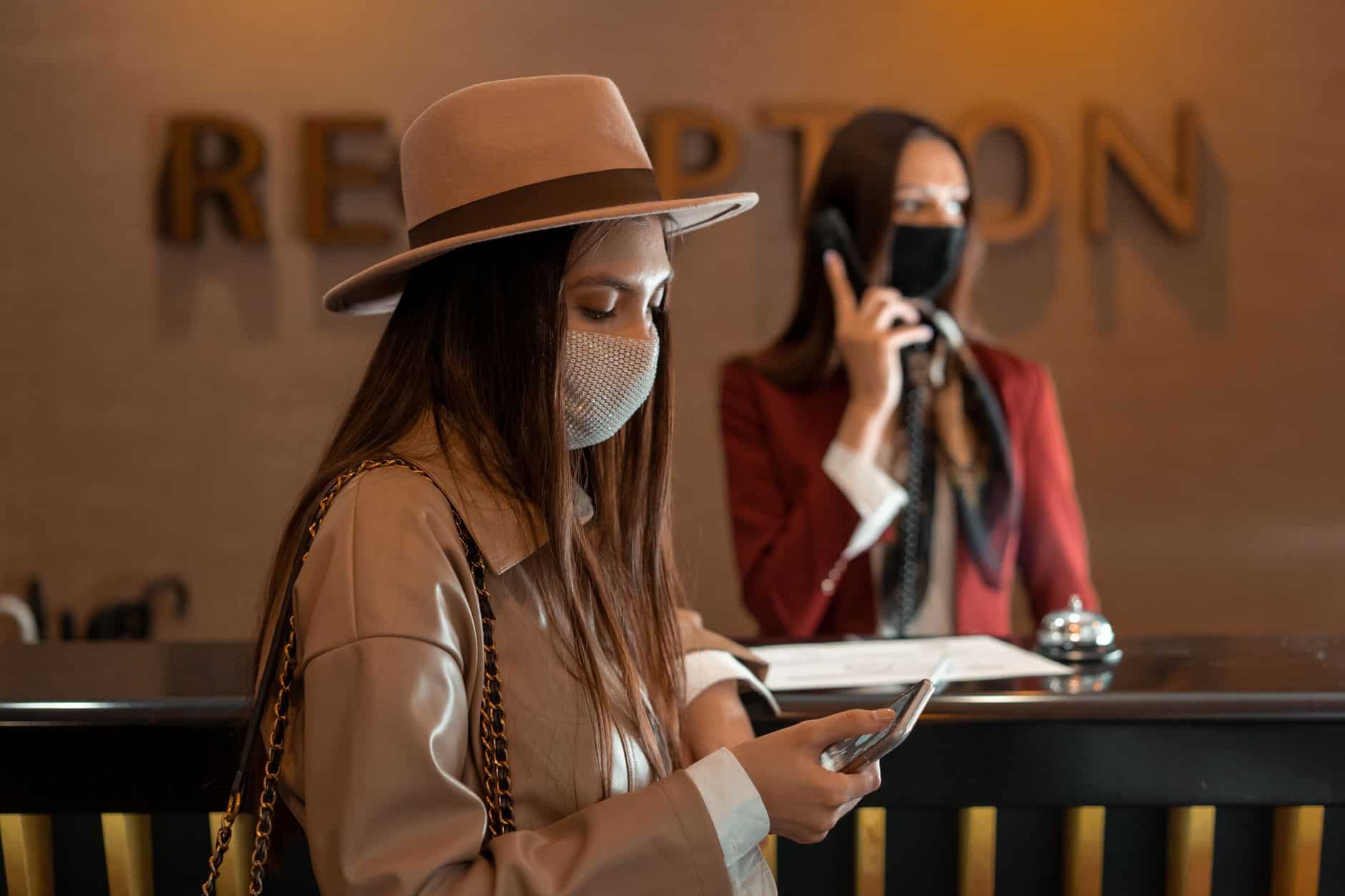
This one is straightforward: booking through Expedia, Hotels.com, or any third-party OTA almost always hurts your upgrade odds. Hotels earn significantly less from OTA bookings after commissions, and their systems flag these reservations differently. Loyalty points typically don’t accrue on OTA bookings, which means no status recognition either.
Book direct — through the hotel’s website or by calling the property. You’ll often get the same rate (or better, since many hotels now offer “book direct” pricing tiers), and you’ll be in the system as a direct guest, which matters.
When Third-Party Booking Might Still Make Sense
- If the price difference is significant (more than 20%)
- If you have no loyalty status and aren’t building toward any
- For boutique or independent hotels that don’t have loyalty programs anyway
- If you’re using a program like Hotels.com Rewards or Expedia One Key that offers its own perks
How to Use the Hotel App to Your Advantage
Most major hotel apps now allow you to select your room before arrival — and this is underused. Marriott, Hilton, Hyatt, and IHG all offer some version of mobile check-in with room selection. When you select your room through the app 24–48 hours before arrival, you’re often seeing the actual available inventory.
If you see an upgrade-category room listed as selectable, you can sometimes claim it directly without any conversation. The algorithm is offering it because it would otherwise sit empty. This is the most frictionless upgrade path available in 2026.
Boutique Hotels vs. Chains — Where Upgrades Actually Happen
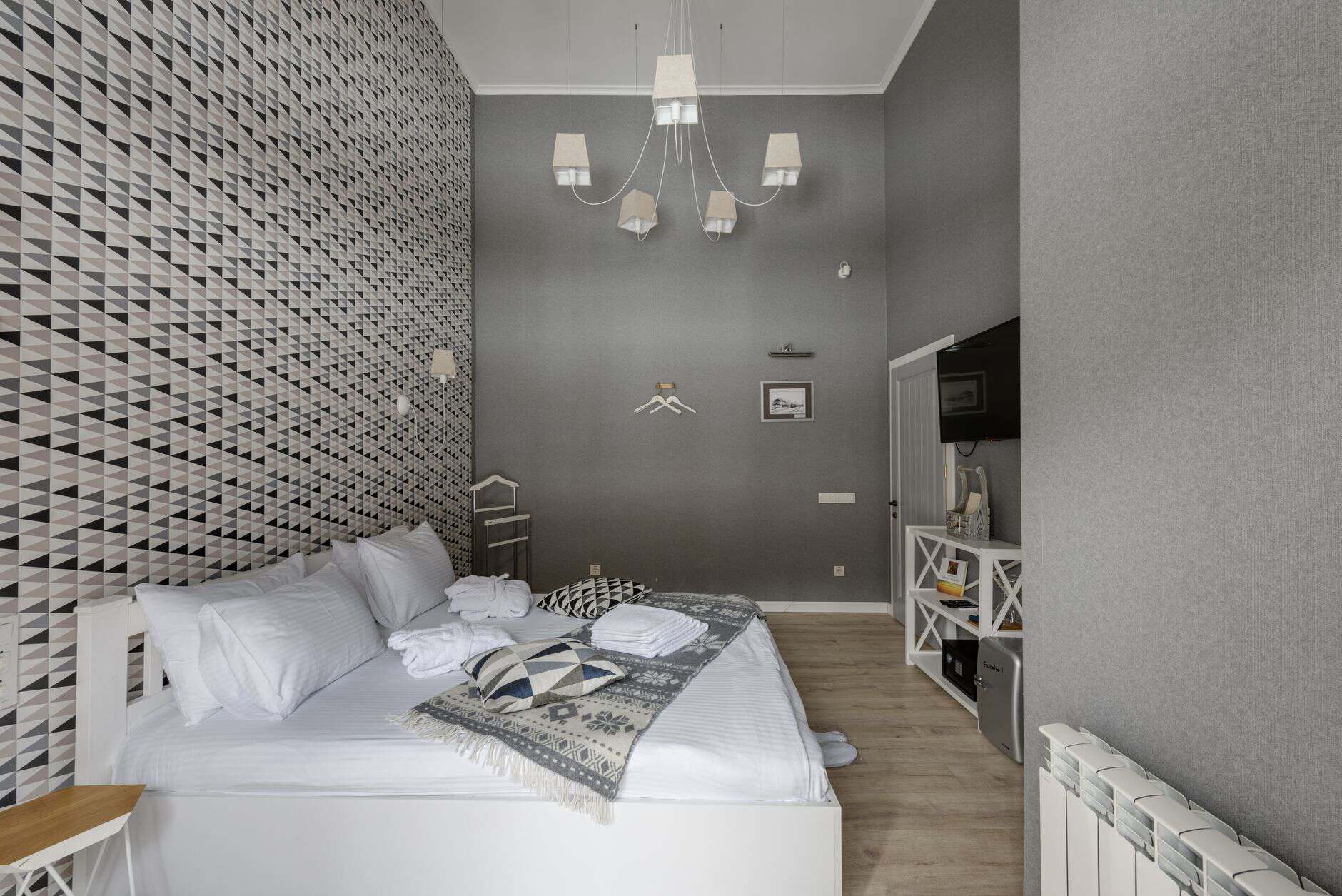
Independent boutique hotels are dramatically better for upgrades than large chain properties, and for a simple reason: the person at the desk often has genuine discretion. There’s no revenue management algorithm overriding them. If you’re a pleasant guest, you mention it’s a special trip, and they have availability, they can just do it.
Building a rapport with boutique hotel staff — returning to the same property, leaving genuine reviews, tipping appropriately — creates a real relationship that major chains can’t replicate. Frequent visitors to the same boutique hotel often get their preferred room type as a matter of course.
What to Do When the Upgrade Doesn’t Come

Sometimes the hotel is genuinely full, the system won’t allow it, and no amount of strategy will change the outcome. In those cases:
- Ask about the room you were assigned — is there a quieter floor, a room away from the elevator, or one with a better view within the same category?
- Request amenities instead: late checkout, early check-in, complimentary breakfast, or parking
- Leave a genuine positive review after the stay and mention your loyalty status — hotels track this and it builds goodwill for your next visit
- Accept the room gracefully. Staff remember guests who make scenes, and not in a way that helps you next time
The guests who get upgraded most consistently aren’t the ones who demand it loudest. They’re the ones who understand the system, ask at the right time, in the right way, and make it easy for staff to say yes.