What Solo Female Travelers Actually Do to Stay Safe — Not the Patronizing Advice, the Real Stuff
We may earn money or products from the companies mentioned in this post. This means if you click on the link and purchase the item, I will receive a small commission at no extra cost to you ... you're just helping re-supply our family's travel fund.
Every travel safety guide aimed at women starts the same way. Don’t walk alone at night. Be aware of your surroundings. Trust your gut. Share your itinerary with a friend.
None of that is wrong. All of it is so obvious that it’s useless to anyone who has thought about the question for five minutes.
Women who actually travel solo — who do it repeatedly, in difficult destinations, across different cultures — have developed a much more specific, situational, and effective body of knowledge. Most of it never makes it into the mainstream safety guides, possibly because those guides are often written for liability reasons rather than to genuinely inform.
Here’s the real version.
Why Most Solo Female Travel Safety Advice Is Useless
The standard advice fails on two fronts. First, it’s too vague to be actionable. Second, it often overstates risk in ways that discourage women from traveling at all.
The statistical reality is that most solo female travelers complete most trips without experiencing serious safety incidents. The risk is real and should be managed — but it’s manageable. The goal of good safety advice is to give you specific tools, not to convince you to stay home.
The advice that actually matters is situational and specific:
- What to do when you feel followed in a specific context
- How to handle a hotel situation where something feels wrong
- Which transportation choices to make at which times of day
- How to communicate confidence in cultures where showing uncertainty increases your vulnerability
The Hotel Room Setup That Actually Matters
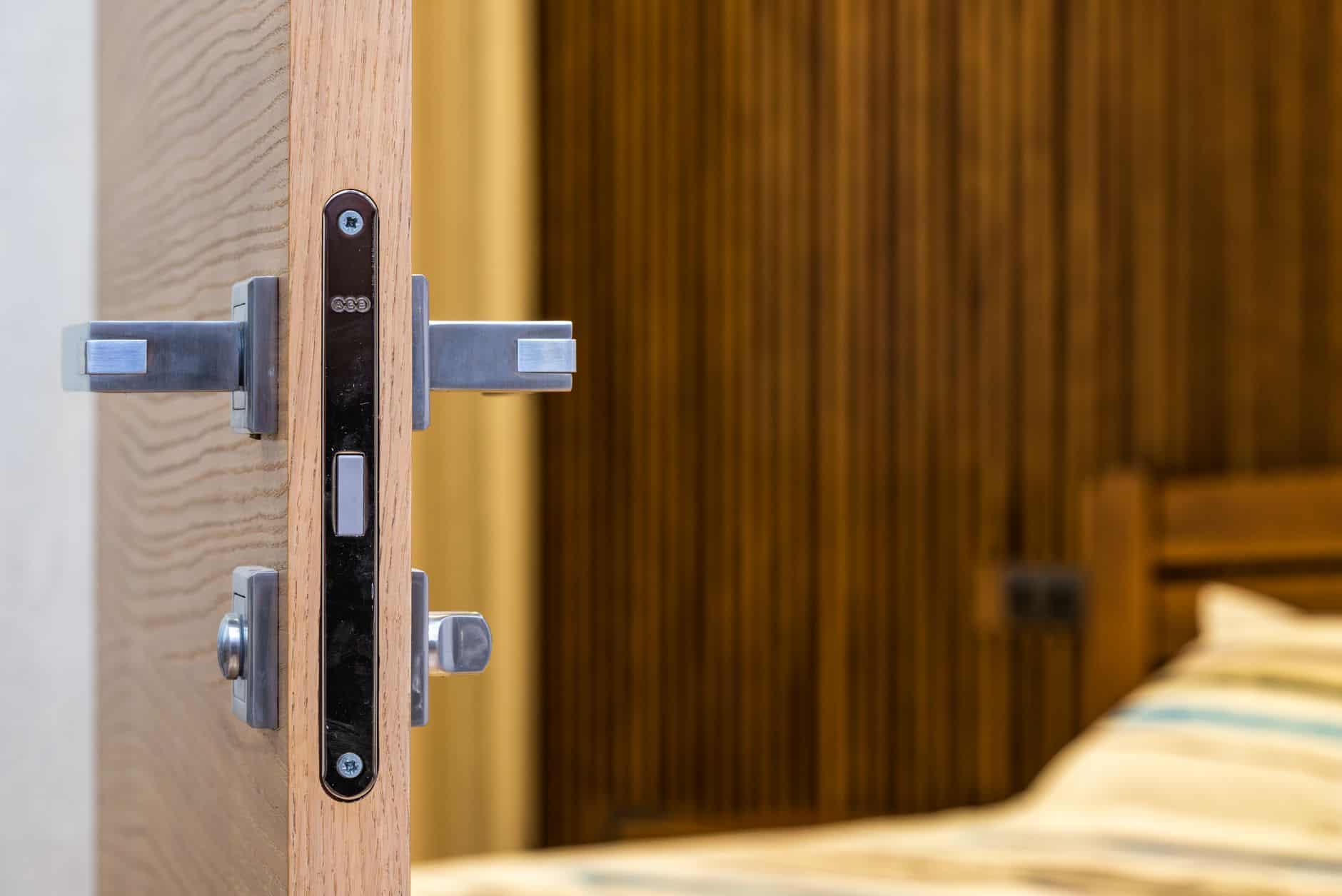
Experienced solo travelers have specific hotel-room protocols that go well beyond “use the deadbolt.”
- Always ask about the room location before accepting it. Ground floor rooms are convenient but expose you to window-entry risk. Rooms near emergency stairwells offer quick exit options. Rooms at the end of long corridors are quiet but expose you to a single approach. Most experienced travelers request mid-floor, near the elevator, not at the hall’s end.
- The rubber door stopper. A $5 rubber doorstop wedged under your door from the inside is more reliable than any electronic lock. Card locks can be bypassed; master keys exist; doorstops work with physics. Thousands of solo travelers pack one. It’s the single most universally recommended physical security tool.
- Test the room before unpacking. Walk through it. Check the closet, the bathroom, under the bed. This sounds paranoid. Every woman who has discovered someone hiding in her room is glad she checked.
- Don’t reveal your room number in the lobby. If the desk clerk calls your room number out loud while handing you the key card, ask quietly for a different room and a reissued key. Someone nearby now knows where you’re sleeping alone.
- Use the “Do Not Disturb” sign consistently. This signals occupancy. Many experienced travelers leave it on even when they’re out.
How Experienced Travelers Handle Harassment in Real Time

Street harassment and unwanted attention look different by country and city, and the most effective response strategies are culturally calibrated.
General principles that work across most contexts:
- Don’t engage the question. When someone calls out to you or approaches with a leading question, the instinct is to be polite and answer. This signals that you can be drawn into conversation. Look through them, not at them, and keep moving.
- Walk with a target. Walk directly toward something specific — a door, a person, a vehicle. Directionless wandering signals that you don’t know where you are. People who know where they’re going are less interesting targets.
- Anchor to a business. If you feel followed or want to stop and regroup, walk into any business — a pharmacy, a café, a shop. You’re no longer alone. Most followers won’t enter.
- Make noise in dangerous escalations. If a situation escalates past uncomfortable into genuinely threatening, loudness is your asset. A loud, firm, public scene creates witnesses and social pressure in most cultures. This is not the moment for quiet politeness.
Cultural calibration matters. In some countries, making direct eye contact signals interest. In others, avoiding it entirely signals fear. Time in-country with local women’s travel communities (Facebook groups for solo female travelers by destination are genuinely useful here) teaches these nuances faster than any guidebook.
The Phone Strategy That Changes Everything
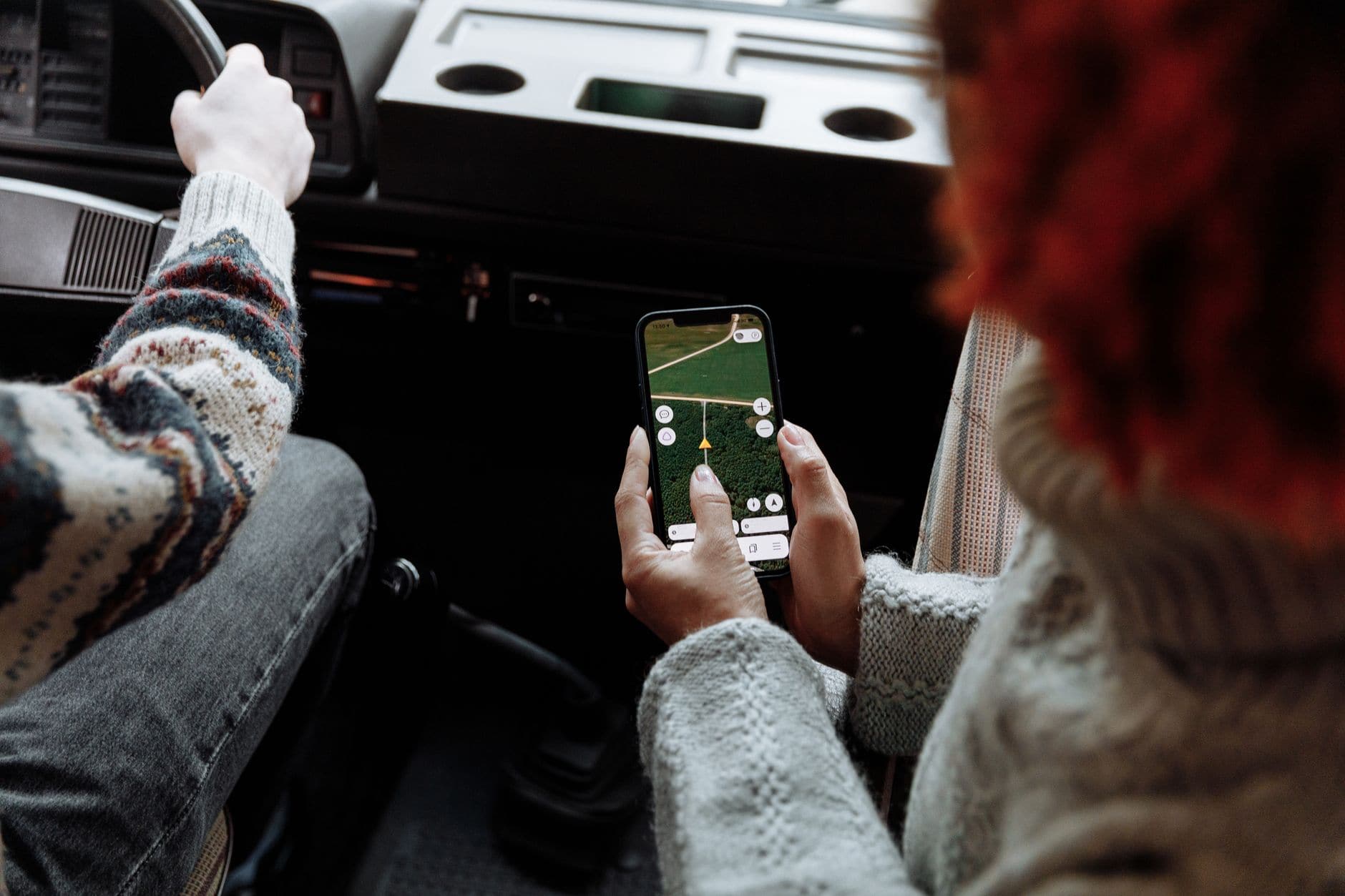
Your phone is your most critical safety tool and your most significant vulnerability. Here’s how experienced travelers handle both:
- Download offline maps before you arrive. Google Maps offline downloads work remarkably well and eliminate the “staring at a screen trying to find signal” situation that identifies you as lost and potentially vulnerable. Maps.me is another strong option with smaller file sizes.
- Know your emergency number before you land. It’s not 911 in most countries. Know the police, ambulance, and fire numbers for your destination. Save them in your contacts before you board.
- Keep your phone charged with a portable battery. A dead phone eliminates your communication, navigation, payment, and documentation capabilities simultaneously. A 10,000 mAh power bank is a non-negotiable piece of gear.
- Use a screen protector that reduces visibility from the side. Privacy screen protectors prevent people standing near you from reading your screen — both for general privacy and so that people can’t read your address when you’re looking up navigation.
- Share your live location with someone at home. Google Maps and Find My allow continuous location sharing with selected contacts. Experienced travelers set this up before every solo trip. Your person at home doesn’t need to monitor it constantly — they just need access if something goes wrong.
Transportation Decisions That Reduce Risk by 80%
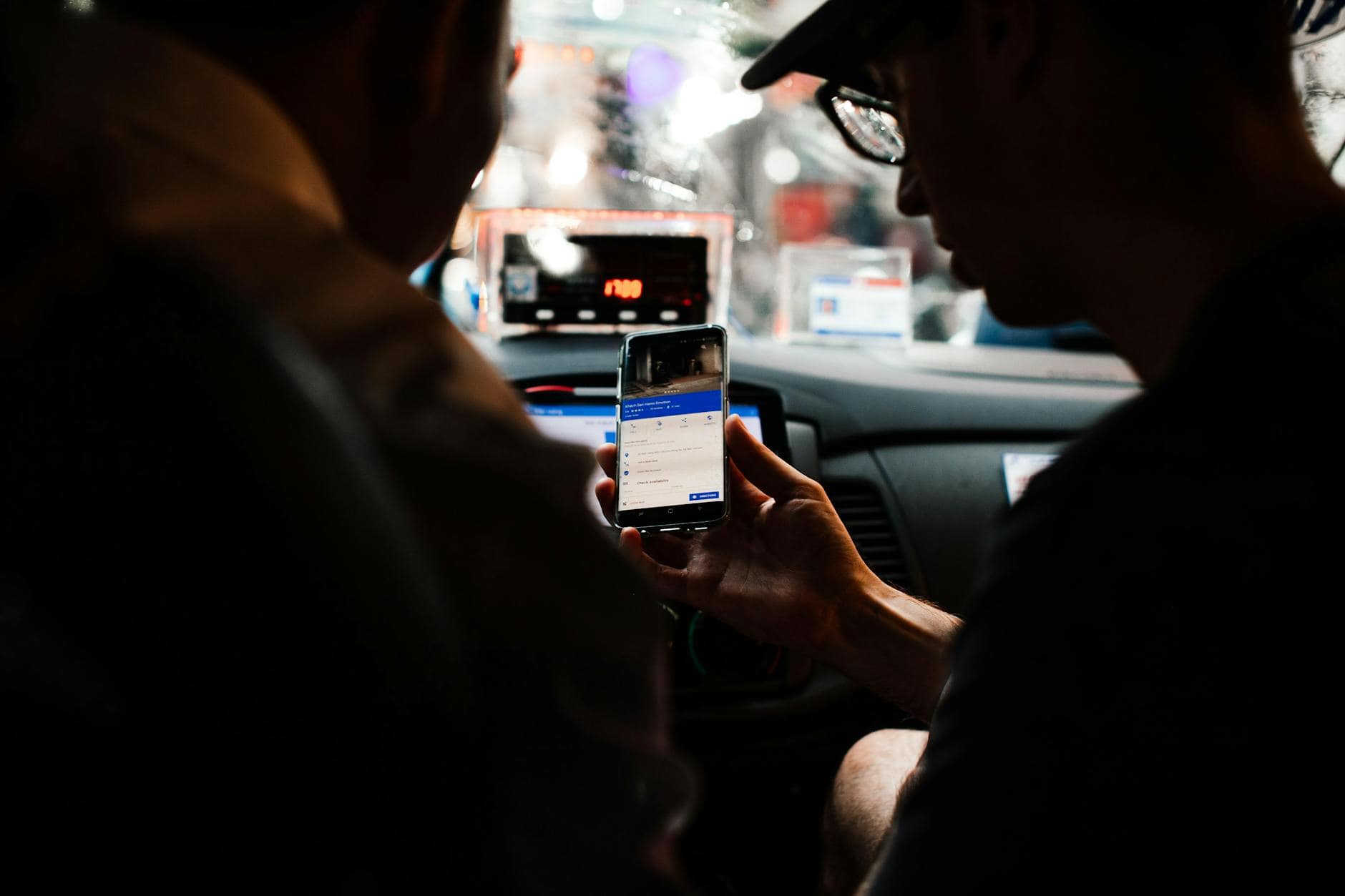
Most safety incidents involving solo travelers happen during transportation — getting to and from places, especially at night and in unfamiliar cities.
The decisions that matter most:
- Always book your first-night transport in advance. Arriving in a new city exhausted and trying to figure out transportation in real time is the highest-risk situation. Know exactly how you’re getting from the airport to your accommodation before you land.
- Use app-based rideshare whenever it’s available and avoid unmarked taxis. Uber, Lyft, Grab, and their local equivalents create a digital record of your trip, show the driver’s identity and rating, track the route, and give you a dispute mechanism. Unmarked or unofficial taxis offer none of this.
- Sit behind the driver in rideshare vehicles, not behind the passenger seat. This gives you the maximum distance from the driver and puts you in the safest exit position on the driver’s blind side.
- Share your trip details from the app with your emergency contact for every ride. Most rideshare apps have a one-tap “share trip” feature. Use it for unfamiliar cities, nighttime rides, and any situation that makes you uneasy.
- Trust the seat-choosing instinct on trains and buses. If you get on a train car and something feels off — too isolated, a passenger who seems too interested — move cars. You don’t owe anyone an explanation.
What to Wear — and Why It’s More Complicated Than ‘Dress Modestly’
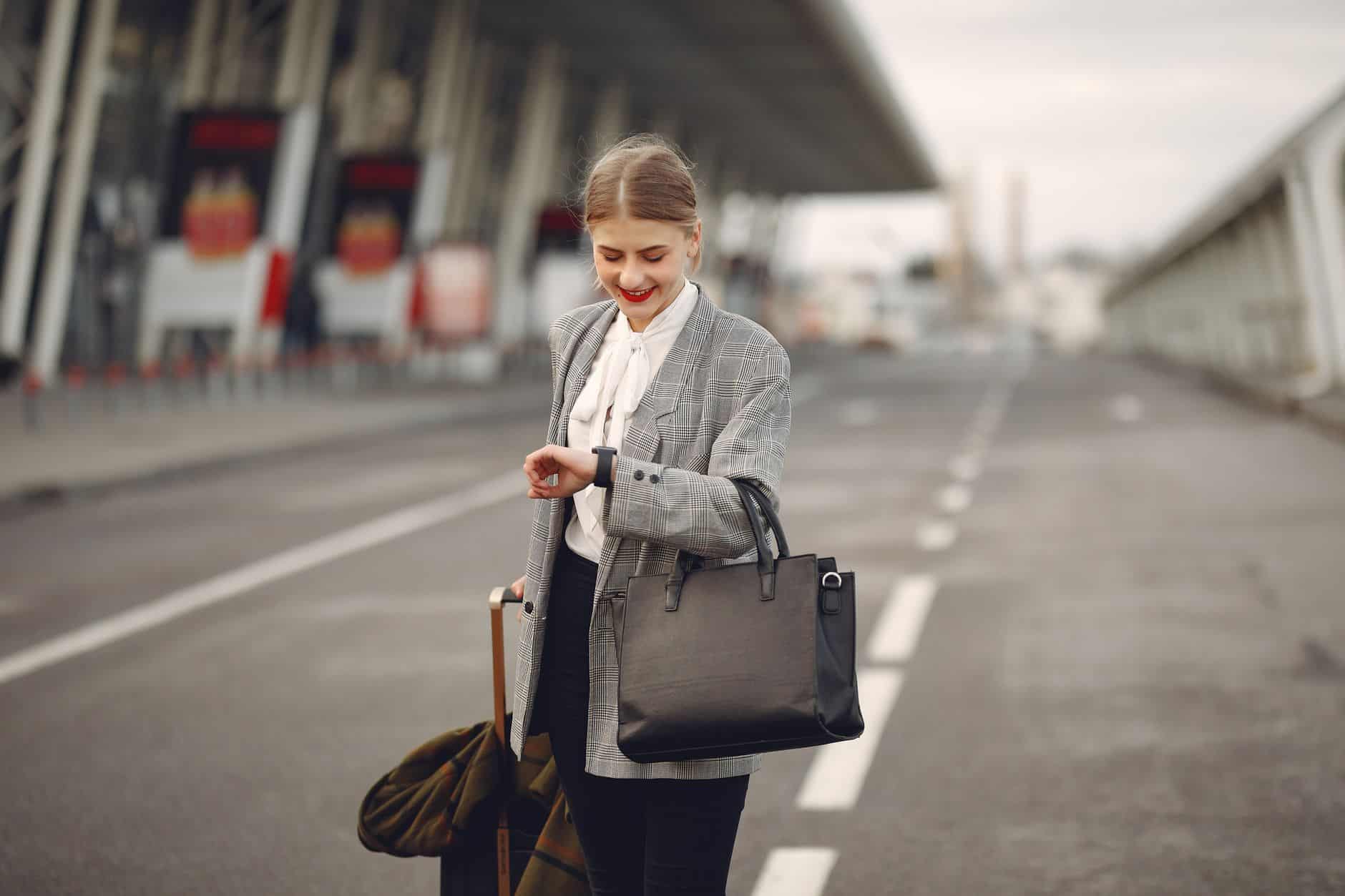
The standard advice is “dress modestly and respect local customs.” That’s actually reasonable guidance as far as it goes — but it often gets applied simplistically.
A more nuanced view from frequent travelers:
- Research specific by city, not by country. What’s appropriate in Istanbul is different from what’s appropriate in a conservative rural area of Turkey. What works in Tokyo’s nightlife district is different from a rural prefecture. Country-level advice is too blunt.
- Blending in is about socioeconomic signal as much as modesty. Expensive jewelry, obvious luxury goods, or clothing that visually marks you as a wealthy tourist creates a target profile. Dressing to approximate the local middle class — clean, presentable, unremarkable — reduces attention more than any specific garment choice.
- Practical gear matters more than fashion. A cross-body bag that can be worn across the chest, shoes you can run in, clothing with secure pockets, and nothing that restricts movement — these practical choices matter more than any specific modesty calculation.
Building a Network Everywhere You Go
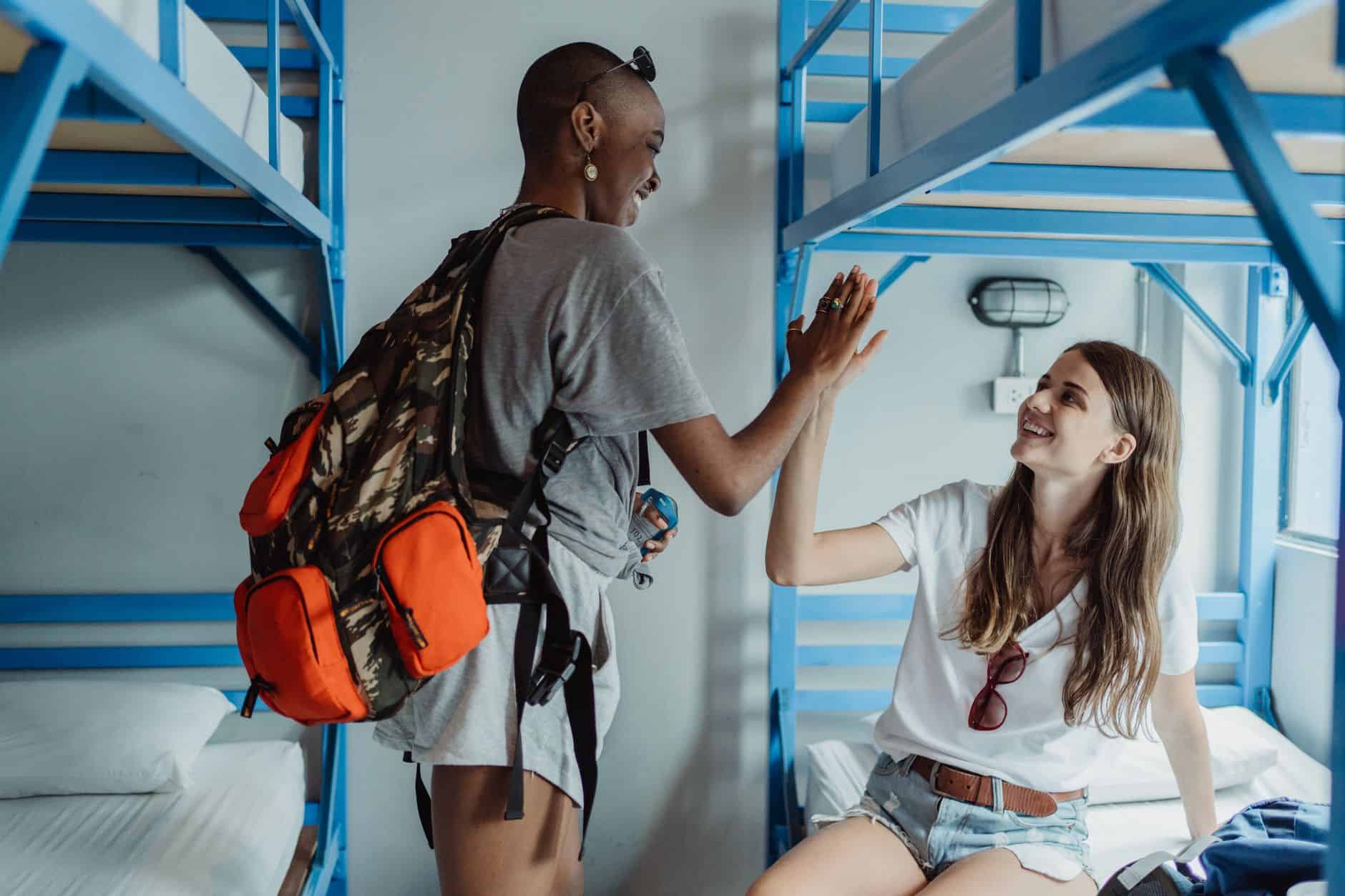
The most underrated safety strategy for solo female travelers is also the most enjoyable one: meeting people deliberately.
- Stay in social accommodations — hostels, guesthouses with common areas — at least sometimes, even if you generally prefer private rooms. The people you meet there become an informal safety network.
- Join destination-specific Facebook groups and WhatsApp communities before you arrive. These are full of women who are already where you’re going and willing to share real-time local knowledge.
- Introduce yourself to the person at the front desk, the staff at your regular café, the tour guide on your first day. People who know your face notice if you don’t come back.
- Tell your accommodation staff where you’re going for the day. This costs you nothing and means someone locally knows your plan.
The Documents and Backup Systems That Actually Save You
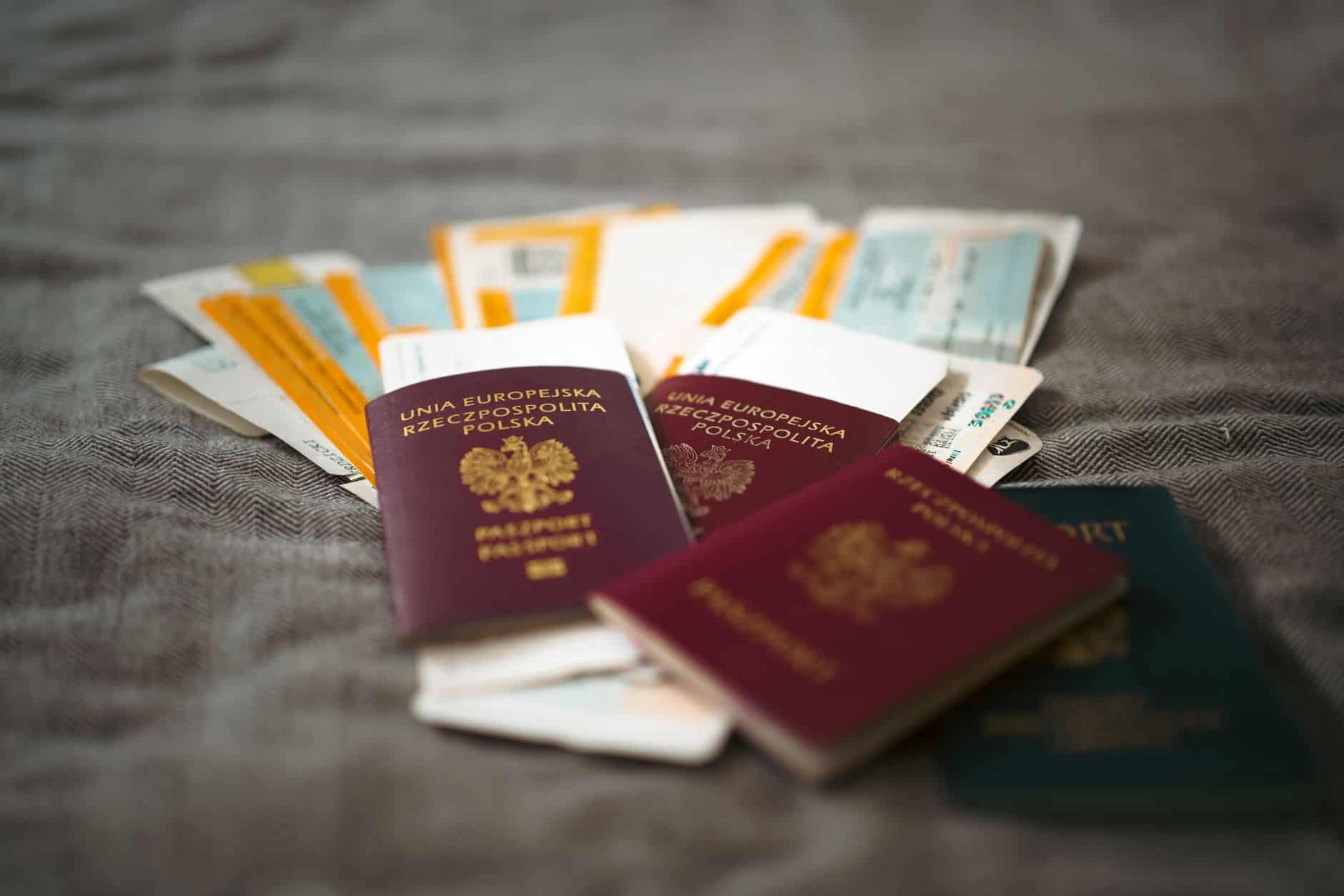
In an emergency — theft, loss, medical crisis, unexpected border situation — your document backup system is everything.
- Digital copies in multiple cloud locations: Passport, visa, travel insurance, credit cards (front and back), emergency contact numbers. In your email, your cloud storage, and a secure notes app.
- Physical copies separate from originals: Keep a copy of your passport in a separate bag from your actual passport. If your bag is stolen, you have documentation for the police report and embassy visit.
- Know your embassy’s emergency contact number for every country you visit. Save it before you land. Most embassy websites have 24-hour emergency lines for citizens in distress — many travelers don’t know these exist until they desperately need them.
- Travel insurance that covers evacuation. Not just trip cancellation — medical evacuation coverage. This is especially important in countries with limited medical infrastructure. World Nomads and SafetyWing are the most frequently recommended by long-term travelers.
Solo travel for women is worth doing. It’s also worth doing with eyes open and systems in place. The women who have been doing it for years aren’t fearless — they’ve just built good habits.