Airbnb’s Quiet Collapse in Major Cities — What the Data Actually Shows
We may earn money or products from the companies mentioned in this post. This means if you click on the link and purchase the item, I will receive a small commission at no extra cost to you ... you're just helping re-supply our family's travel fund.
In September 2023, New York City’s Local Law 18 took effect. Short-term rental hosts were required to register with the city, be present during guest stays, and host no more than two guests at a time. Overnight, Airbnb lost the vast majority of its New York City listings.
New York was the loudest example. It wasn’t alone.
From San Francisco to Amsterdam to Tokyo to Barcelona, regulatory pressure on short-term rentals has been building for a decade and accelerating sharply in the last three years. The housing crisis gave politicians a politically safe target. Hotels lobbied effectively. Neighborhoods organized. And the regulatory wave hit.
Airbnb’s response has been a mix of legal challenge, policy lobbying, and quiet pivot to longer-term stays and international markets where regulation hasn’t arrived yet. The platform is not dying. But in the urban markets where it built its brand, it has contracted dramatically.
What Regulation Actually Did to New York’s Airbnb Market
Before Local Law 18, New York City had tens of thousands of Airbnb listings. After enforcement began, data analysts tracking Airbnb inventory estimated that compliant listings fell by more than 80% in the city.
The reason is structural, not coincidental. The law’s requirement that hosts be present during stays eliminates virtually all whole-apartment rentals. The value proposition of Airbnb for a whole-apartment experience — giving guests a private, hotel-alternative space — evaporated.
- Hosts who listed entire apartments largely exited the platform or moved to medium-term rental platforms (Furnished Finder, landing.com) targeting 30-day-plus stays
- Registered listings that remain are predominantly owner-occupied homes with a spare room
- Prices for what remains have risen, reflecting the scarcity
- Hotels reported occupancy and rate improvements in the months following enforcement
Whether the law helped housing affordability is still debated. Short-term rentals were never the primary cause of New York’s housing crisis — the numbers are too small relative to the overall market. But politically, it was a popular move.
The Cities That Have Effectively Banned Short-Term Rentals
New York gets the most attention, but the list of cities with significant restrictions is long:
- San Francisco: Host registration required, 90-day cap on unhosted rentals per year, enforcement has reduced listings substantially
- Amsterdam: Has progressively tightened rules, with 30-day annual caps in certain neighborhoods and outright bans being considered in the most tourist-saturated areas
- Barcelona: Stopped issuing new tourist apartment licenses in 2014; existing licenses have been expiring and the city has committed to not renewing them
- Japan: National law limits home-sharing to 180 days per year, with many municipalities adding further restrictions; Airbnb lost roughly 80% of Japanese listings overnight when the law took effect in 2018
- Toronto: Principal residence requirement means you can only list where you actually live
How Hosts Are Adapting — and Who’s Winning

Professional short-term rental operators — people who built businesses around managing multiple Airbnb listings — have been the hardest hit. The regulatory environment has made multi-unit Airbnb arbitrage (renting apartments long-term and subletting short-term) largely nonviable in regulated cities.
Who’s adapting successfully:
- Property owners in unregulated suburban and rural markets: Lake houses, mountain cabins, beach cottages — these markets remain largely unregulated and demand has grown as urban supply shrank
- Medium-term rental operators: The 30-day-plus stay market, serving traveling nurses, corporate relocations, and extended-stay travelers, has grown substantially
- Boutique hotel operators: Some former Airbnb hosts have converted their properties into licensed boutique hotels or bed-and-breakfast operations
Large-scale professional managers who can navigate compliance in multiple markets are consolidating. The small-time “passive income” host with three apartments is largely gone in major cities.
What This Means for Travelers Who Rely on Airbnb

If you’ve relied on Airbnb for city stays and haven’t looked at it lately, here’s what’s changed:
- Urban inventory is down significantly in heavily regulated cities — fewer options, often higher prices
- Cleaning fees have become a major source of traveler frustration; they’ve risen with host costs and can exceed the nightly rate on short stays
- Review manipulation and listing quality issues have grown as remaining hosts price higher and some cut corners on maintenance
- The “hidden fees” structure — where the listed price bears little resemblance to the checkout total — has driven many travelers back to hotels where what-you-see-is-what-you-pay is clearer
For rural and vacation-property stays, Airbnb often still offers a genuine advantage in selection and price. For major city stays, comparing hotel rates before assuming Airbnb is cheaper has become genuinely important.
The Hotel Industry’s Role in Pushing These Regulations

Hotel lobbying has been a significant, if rarely acknowledged, driver of short-term rental regulation. The American Hotel and Lodging Association has openly funded advocacy for short-term rental restrictions and supported the lawmakers and ballot measures that passed them.
This doesn’t mean the regulations are wrong — housing advocates have made legitimate arguments independent of the hotel industry. But the alignment between hotel industry financial interests and the regulatory outcomes should be part of how travelers understand the landscape.
- Hotels operate under extensive regulations: fire codes, health inspections, ADA compliance, employment law
- Short-term rentals largely bypassed all of this, creating what hotels argue is an unlevel playing field
- The push for “equal regulation” is partly legitimate and partly competitive protectionism
Barcelona’s War on Tourist Apartments

Barcelona deserves its own section because it’s perhaps the most dramatic case study in what happens when short-term rental politics escalate fully.
The city stopped issuing new tourist apartment licenses over a decade ago. Existing licenses have been traded, sold, and contested. The current mayor has committed to eliminating tourist apartment licenses entirely as they expire — with the last existing licenses scheduled to expire by 2028.
What’s driving it:
- Barcelona’s housing costs have risen dramatically, with short-term rentals widely blamed by residents
- Entire neighborhoods in the Gothic Quarter and Barceloneta had been converted so thoroughly to tourist accommodation that local life became impossible
- Anti-tourism sentiment peaked publicly, with residents organizing and some directly confronting tourists
For travelers, this means Barcelona’s Airbnb market is operating on borrowed time. The practical question of where to stay there in 2027 or 2028 looks very different from 2022.
What Platform Data Shows About Listing Quality and Price
Analyst firms that track Airbnb data (AirDNA being the most cited) show consistent patterns in markets that have faced heavy regulation:
- Average nightly prices in reduced-inventory markets have risen 15–30%
- Occupancy rates for remaining listings are higher — less supply, same or more demand
- Review scores in regulated markets have actually improved slightly, as hosts who remained tend to be higher-quality operators
- Total booking revenue on the platform in U.S. markets remained relatively stable, as price increases offset inventory decreases
For Airbnb as a company, the financial impact of regulation has been partially offset by price increases. The platform has also aggressively grown in less-regulated international markets and in rural domestic markets.
Where Airbnb Still Makes Sense in 2026
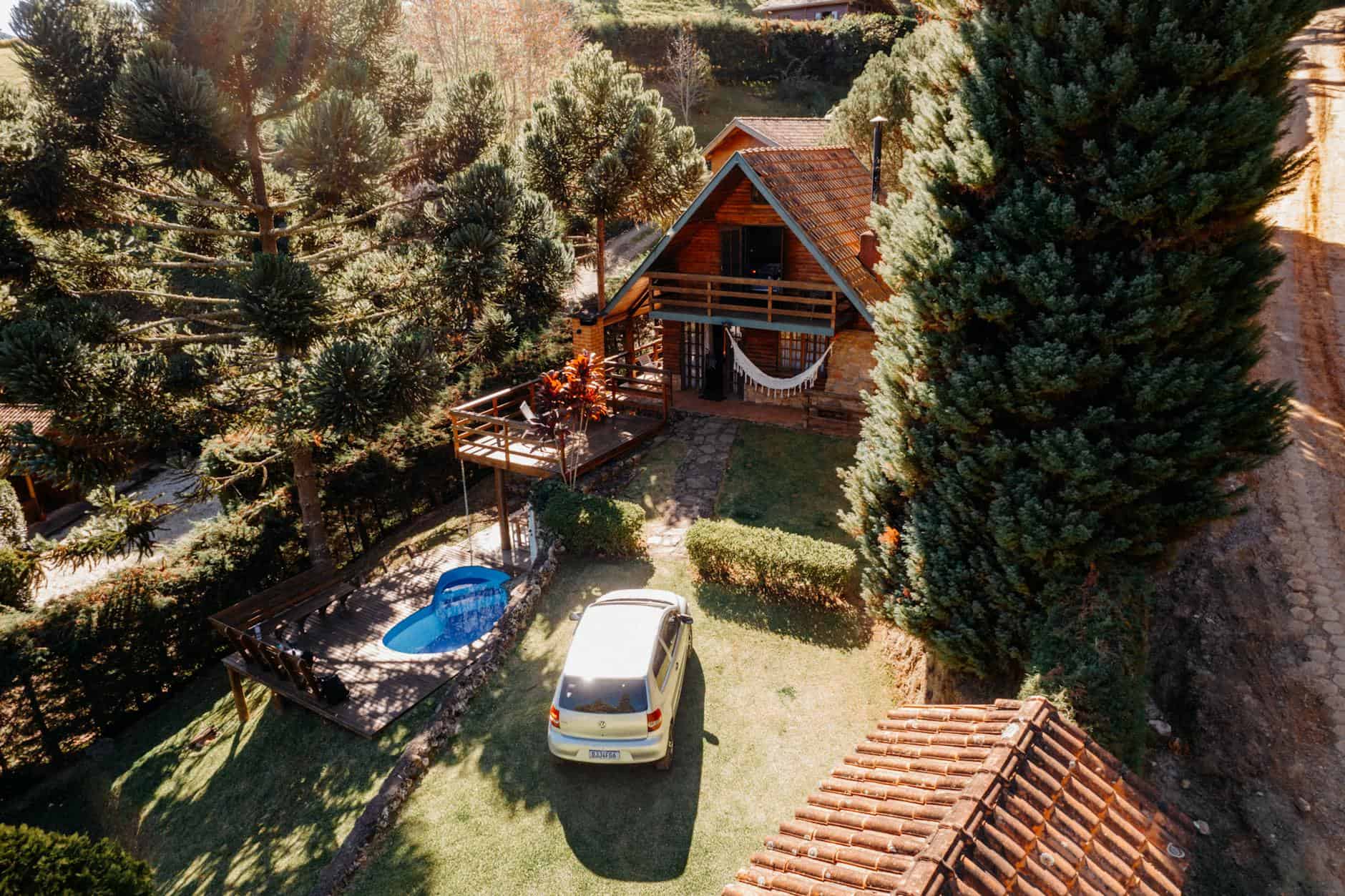
The platform is far from dead. For specific use cases, it remains the right choice:
- Rural and nature-adjacent destinations: National park proximity, lake country, mountain towns — this is where Airbnb’s inventory genuinely has no hotel equivalent
- Group travel: A whole house for six people is still often dramatically cheaper per person than equivalent hotel rooms, even in regulated markets
- International destinations with light regulation: Much of Latin America, Southeast Asia, Eastern Europe, and rural Western Europe remains less regulated
- Extended stays: Monthly rentals are a different legal category in most places and avoid much of the short-term rental regulation
The era of Airbnb as the default urban accommodation option in major Western cities is ending. What replaces it — boutique hotels, extended-stay concepts, newer platforms — is still shaking out. Travelers who haven’t updated their assumptions about the platform are the ones who will be most surprised when they search.