The Food That Changed How People Eat Forever — And It Was Never at a Restaurant With Stars
We may earn money or products from the companies mentioned in this post. This means if you click on the link and purchase the item, I will receive a small commission at no extra cost to you ... you're just helping re-supply our family's travel fund.
This article contains affiliate links. If you book or buy something through our links, we may earn a small commission at no extra cost to you.
Most people who travel seriously can name the exact meal that broke something open. Not a fancy meal, usually. Not a place with a waiting list or a chef with a television show. A bowl of noodles eaten standing at a cart at 7 a.m. in a city they couldn’t have found on a map three months earlier. A piece of flatbread pulled from a clay oven by hands that had been doing it for forty years. A single tomato, sliced on a wooden board, with nothing else on the plate.
These are the meals that come home with people. Not in a container — in the memory, in the body, in the sudden restlessness when they open their own refrigerator and feel vaguely cheated.
Nobody Warned Them the Flavor Would Hit That Hard
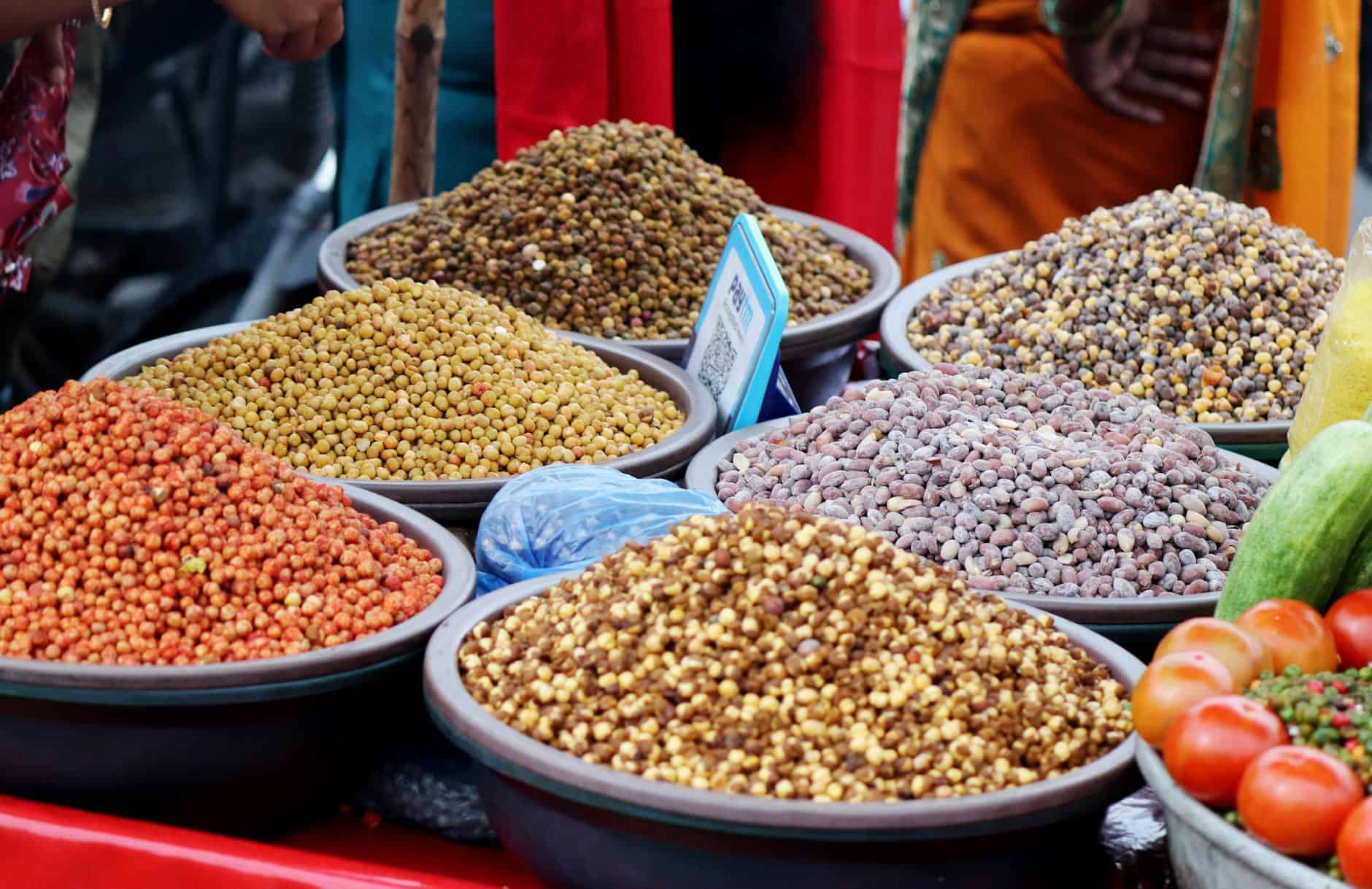
Travelers who have eaten street food in Southeast Asia, West Africa, or Central America often describe the experience in almost identical terms: an intensity they weren’t prepared for, a depth of flavor that made everything they’d eaten before feel like a rough draft.
This isn’t snobbery. It’s chemistry and context. The spices in a bowl of pho in Ho Chi Minh City aren’t imported and stored for eighteen months. The chiles in a Oaxacan mole have been dried, toasted, and ground that morning. The lemongrass in Thai curries is cut fresh. American grocery store versions of these ingredients are technically the same plant. But the gap between them is enormous.
“I had been making Thai green curry for years,” said one traveler who spent three weeks in Chiang Mai. “I thought I was doing it right. I got there, I ate at a place where the owner’s mother was cooking in the back. I went home and threw away everything in my spice cabinet. Not dramatically — I just realized I had to start over.”
The effect is cumulative. One meal doesn’t usually do it. But after a week of eating food prepared this way, many travelers report a recalibration — a reset in their baseline expectation of what flavor means.
What a Tomato Is Supposed to Taste Like
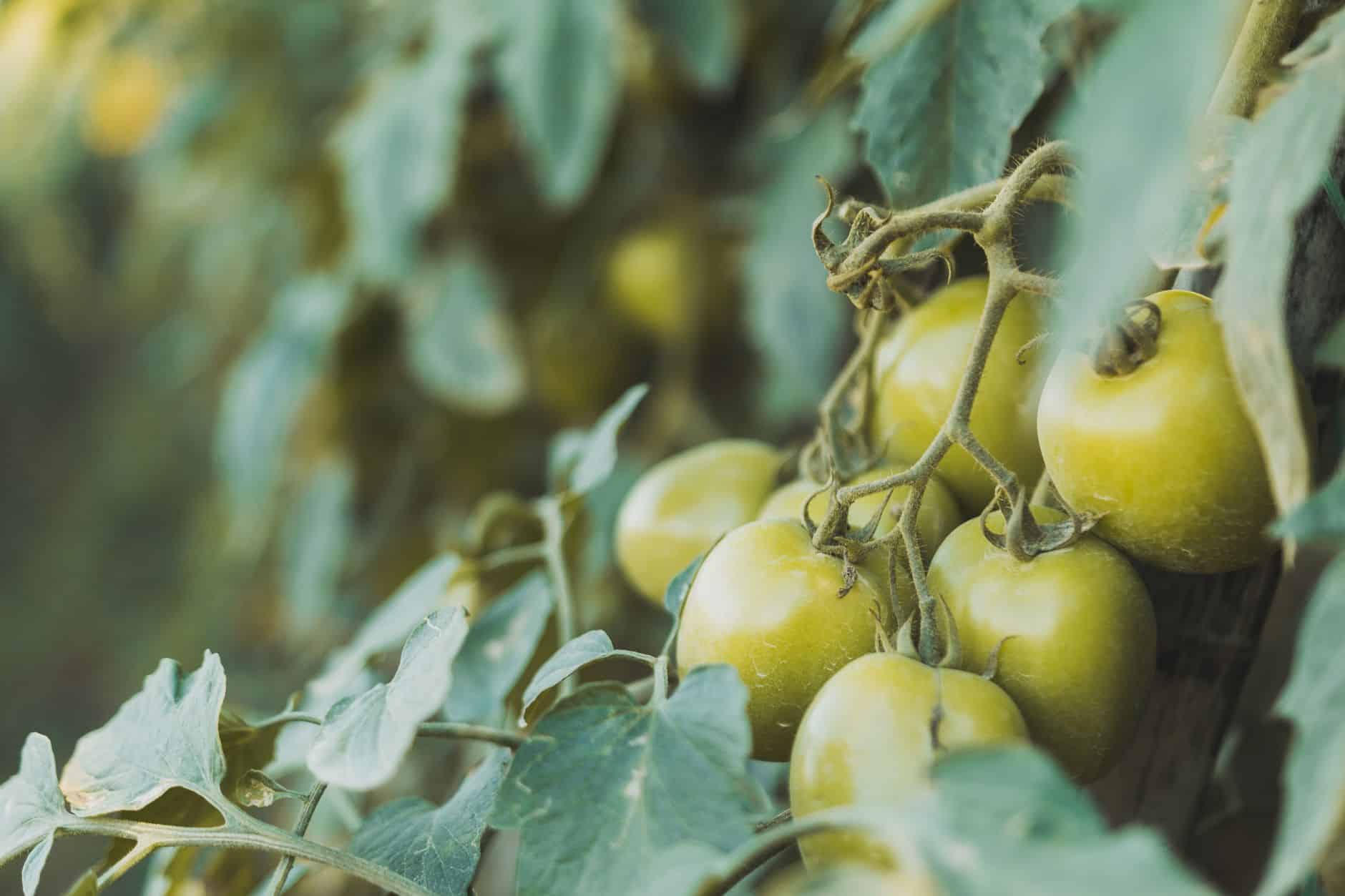
Italy does something to people who visit in summer. Specifically, it does something to their relationship with tomatoes — and by extension, with produce in general.
The tomato issue sounds like a cliché. It is also completely real. American supermarket tomatoes are bred for shelf stability, uniform size, and the ability to survive industrial harvesting and long-distance transport. Italian tomatoes, bought at a market in Rome or a farm stand outside Naples in August, are bred for none of those things. They are bred to taste like tomatoes.
For some travelers, this is a mild observation. For others, it is genuinely disorienting. “I ate a tomato in Palermo and I felt almost upset,” one woman told a travel forum. “Not because it was bad — because it was so good that I realized I’d been eating something else my entire life and calling it by the same name.”
The same awakening happens with olive oil in Greece, cheese in France, bread in Germany, and rice in Japan. Not every traveler is struck by food this way. But the ones who are tend to become changed eaters, sometimes permanently.
The Meal That Made Them Realize They’d Been Eating Wrong
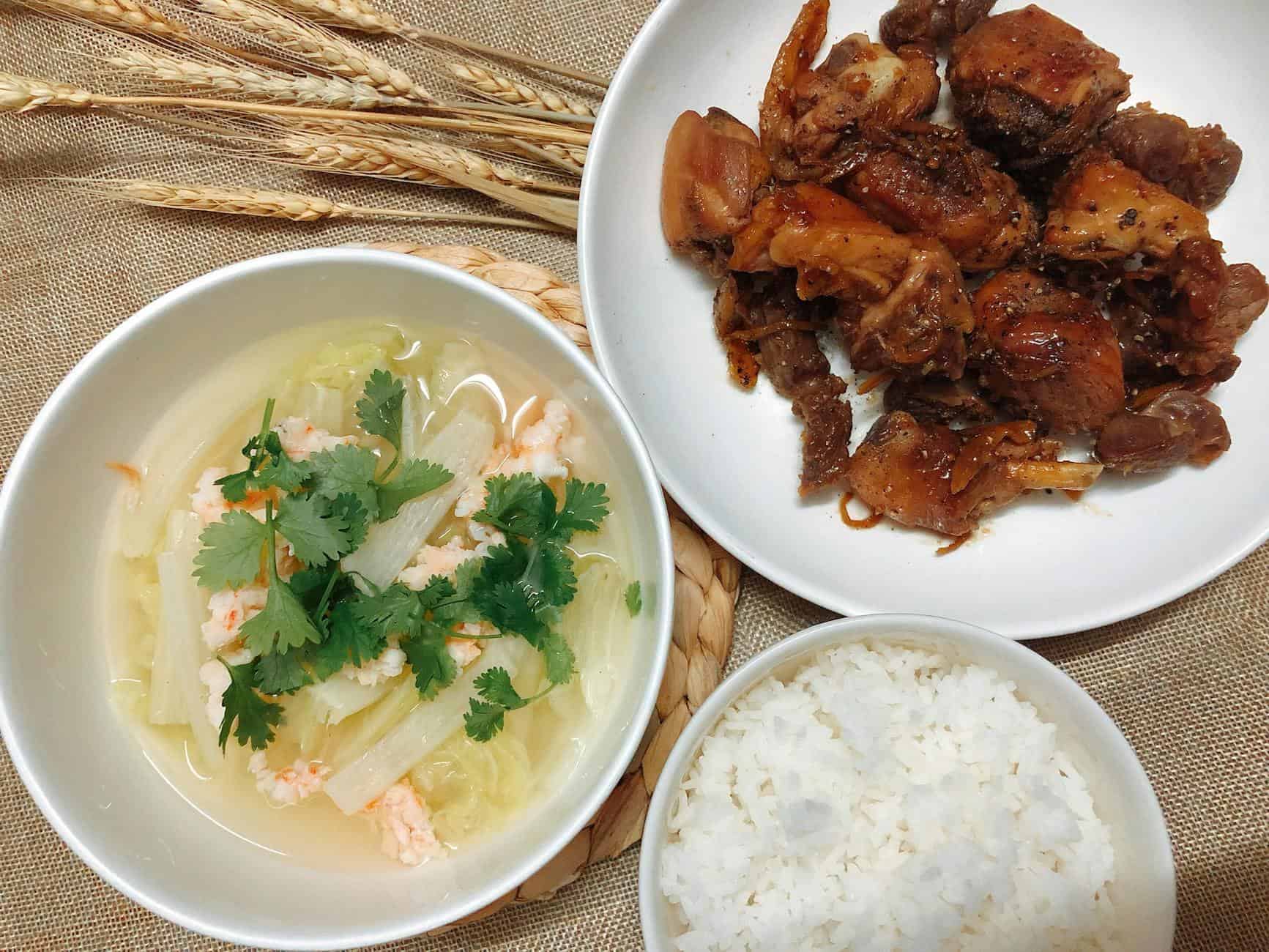
There is a specific kind of meal — usually eaten in someone’s home, or in a very small, very local restaurant — that travelers describe as a turning point. Not just good food, but a total reordering of what food is for.
In Japan, the concept of ichiju sansai — one soup, three sides — governs a traditional meal. Everything is in small, considered portions. Nothing is wasted. The emphasis is on balance, not abundance. Americans who eat this way for two weeks come home to restaurants serving plates the size of hubcaps and feel something between amusement and genuine confusion.
In Morocco, a shared tagine eaten on the floor of someone’s home, with bread torn by hand, communicates something about communal eating that most Americans encounter only at Thanksgiving. The meal is not a transaction. It is an event.
In Mexico’s interior, a mole that took three days to prepare — passed down through a family over generations, adjusted by feel, not by recipe card — forces a confrontation with what it means to take food seriously. Not as a hobby. As a practice.
“I came home and I couldn’t eat at chain restaurants anymore,” said one traveler who had spent two months in Mexico. “Not because I’m above it — I just couldn’t do it without feeling sad. Something had shifted.”
Coming Home to a Kitchen That No Longer Made Sense
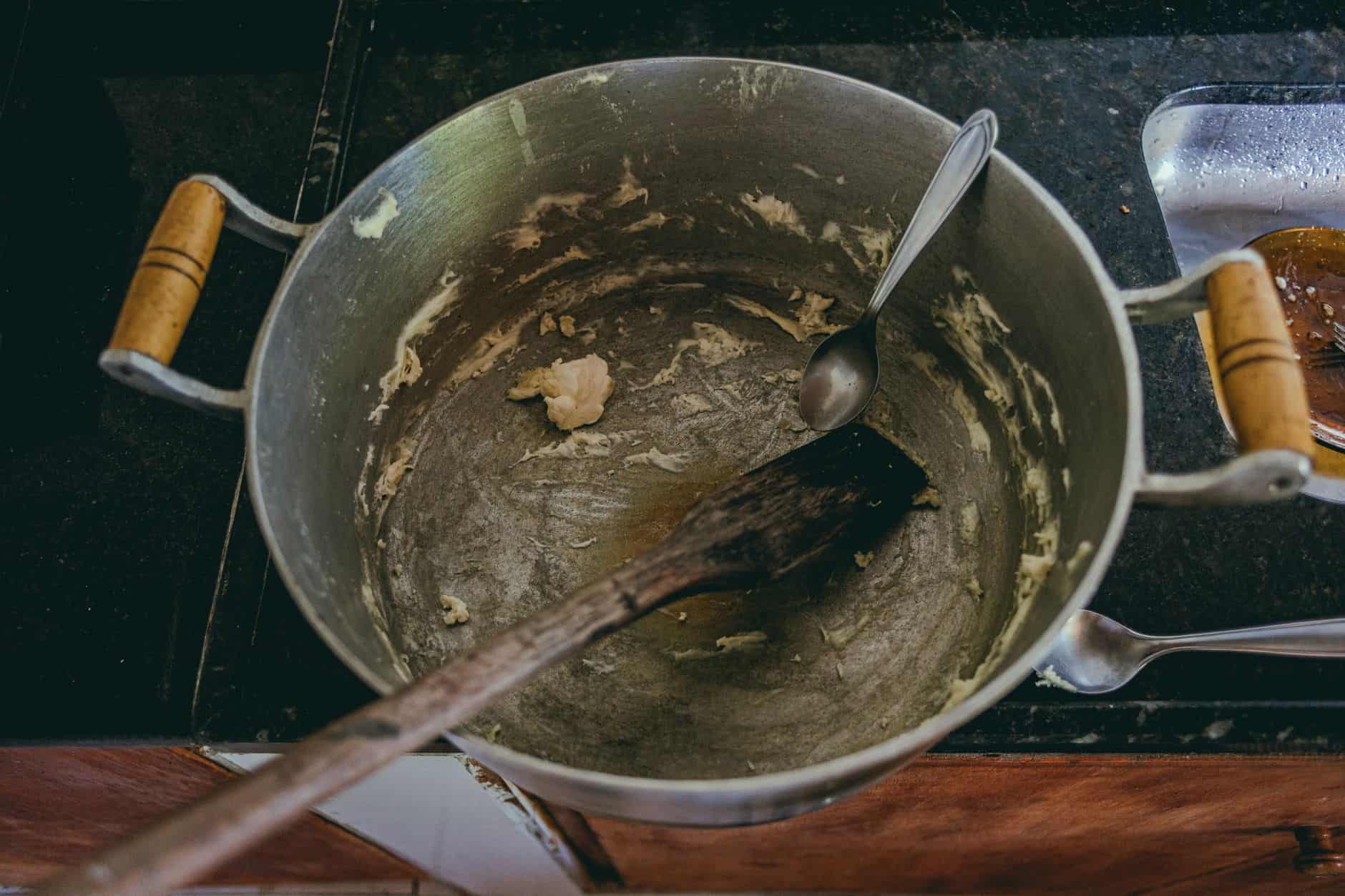
The kitchen problem is one that returning travelers often don’t anticipate. They expect jet lag. They expect missing the place. They don’t always expect to stand in their own kitchen and feel like a stranger.
What happens, in many cases, is that the tools and the pantry no longer match the food the traveler wants to eat. Someone who spent three weeks in Vietnam comes home to a kitchen stocked with pasta, canned soup, and bottled salad dressing. The gap between what they ate there and what their kitchen is set up to produce feels unbridgeable.
Some people rebuild from scratch. They find the Asian grocery store in their city that they never knew existed. They buy a mortar and pestle. They learn where the farmers market is, for real this time, not just to walk past it on a Saturday.
Others go through a transitional phase of grief — eating their old food on autopilot while the memory of what food can be hovers just out of reach.
What They Started Buying Differently
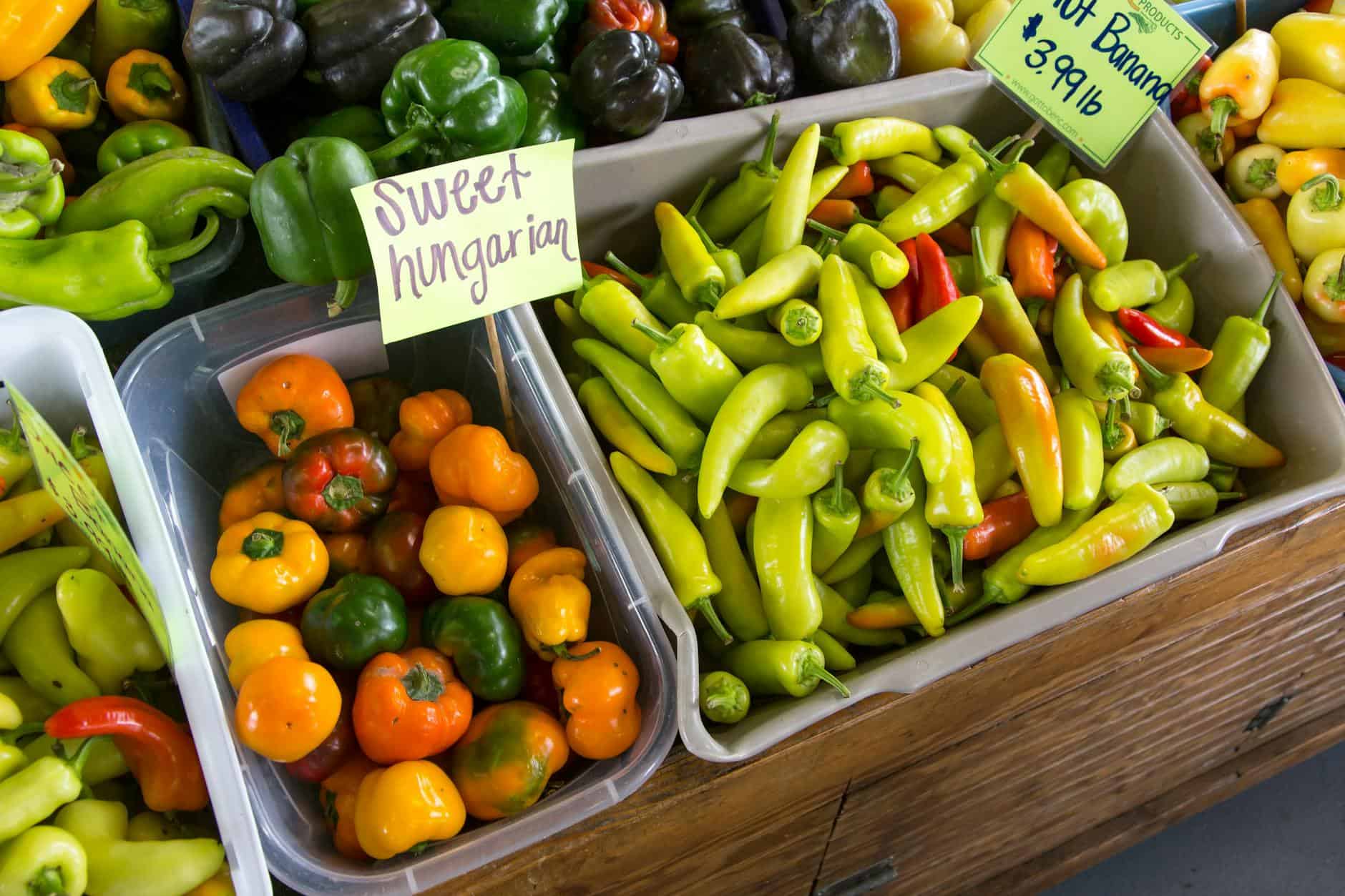
The most concrete, measurable change many travelers report is in where and what they buy. The shift often happens in phases.
First, they start reading ingredient labels in a way they didn’t before. Second, they start seeking out specialty grocers, ethnic markets, and farm stands. Third — and this is the one that surprises them most — they start cooking differently, not following recipes so much as understanding flavor principles.
Travelers who ate in Japan often come home with a new obsession with umami — and start keeping a jar of miso and a block of good parmesan in a way they never did before. People who ate in Lebanon start building their pantries around dried herbs, good olive oil, and pomegranate molasses. Those who spent time in West Africa come home and discover their local African market is full of ingredients they’d walked past without seeing.
“I think about the money I was spending on meal kit delivery services before I went,” said one traveler. “I was paying $12 for a meal that tasted fine. Now I spend the same amount at a local market and make something I actually care about.”
The Thing Nobody Tells You About Learning to Cook Abroad
Many travelers, especially those on longer trips, take a cooking class. The class itself is often good. But travelers who stay long enough to learn informally — watching a guesthouse owner prepare breakfast, being invited to help at a food stall — report something different from a structured lesson.
Informal cooking transmission is not about recipes. It’s about technique, proportion, instinct. The woman who let a traveler watch her make papusas in El Salvador wasn’t following a written recipe. She was working from decades of muscle memory. The technique is not written down anywhere. It lives in the hands.
This is what makes certain food experiences impossible to fully replicate at home. You can buy the same ingredients. You can follow the recipe exactly. But you are missing the 30 years of daily practice that produced the real thing.
Some travelers find this frustrating. Others find it clarifying — it forces an acceptance that some things are of a place, and the place is part of the flavor.
When the Craving Won’t Go Away

The craving problem is real and well-documented among heavy travelers. It is specific, not general. Not “I miss Thai food.” More like: “I miss the specific pad see ew from the stall at the night market on Nimman Road in Chiang Mai, where the woman used a very specific amount of dark soy sauce and the noodles were slightly crispy on one side.”
That level of specificity means the craving can’t really be satisfied. No restaurant at home serves that dish. No recipe online approximates it. The traveler is, in a real sense, craving a place as much as a food.
This is actually one of the best arguments for traveling to eat — not eating to travel. The food memory functions as an anchor to a full experience: the temperature that day, the noise, the way the light looked, the person they were with or the fact that they were alone. The taste carries all of it.
What Gets Lost When You Try to Recreate It
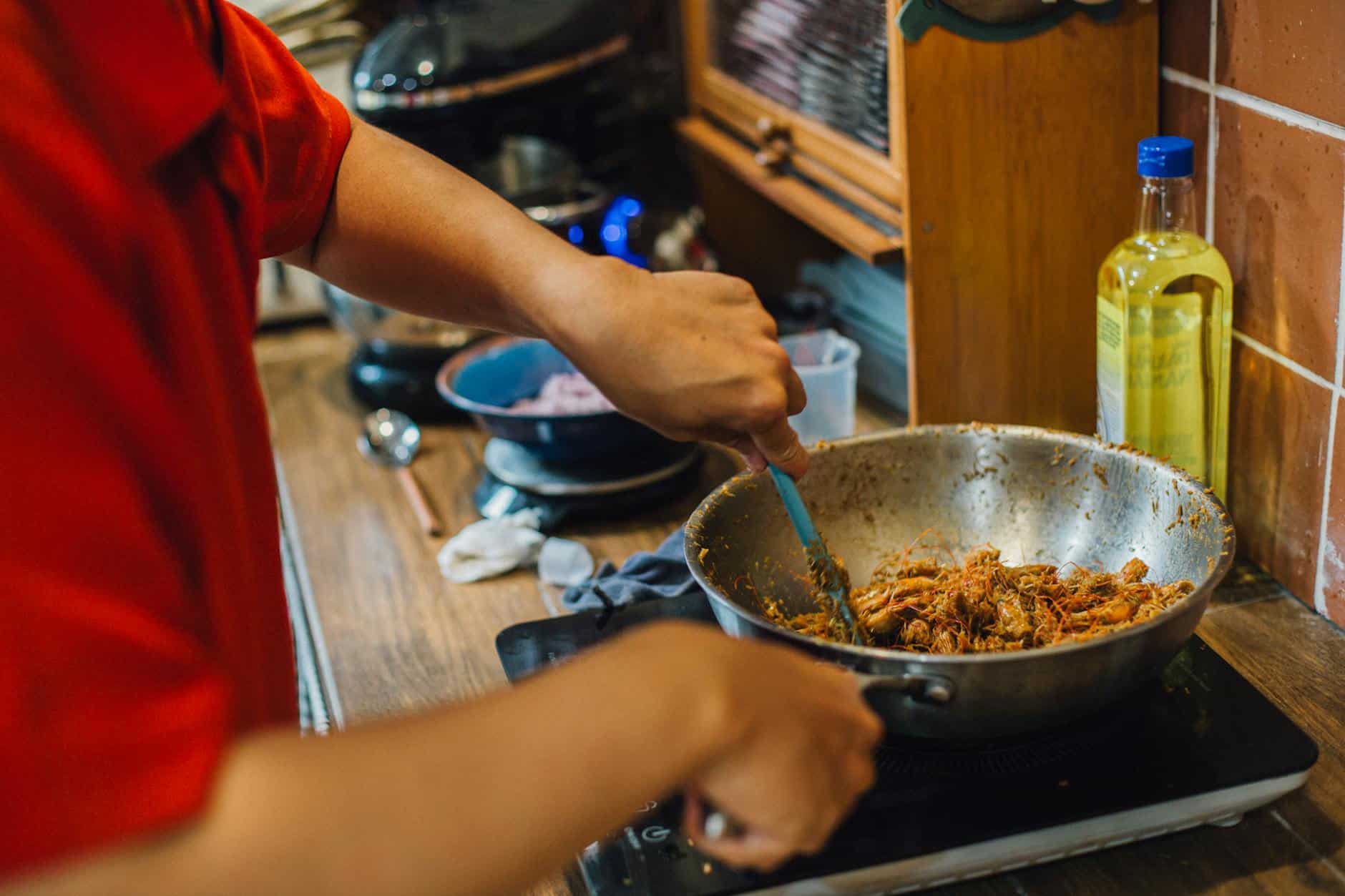
Cooking the food at home, travelers will tell you, almost always produces something good. It also always produces something different.
The altitude is different. The water is different. The produce is different. The cook is in a different kitchen with different pans on a different stove with different ambient sounds. The result is not the same thing, even when every ingredient is matched perfectly.
This is not a reason to stop trying. Most travelers who came home transformed by food say the attempt to recreate is itself worthwhile — it keeps the memory alive, it improves their cooking, it reconnects them to the place. But it is always, on some level, an approximation.
The meal in the market in Marrakech is the meal in the market in Marrakech. It does not travel. It stays there, and people who have eaten it carry a version of it in their memory for the rest of their lives. That’s exactly what makes them go back.