Your Credit Card Company Is About to Ruin Your Vacation — Here’s Exactly How to Stop It
We may earn money or products from the companies mentioned in this post. This means if you click on the link and purchase the item, I will receive a small commission at no extra cost to you ... you're just helping re-supply our family's travel fund.
The Problem: Banks’ Fraud Algorithms Were Built for Homebodies

Credit card fraud detection is genuinely impressive technology. The machine learning models that major banks and card networks use can catch fraudulent transactions with remarkable accuracy — identifying a stolen card being used at a gas station in another state, flagging an unusual midnight purchase in a foreign currency, detecting a card number being tested with small purchases before a big one. These systems protect billions of dollars and millions of cardholders every year.
The problem is that these systems were trained primarily on the behavior of people who don’t travel much. The baseline pattern they’re designed to protect looks like this: charges in the same geographic area, consistent spending patterns, predictable transaction amounts, stable login locations. When you travel internationally — especially if you travel frequently, move between countries, or make a burst of bookings in a short window — your spending looks, to a bank’s algorithm, exactly like a stolen card in the hands of a sophisticated fraudster.
A Reddit thread in the Bank of America community documented a traveler whose card was frozen mid-trip when they tried to use it online from outside the US. The bank’s response: even after the cardholder verified their identity through the app, they were told the card couldn’t be unfrozen without a visit to a physical branch — which, of course, they couldn’t do from another country. A complaint to the Consumer Financial Protection Bureau (CFPB) eventually resolved it. That’s not an isolated story. It’s a template for what happens to thousands of Americans every travel season.
Trigger #1: Fast City-Hopping Across Multiple Countries
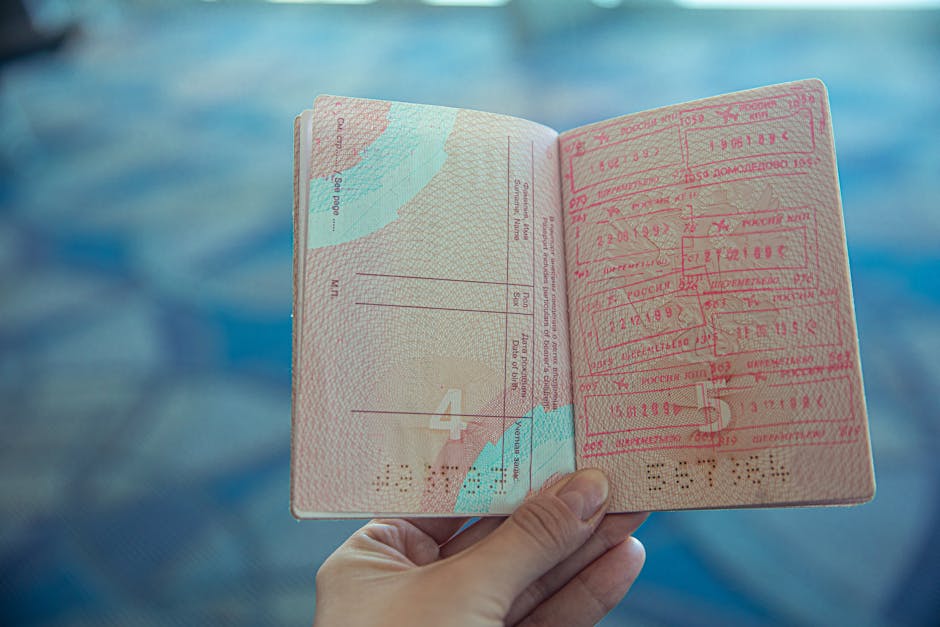
This is the most common trigger for international travelers, and it hits hardest on the kind of multi-country itinerary that is increasingly popular — two weeks through Portugal, Spain, and Morocco, or a Southeast Asia circuit hitting Thailand, Vietnam, and Cambodia in 17 days. The fraud detection logic is straightforward: if your card is used in Lisbon on Monday and Marrakech on Wednesday, the system flags “rapid geographic change” as a suspicious pattern consistent with a stolen card being used across multiple locations by different people.
The irony is that the travelers most likely to be hit by this trigger are also the most sophisticated, frequent travelers — people who move through multiple countries efficiently and whose cards never leave their possession. Airlines’ loyalty members booking through apps, backpackers hitting four countries in three weeks, families doing an EU hop — all of them look, to the algorithm, like fraud.
The solution is not always as simple as “set a travel notification.” Chase, Capital One, and several other major US issuers have publicly stated they no longer require travel notices because their algorithms are sophisticated enough to handle it. In practice, that’s true most of the time — and then it isn’t, and you’re standing at a checkout in Vietnam with a declined card and no cell service. The safest practice: even if your bank doesn’t require a travel notice, call and leave one anyway. Many customer service representatives can note your travel plans in your account even if the official policy doesn’t require it. It creates a record that you were traveling, which is useful if you need to dispute a freeze.
Trigger #2: Multiple Large Bookings in a Short Window
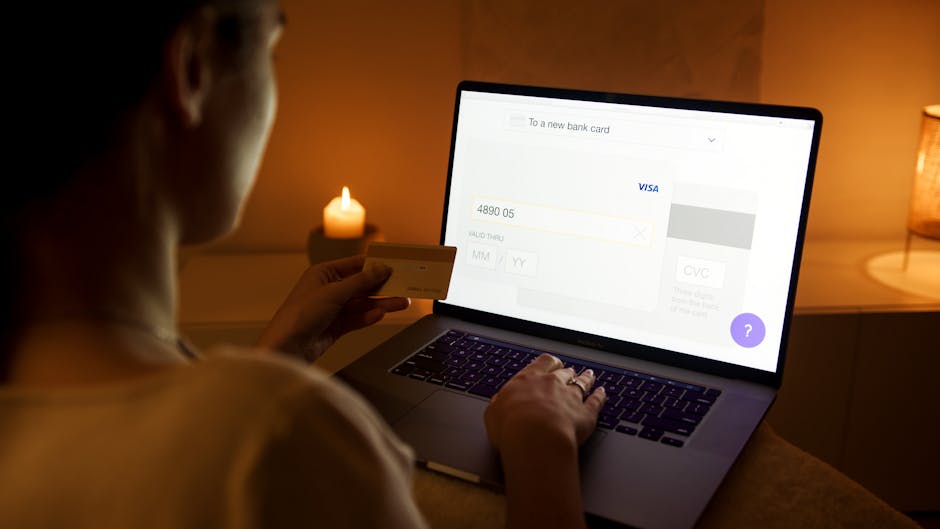
You land in a new city, sit down at a coffee shop with wifi, and start booking: the hotel for tonight, the train tickets to the next destination, a multi-day tour, and flights onward. Within 45 minutes you’ve made four transactions totaling $1,400 on a card that usually sees $200-$400 in daily charges. To a fraud detection system, this pattern — multiple large transactions in rapid succession, often from a device or IP address different from your usual home location — is a classic card-testing and fraud-exploitation pattern.
This trigger is particularly brutal because it hits at exactly the moment when you are most dependent on your card functioning. You need accommodation. You need transportation. You’re in a foreign country with potentially limited cash and a phone that may or may not have a working local SIM. Having your card frozen while booking the logistics of your next three days is not a minor inconvenience — it’s a genuine emergency.
Strategies to minimize this risk: spread large bookings over several hours or two days rather than doing them all at once. Book hotels in advance from home before you land. Use travel booking platforms (Booking.com, Expedia, Google Hotels) that are recognized transaction types for most banks, rather than lesser-known local booking sites that may trigger unfamiliar merchant category codes. If you’re booking a large package — a multi-day excursion, a hotel stay, a rental car all in one session — call your bank before you do it and tell them what you’re about to spend.
Trigger #3: Logging In from a New Device or VPN
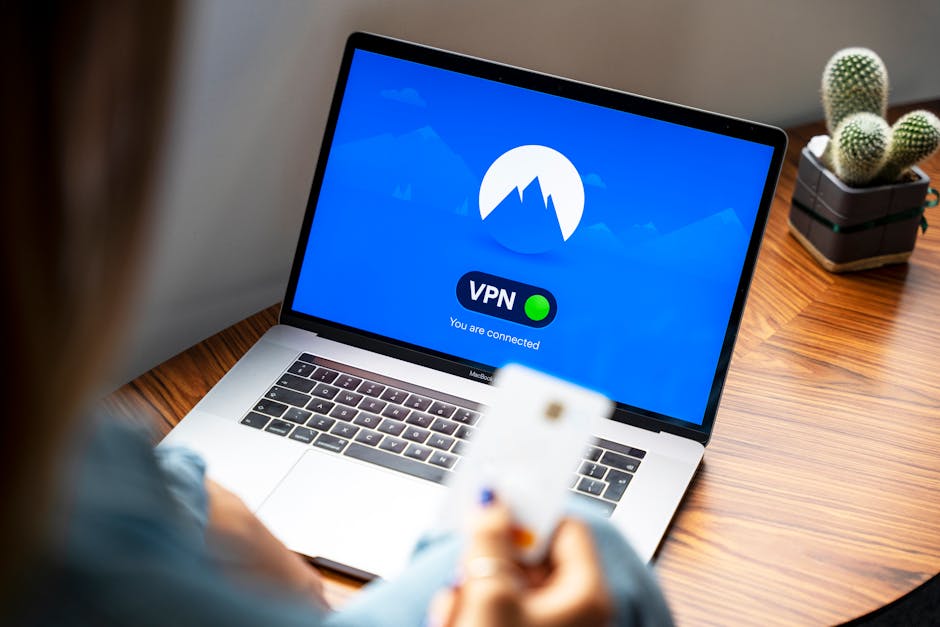
Your phone died, you borrowed a travel companion’s laptop, or you’re at an internet café trying to access your account — and your bank’s mobile app or website is triggering a security challenge because you’re logging in from an unfamiliar device. Or, more commonly: you turned on a VPN for security on a public wifi network (a genuinely smart practice), and your bank sees a login from what appears to be a completely different geographic location than your previous access points.
VPNs are particularly problematic with banking apps. Most financial institutions’ fraud systems watch for VPN traffic — because it’s commonly associated with fraudulent account access — and a login through a VPN server in the Netherlands while your card is being used in Portugal creates exactly the kind of geographic inconsistency that triggers an account review. The bank sees: card used in Lisbon, account login from Amsterdam. To the algorithm, that’s suspicious.
Practical guidance: turn off your VPN before accessing banking apps while traveling. This is a painful tradeoff — using banking apps on public wifi without a VPN does expose you to risk — but using a VPN to access your bank is a known freeze trigger. If you need to use public wifi for banking, connect via your phone’s cellular data rather than wifi, which eliminates the VPN issue and reduces your exposure to wifi-based interception.
For device issues: register your travel devices (tablet, secondary laptop) with your bank’s trusted device list before you leave home. Most major bank apps allow you to explicitly mark multiple devices as trusted, which flags them as authorized access points even when accessed from foreign IP addresses.
Trigger #4: Frequent ATM Withdrawals in 24 Hours

You landed, took out $200 from the first ATM outside the airport. The rate looked bad, so you tried another ATM at the hotel and took out another $150. Then you needed cash for a restaurant that didn’t take cards and hit a third ATM for $100. Three ATM withdrawals in 12 hours is a textbook card-testing and theft pattern — someone who has stolen a card will often test it with multiple small ATM withdrawals in quick succession to verify it works before making larger purchases.
The daily ATM withdrawal limit that your home bank sets is separate from this fraud trigger. You might have a $1,000 daily ATM limit, but if your fraud system flags three ATM withdrawals as suspicious, your card can be frozen before you reach that limit. This is especially likely if the withdrawals span multiple ATM networks (which is common abroad, where your Visa network card might hit a local bank’s machine at each location).
The straightforward fix is to take out more cash in a single ATM visit rather than making multiple small withdrawals. Identify the ATM with the best fee structure (many travel experts recommend Schwab Bank’s no-fee ATM debit card for international cash), take out a larger amount — equivalent to two or three days of expected cash spending — in one transaction, and you reduce your fraud trigger exposure significantly. Carry a backup card from a different bank in a separate location (not the same wallet) for emergency situations where your primary card fails.
Trigger #5: Rapid App Logins from Different Locations

This one is subtle but increasingly common as banks build more sophisticated location-tracking into their mobile apps. If you check your account balance in Bangkok at 9 AM, fly to Singapore, and open the banking app again at 3 PM local time, the system sees two logins from different countries within the same day. If you then use the card at dinner in Singapore, you have a transaction location and an app login location that both changed rapidly — consistent with a pattern where a fraudster has stolen both a physical card and access to the banking app.
This trigger is compounded by time zone confusion. Banks’ fraud systems work in UTC time, and a login at 11 PM your local time may register as a different “day” in their system than a login at 1 AM — creating apparent back-to-back geographic inconsistencies that look even more suspicious.
The best defense against this trigger is to keep your banking app location permissions turned on (not off, counterintuitively) so the bank can verify your physical location matches your login. Check your account at predictable intervals rather than repeatedly throughout the day. And if you’re on a complex multi-country trip, calling your bank’s travel services line at the start of each major leg of the trip takes about three minutes and dramatically reduces your freeze risk for that segment.
The Best Cards for International Travel in 2026
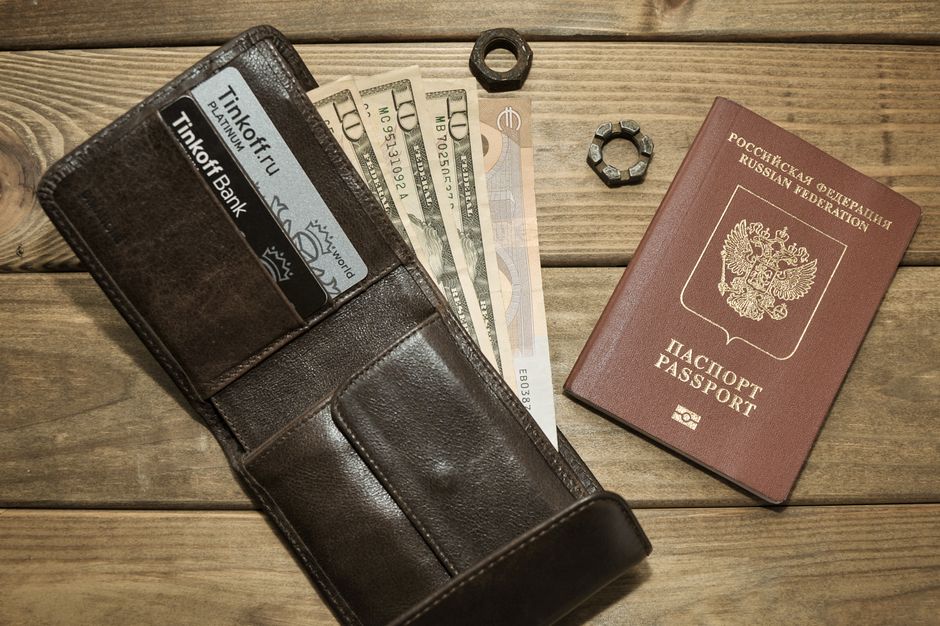
Not all credit cards are equally travel-friendly. Some banks have significantly more trigger-happy fraud systems, and some cards are specifically designed for international use in ways that reduce freeze risk.
Chase Sapphire Preferred and Reserve remain two of the most travel-friendly cards for international use. No foreign transaction fees (saving 1-3% on every international purchase), excellent fraud detection that tends toward alerting the cardholder rather than freezing the card, and a 24/7 travel assistance line that can resolve most issues in real time. The Reserve’s $550 annual fee is offset by $300 in annual travel credits, Priority Pass lounge access, and trip delay/cancellation coverage that’s genuinely useful.
Capital One Venture and Venture X have no foreign transaction fees, and Capital One explicitly states it does not require travel notices — their system is configured to handle international travel without intervention. In practice, Capital One cards see fewer freeze incidents among frequent international travelers than most major banks.
Charles Schwab Bank’s Investor Checking debit card is the best card for ATM withdrawals internationally — zero foreign transaction fees, unlimited ATM fee reimbursements worldwide, and a fraud system calibrated for account holders who tend to be sophisticated investors who also travel. Not a credit card, but essential as a cash backup.
Amex Platinum, while expensive at $695 annually, has perhaps the most robust international travel infrastructure of any US card — including an Emergency Card Replacement service that can put a physical card in your hands in over 100 countries within 24-48 hours if yours gets frozen or lost. For the traveler who moves between countries every few days, that’s not a luxury feature. It’s insurance.
What To Do the Moment Your Card Gets Frozen Abroad
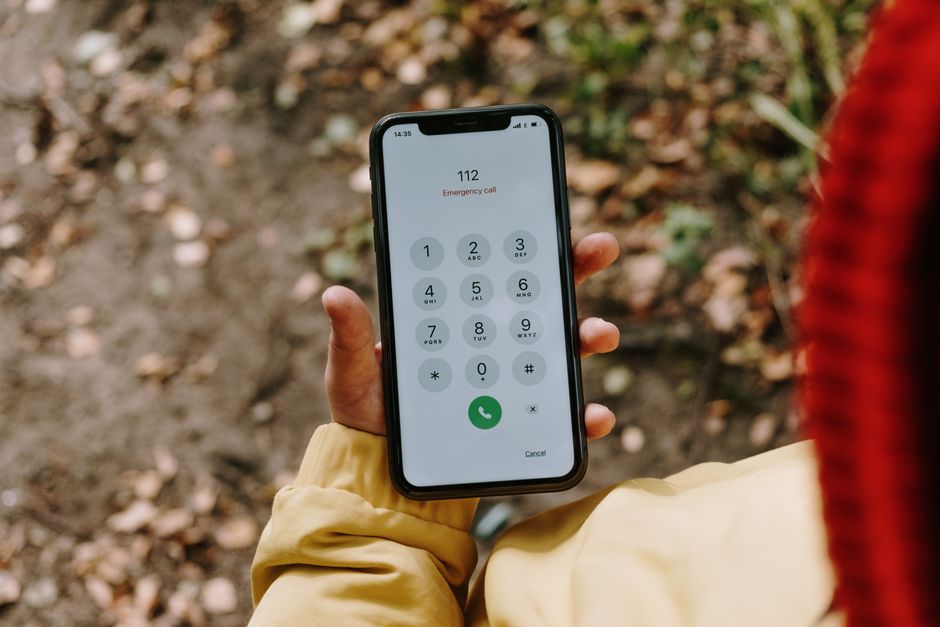
Your card just got declined at an inopportune moment. Here is the exact playbook.
First: don’t panic and don’t try the card five more times. Repeated declined attempts can cause some bank systems to escalate the freeze from “review” to “blocked,” making resolution harder. One decline, one confirmation tap on your banking app if you get a push notification, and then move to the phone call.
Second: call the number on the back of your card immediately. The international collect call numbers for US cards are printed on every card — use them. In the US, Chase’s number is 1-302-594-8200. Bank of America’s international collect is 1-315-724-4022. Capital One’s international collect is 1-804-934-2001. Save these in your phone before you leave home. Do not wait until you’re standing at a foreign ATM at midnight to look them up.
Third: when you reach a live agent, state clearly: “I am traveling internationally in [country], my card was declined, and I believe there may be a fraud hold. I need the hold removed. I can confirm my identity.” Have your full card number, billing address, and the last five transactions ready. Most holds can be lifted in a single phone call with proper verification. The Bank of America situation that required a CFPB complaint was an outlier involving an additional security layer the bank had added — in most cases, a 10-minute phone call resolves it.
Fourth: while your primary card is frozen, use your backup card. You brought a backup card, because you read this article. Keep it in a separate physical location from your primary — different pocket, different bag — so that the scenario where you lose your wallet doesn’t wipe out both options simultaneously. Keep $200-$300 in local currency as a genuine last resort, stored separately from your wallet. Cash doesn’t get frozen by algorithms.