7 Airport Rules That Changed in 2026 — Nobody Told You and Airlines Are Counting On That
We may earn money or products from the companies mentioned in this post. This means if you click on the link and purchase the item, I will receive a small commission at no extra cost to you ... you're just helping re-supply our family's travel fund.
Southwest Finally Ended Free Checked Bags — And Nobody Made It Easy to Find Out
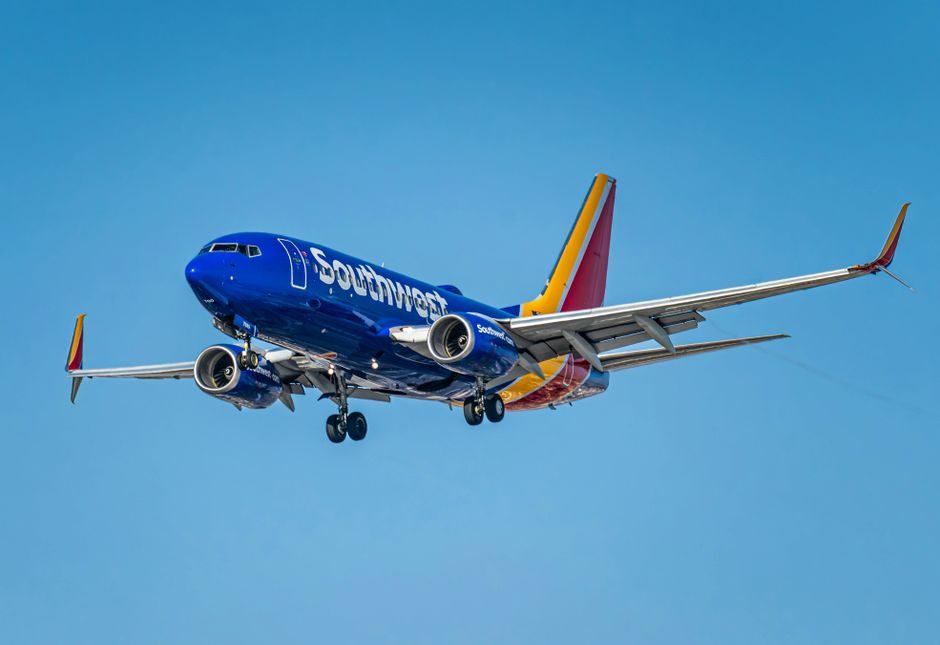
For decades, Southwest Airlines ran on a single promise that set it apart from every other carrier: two free checked bags, no questions asked. That promise is officially over. As of April 2026, Southwest is charging $45 for the first checked bag and $55 for the second on most domestic routes, according to reporting by the Associated Press. That is not a pilot program. That is a permanent policy change.
This matters enormously to the millions of travelers — especially families — who specifically chose Southwest because of that perk. The airline has been struggling financially and is under pressure from activist investors to cut costs and boost revenue. Ending free bags was, frankly, the easiest lever to pull. But the rollout was quiet. There was no big consumer campaign. You had to go looking for it.
If you booked a Southwest flight months ago assuming bags were free, go back and check your itinerary right now. The new fees apply broadly, and while elite A-List members and co-branded credit card holders retain some bag benefits, the average leisure traveler flying Basic or Anytime fares will pay the new rates. A family of four on a round trip is now looking at $360 in checked bag fees alone on Southwest, where before that number was zero.
The lesson here is brutal but simple: the era of loyalty-based airline perks is eroding fast. Do not assume any airline’s historic policy is still in place without verifying it on their official baggage fee page the week you book.
Bag Fees Are Up Across the Board — What a Family of Four Is Actually Paying Now
Southwest was not the only airline that raised bag fees in early 2026. Delta, United, American, Alaska, and JetBlue all followed suit within weeks of each other, according to Newsweek’s April 2026 coverage. The pattern was so synchronized that consumer advocates took notice. Most major carriers now charge $45 for the first checked bag and $55 for the second on domestic routes — increases of $10 per bag compared to roughly 14 months ago.
Do the math for a family road trip or Disney vacation: two parents and two teenagers, each with one checked bag, on a round trip. That is eight bag fees at $45 each. That is $360. And that is before you factor in any ancillary fees for seat selection, priority boarding, or snacks. A year and a half ago, that same family might have paid $200 for checked bags on the same route. The increase is real, and it is landing hard on middle-income families who already treat airfare like a math problem.
Frontier is in a category entirely by itself. The ultra-low-cost carrier raised its first checked bag fee to $79 and its second bag to $89, according to TravelPirates’ May 2026 analysis. Their weight limit is also lower — 40 pounds instead of the standard 50 — which means an overpacked suitcase triggers additional overweight fees on top of the base rate. If you are flying Frontier, use their online baggage calculator before you pack. It is not optional.
The smart play for most families right now is to aggressively pursue airline credit cards that include free bag benefits. A co-branded Delta, United, or American card typically runs $95 to $99 per year and covers the first checked bag for the cardholder and often one companion. For a family taking even two trips a year, the math absolutely works in your favor.
The $45 TSA ConfirmID Fee Nobody Is Talking About
Here is the one that is catching the most people off guard. Starting February 1, 2026, the TSA began charging a $45 fee — called the TSA ConfirmID fee — to any traveler who arrives at a domestic security checkpoint without a REAL ID-compliant driver’s license or another accepted form of identification like a passport, Global Entry card, or military ID, according to CNBC’s coverage of the rollout.
The REAL ID Act’s full enforcement actually began back on May 7, 2025 — so this has been building for a year. But the $45 fee is new, and it is a gut punch if you arrive unprepared. To use it, you go to TSA.gov, complete an identity verification process that can take 10 to 30 minutes, pay the $45, and receive a ConfirmID receipt valid for 10 days. Miss a connection or travel again after that 10-day window? You pay again. A family of four adults on a long trip could realistically pay $180 just to get through security.
The TSA has said it expects the ConfirmID program to generate approximately $476 million in revenue, according to ABC News. That is not a rounding error — that is a significant new revenue stream built on people who simply have not updated their driver’s licenses. Getting a REAL ID at your DMV typically costs around $35 depending on your state, and the upgrade process is relatively simple. Do it now. The $45 fee is not a fine — it is an option — but it is still an avoidable $45 that has no business coming out of your travel budget.
Frontier Gate Agents Get a Commission to Catch Your Oversized Bag
This one has been quietly true for a few years now, but it deserves loud repetition because more travelers are flying Frontier as it expands its route network. Frontier’s gate agents — who are typically outsourced contractors, not direct airline employees — receive a $10 commission for every oversized or non-compliant carry-on bag they flag at the gate, according to a widely circulated account from a Frontier flight attendant confirmed by The Hill.
This creates an incentive structure that should alarm every traveler who flies Frontier. Those agents are not just doing their jobs neutrally — there is a direct financial reward for catching your bag. The result is aggressive enforcement that catches people off guard. Frontier’s carry-on dimensions are strict: 10 inches deep by 16 inches wide by 24 inches tall, including handles and wheels. Oversize bags get charged $75 at the gate. And if your bag is overweight at check-in, that is an additional $75 to $129 depending on how heavy it is.
The practical advice is simple but requires planning: measure your bag before you go, weigh it on a home scale, and if you are even close to the limit, buy the checked bag fee online in advance rather than at the airport. Bags purchased online cost $10 to $20 less than bags paid at the kiosk or gate. That $10 commission system only works on travelers who show up unprepared.
United Changed Its Check-In Cutoff — And Your Seat Can Disappear

United Airlines updated its check-in deadline policy in 2025, extending the required check-in cutoff for domestic flights. The new rule means that if you do not check in by the deadline, the airline can release your seat — even if you have a confirmed boarding pass — and give it to a standby passenger. This is not unique to United, but the airline made explicit policy changes around seat release timing that caught travelers off guard.
Here is the scenario that is burning people: you check in online the night before, you have your boarding pass on your phone, and you show up at the gate with 20 minutes to spare feeling completely fine. But if you did not make it to the gate by the airline’s required gate presence time — which varies by route and airport — they can and do give your seat away. This is legal. It is in the contract of carriage. And it happens far more often at busy hub airports.
The safest move is to check in as soon as the 24-hour window opens, verify your specific airline’s gate arrival requirements (usually 15 to 30 minutes before departure for domestic), and err on the side of being at the gate earlier than you think you need to be. Airports are less predictable than they used to be. Security lines and unpredictable TSA PreCheck availability all eat time in ways they did not two years ago. Give yourself the buffer.
TSA Facial Recognition Is at 65+ Airports — But You Can Opt Out

TSA has been rolling out facial recognition technology at checkpoints across the country and it is now deployed at more than 65 airports. The cameras photograph your face, match it against your ID, and in theory speed up the identity verification process. What many travelers do not realize is that this technology is completely optional for domestic travelers — and you can opt out with zero penalty.
According to AARP’s reporting and privacy advocacy organizations, there is no downside to declining. You will not be pulled aside for extra screening. You will not be put on a list. You simply say to the TSA officer: I would like to opt out of the facial recognition — ideally before you step in front of the camera — and you proceed with the standard ID check. There should be signs at every checkpoint noting that the system is optional, though travelers report that these signs are not always prominently displayed.
This matters if you have privacy concerns about biometric data collection and retention. The TSA has maintained that facial recognition data is not retained after verification, but privacy advocates at organizations like the Electronic Frontier Foundation have pushed back on the lack of independent auditing of that claim. You have the right to ask. You have the right to decline. Use it if it matters to you — and pass this along to older travelers in your family who may not know they have a choice.
Delta’s Lost Baggage Rules Got Stricter — And You Need Receipts Upfront
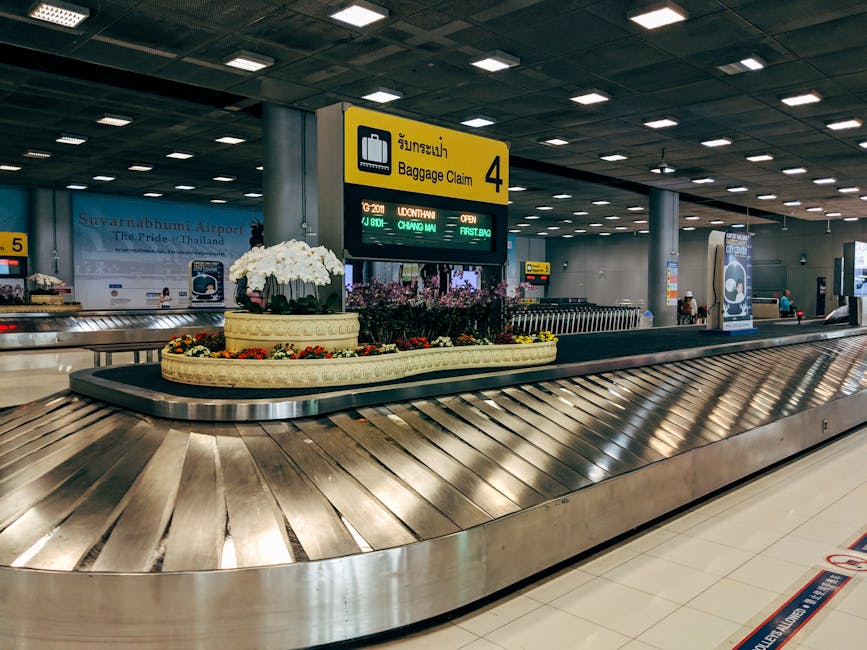
This last one is less about fees you pay going in and more about money you may not get back if something goes wrong. Delta updated its lost and delayed baggage documentation requirements, and the change puts more burden on the traveler to prove the value of what was in their bags. If your bag is lost, you now need to provide receipts and valuations for the items inside — not eventually, but as part of the initial claim process.
The practical implication: most people cannot produce receipts for clothes, toiletries, and personal items they packed. They bought that sweater two years ago and tossed the receipt. Under the new documentation requirements, the value of undocumented items is subject to dispute, and Delta — like all airlines — is not required to pay more than the $3,800 domestic liability cap per passenger regardless of what you claim was in the bag.
The smartest thing you can do before any trip is take a quick video of the contents of your checked bag on your phone before you close it. Thirty seconds of footage showing your items creates a timestamped record that strengthens any claim. For truly valuable items — jewelry, electronics, specialty gear — check your travel credit card for built-in baggage insurance, and consider supplemental travel insurance that covers delayed or lost luggage separately. Assuming the airline will make you whole is the mistake. Protecting yourself in advance is the move.