Genuinely Once-in-a-Lifetime vs. Just Calling Itself That — The Experiences That Actually Deliver
We may earn money or products from the companies mentioned in this post. This means if you click on the link and purchase the item, I will receive a small commission at no extra cost to you ... you're just helping re-supply our family's travel fund.
Every luxury hotel calls itself “once-in-a-lifetime.” Every safari operator, every adventure outfitter, every culinary tour that costs $400 a person uses the phrase so casually it has lost all meaning.
This is a problem, because some travel experiences are genuinely irreplaceable. Not “special” or “premium” or “curated” — genuinely, structurally impossible to have again, or nearly so. And if you spend your once-in-a-lifetime budget on the wrong thing, you don’t get a do-over.
Here’s how to actually tell the difference.
What ‘Once-in-a-Lifetime’ Actually Means (and What It Doesn’t)
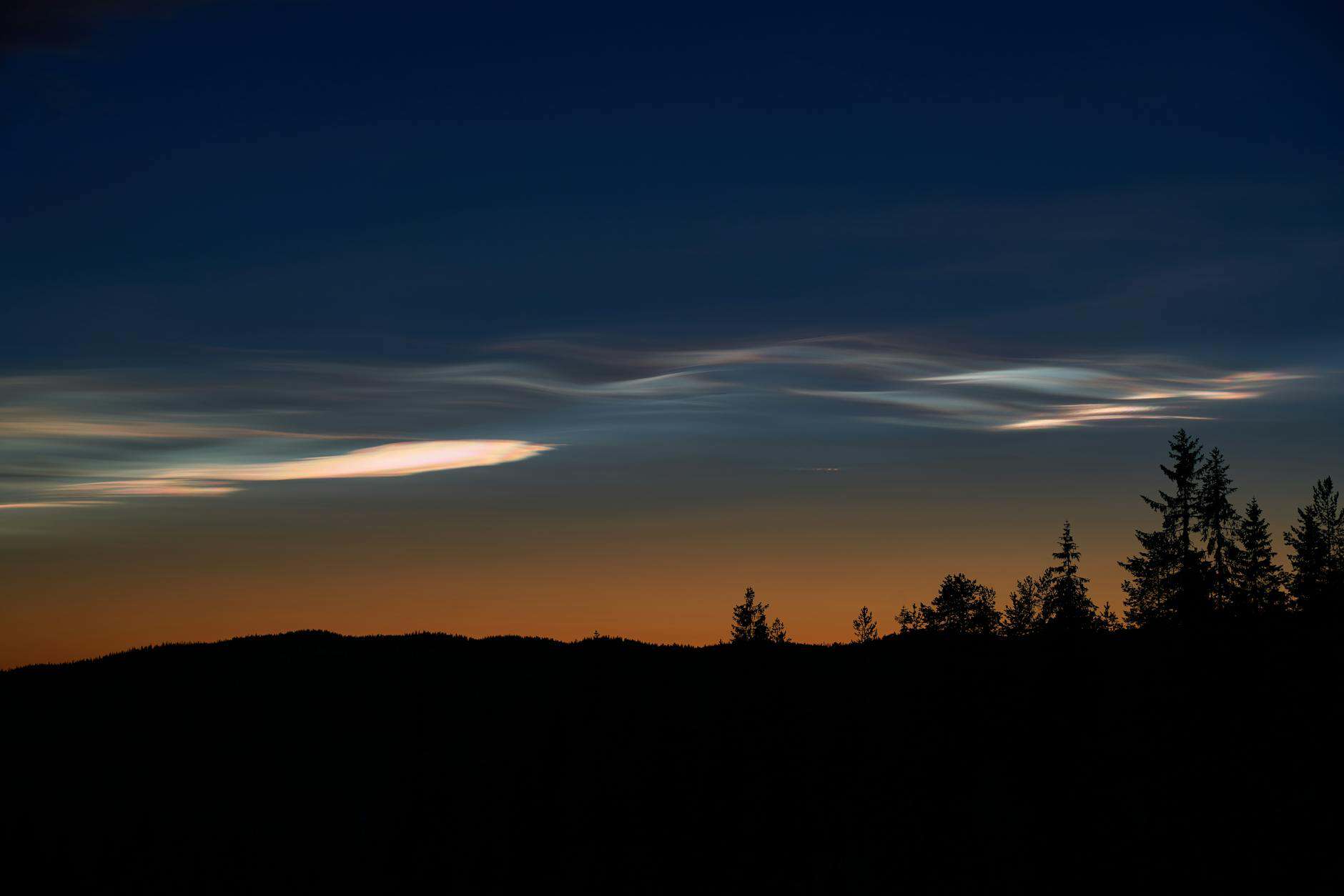
A real once-in-a-lifetime experience has at least one of these properties:
- Time-locked: It happens at a specific moment that cannot be rescheduled — a total solar eclipse, the running of a particular migration, a rare astronomical event
- Physically unrepeatable for you personally: Physical limits mean you can only do it once — a multi-month solo expedition, a summit attempt on a major peak, a through-hike that takes a season
- Existentially fragile: It may not exist in the same form in 10–20 years — certain coral reef systems, glacier hikes, ancient sites being closed or restricted, indigenous cultural ceremonies that are declining
- Accumulated context-dependent: It requires years of relationships or circumstances to be in the right moment — being present when a family member achieves something, witnessing a historical event
What it doesn’t mean: “expensive,” “exclusive,” “hard to get reservations at,” or “what our brand calls it in the brochure.”
A private villa in Tuscany is wonderful. You can book it again next year. It is not once-in-a-lifetime.
The Experiences That Genuinely Cannot Be Replicated
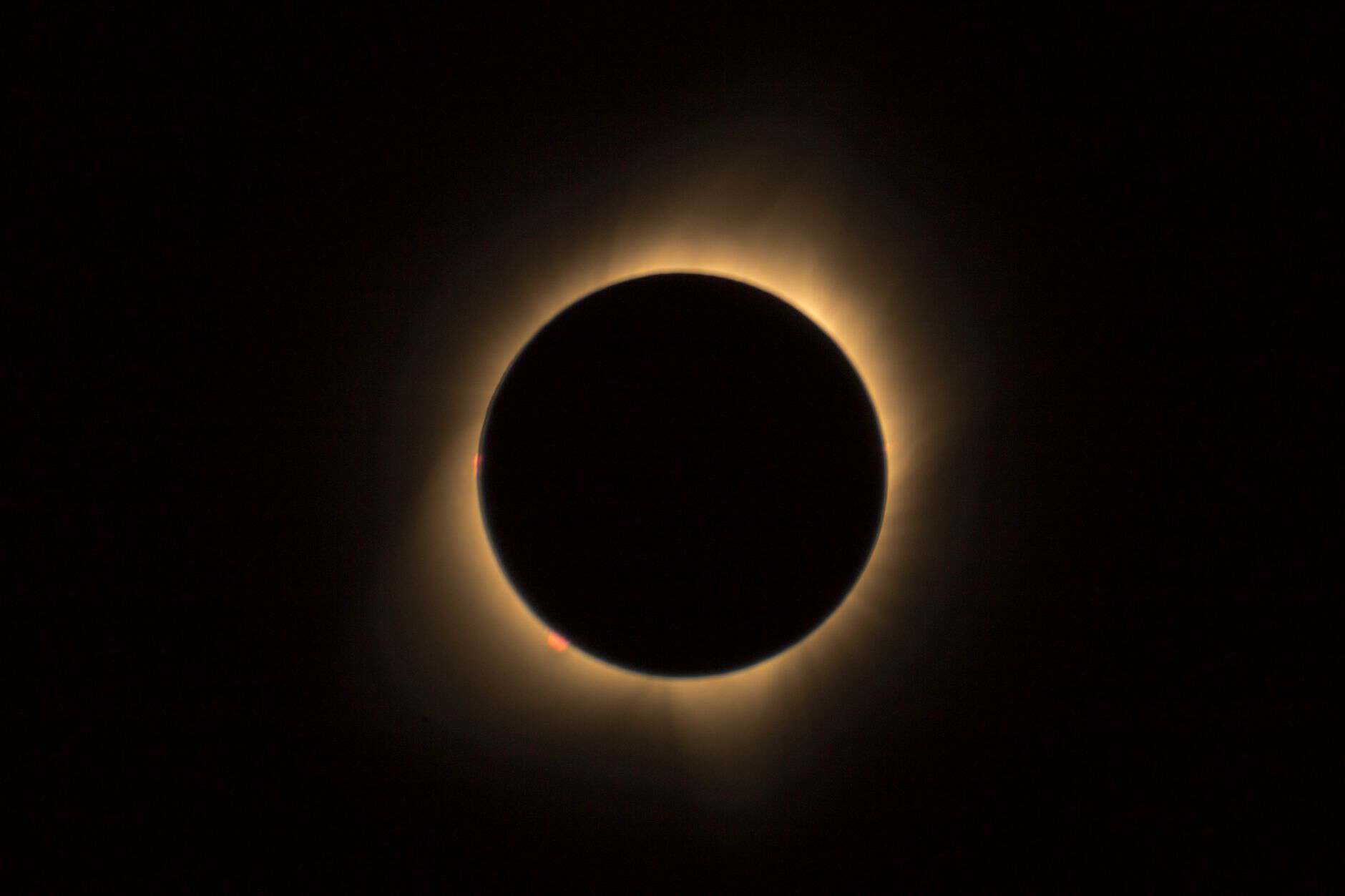
Total Solar Eclipses Along Their Specific Paths
A total solar eclipse is objectively, scientifically unlike anything else humans can witness. The temperature drops mid-day. Stars appear. Animals behave strangely. The corona becomes visible with the naked eye. Veteran eclipse chasers — people who have been to 10 or 15 totalities — describe an emotional response that surprises even them every single time.
The next major US total solar eclipse isn’t until 2044. Missing one because you didn’t feel like driving to the path of totality is something people genuinely regret. This is real once-in-a-lifetime territory.
The Great Wildebeest Migration at Peak Season
Roughly 1.5 million wildebeest cross the Mara River in Kenya/Tanzania in a chaotic, violent, hours-long spectacle that most people describe as the most intense wildlife experience possible. You can go on safari any year. The Mara River crossing at peak season (July–October) is specific — miss the timing by a week and you see a beautiful empty savanna. The window, the chaos, the scale — there’s no substitute.
Bioluminescent Bays on Good Nights
Puerto Rico’s Mosquito Bay, Luminous Lagoon in Jamaica, and a few spots in the Maldives produce bioluminescent plankton that glows electric blue when disturbed. On the right night, with the right conditions, swimming in the water makes every movement trail light like something from a dream. On a wrong night — a full moon, a rainstorm, off-season — it barely registers.
This one is rare and weather-dependent. When it works, people cry. That’s not marketing.
Glacier Experiences That Are Actively Disappearing
The Athabasca Glacier in Canada, the glaciers in Patagonia, Exit Glacier in Alaska — these are measurably, documentably smaller than they were 10 years ago and will continue to shrink. This isn’t environmentalist rhetoric; it’s physical fact. Walking on a glacier that may not exist for future generations qualifies. The experience itself isn’t un-replicable right now — but the window is closing.
Being There for the Moment
Some once-in-a-lifetime experiences aren’t destinations at all. Being in the room when your child first sees a place you love. Watching a world-class athlete in their final season. Being part of a community that was celebrating something huge. These don’t have booking links.
The Overhyped Ones That Disappoint Most People

Here’s where the marketing is loudest and the actual experience delivery is most inconsistent:
Maldives Overwater Bungalows
Beautiful? Yes. Instagram perfect? Yes. Once-in-a-lifetime? The Maldives atolls are stunning, but an overwater bungalow is ultimately a hotel room with better views. People who’ve stayed in them describe the experience as slightly lonely, surprisingly expensive ($700–$1,500+ per night), and occasionally underwhelming for snorkeling if you’re in the wrong resort atoll. It’s a great vacation. Not a transcendent one.
Santorini Sunsets
Oia at sunset: hundreds of people elbow-to-elbow on a narrow path, jockeying for the same photograph. The sunset itself is genuinely beautiful. The experience of watching it with 2,000 other tourists while someone’s shoulder is in your shot is not what the Instagram suggested.
“Authentic” Cultural Experiences Sold in Brochures
Anything sold as an “authentic village experience” or “traditional ceremony” that has a booking fee and a tour operator involved is, by definition, not fully authentic. Many are genuine and lovely. None of them are once-in-a-lifetime.
The “Best” Restaurant
Meals at world-renowned restaurants are extraordinary. They are not irreplaceable. The restaurant will be open next year. You can save up and go back.
What Makes an Experience Actually Unforgettable

Research on memory and travel experiences consistently finds that what makes travel memorable is not luxury or exclusivity but:
- Novelty: Encountering something genuinely outside your existing experience framework
- Emotional intensity: Experiences that produce strong emotions — awe, fear, wonder, deep connection — are remembered longer and more vividly
- Stories: Experiences that produce stories — things that went wrong, surprising encounters, unexpected moments — are retained better than smooth, seamless “premium experiences”
- Presence: Being fully present, without distraction, cements memories more deeply than half-experiencing something while simultaneously documenting it for social media
This is why a spontaneous side trip to an unmarked restaurant where you ate something you couldn’t identify is more memorable, 10 years later, than the Michelin-starred dinner you carefully planned.
How to Tell the Difference Before You Book

Before paying a premium for anything marketed as once-in-a-lifetime, ask these specific questions:
- Could I do this again next year? If yes: it’s not once-in-a-lifetime. It’s a really good experience.
- Is the timing fixed by nature or by someone’s marketing calendar? Eclipses and migrations don’t care about slow seasons. A “limited availability” tour that runs every two weeks is not limited.
- What do people say after — not before? Read reviews from people who’ve done it, not descriptions of it. Look for specific emotional responses, not just “amazing” and “incredible.”
- Would this exist in the same form in 20 years? If probably not — for physical, ecological, or cultural reasons — the scarcity is real.
- Am I going for the experience or the status of having done it? Honest answer. Nothing wrong with bucket-list tourism. But you should know which one you’re buying.
The Honest List: What People Actually Regret Missing

When travel writers, frequent travelers, and people in their later years talk about what they wish they’d done:
- Standing in a total solar eclipse path of totality — consistently cited as the most underrated accessible wonder
- Seeing a parent or grandparent’s homeland before that connection was gone
- The migration or wildlife event they kept deferring because “there’s always next year”
- The physical challenge — the long hike, the difficult dive, the climb — before their body made it harder
- The slow trip — a month in one place instead of a week across five — that they traded for efficiency
Rarely cited regrets: not going on a fancy enough resort vacation, not staying in an overwater bungalow, not seeing Santorini.
The difference between once-in-a-lifetime and “calls itself once-in-a-lifetime” is usually findable with 30 minutes of honest research and one direct question: what exactly makes this impossible to replace?
If the answer involves nature, time, or your own physical life stage — pay attention. If the answer involves thread counts and private plunge pools — it’s probably a very good vacation. Book it if you want. But name it honestly.