Americans Who Tried Living in Italy: The Bureaucracy Nobody Warned Them About, the Visa Reality, and Whether the Pasta Is Actually Worth It
We may earn money or products from the companies mentioned in this post. This means if you click on the link and purchase the item, I will receive a small commission at no extra cost to you ... you're just helping re-supply our family's travel fund.
Italy is the most romanticized expat destination in the world. The food, the light, the centuries-stacked architecture, the way a Tuesday afternoon in a hill town feels like an accomplishment simply by existing in it — all of it is real. The people who told you it changes you weren’t lying.
But here is the thing that most Italy expat content carefully avoids telling you: the path to actually living there is aggressively, sometimes soul-crushingly difficult. The bureaucracy is not an inconvenience. It is a system that has broken people who loved Italy deeply and tried very hard. And the visa options, while real, are less accessible than the influencer content makes them appear.
Here is the version without the golden-hour filter.
The Visa Options Americans Actually Have
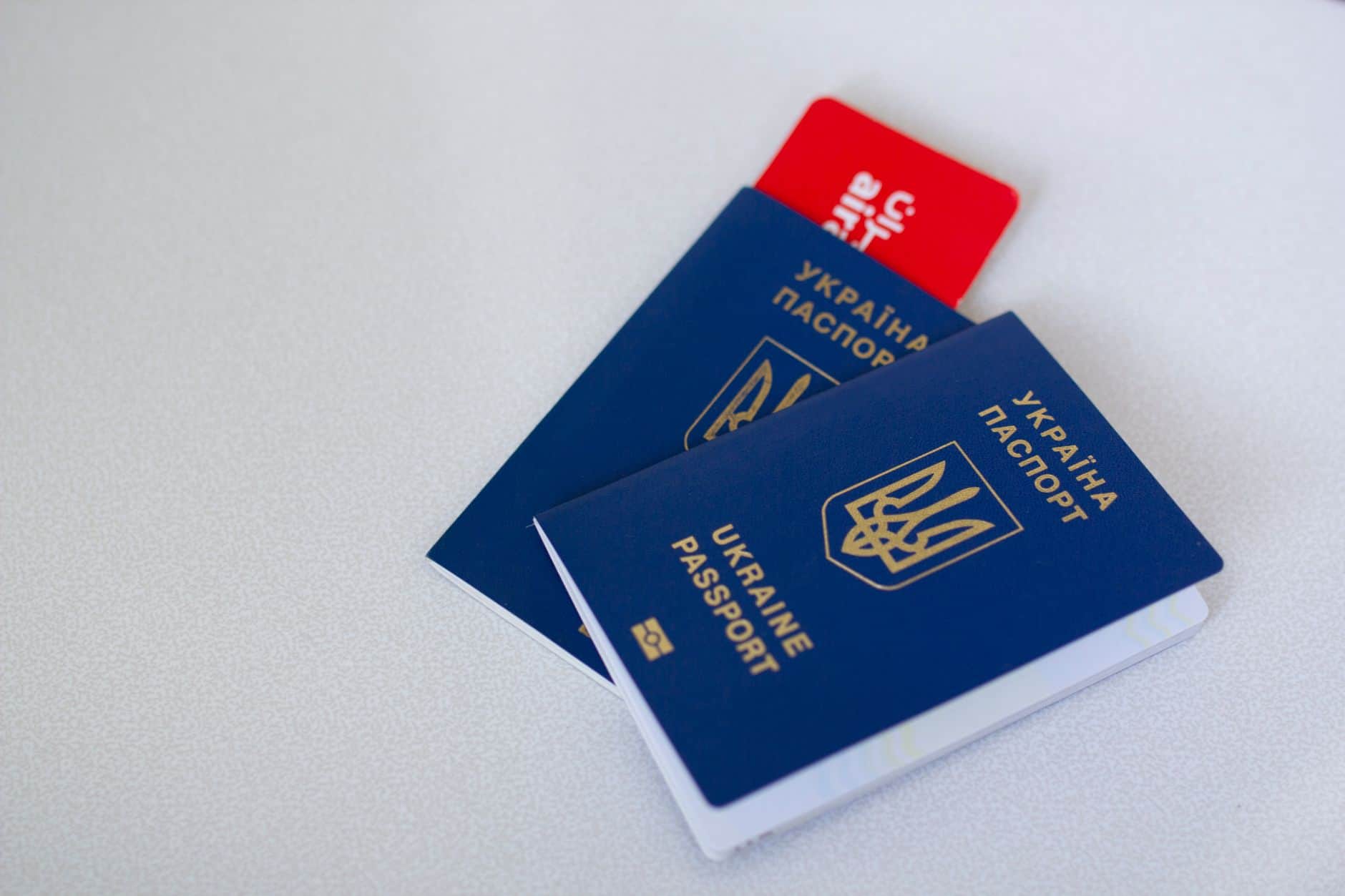
As a non-EU citizen, Americans cannot simply move to Italy. The 90-day Schengen visa allows tourism, not residency. To actually live there, you need a valid visa category. The main options:
Elective Residency Visa (Visto per Residenza Elettiva)
This is the one most promoted in expat content. The theory: you prove you have sufficient passive income (pension, investments, rental income) to support yourself without working in Italy, and you receive a long-stay visa.
The reality:
- The income threshold varies by Italian consulate (there are 11 in the US, and they do not always agree on requirements)
- Most consulates want to see a minimum of €31,000/year in passive income per person — though some have asked for more
- You cannot receive a salary or do freelance work under this visa
- The documentation required is extensive: income proof, health insurance coverage, proof of accommodation in Italy, and more — all notarized and apostilled
- Appointment availability at Italian consulates in the US is notoriously limited — some applicants report waiting 6–18 months for an appointment
Digital Nomad Visa (Visto per Lavoratori da Remoto)
Italy officially launched a digital nomad visa in 2024. Requirements: minimum annual income of roughly €28,000, employment with a non-Italian company, health insurance. This is theoretically more accessible for remote workers — but implementation has been slow and inconsistent across consulates.
Student Visa
Enrolling in a legitimate Italian university or language school grants a student visa. Some long-term expats enter this way and then transition to residency. It’s a valid path, but it requires actual enrollment and engagement with Italian institutions.
The EU Ancestry Route
If you have Italian ancestry, citizenship by descent (cittadinanza per discendenza) is possible — but it requires proving an unbroken citizenship line and navigating Italian bureaucracy for records that may be 100+ years old. Processing times have stretched to years.
The Bureaucracy: Why Italy Broke Some People Who Loved It

This section deserves its own honest treatment, because no amount of pasta makes this better.
Once in Italy on a long-stay visa, you have eight days to apply for a permesso di soggiorno (permit to stay) at a local police office (questura). This involves:
- Obtaining the correct kit from the post office (not the police station — the post office)
- Filling out forms in Italian
- Getting an appointment, which may be months away
- Returning for a fingerprint appointment
- Waiting for the actual permit — often 3–12 months — during which time you’re legally in a gray zone
Then, if you want to stay long-term, you eventually apply for residenza anagrafica at the comune (your local town hall). An officer will visit your home to verify you live there. If you miss this visit, the process restarts.
Every document needs to be notarized, translated by a certified translator, and apostilled. Things expire. Offices lose paperwork. Systems don’t talk to each other. The Italian bureaucratic system is not dysfunctional in the way the American DMV is dysfunctional — it is dysfunctional in a structurally unique way that involves regional variation, contradictory guidance, and an oral culture of “ask a local” over official channels.
Expats who have done it describe two experiences: those with a patient Italian lawyer or commercialista guiding them, and those without. The difference is enormous.
Budget for professional help. It is not optional if you value your sanity.
What Healthcare Actually Costs (and Works Like)
Italy has a national healthcare system, the Servizio Sanitario Nazionale (SSN). Residents — including foreign residents with a valid permesso — can access it. For many expats, this is one of the most attractive parts of Italian residency.
The reality is more nuanced:
- To enroll in the SSN, you need your permesso di soggiorno and residenza — both of which take time to obtain
- Until you’re enrolled, you need private health insurance — required for most visa applications anyway
- Quality of SSN care varies significantly by region; Northern Italy generally has a stronger healthcare infrastructure than the South
- Wait times for non-emergency specialist care can be long — some expats maintain private insurance for specialists even after qualifying for SSN
- Private health insurance for an American expat in Italy runs approximately €1,500–€3,000/year for solid coverage, more for older applicants
Prescription medications are dramatically cheaper than in the US. Routine care under SSN is free or near-free for residents. Dental care is largely private. Emergency care is available to anyone regardless of status.
For many American expats — especially those who had high healthcare costs in the US — Italy’s system, once accessed, is genuinely better value. Getting to “once accessed” is the challenge.
The Real Cost of Living in Italy in 2026

Italy is cheaper than major US cities, but not as dramatically cheap as the retirement lifestyle content suggests.
Rent
- Rome or Milan: €1,200–€2,200/month for a decent 1–2 bedroom apartment
- Florence: €1,000–€1,800/month
- Smaller cities (Bologna, Verona, Padua): €700–€1,200/month
- Rural hill towns and southern Italy: €400–€800/month is realistic, sometimes less
Food and Groceries
Groceries are noticeably cheaper than comparable US prices. A weekly shop for two: €60–€100. Eating out at a local trattoria (not a tourist restaurant): €25–€40 for two with wine. A caffe at the bar: €1.30. The food cost argument is real — if you eat like an Italian instead of like an American tourist, it’s genuinely less expensive.
Utilities and Internet
Electricity in Italy is expensive — expect €80–€150/month depending on season and heating type. Gas heating varies. Internet runs €25–€40/month for fiber.
Transportation
Cars are expensive to run in Italy (fuel prices, ZTL restricted zones, insurance). In cities, many expats go car-free. Trains are affordable and extensive — a high-speed train Rome to Milan is €30–€80.
Realistic monthly budget for two adults, mid-size Italian city: €3,000–€4,500/month all-in
This is comparable to a mid-tier American city — not the bargain the content implies, but genuinely better quality of life for the money in many respects.
What Americans Got Wrong About Italian Culture
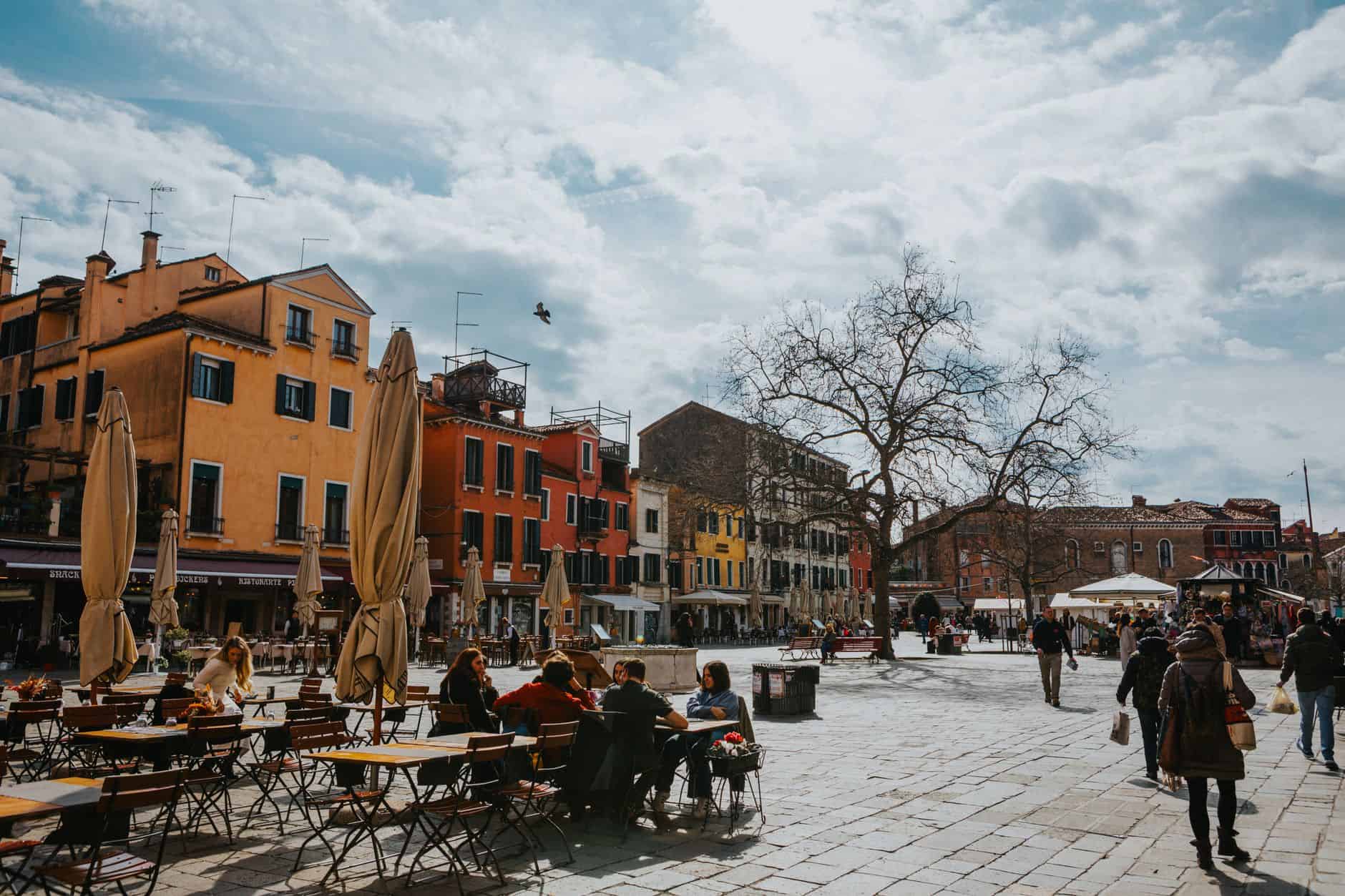
Expats who moved expecting the country of their fantasies encountered a real country with real cultural friction:
- Business hours are non-negotiable. Shops close in the afternoon. The post office has hours that will confuse you. Planning your life around these schedules takes adjustment.
- The language barrier is significant outside tourist areas. Italy’s English proficiency in rural and southern areas is limited. Learning Italian is not optional for real integration — it’s mandatory.
- Italians can be slower to form close friendships with foreigners. The warmth you experience as a tourist is genuine. Deep social integration into Italian communities takes years and language fluency.
- The “slow life” has a flip side. The same culture that makes Sunday lunch a three-hour celebration also means your internet installation takes three weeks and a contractor might be an hour late without calling.
- Regional identity is very strong. Italy only unified in 1861. A Milanese and a Palermitan have very different cultures, food, and sometimes mutual opinions. Where in Italy you live matters enormously.
The Ones Who Made It Work — What They Did Differently

Expats who successfully settled in Italy and describe being genuinely happy there share consistent patterns:
- They learned Italian — seriously. Not tourist phrases. Actual functional Italian, pursued continuously.
- They hired a commercialista or lawyer from day one. The administrative load of Italian residency is not DIY-able at normal human stress tolerance. Professional guidance is a quality-of-life investment.
- They chose a specific community, not just a country. The ones who moved to “Italy” broadly struggled. The ones who moved to a specific town where they had connections, or spent time before committing, fared better.
- They had financial cushion beyond the minimum. The visa income minimums are floors. Having 50% more financial runway than required removes enormous stress from bureaucratic delays.
- They were patient with the pace. Things move slowly. They stopped fighting it and started planning around it.
So Is the Pasta Worth It?

Here is the honest answer: for the right person, yes — genuinely, profoundly yes.
People who moved to Italy and thrived describe something that sounds almost embarrassingly clichéd until they say it with the specificity of someone who has actually lived it: daily life in Italy, at its ordinary best, has a quality that is hard to find anywhere else. The food is not a marketing claim — fresh pasta, local produce, cheese and wine at prices that seem impossible, eaten in places that have been serving the same dishes for generations. The physical beauty of the country is not photography-enhanced. The pace, once you stop resisting it, produces a relationship with time that Americans in particular find revelatory.
But Italy will test you first. It will bury you in paperwork. It will make you wait. It will require you to learn its language and its rhythms on its terms, not yours.
The Americans who succeed there mostly say the same thing: it was harder than they expected, and it was worth it anyway.
That’s not nothing.