The Worst Airports in America, According to People Who Fly Through Them Every Week — Specific Terminals, Real Complaints
We may earn money or products from the companies mentioned in this post. This means if you click on the link and purchase the item, I will receive a small commission at no extra cost to you ... you're just helping re-supply our family's travel fund.
Casual travelers hate airports because they’re stressful. Frequent travelers hate specific airports for specific reasons — broken things that have been broken for years, design decisions that seem deliberately hostile to passengers, and the special frustration of watching a billion dollars in renovation produce an experience that is somehow worse than before.
This is not a survey. This is an aggregated view from people who log 50,000 to 200,000 miles a year, who have opinions about specific terminals, who know which security checkpoints move faster, and who have learned through painful experience which airports require an extra 90 minutes of buffer time.
Their verdicts are less forgiving than a JD Power survey.
How Frequent Flyers Evaluate Airports Differently

Occasional travelers grade airports on whether they have good food options and charging stations. Frequent flyers grade on different criteria:
- Security consistency and speed: Not how fast on a good day — how predictable across 50 visits
- Connection feasibility: Can you realistically make a 45-minute connection, or is that a fantasy at this airport?
- Baggage claim reality: How long does baggage actually take, and does the board tell the truth?
- Infrastructure reliability: Broken jetways, non-functional escalators, gates that don’t have agents assigned — these are chronic at some airports
- Staff culture: TSA attitudes, gate agent helpfulness during irregular operations — this varies more by airport than most people realize
With that lens on, here’s who keeps appearing at the bottom of every experienced traveler’s list.
LaGuardia (LGA): The One That Finally Got Better, Mostly
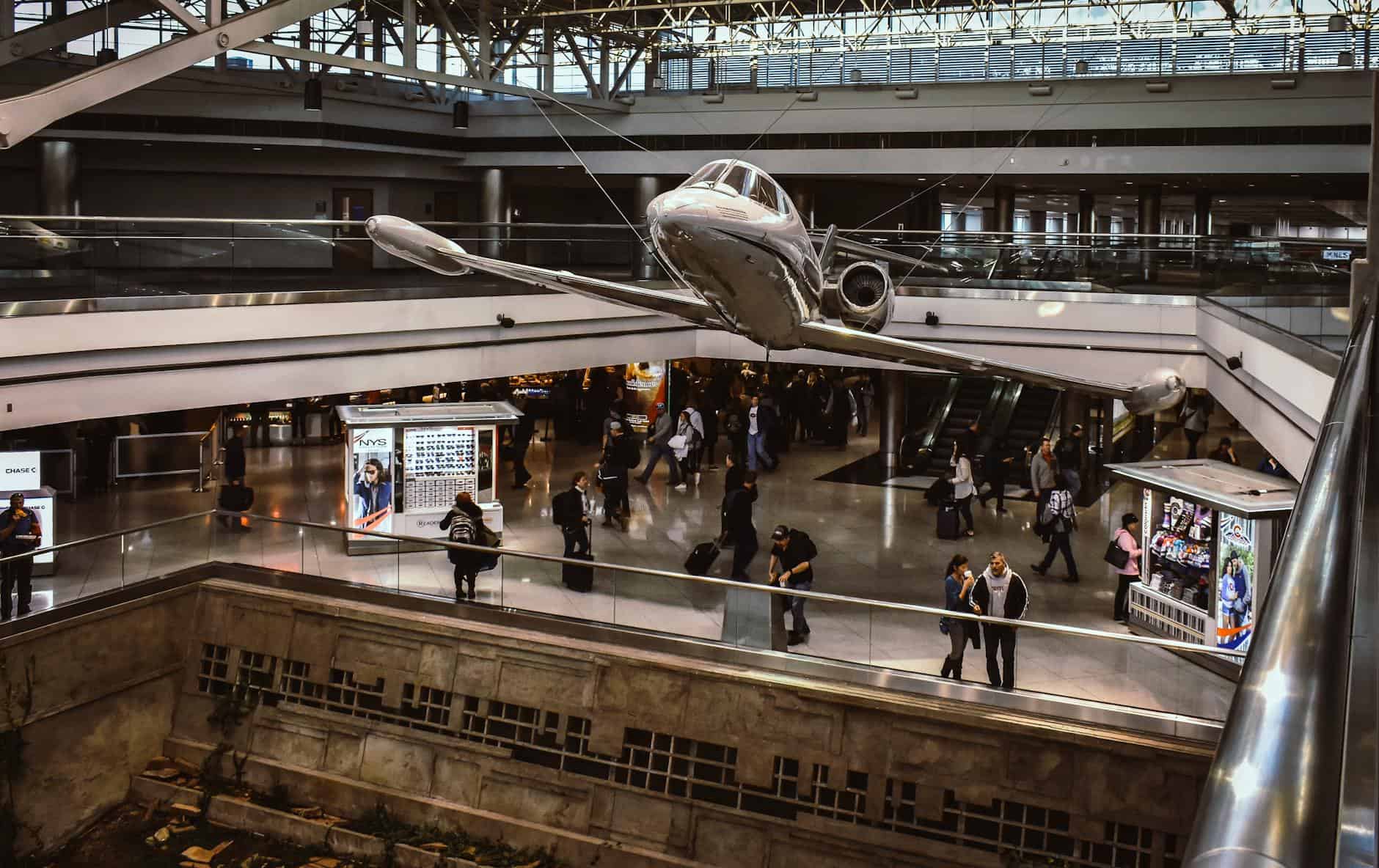
LaGuardia was, for decades, the punchline of American airports — famously described by Vice President Biden in 2014 as looking like it belonged in a “Third World country.” The $8 billion renovation that has been underway since 2016 has genuinely improved the experience at the new Terminal B and the rebuilt Terminal C.
But let’s be honest about what’s still terrible:
- Traffic and ground transportation remain a disaster. The new AirTrain connection was delayed for years; as of 2026, ground access to LGA is still overwhelmingly car-dependent, and pickup/dropoff zones are chronically congested
- The Delta terminal (Terminal C) is legitimately good. Other parts of the airport still vary
- Weather events hit LGA harder than any major East Coast airport because of its geography and the airspace constraints that mean delays compound faster
The headline: LGA is no longer the worst airport in America by a significant margin. It’s now a mediocre-to-acceptable airport with a bad reputation it’s slowly earning its way out of. Credit where credit is due — the renovation delivered real improvements. The ground transportation problem remains unsolved.
O’Hare (ORD): Great Airline Hub, Punishment for Everyone Else
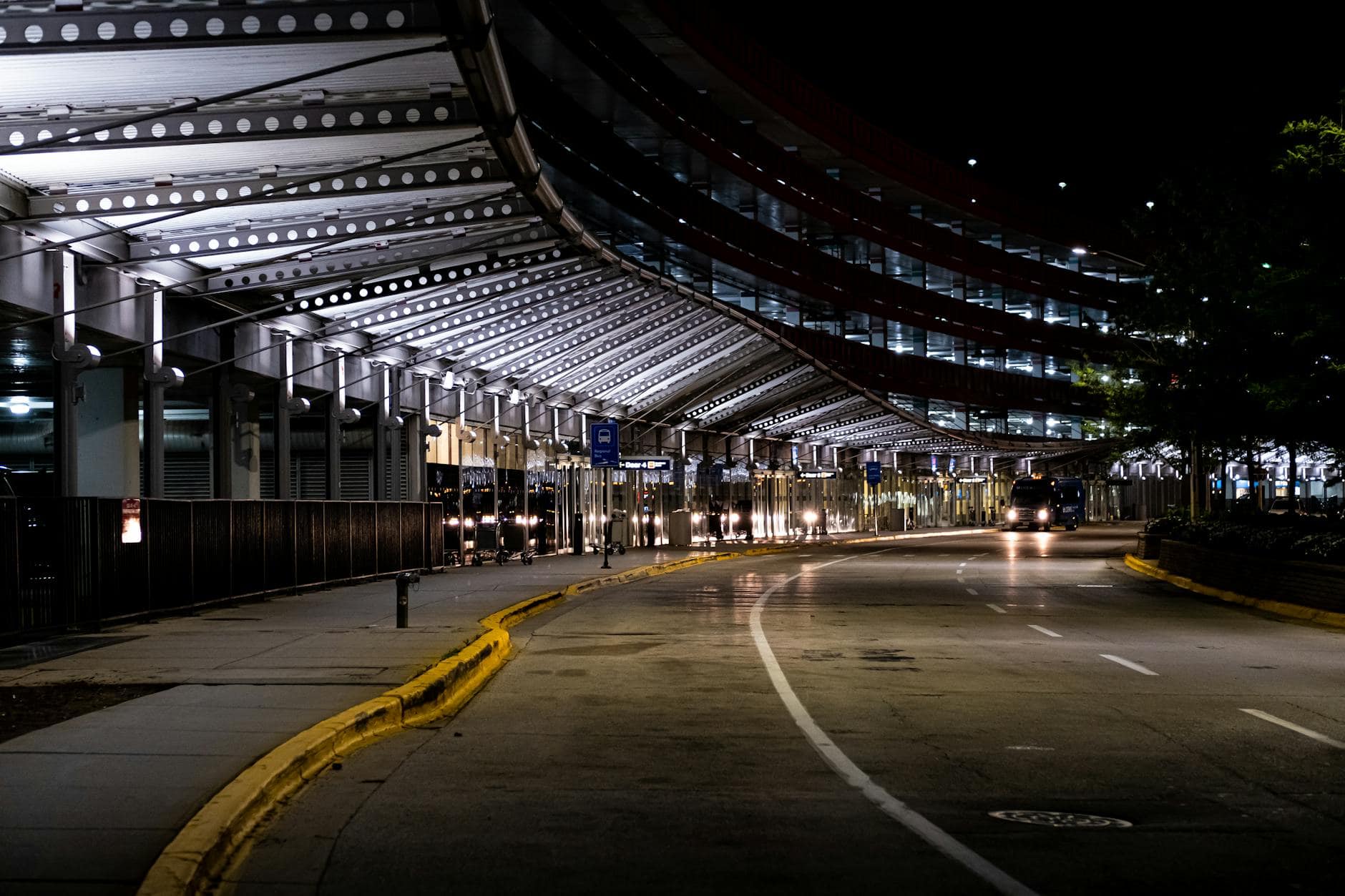
O’Hare is one of the world’s great airline hubs. United and American both use it as a major connect point, and if you’re a status holder on either of those airlines with access to the right lounge and a confirmed connection, O’Hare functions well.
For everyone else:
- The gate layout means that a connection from Terminal 3 to Terminal 5 (international) requires a terminal transfer that, during any peak period, involves a shuttle bus and is realistically a 35–50 minute journey minimum
- The ongoing O’Hare modernization program — which has been ongoing since the early 2000s in various forms — creates persistent construction confusion
- Baggage claim at ORD routinely draws complaints about wait times, with checked bags sometimes taking 45–60 minutes on domestic flights
- Weather delays at O’Hare are significant — winter operations especially — and the tight connections that airlines schedule through ORD become misconnects at a higher rate than more weather-resilient hubs
Frequent flyers who use O’Hare as their home airport often say: it’s fine when it’s fine, and catastrophic when it isn’t. The margin for error is thin.
Newark Liberty (EWR): The Airport That Beats You Down
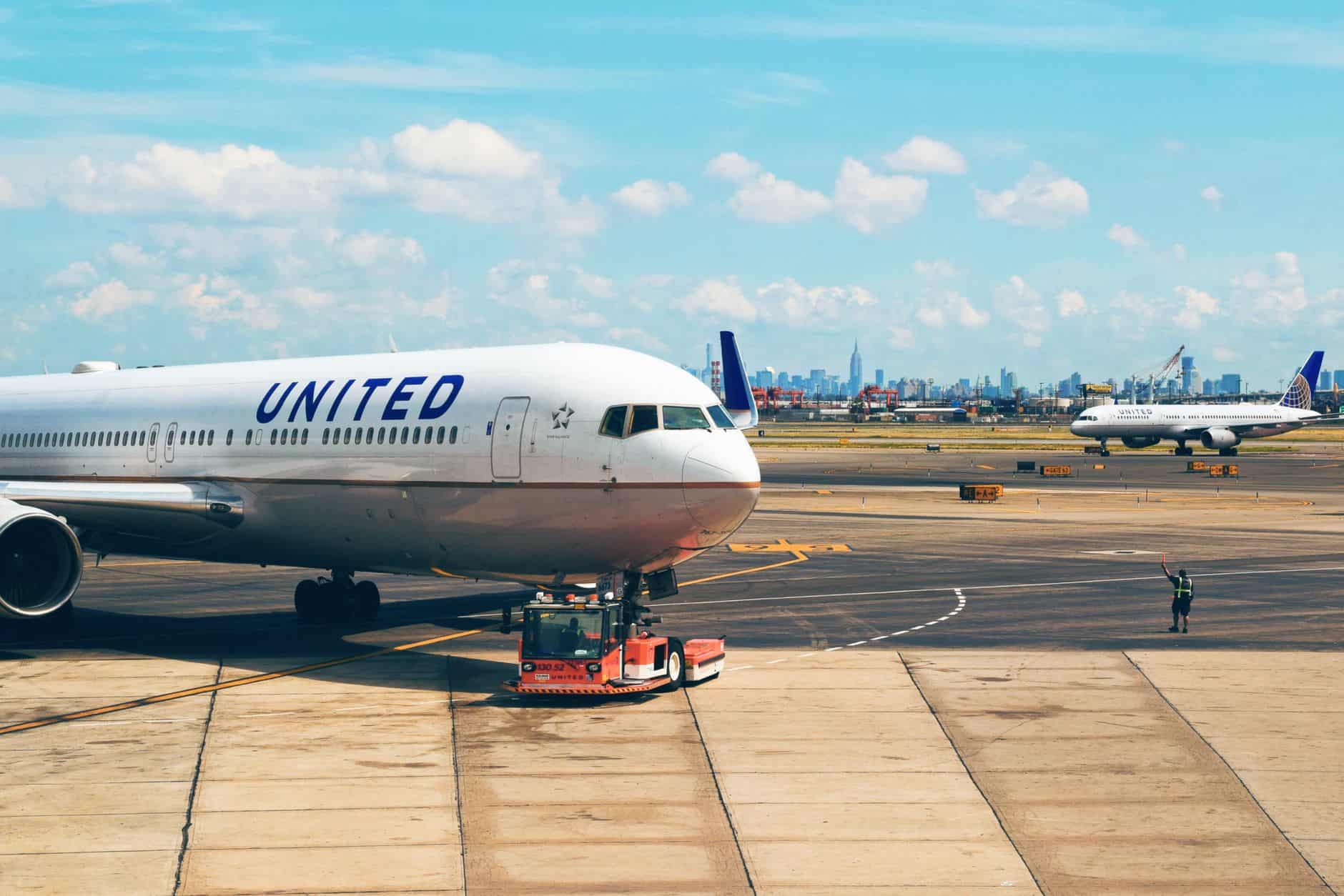
Newark is the airport that comes up most consistently when frequent flyers are asked which airport they actively dread.
The reasons are specific and documented:
- The AirTrain connecting to NJ Transit trains broke down for an extended period in 2023, stranding passengers and underscoring the fragility of EWR’s ground infrastructure
- Terminal A is newly renovated and genuinely nice. Terminals B and C are aging, and the contrast is jarring
- EWR has some of the worst on-time departure performance of any major US hub — consistently ranking near the bottom in DOT statistics, driven by its airspace location in the congested NYC area and United’s hub operations
- The ground transportation situation is confusing: the AirTrain goes to the train station, not directly to Manhattan, requiring a transfer. Taxis and rideshare pickup is poorly organized
- United’s hub dominance means that when United has a bad day operationally, EWR has a catastrophically bad day
The consensus among frequent United flyers: EWR is fine if your flight is on time. As a misconnect recovery point, during irregular operations, it is among the most stressful experiences in American aviation.
JFK: Four Airports Pretending to Be One
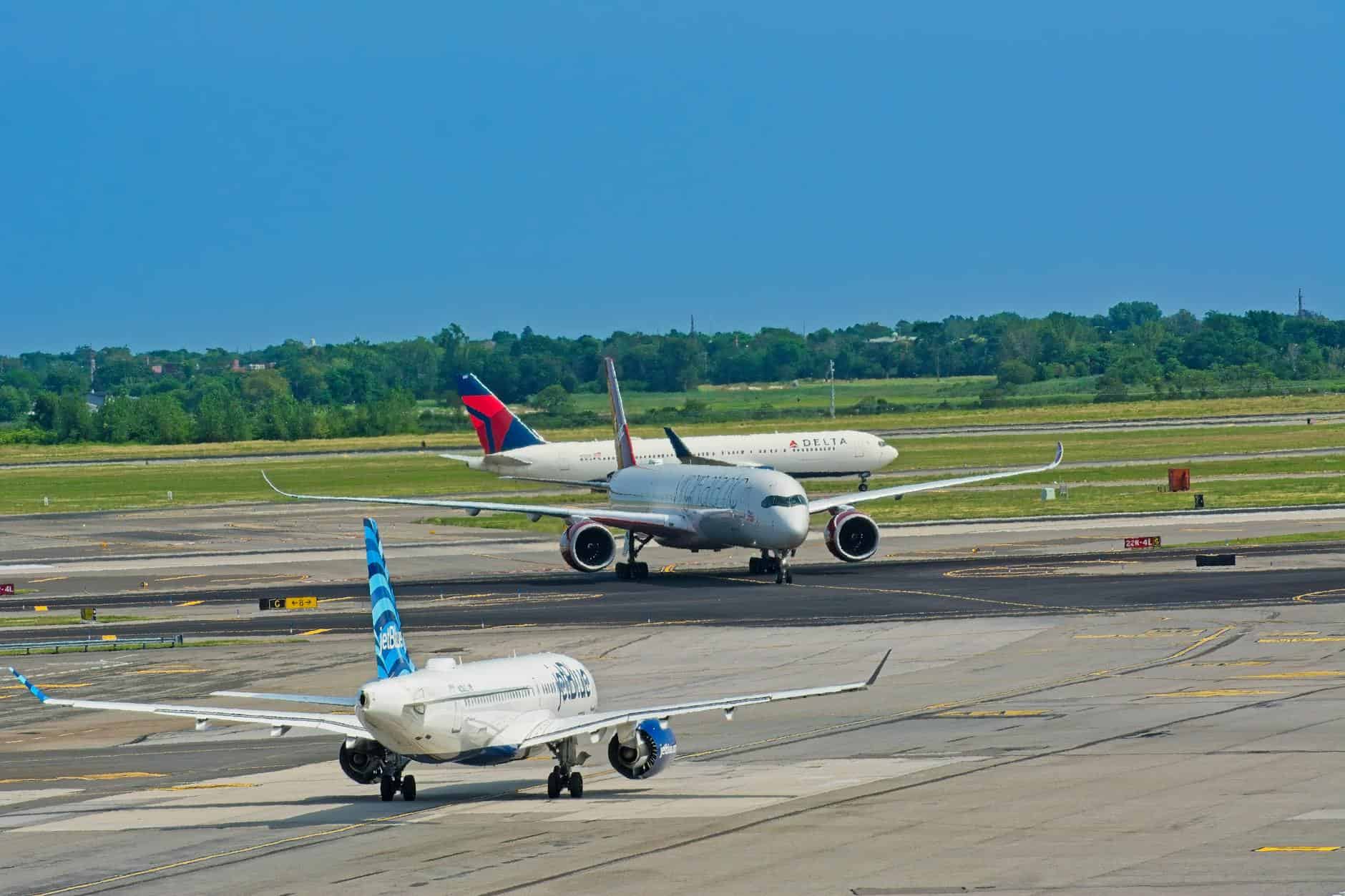
JFK’s fundamental problem is architectural and historical: it was built as a collection of separate terminals by competing airlines, and despite decades of partial renovation, it has never become a coherent airport.
- Terminals 1, 4, 5, and 8 have different operators, different food options, different WiFi networks, and different TSA checkpoint efficiency — and getting between them requires going outside
- Terminal 4 (home to Delta, many international carriers) is genuinely good — modern, efficient, well-organized
- Terminal 8 (American) is functional. Terminal 5 (JetBlue) was once considered innovative; it now shows its age
- The inter-terminal AirTrain is slow and confusing for first-time users
- Ground transportation is a perpetual problem — the JFK AirTrain to the subway takes 60–75 minutes to Manhattan and requires a transfer; taxis and rideshare are $70–$100+
- JFK is in active reconstruction with the new Terminal 6 and expanded Terminal 4 — which means years more of construction disruption
Frequent international travelers use JFK because they have to. Almost none of them say they enjoy it.
LAX: Construction Without End, Confusion by Design
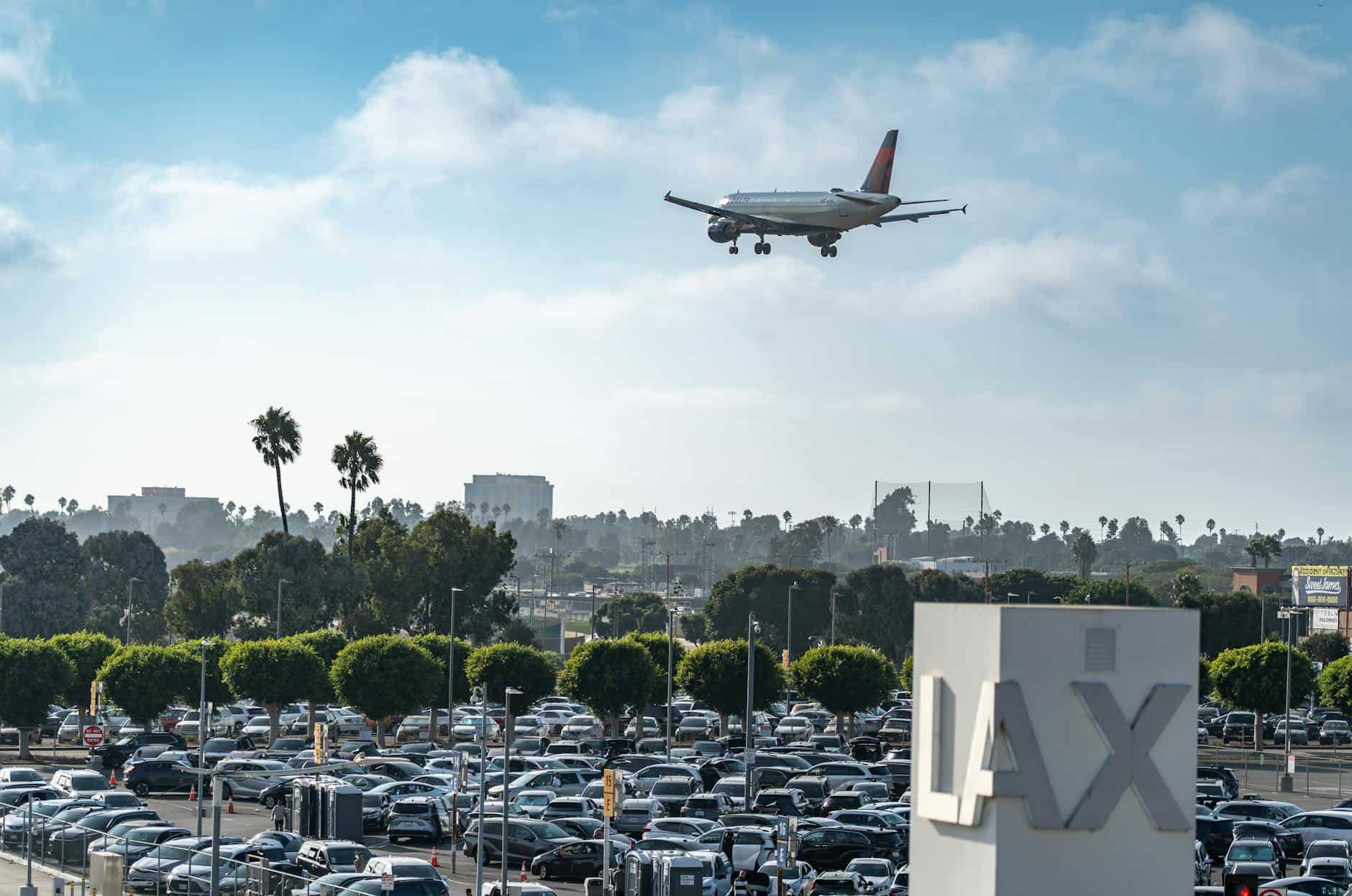
Los Angeles International has been under construction, in some form, continuously since the early 2000s. The 2028 Olympics are accelerating a major modernization push, which means the next several years will involve more construction, more disruption, and more of what LAX already specializes in: making simple things complicated.
- The arrivals and departures curb situation is among the most confusing in American aviation — multiple levels, unclear signage, and a rental car facility that requires a bus ride
- The Automated People Mover connecting to the new rental car facility and the future light rail opened in 2023 and genuinely helps — but it doesn’t solve the terminal-to-terminal problem
- Getting between terminals requires either going through security (if you have boarding passes for both) or exiting and re-entering, which during peak periods involves significant waits
- Tom Bradley International Terminal is enormous and the transit between international and domestic connections involves a process that has stranded passengers who didn’t buffer enough time
- Traffic on the 405 and Century Boulevard means ground transportation to and from LAX is wildly time-variable. A trip that takes 25 minutes at 6am takes 90 minutes at 5pm
Honorable Mentions: The Others Getting Worse
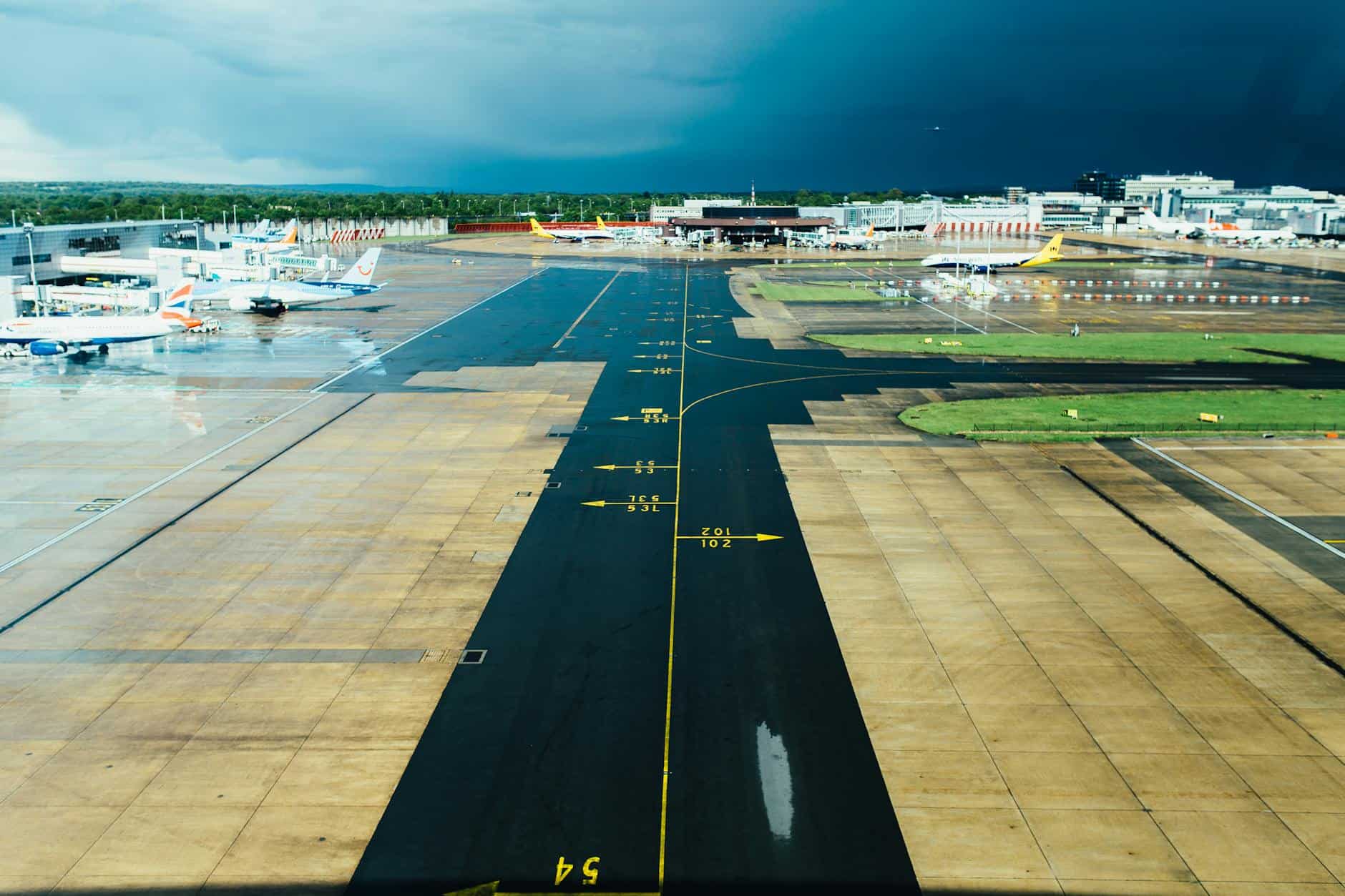
- Boston Logan (BOS) Terminal B: American Airlines’ terminal gets consistent complaints about age, crowding, and gate assignment chaos during irrops
- Miami International (MIA): The D/E concourse area is a labyrinth that confuses frequent travelers on their tenth visit. Beautiful airport in some areas, baffling in others
- Philadelphia International (PHL): A Hub that punches below its weight operationally. American’s hub here is notorious for misconnects and an atmosphere that experienced travelers describe as “defeated”
- Atlanta Hartsfield-Jackson (ATL): Not on a worst list — it’s actually one of the most operationally efficient airports in the world. But it makes frequent flyer complaints lists because of its sheer scale and the specific experience of the international terminal connection
The Ones That Are Actually Getting Better
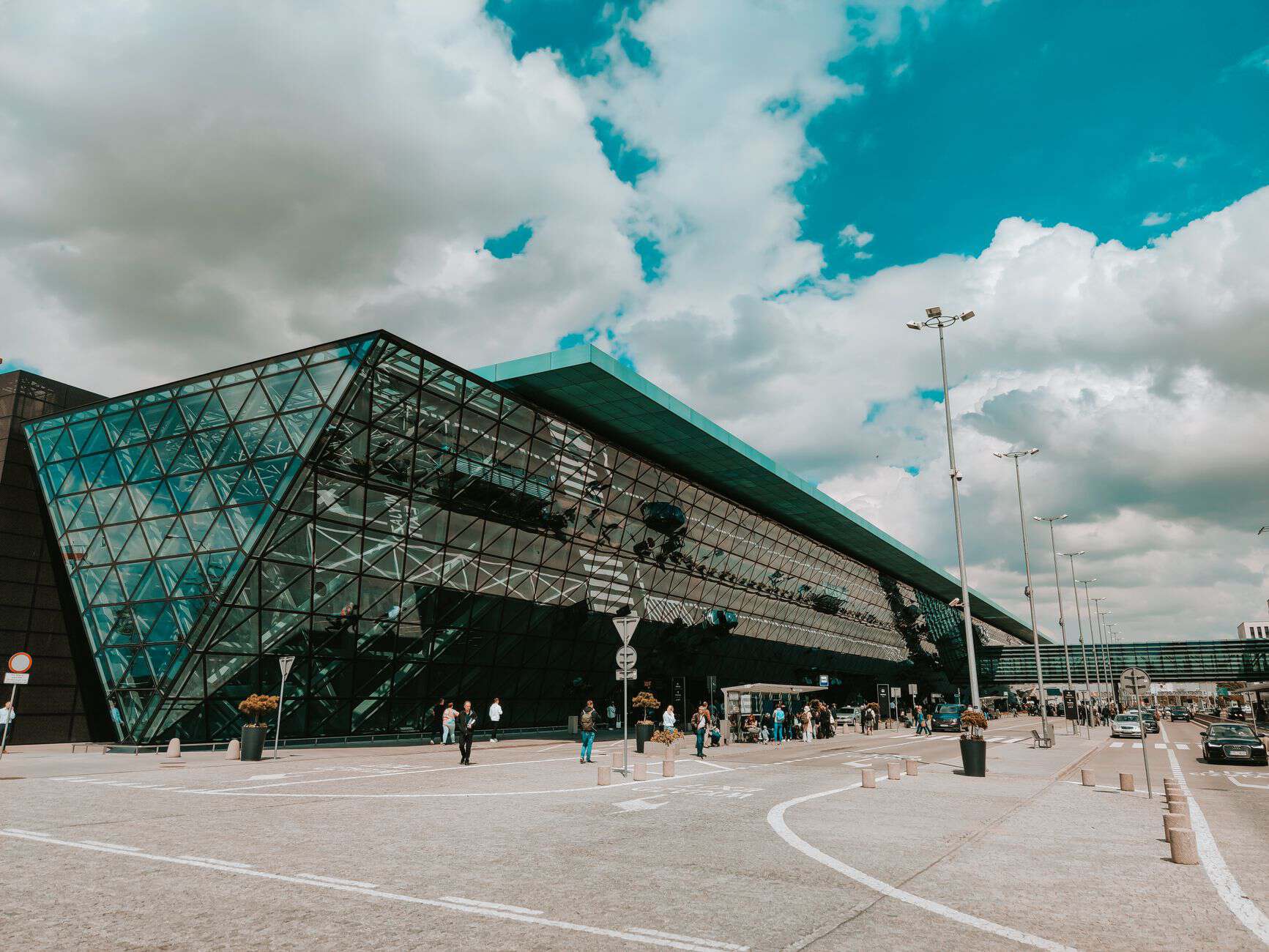
Fair is fair — some airports have invested well:
- Dallas-Fort Worth (DFW): Consistent, clean, well-run. The new Terminal F opened smoothly. If you have a connection on American through DFW, it works
- Denver International (DEN): Confuses new arrivals with its layout but runs reliably. The new Great Hall renovation improved common areas significantly
- Charlotte Douglas (CLT): American’s best-run hub by most frequent flyer consensus. Fast, efficient, good food options, rarely feels chaotic
- Salt Lake City (SLC): The brand-new terminal that opened in phases starting 2020 is routinely cited as a top US airport experience
The pattern that separates the good from the bad is simple: airports with clear strategic leadership, consistent investment, and a single dominant carrier that is well-aligned with the airport’s operations tend to work. Airports built in an era of competing airline kingdoms, left partially renovated for decades, and located in constrained airspace tend to be the ones you dread.
The bad news: the airports that frequent flyers hate most are also the ones that serve the most passengers. You’re probably going to see them again.