San Francisco Rent Averages Over $3,000 a Month. In the Outer Sunset, a One-Bedroom Still Comes In Under That.
We may earn money or products from the companies mentioned in this post. This means if you click on the link and purchase the item, I will receive a small commission at no extra cost to you ... you're just helping re-supply our family's travel fund.
San Francisco has a reputation as one of the most expensive rental markets in the country, and most of the time that reputation is earned. But the city is not one market — it is a dozen microclimates of price, and a handful of neighborhoods have steadily stayed within reach of people who aren’t tech-salary earners. The Excelsior, the Outer Sunset, and Visitacion Valley are the three names that come up again and again when San Franciscans talk about where regular people still live.
The Outer Sunset: Fog, Not Finance
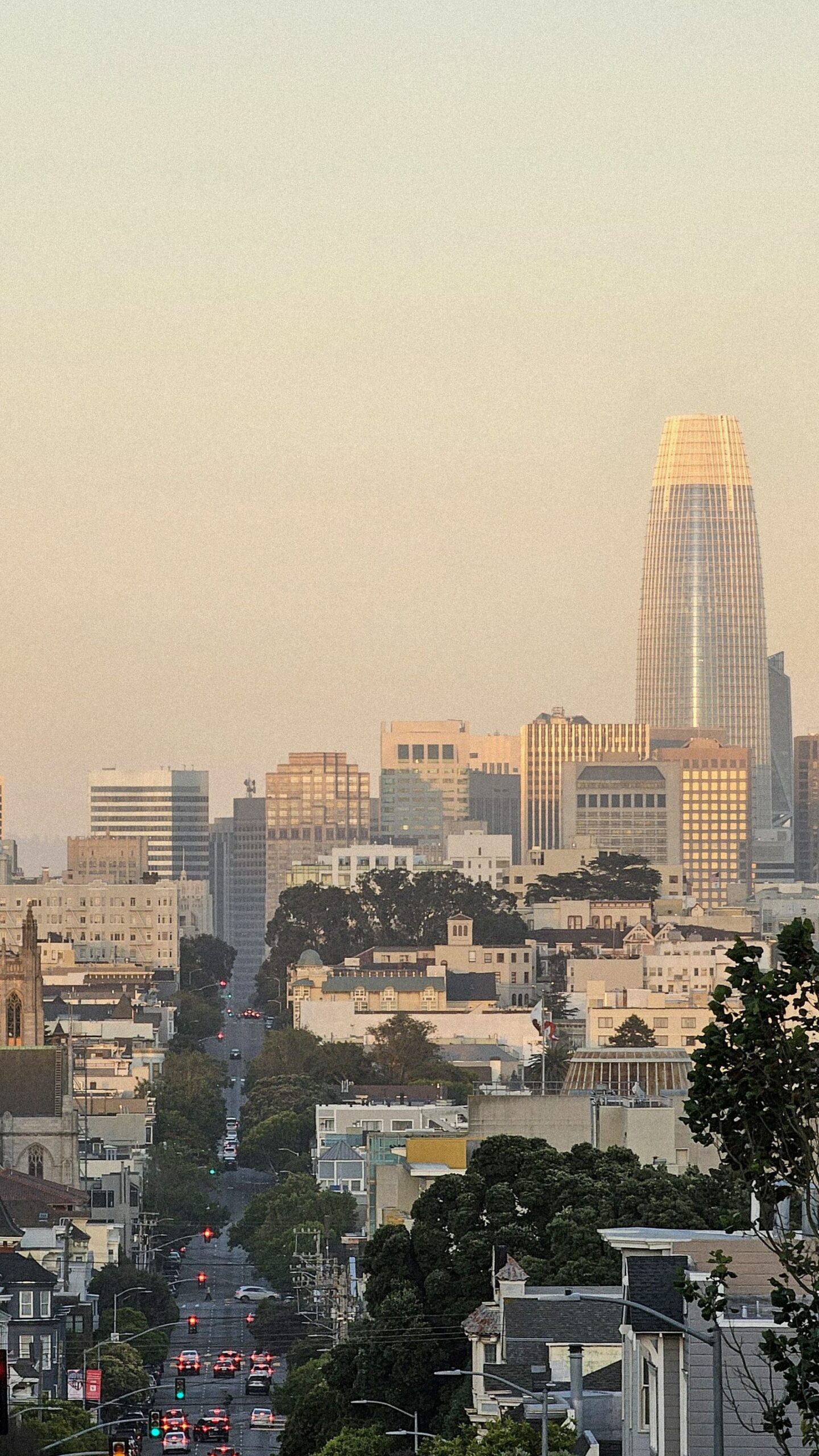
The Outer Sunset is the flattest, foggiest, most residential stretch of San Francisco, a grid of pastel-colored row houses running west from Sunset Boulevard to Ocean Beach. It has never been chic in the way North Beach or the Mission are chic, largely because the fog rolls in most afternoons and the neighborhood is a 25-minute Muni ride from downtown. That distance from the action is exactly why the rent has stayed lower. Average asking rent for a one-bedroom in the Outer Sunset runs around $2,950, according to ApartmentAdvisor data, compared to citywide averages that regularly clear $3,000 to $3,500 for comparable units in more central neighborhoods.
What you get for that price is a genuine neighborhood rather than a tourist backdrop: family-run Chinese bakeries, surf shops catering to the wetsuit crowd who ride the cold breaks at Ocean Beach, and a demographic mix that includes a large Chinese American population alongside younger renters priced out of the east side of the city. The tradeoff is real — less nightlife, more fog, and a commute that makes downtown jobs feel far away even though they’re only six miles distant.
The Excelsior and Visitacion Valley
South of Bernal Heights, the Excelsior has historically been one of San Francisco’s most ethnically diverse and least glamorous neighborhoods, built up mid-century with modest single-family homes rather than Victorians. It still trades at a discount to nearly every other district in the city, and its Mission Street corridor has a working-class commercial strip feel that has resisted the boutique-ification seen elsewhere. Visitacion Valley, tucked into the city’s southeastern corner near the Cow Palace and the Sunnydale public housing development, is even further from downtown’s cultural gravity and prices accordingly — some of the last blocks in San Francisco where a two-bedroom apartment can still be found under $2,800.
The Real Tradeoffs
- Longer Muni or BART commutes to downtown and SoMa tech offices, often 35 to 50 minutes each way
- Fewer restaurants and almost no nightlife scene compared to the Mission or Hayes Valley
- Persistent coastal fog in the Sunset that can mean 55-degree afternoons in July
- Housing stock is mostly older single-family and duplex buildings, not amenity-rich new construction
None of these neighborhoods are secrets to anyone who has actually apartment-hunted in San Francisco — real estate agents and online forums point to them constantly. What’s changed in the last few years is how much more attention they get from renters priced out of the flashier core, and how much that demand has started to erode the discount. The Outer Richmond, north of the Sunset, has already seen rents rise as spillover demand pushes west and south simultaneously.
It helps to understand why San Francisco’s price map looks the way it does geographically. The city’s most expensive neighborhoods cluster around its eastern and northern edges, near the bay, near downtown, near the tech offices of SoMa and the Financial District, and near the restaurant-dense corridors of the Mission and Hayes Valley. Price generally falls the further west and south a neighborhood sits, correlating almost directly with distance from both the bay views and the job centers that drive demand. The Sunset and the Excelsior sit at the far end of that gradient, which is precisely why they’ve become the default answer for anyone trying to stay in the city without a six-figure tech salary.
There’s also a generational angle that’s easy to miss. Many Outer Sunset and Excelsior homes are still owned by the families who bought them decades ago, often immigrant families who arrived in the mid-twentieth century when these neighborhoods were considered working-class and unglamorous. That long-held ownership means a meaningful share of the housing stock in these areas isn’t actively for sale or for rent at market rate at all, it’s generational property, and what does hit the market often goes to extended family or through informal networks before it’s widely advertised. That dynamic further insulates these neighborhoods from the price pressure hitting the rest of the city.
The Richmond District, both Inner and Outer, deserves a mention as the fourth option in this conversation, sitting just north of the Sunset with a similar fog pattern and a similarly strong Asian American commercial corridor along Clement Street. It has started creeping upward in price faster than the Sunset in recent years precisely because word has gotten out, which is its own small case study in how quickly an affordability discovery can erode the affordability itself once enough renters make the same discovery at the same time.
Transit access is the practical tradeoff that keeps prices lower in these western neighborhoods, and it’s worth being honest about for anyone considering the move. The N and L Muni light rail lines serve the Sunset and the Excelsior respectively, but service intervals and travel times to downtown run longer than the more central BART-adjacent neighborhoods enjoy, meaning a resident trading a $1,000-a-month rent savings for a longer daily commute is making a real tradeoff, not a free discovery. For remote workers and people who don’t commute downtown daily, that tradeoff essentially disappears, which is part of why the pandemic-era rise of remote work accelerated demand for these neighborhoods specifically among people who no longer needed to optimize their address around a downtown office commute.
The bigger structural point is what these neighborhoods reveal about San Francisco’s housing math generally: even in a city famous for unaffordability, the affordability crisis is concentrated in specific high-demand corridors — the Mission, the Marina, SoMa, Hayes Valley — while a geographically large share of the city’s western and southern neighborhoods remain within reach of teachers, city workers, and service employees. San Francisco isn’t uniformly expensive. It’s expensive where people want to be seen, and considerably more livable everywhere the fog reaches first.