Provincetown Has 3,600 Year-Round Residents. It Also Has 60,000 People a Night in August.
We may earn money or products from the companies mentioned in this post. This means if you click on the link and purchase the item, I will receive a small commission at no extra cost to you ... you're just helping re-supply our family's travel fund.
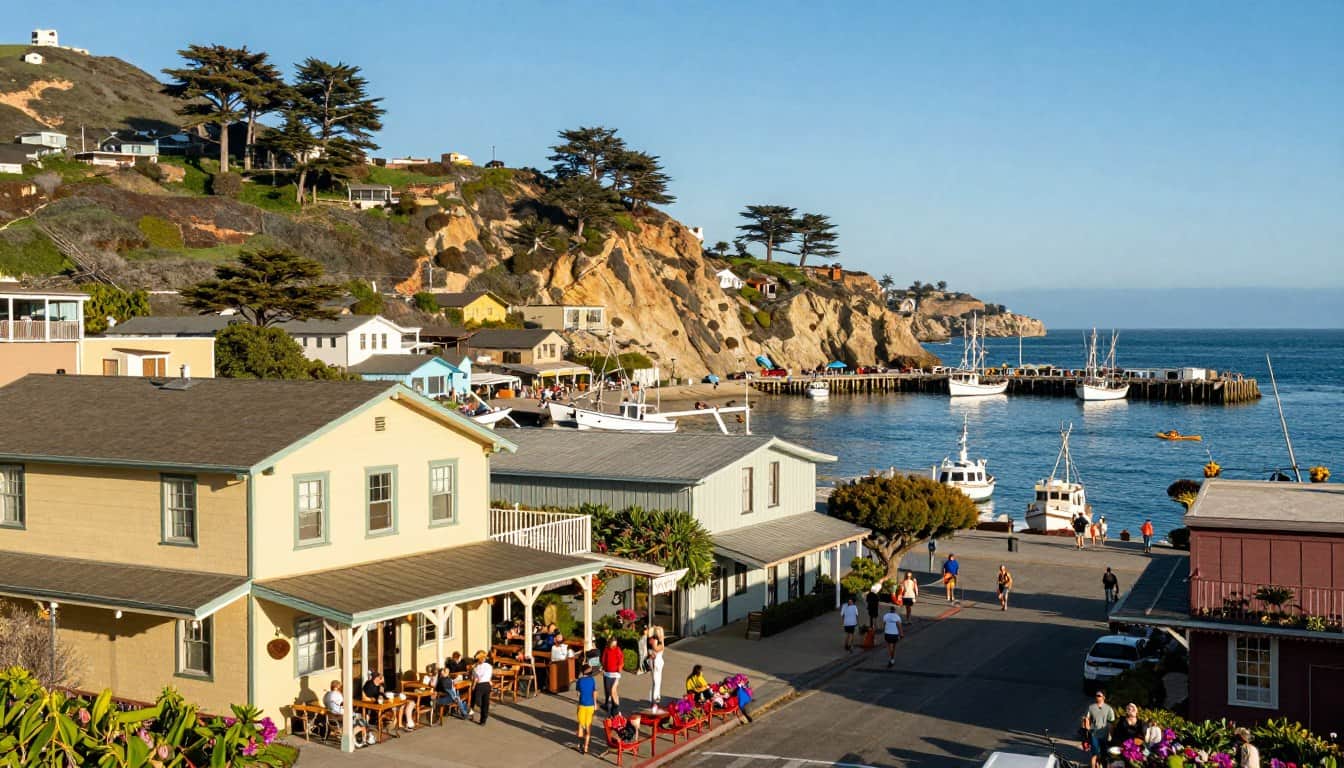
Provincetown, Massachusetts sits at the very tip of Cape Cod, ten square miles of sand and scrub pine with a harbor that has been fished, painted, and photographed for three hundred years. In winter it has about 3,600 people. In August, on a good weekend, the town’s population can swell past 60,000 — a twentyfold expansion that happens on roads built for a fraction of that traffic, sustained by a housing stock where more than half the units sit empty most of the year.
A Fishing Village That Became a Refuge
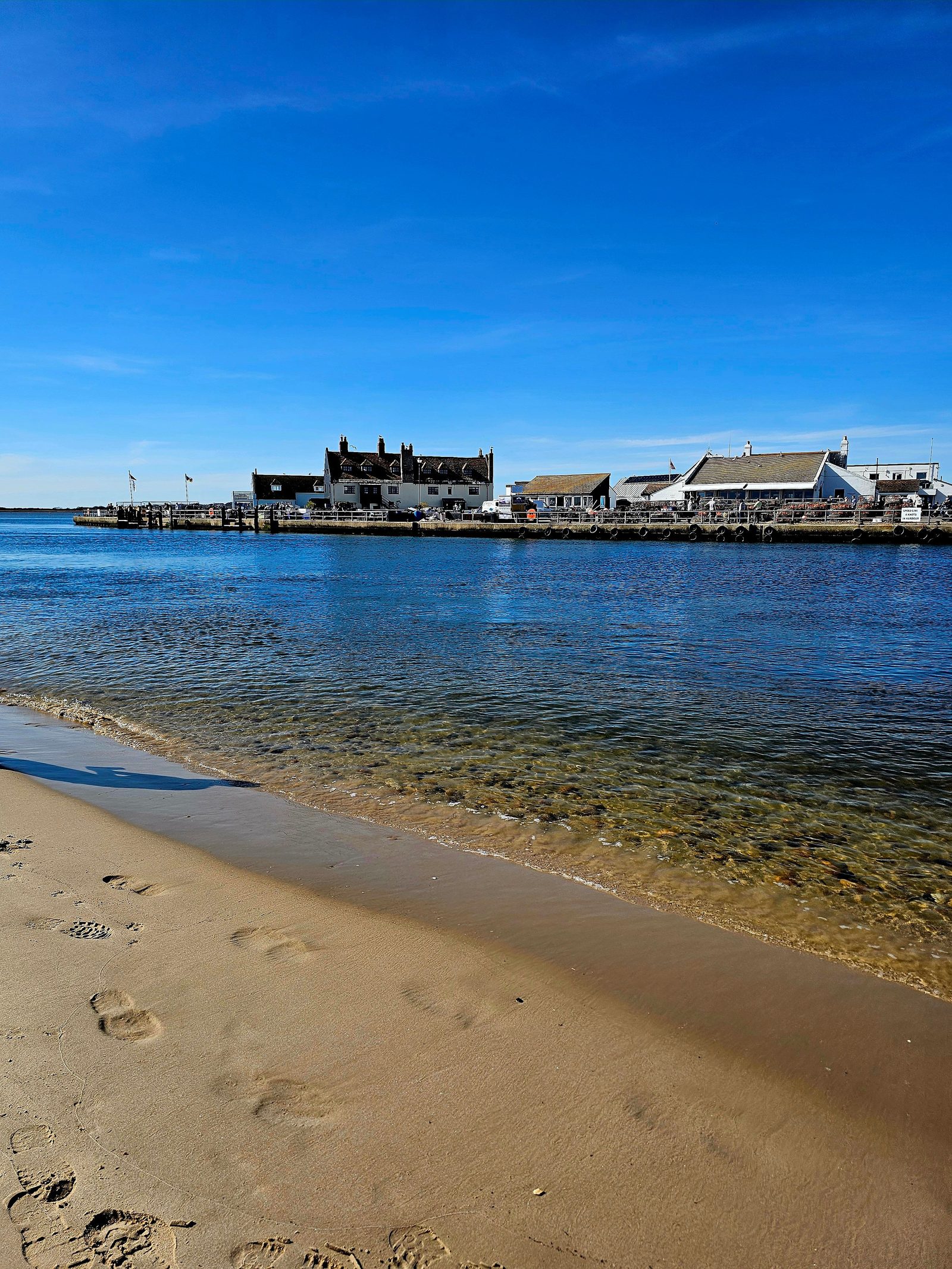
Provincetown started as a Portuguese and Yankee fishing port, the kind of place where the economy ran on cod and the social calendar ran on tides. Artists discovered it around 1899, when Charles Webster Hawthorne founded the Cape Cod School of Art and painters began renting cheap studios along the harbor for the clear northern light. By the mid-twentieth century, the same qualities that drew painters — isolation, tolerance, cheap rent, a live-and-let-live culture built by sailors who had seen enough of the world to stop caring who loved whom — had made Provincetown one of the first places in America where a gay and lesbian community could exist openly. By the 1970s and 80s it had become a full-fledged destination, and the economics of the town reorganized themselves entirely around a roughly ten-week tourist season.
That transition changed everything about how the town functions. Today Provincetown’s economy is almost completely tourism-dependent, and the seasonal swing is more extreme than almost anywhere else in the country. A town of 3,600 people supports the restaurant capacity, bar capacity, and retail footprint of a small city for two and a half months a year, then contracts back down to something closer to a quiet fishing village for the other nine and a half.
The Housing Math Doesn’t Work
Provincetown has roughly 5,000 housing units and about 2,000 year-round households. That gap is the whole story. According to a 2024 housing needs assessment prepared for the town, 56 percent of the housing stock is seasonally vacant, classified by the Census Bureau as used only for recreation or occasional visits. The median sale price for a single-family home hit more than $2 million in 2023, and a median-priced condo requires a household income of roughly $220,000 to $257,000 a year to afford, according to town housing data, against a year-round median household income closer to $73,000 to $99,000 depending on the year measured.
Renters face a similarly distorted market. Long-term one-bedroom rentals run $1,800 to $2,800 a month in a town where more than half of renters spend over 30 percent of their income on housing. The town has tried to intervene directly: a Year-Round Market Rate Rental Housing Trust set below-market rates for local workers, and new developments like Harbor Hill have added deed-restricted, year-round-only units. As of the 2025 housing report, there were roughly 748 people on rental waitlists for deed-restricted units, about four applicants for every available unit.
Where the Workers Actually Live
The service workers who staff Provincetown’s restaurants, hotels, and shops increasingly commute from Truro, Wellfleet, or further down-Cape, or they live in employer-provided seasonal housing that disappears at the end of summer. Some businesses have taken to housing H-2B visa workers and J-1 student employees in dormitory-style arrangements just to keep kitchens staffed, a pattern common across seasonal Cape Cod but especially acute in Provincetown given how little land is left to build on.
- Only about a quarter of Provincetown’s 10 square miles is buildable land, with the rest protected as part of the Cape Cod National Seashore or otherwise undevelopable
- The town’s median age is around 56, and roughly 77 percent of residents are over 40, a demographic profile shaped by retirees and second-home owners rather than young families
- A two-bedroom short-term rental during peak season can run $400 a night or more, generating far more income for owners than a year-round lease ever could
Why the Culture Survives Anyway
Despite all of this, Provincetown hasn’t lost the identity that made it famous. Unlike some resort towns that hollow out into generic luxury, Provincetown’s queer culture is embedded in institutions that predate the current housing crisis by decades — the Provincetown Business Guild, Boatslip Beach Club’s tea dances, Womencrafts bookstore, the AIDS Support Group of Cape Cod. These aren’t seasonal pop-ups; they’re multi-generational anchors that keep bringing the same community back even as the economics around them get harder.
Longtime residents describe a town that still feels intimate even at 60,000 people, because the year-round core is so small that everyone recognizes everyone else regardless of the crowds. That intimacy is part of what people are trying to preserve when they fight over zoning variances and short-term rental caps, not nostalgia, but the actual mechanics of a community that only works if enough of the people who make it distinctive can still afford to live there in February.
Provincetown’s fight over short-term rentals mirrors a debate playing out across almost every seasonal coastal town in America, but the stakes feel sharper here because the town’s entire cultural relevance depends on year-round continuity, not just seasonal charm. A ski town can survive on wealthy second-home owners who show up twelve weekends a year. A queer cultural landmark cannot survive the same way, because its identity is built by the people who work its bars, run its bookstores, and staff its clinics through the winter, not by the people who fly in for Bear Week or Carnival and leave.
Town meetings in Provincetown have become genuinely contentious over exactly this tension. Proposals to cap the number of short-term rental licenses, to tax high-value second-home sales for an affordable housing fund, and to require owner-occupancy for certain zoning categories have all been debated in recent years, with predictable opposition from real estate interests who argue the vacation rental economy is what funds the town’s tax base in the first place. Both sides have a point, which is part of why the debate hasn’t resolved.
Compare Provincetown to other small Massachusetts towns without a tourism economy and the tax burden question gets complicated fast. Property taxes in Provincetown are relatively low as a rate, because the town’s total assessed property value is so high, but that low rate is cold comfort to a service worker earning an hourly wage who will never own property there regardless of the rate. The paradox of Provincetown is that it can simultaneously have a small, manageable municipal budget and an unmanageable housing crisis, because the two problems are measuring completely different things.
Visitors who want to understand the town beyond its beaches and nightlife should walk the East End galleries, a stretch of Commercial Street that still holds one of the highest concentrations of working artist studios in New England, a legacy of the Provincetown Art Association and Museum’s founding in 1914 and the decades of painters, including Edward Hopper and later generations of abstract expressionists, who summered there specifically because the light and the isolation suited serious work. That artistic infrastructure, much like the queer community that grew alongside it, depends on the same year-round affordability that the housing crisis is squeezing, meaning the erosion of working-class and working-artist housing threatens more than just service industry staffing, it threatens the specific cultural ecosystem that made Provincetown worth visiting in the first place.
The town keeps experimenting with fixes — accessory dwelling unit rules, deed restrictions, a proposed transfer fee on high-end real estate sales to fund affordable housing — but none of it changes the base problem. Provincetown sits at the end of a peninsula with almost no room to grow, a housing stock optimized for investment rather than residency, and a summer population large enough to overwhelm a town smaller than most high schools. It’s not a crisis anyone expects to resolve. It’s a seasonal equilibrium that the town has been managing, imperfectly, for forty years.